

Dieser lebenspralle Roman erzählt die Geschichte von Itsik Malpesch: von seiner Kindheit als Sohn eines jüdischen Gänsedaunenfabrikverwalters im russischen Kischinjow, von seiner Liebe zur Metzgerstochter Sascha Bimko und von seiner Odyssee, die ihn nach Amerika bringt, wo er sich zum letzten Dichter jiddischer Sprache ernennt. Itsik Malpesch liebt schon als Junge Geschichten mehr als Talmudstudien. Statt Süßigkeiten kauft er einem Kameraden „Schuld und Sühne“ für eine Kopeke pro Seite ab. Seine zweite Leidenschaft gilt Sascha, der jüdischen Metzgerstochter, die einst das Leben der Familie Malpesch während eines Pogroms rettete. Die Verschollene ist die Muse, der Itsik seine Gedichte widmet. Am Ende seiner Odyssee, die ihn über Odessa nach Amerika führt, beschert ihm das Schicksal nicht nur den wichtigen Kontakt zu Zeitungsverleger Knobloch, der in seiner Bibliothek der unerfüllten Träume jiddische Literatur sammelt. Er trifft auch Sascha Bimko wieder. Doch wie so oft im Leben des Itsik Malpesch ist sein Glück nur von kurzer Dauer. „Itsik Malpesch ist eine der erstaunlichsten Errungenschaften, die die Literatur hervorgebracht hat.“ Pulitzerpreisträger Junot Díaz
Peter Manseau Bücher
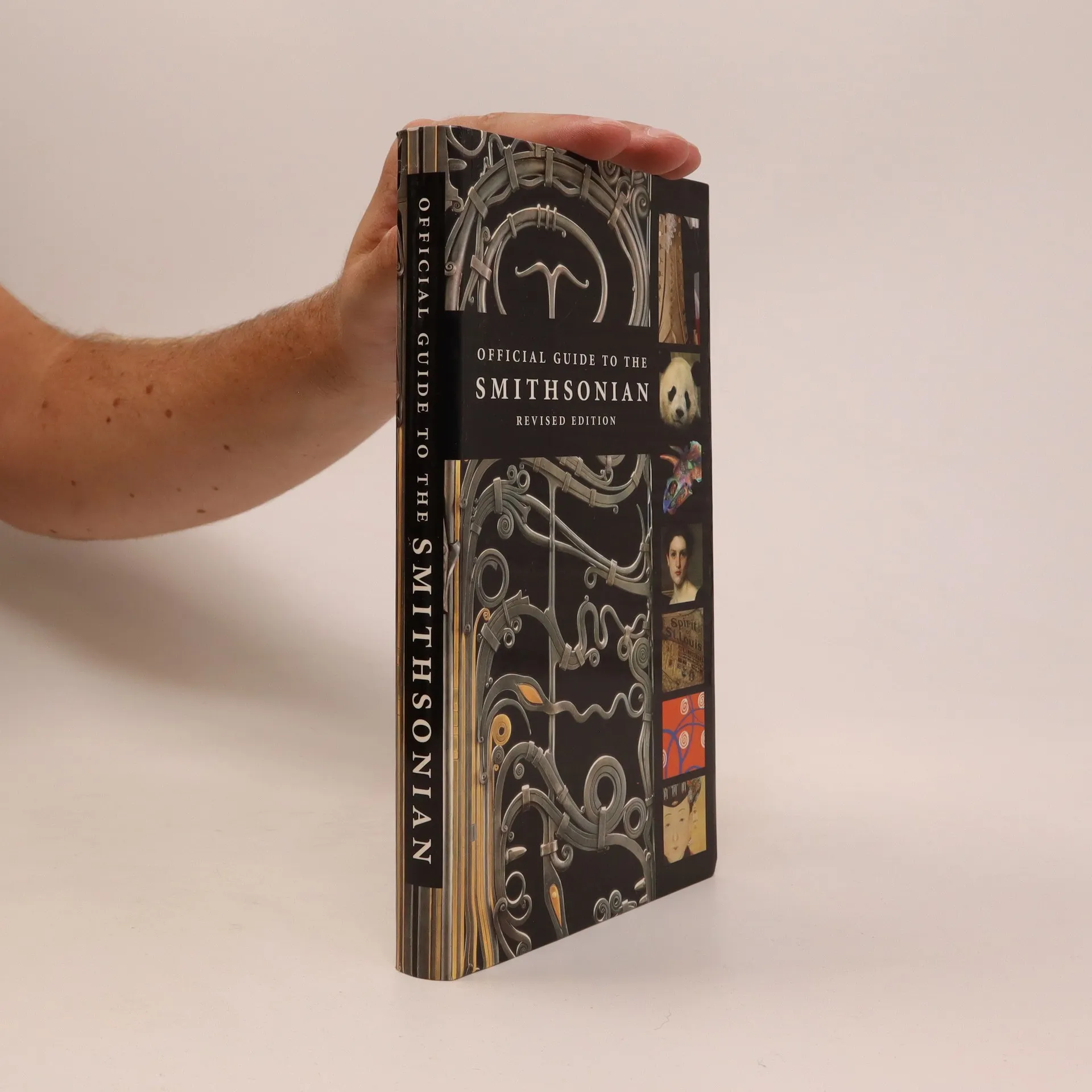

The go-to guide for visitors who want to maximize their experience at the Smithsonian’s 19 museums and National ZooThe Smithsonian holds more than 155 million artifacts and specimens in its trust. The Official Guide to the Smithsonian makes navigating the world’s largest museum complex more efficient and fulfilling. Featuring a huge amount of history, highlights, and pertinent museum information, the colorful guide is designed to enrich time spent in the Smithsonian’s incredible galleries and museums on the National Mall, the Washington metropolitan area, and New York City. The new 2021 edition features major updates for all the museums. This includes a full treatment of the National Museum of African American History and Culture, the most recent Smithsonian museum, as well as the Deep Time hall at the National Museum of Natural History, their new fossil hall that displays towering fossils of dinosaurs and other prehistoric creatures to explore the epic story of Earth. Each detailed section presents the history of the museum and offers a fully illustrated, gallery-by-gallery tour. It also includes all the practical information such as location, hours, phone numbers, public transportation, services, tours, dining, gift shops, special attractions for children, and website addresses. With so much to see and do across the vast Smithsonian collections, this is the definitive source of information in one place.