W. S. Merwin Bücher
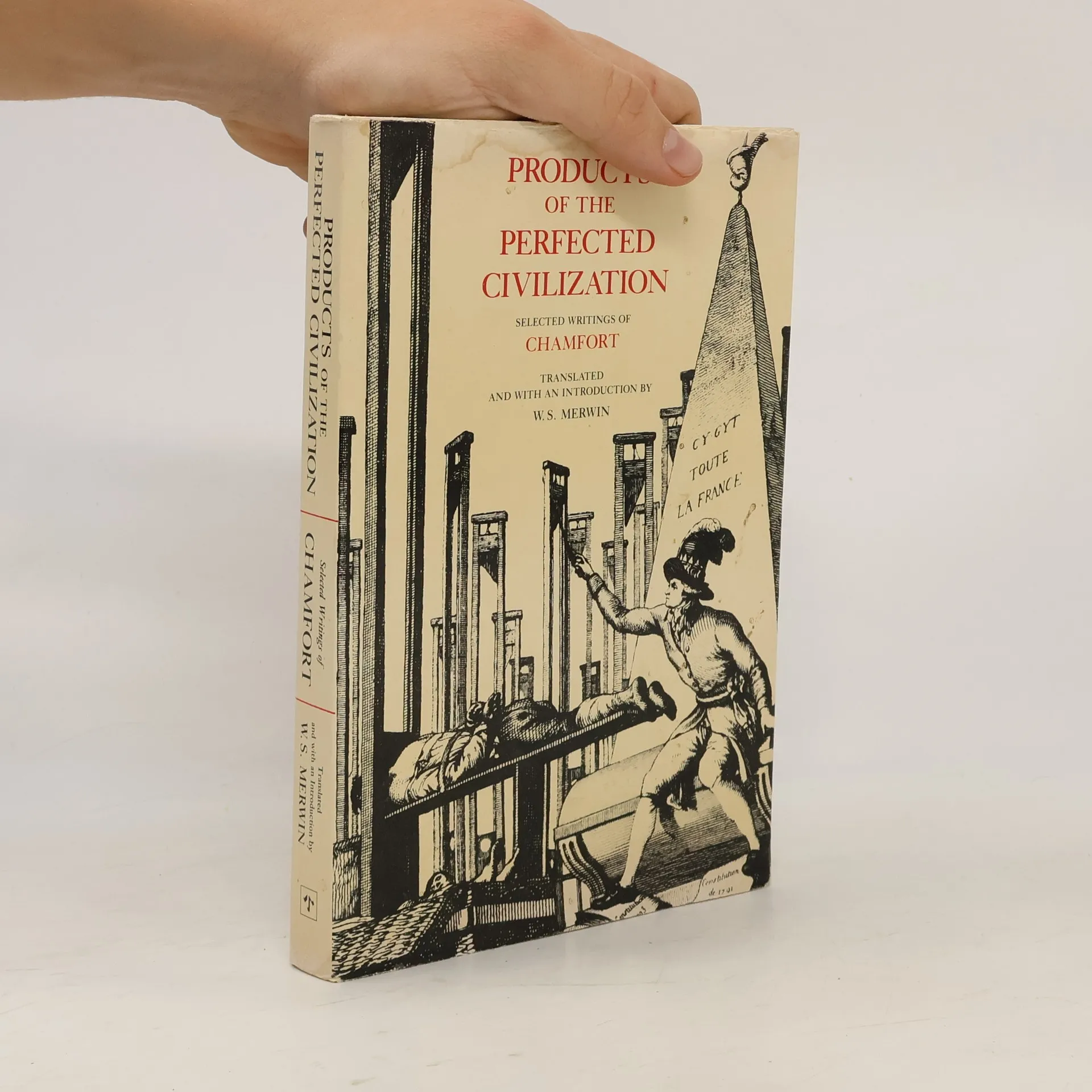

A 95 page biography by W.S. Merwin precedes Chamfort's selected writings, along with an introduction by essayist-critic Louis Kronenberger. A poet and translator, Merwin sheds light on the man while Chamfort (1740-1794) is shedding light on his world.
Ich bekenne, ich habe gelebt
- 475 Seiten
- 17 Lesestunden
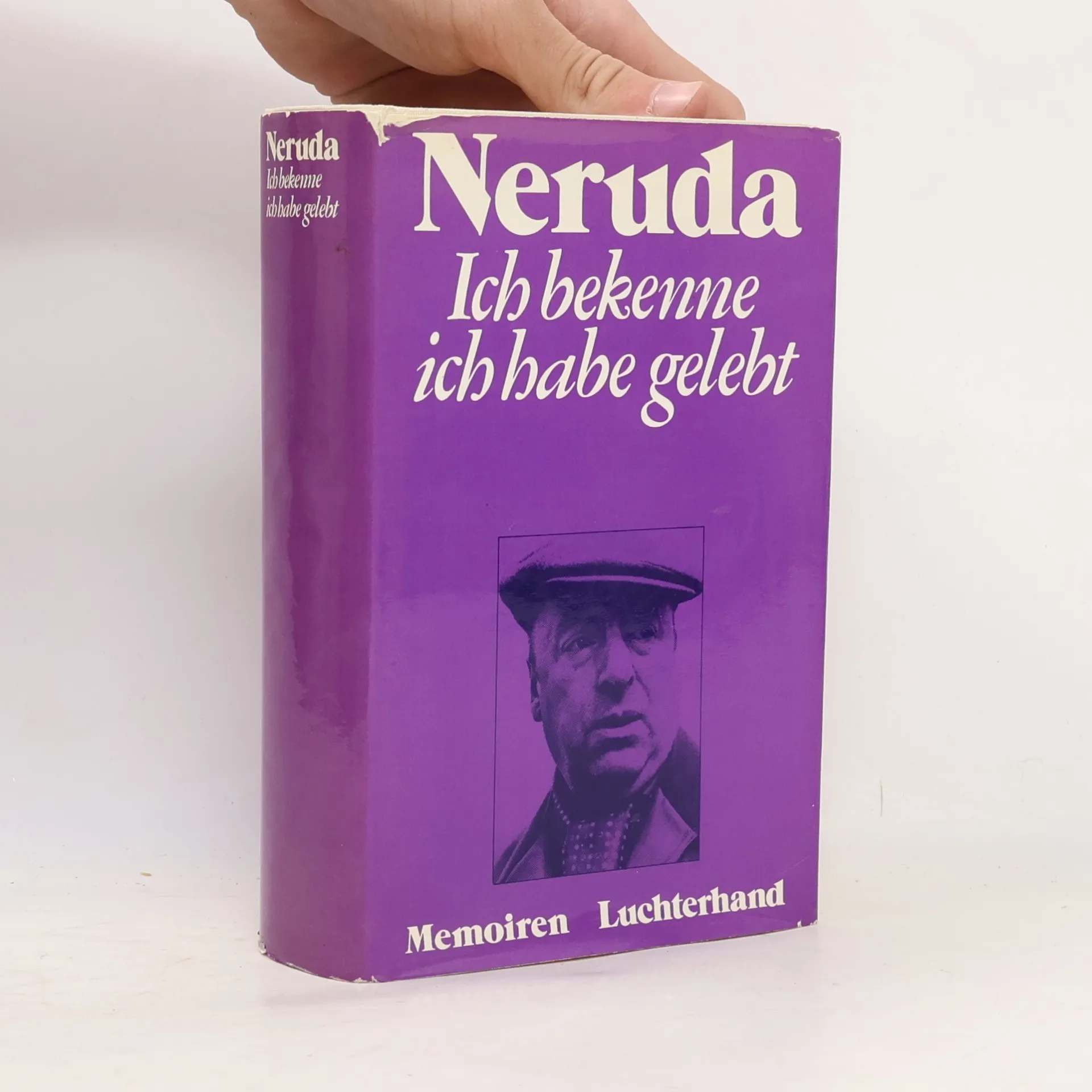
Pablo Neruda, einer der größten Dichter des 20. Jahrhunderts und einzigartig als Mensch, Politiker und Humanist, hat mit seinen Memoiren ein grandioses Dokument seines Lebens und seiner Welt hinterlassen.
Yale Series of Younger Poets: Shells
- 102 Seiten
- 4 Lesestunden
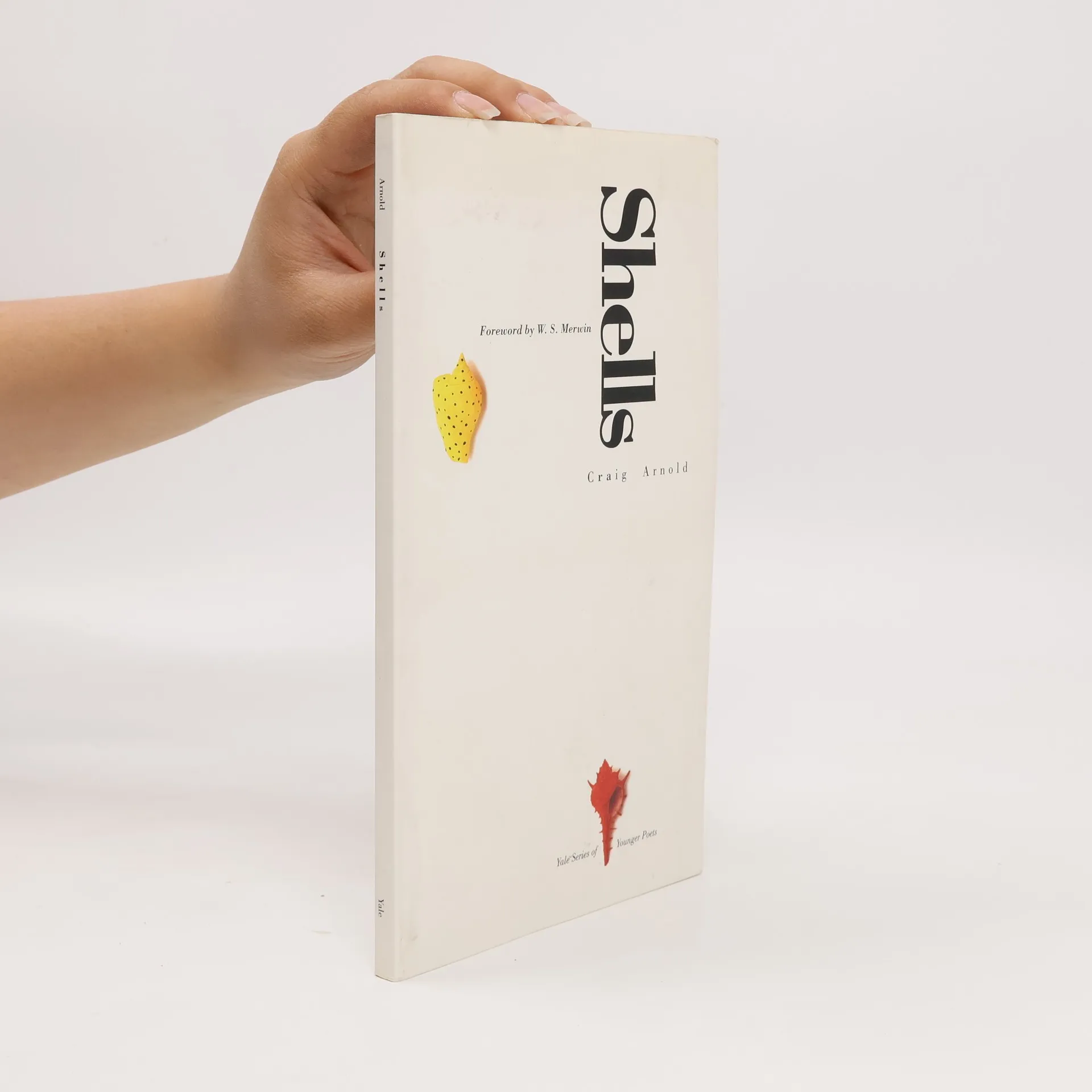
The winner of the 1998 Yale Series of Younger Poets competition is Craig Arnold’s Shells, which was acclaimed as “a gifted collection of daring writing” by the contest judge, the distinguished poet W. S. Merwin. The book is an intriguing set of variations on the theme of identity. Arnold plays on the idea of the shell as both the dazzling surface of the self and a hard case that protects the self against the assaults of the world. His poems narrate amatory and culinary misadventures. “Friendships based on food,” Arnold writes, “are rarely stable”—this book is full of wildly unstable and bewitching friendships and other significant relations.
The Book of Fables
- 349 Seiten
- 13 Lesestunden
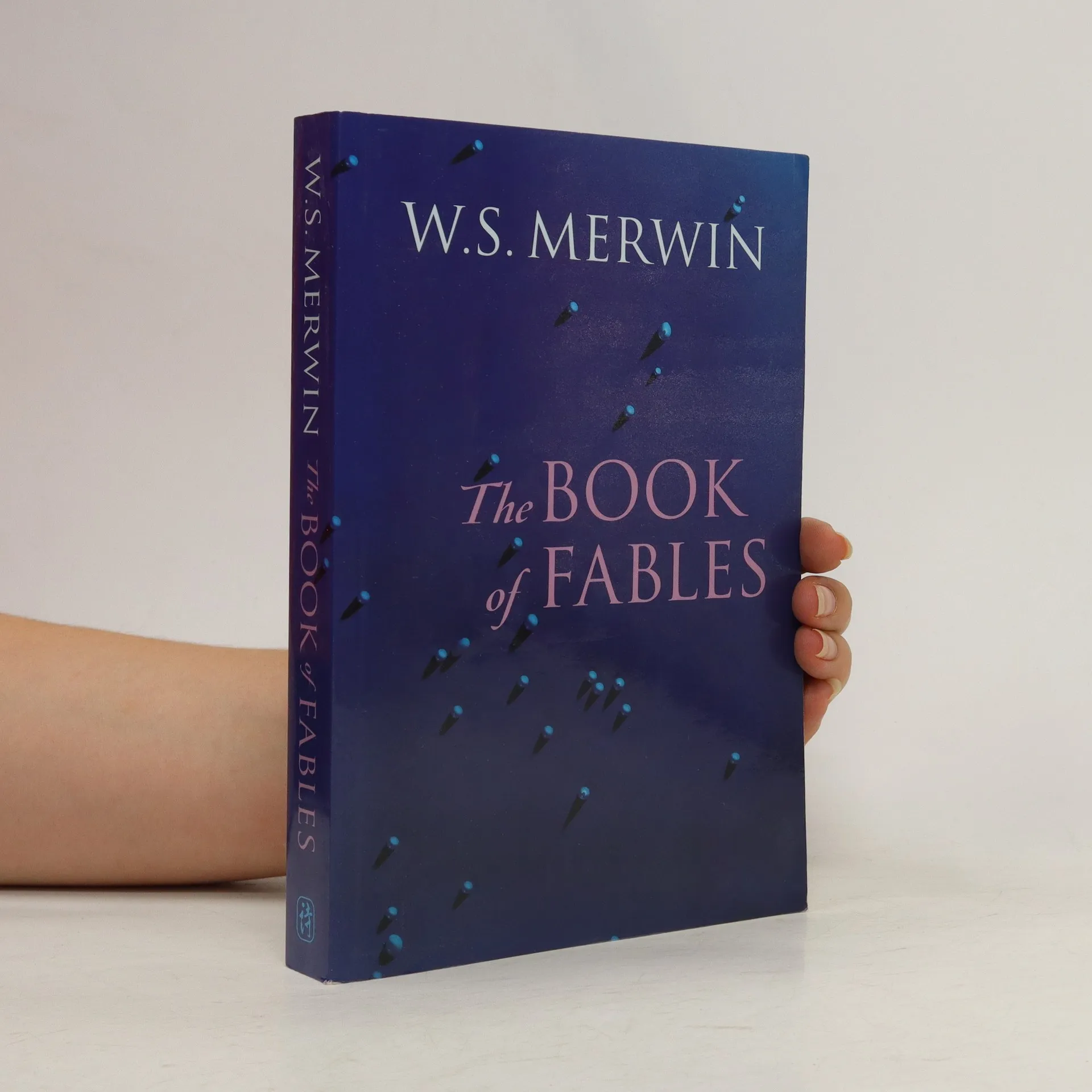
“Metaphors, puns, surrealist visions, converted into sharp, disturbing little narratives . . . only a poet, and a good one, could have written it.” — The Atlantic MonthlyW.S. Merwin’s acclaimed short prose pieces — many of which first appeared in The New Yorker — blur the distinction between fiction, poetry, essay, and memoir. Reminiscent of Kafka, Borges, and Beckett, they evoke mythical patterns and unlikely adventures and raise questions about art, reality, and meaning. As the, itself fabled, Saturday Review once remarked, the prose pieces have “astonishing range and power.”The Book of Fables comprises all the short prose from two of Merwin's out-of-print collections, The Miner’s Pale Children and Houses and Travellers. The pieces run from a single sentence to a dozen pages and create a poetic landscape both sere and sensuous.
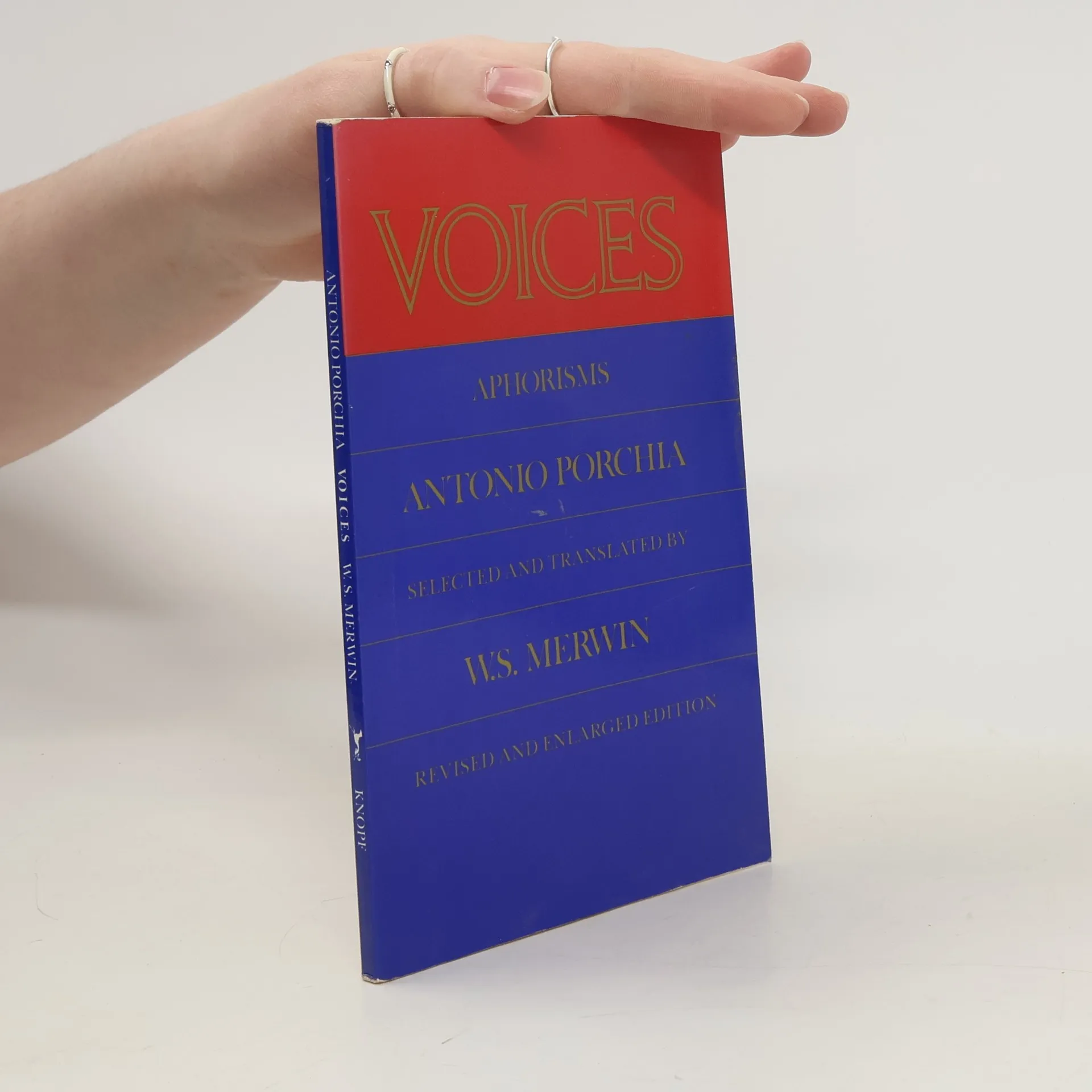
Voices. Aphorisms Antonio Porchia
- 44 Seiten
- 2 Lesestunden
Voices is a collection of poetic aphorisms written over several decades by Antonio Porchia and translated by W.S. Merwin. Spontaneous, succinct, and wise, these aphorisms have the spiritual character of the world's great religions-especially Buddhist and Taoist epigrams-and the subtle attention to language of our best literature. Voices is Porchia's only book, which he augmented and revised throughout his life. By the time of his death, it had become a classic, published in over a dozen different Spanish-language editions; today there are also translations into German, French, and Italian. This new bilingual edition, revised and updated with an introduction by Merwin, brings back into print one of Latin America's great literary enigmas.
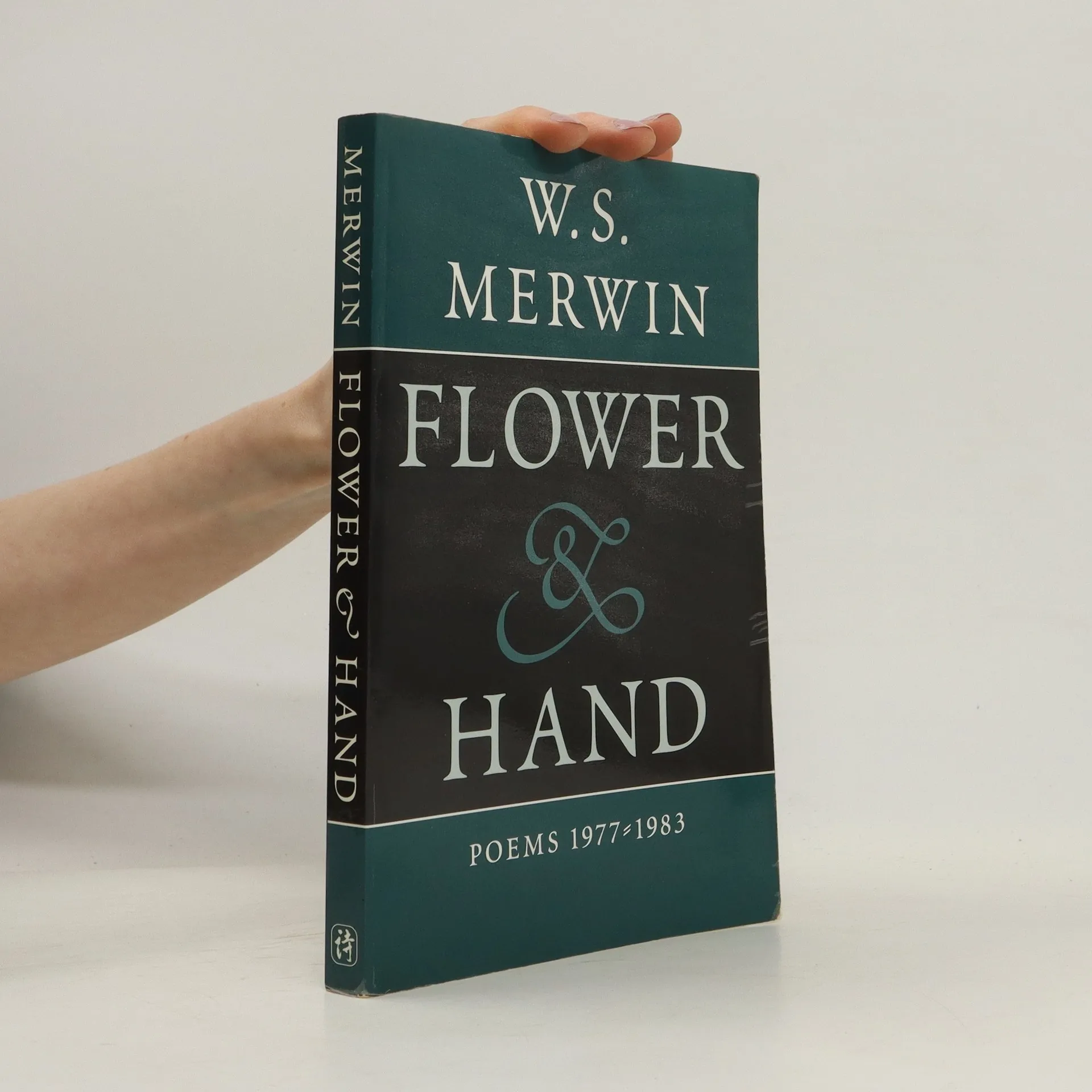
Brings back into print all the poems from The Compass Flower (1977), Feathers from the Hill (1981), and Opening the Hand (1983).
Dazzling in its range, exhilarating in its immediacy and grace, a collection that gathers together, from every region of the country and from the past forty years, the poems that continue to shape our imaginations.From Robert Lowell and Elizabeth Bishop, John Ashbery and Adrienne Rich, to Robert Haas and Louise Glück, this anthology takes the full measure of our poetry's daring energies and its tender understandings.Other poets Sylvia PlathJames MerrillAmy clampittJorie GrahamW. S. MerwinCharles SimicAllen GinsbergFrank O'HaraAnne SextonRobert CreeleySharon OldsMary OliverRobert PinskyMark StrandDenise LevertovRichard WilburMay SwensonMichael PalmerMark DotyYusef Komunyakaa
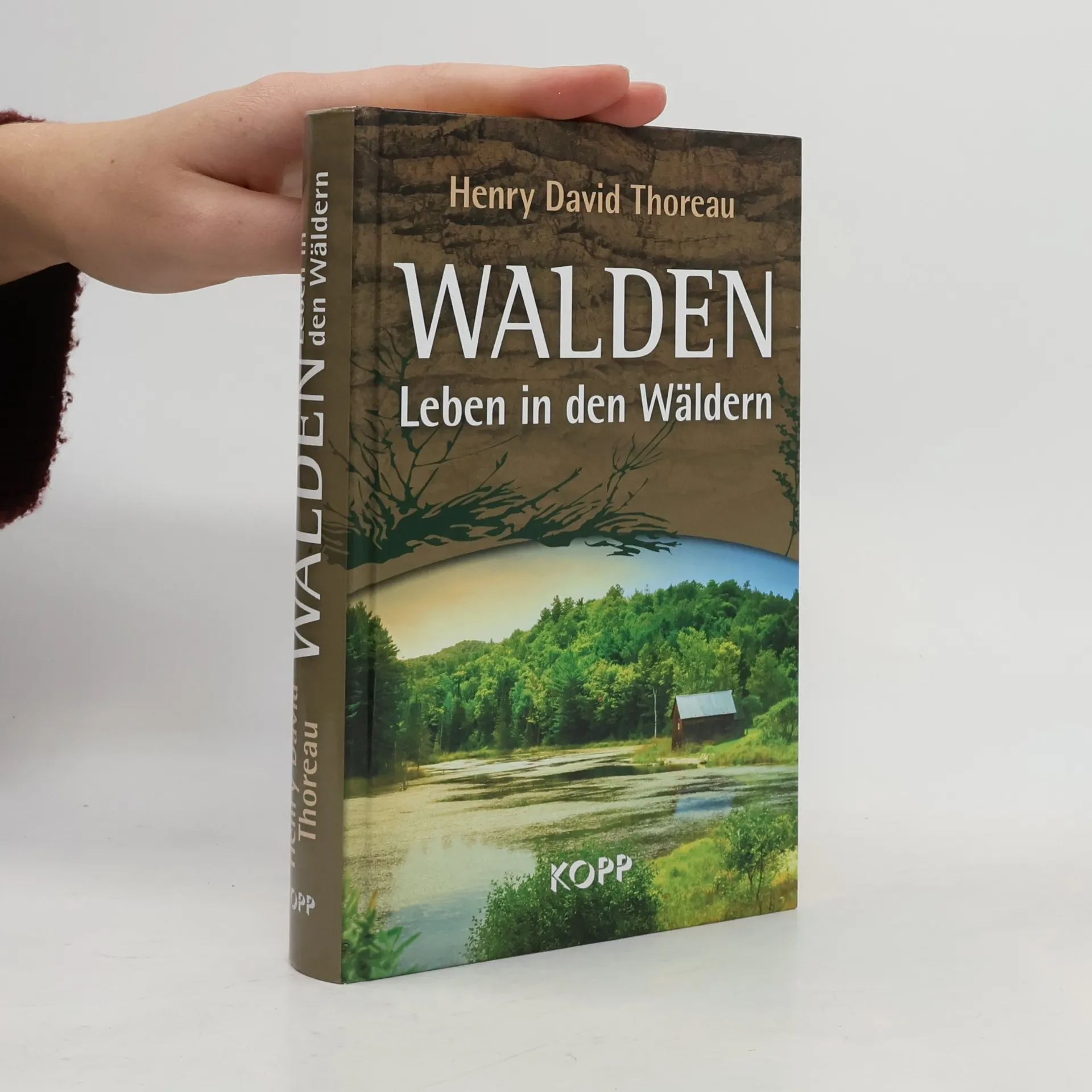
Walden - Leben in den Wäldern
- 367 Seiten
- 13 Lesestunden
Wie soll und will ich leben? – Thoreau sucht eine Antwort auf diese Frage und zieht sich in eine Blockhütte am Walden-See zurück. ›Walden‹ ist das Buch dieses Experiments. Es bietet Wege zur Entschleunigung für alle, die sich nach Ruhe, Gelassenheit und bewusstem Nichtstun sehnen.
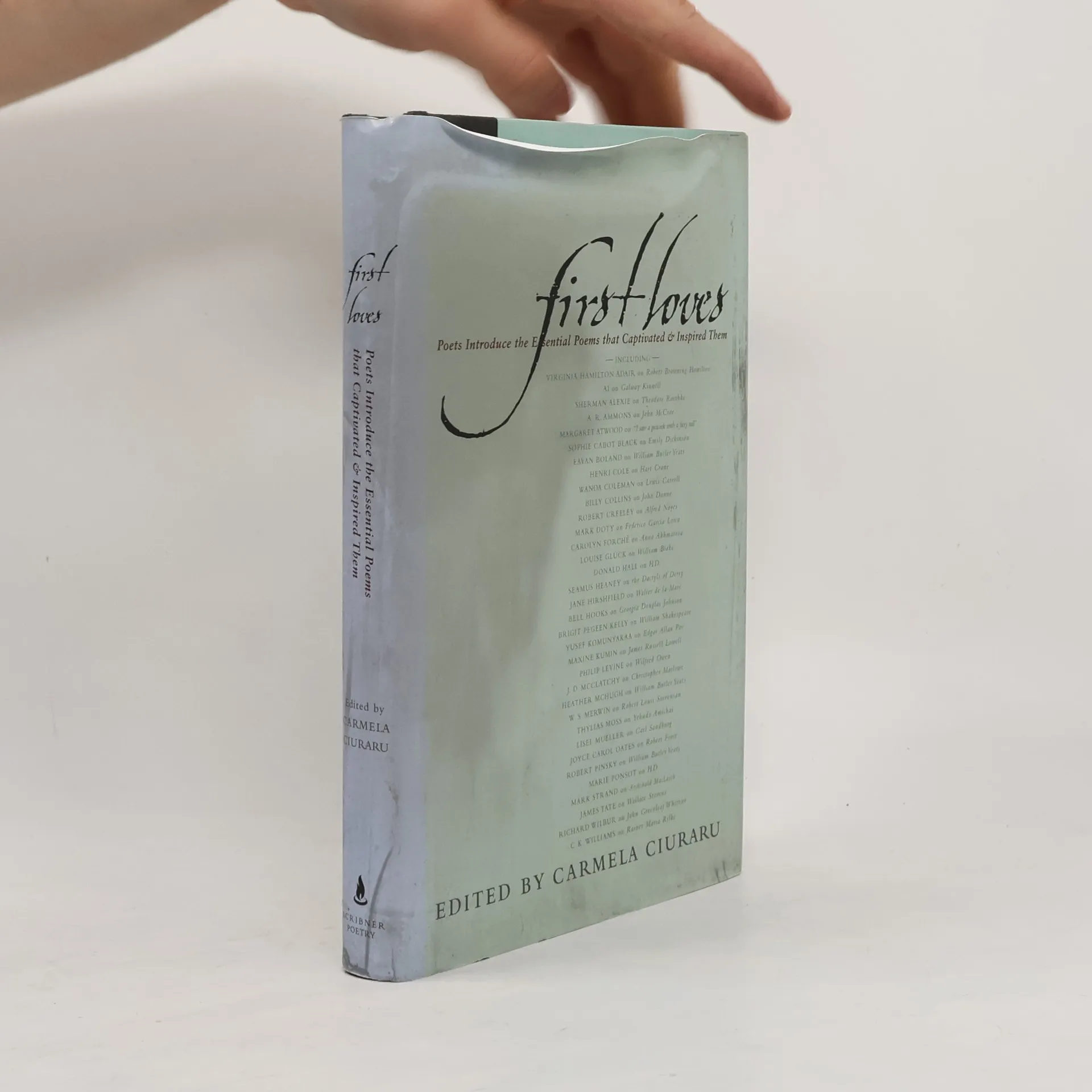
First Loves
Poets Introduce the Essential Poems That Captivated and Inspired Them
- 272 Seiten
- 10 Lesestunden
A collection of poems selected by poets as those that first inspired them includes timeless favorites and insightful essays by Pulitzer Prize and National Book Award winners including Roethke, Pinsky, and Heaney.