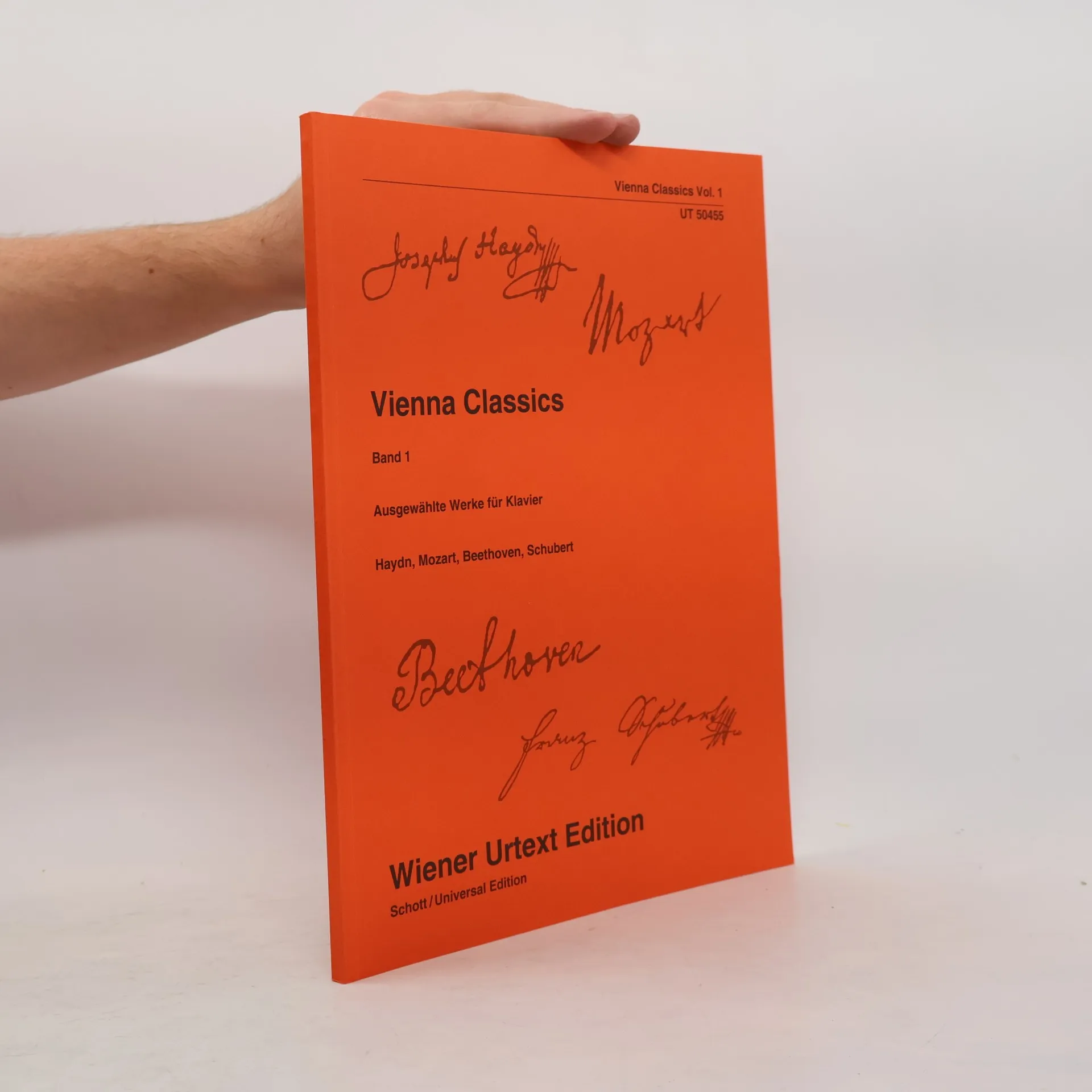
Vienna Classics Band 1: Ausgewählte Werke für Klavier. Klavier. (Wiener Urtext Edition)
- 76 Seiten
- 3 Lesestunden


Dieser Autor, bekannt als Wörterbuchsammler, erlangte Anerkennung für seine umfangreichen Kompendien. Seine Arbeit konzentrierte sich auf die systematische Sammlung und Präsentation von Informationen und bot den Lesern wertvolle Nachschlagewerke. Sein Schaffensansatz war sorgfältig und gründlich, was die Genauigkeit und Zuverlässigkeit seiner Veröffentlichungen sicherstellte. Durch seine Präzision in der Lexikographie und Geschichtsschreibung hinterließ er eine bedeutende Spur in der Welt der Sachliteratur.
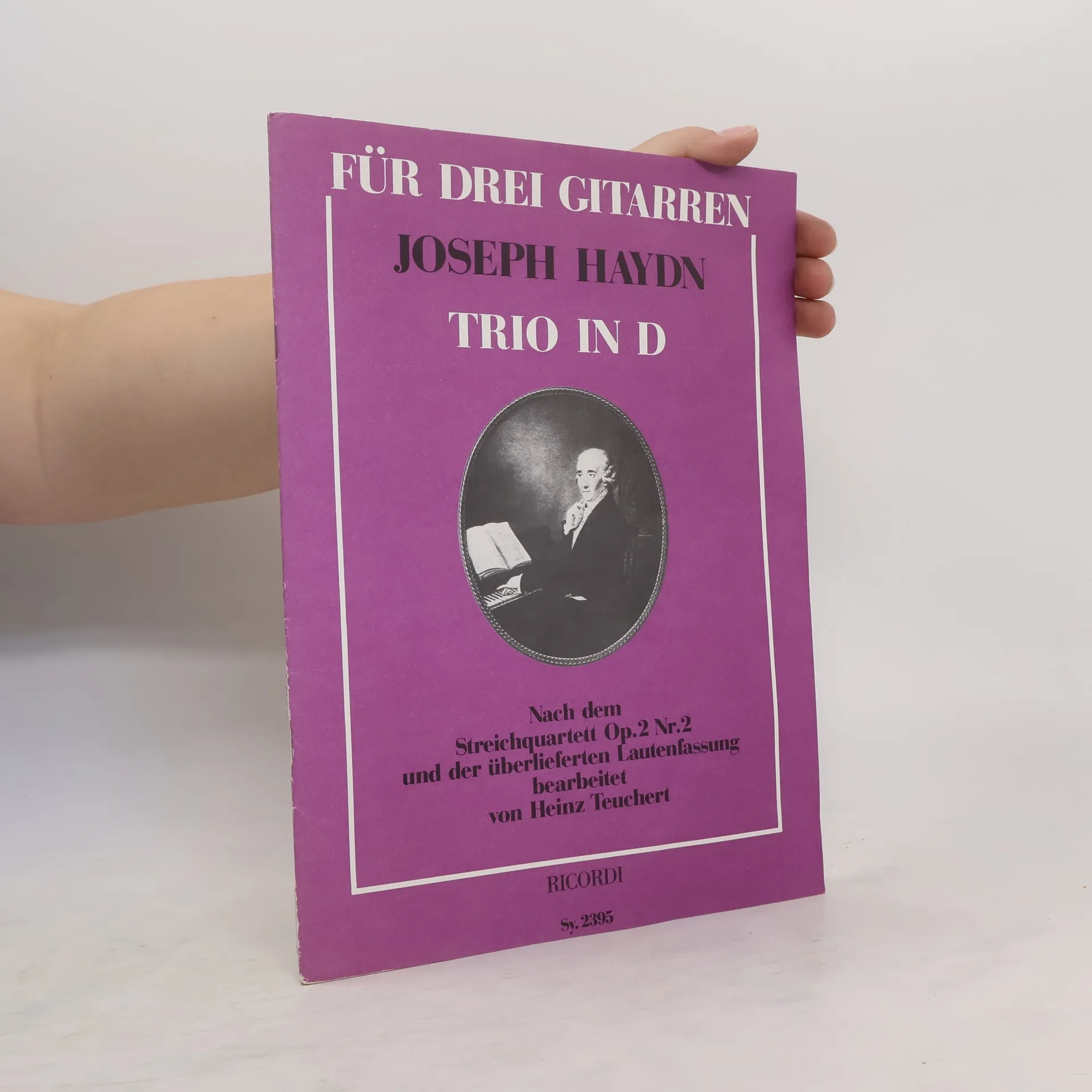
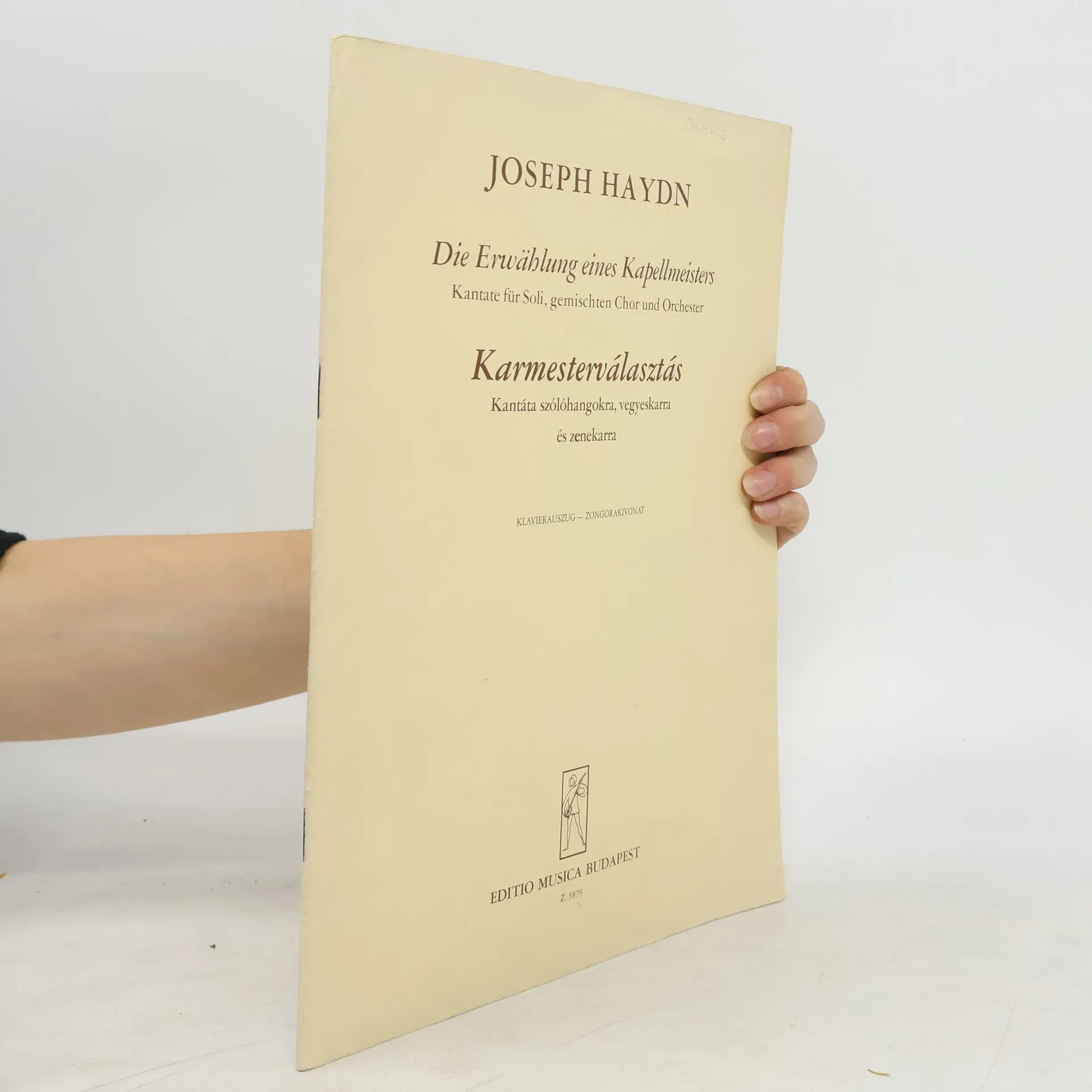

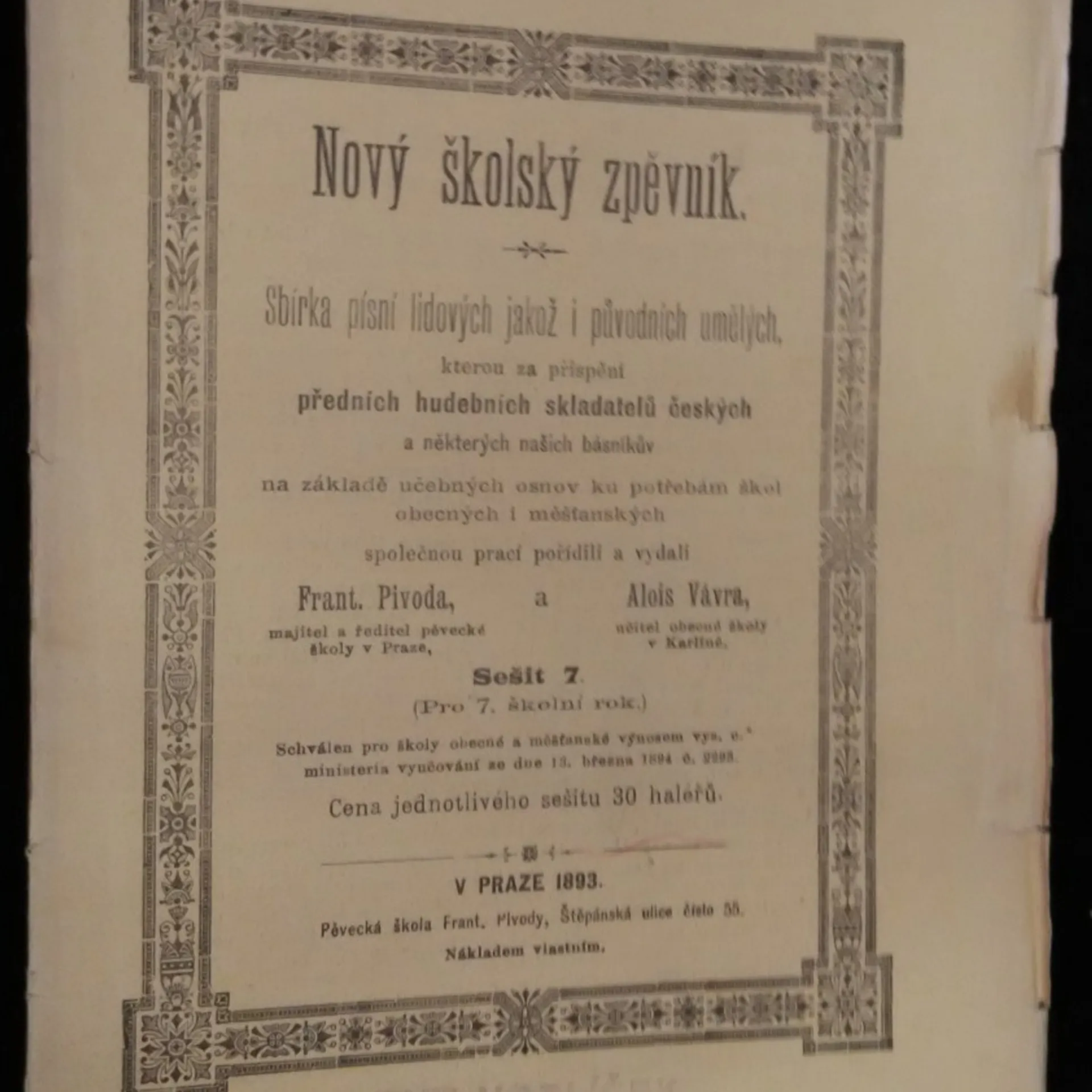
Für Flöte und Klavier - Partitur
Die Sinfonie Nr. 60 "Il Distratto" von Joseph Haydn wurde ursprünglich als Schauspielmusik für die Komödie "Le Distrait" von Jean-François Regnard komponiert. Die Aufführung fand 1772 am Esterházy-Hof statt und umfasste eine Ouvertüre, vier Zwischenaktmusiken sowie ein Finale, was die enge Verbindung zwischen Musik und Theater in dieser Zeit verdeutlicht.
Die Sinfonie Nr. 22 in Es-Dur von Joseph Haydn, komponiert 1764, zeichnet sich durch die ungewöhnliche Besetzung mit zwei Englischhörnern aus, die in anderen Sinfonien dieser Zeit nicht vorkommen. Dieses Werk stellt ein klangliches Experiment dar, wobei die Englischhornstimmen oft durch Flöten oder Oboen ersetzt wurden. Besonders bemerkenswert ist der langsame, ernsthafte Kopfsatz mit einem Bläser-"Choral", der dem Stück den Beinamen "Der Philosoph" eingebracht hat, auch wenn dieser vermutlich nicht authentisch ist.
Composed in 1797-1798, Josef Haydn's 'The Creation' / Die Schöpfung was one of his greatest successes, a masterwork of Enlightenment musical thought, and remains as popular now with choirs and audiences as ever. Klaus Burmeister's authoritative edition for Edition Peters is here presented in a classic vocal score, perfect for study or practical performance. It contains parallel English and German texts, beautifully set notation, and an informative concluding essay in German and English.
Hob. XX:2, 1796
Die sieben letzten Worte unseres Erlösers am Kreuze von Joseph Haydn ist ein emotionales Oratorium, das ursprünglich als Instrumentalkomposition für eine Passionsandacht konzipiert wurde. Haydn vertonte die sieben letzten Worte Jesu in sieben langsamen Sätzen und fügte eine Vokalfassung hinzu, inspiriert von einer Aufführung in Passau. Diese Vokalfassung, die 1796 in Wien uraufgeführt wurde, entwickelte sich im 19. Jahrhundert zu einer der meistaufgeführten Passionsmusiken. Die aktuelle kritische Urtextedition bietet einen revidierten Notentext nach modernen wissenschaftlichen Standards.
The classic tune by Franz Josef Haydn is arranged here for xylophone but can be played on any mallet instrument. The tidy form, graspable melody and straight rhythms make the solo fun and playable for intermediate keyboard percussionists.
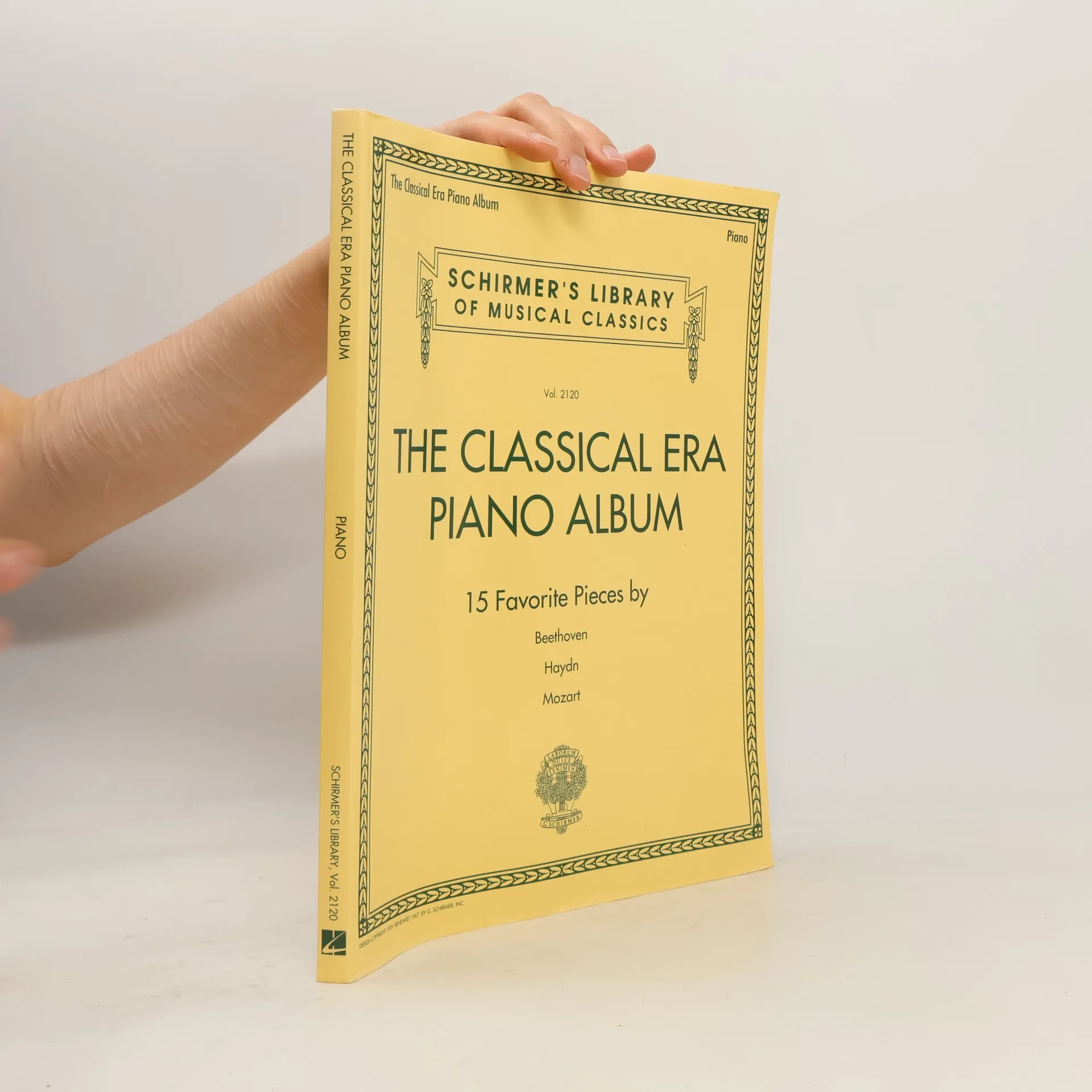
15 Favorite Pieces by Beethoven, Haydn, Mozart
(Piano Collection). 15 favorite pieces by Beethoven, Haydn and Mozart. LUDWIG VAN BEETHOVEN: Piano Sonata No. 8 in C minor, "Pathetique," Op. 13 * Piano Sonata No. 14 in C-sharp minor, "Moonlight," Op. 27, No. 2 * Piano Sonata No. 19 in G minor, Op. 49, No. 1 * Piano Sonata No. 20 in G Major, Op. 49, No. 2 * Bagatelle in A minor, "Fur Elise," WoO 59 * Six Variations on "Nel cor piu non mi sento" from La Molinara by Giovanni Paisiello, WoO 70 FRANZ JOSEPH HAYDN: Piano Sonata in C Major, Hob. XVI:35 * Piano Sonata in D Major, Hob. XVI:37 * Piano Sonata in E-flat Major, Hob. XVI:49 * Piano Sonata in E-flat Major, Hob. XVI:52 WOLFGANG AMADEUS MOZART: Twelve Variations on "Ah, vous dirai-je, Maman," K. 265 * Fantasy in D minor, K. 397 * Piano Sonata in A minor, K. 310 * Piano Sonata in A Major, K. 331 * Piano Sonata in C Major, K. 545
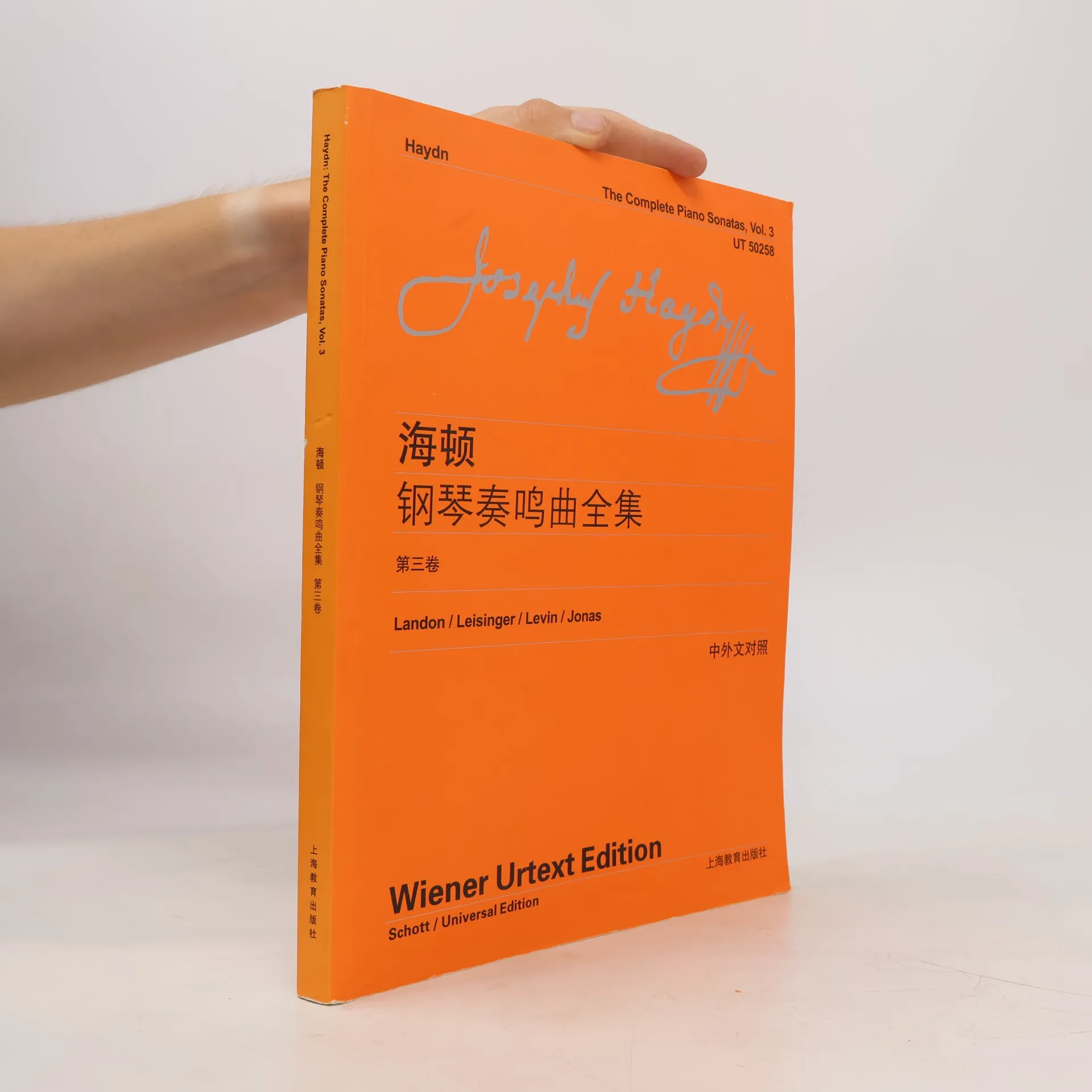
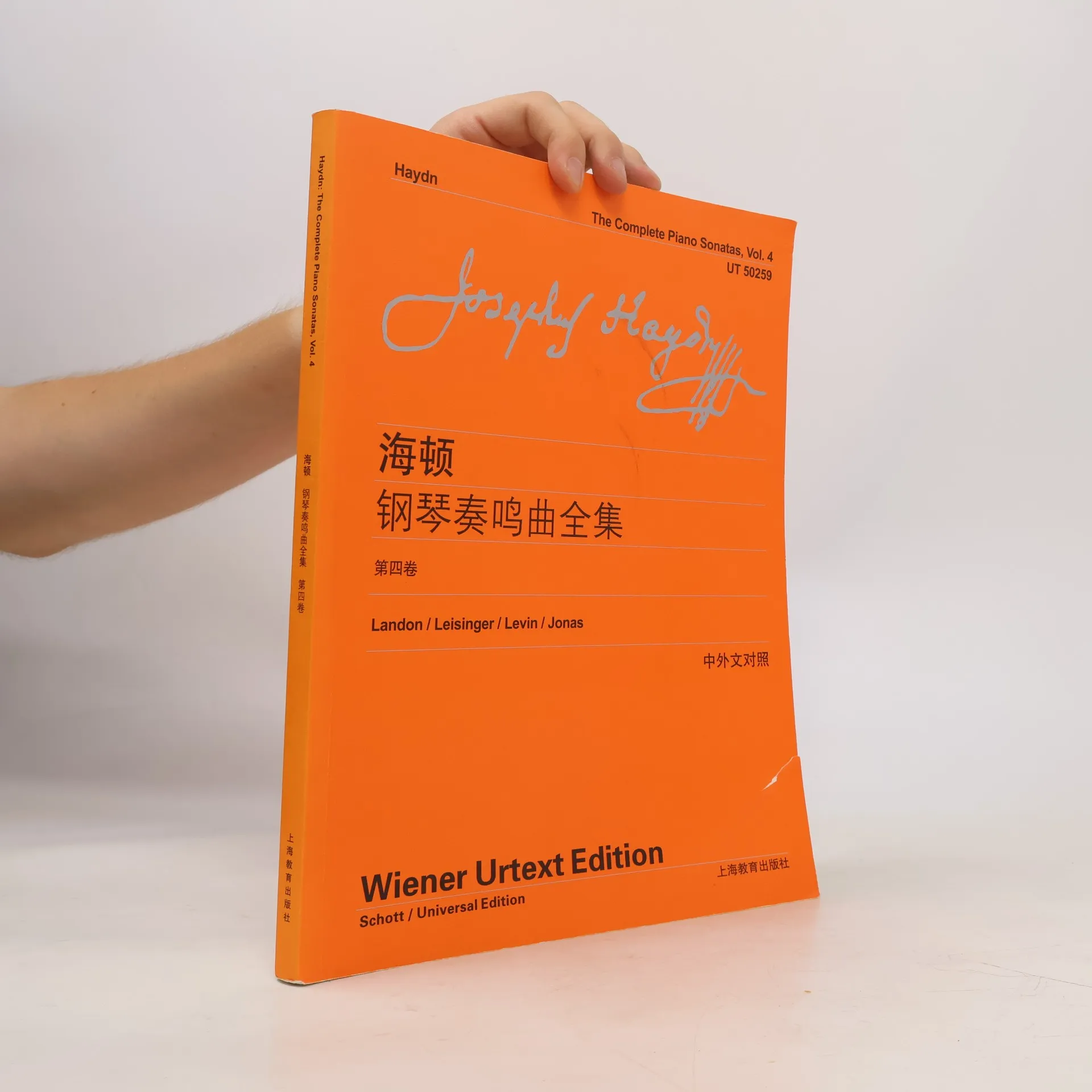
Bilingual Edition
中外文对照
Menuette und Trios in leichten und zugleich abwechslungsreichen Bearbeitungen für den Unterricht; Minuets and trios in easy and varied arrangements for pedagogic use
Joseph Haydns Oratorien Die Schöpfung und Die Jahreszeiten, Frucht seines London-Aufenthalts, sind bis heute fester Bestandteil des Konzertrepertoires. Georg Feder, der langjährige Leiter des Haydn-Instituts, legt mit dieser Ausgabe beide Werke auf der Grundlage des von Gottfried van Swieten übersetzten englischen Textbuchs in authentischer Form neu vor.
Dieses Buch bietet ideales Material für Musik- und Religions-LehrerInnen, die ihren Unterricht durch die musikalischen Ideen Joseph Haydns bereichern wollen.
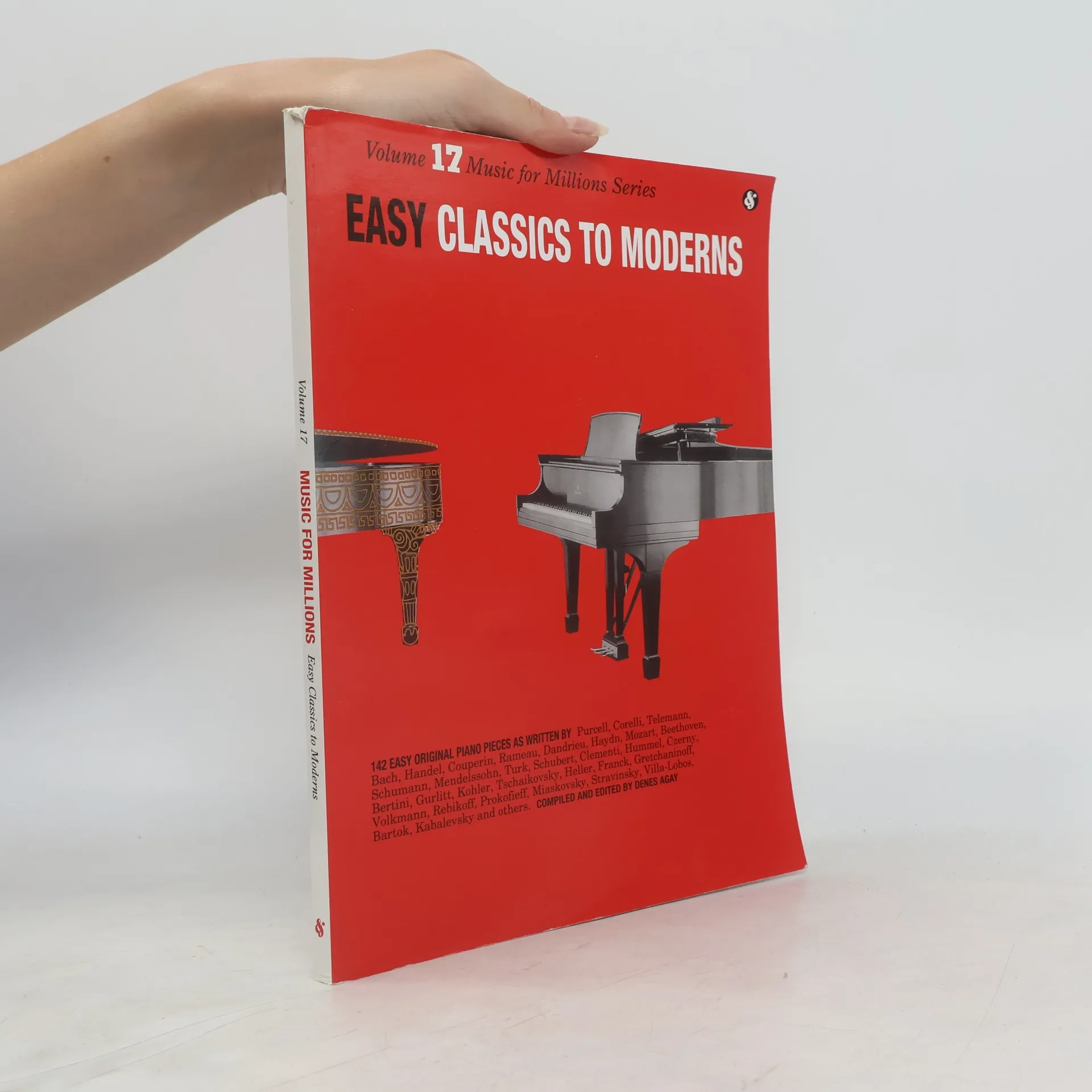
142 Easy Original Piano Pieces
(Music Sales America). These 142 pieces by the masters of piano literature date from the second half of the 17th century to the present day.
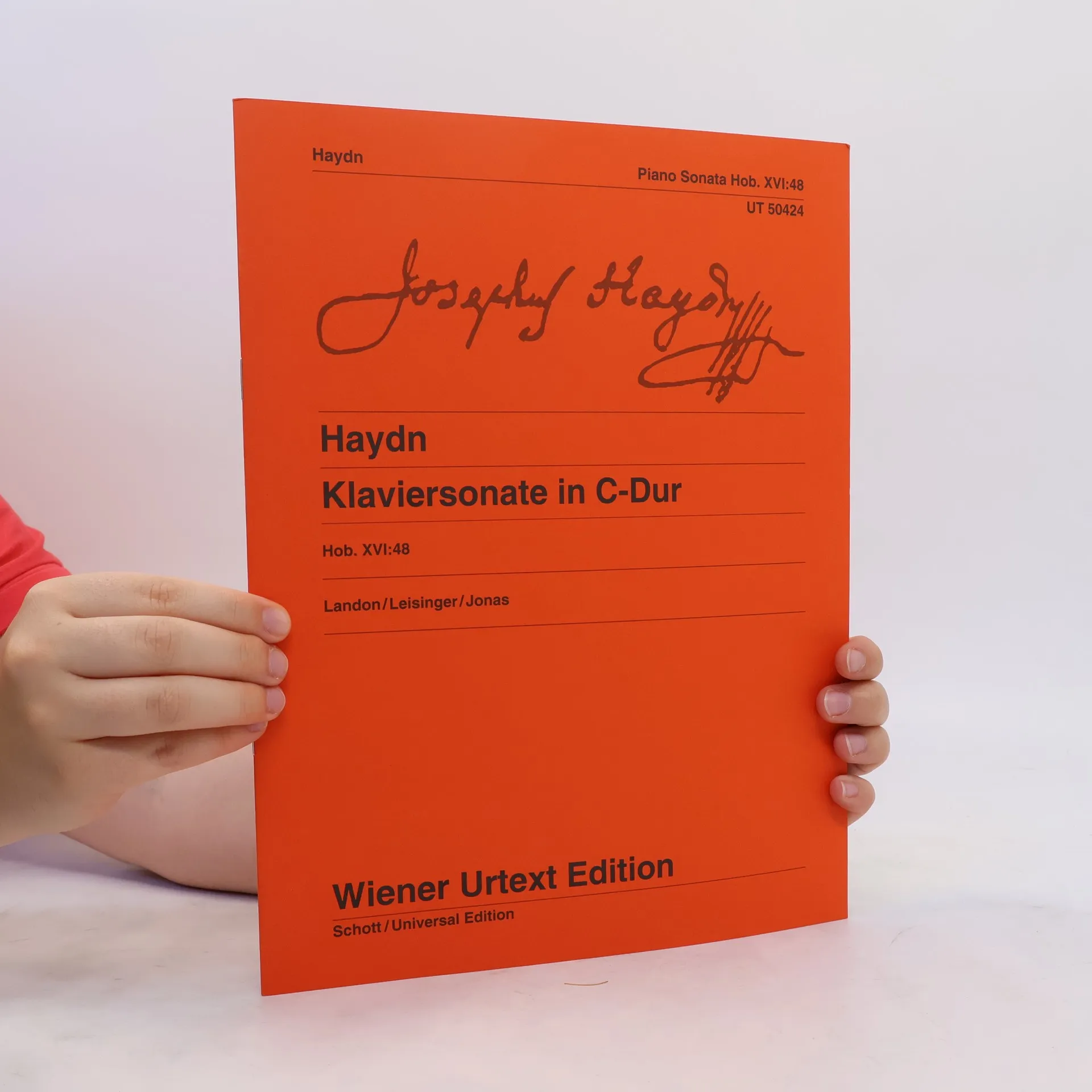
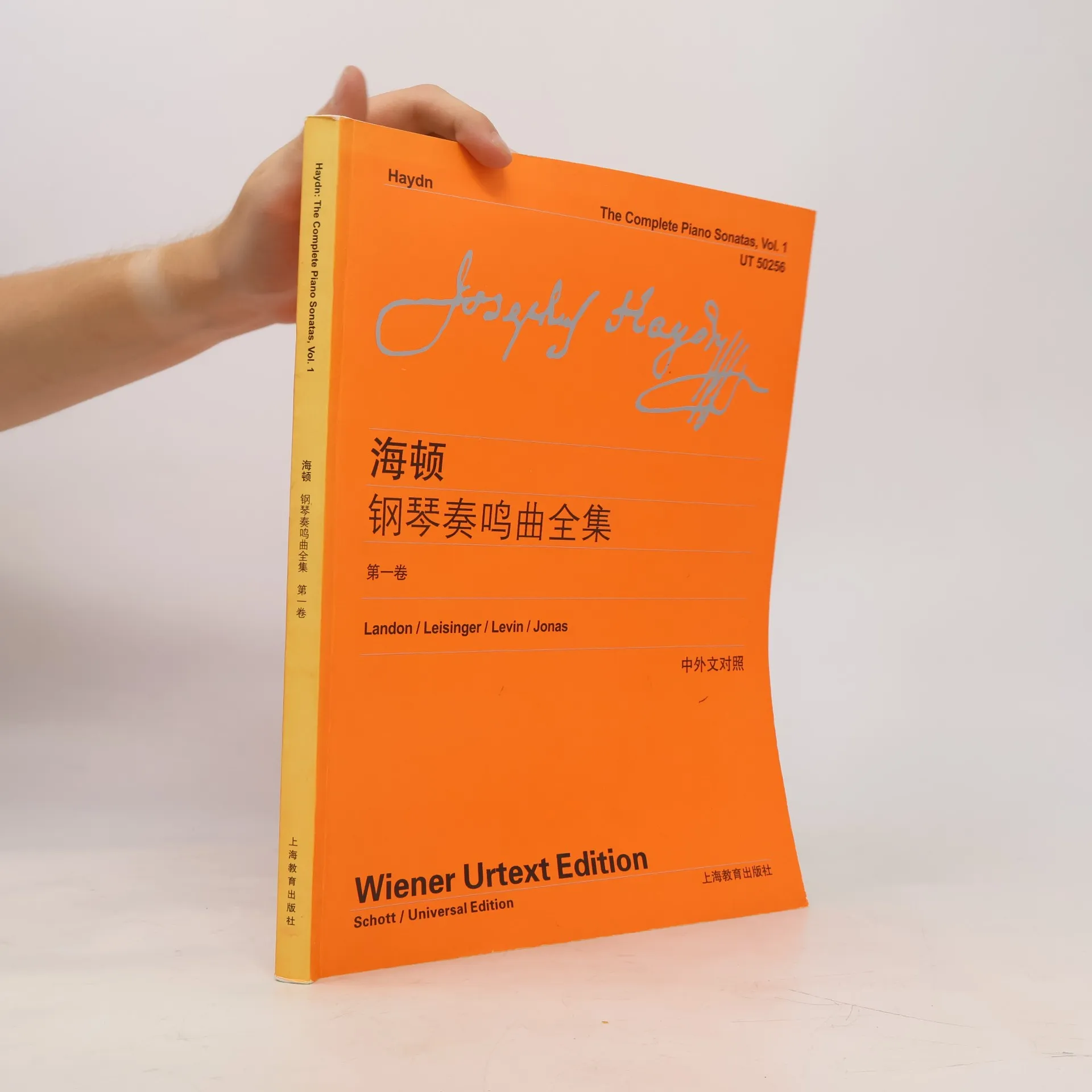
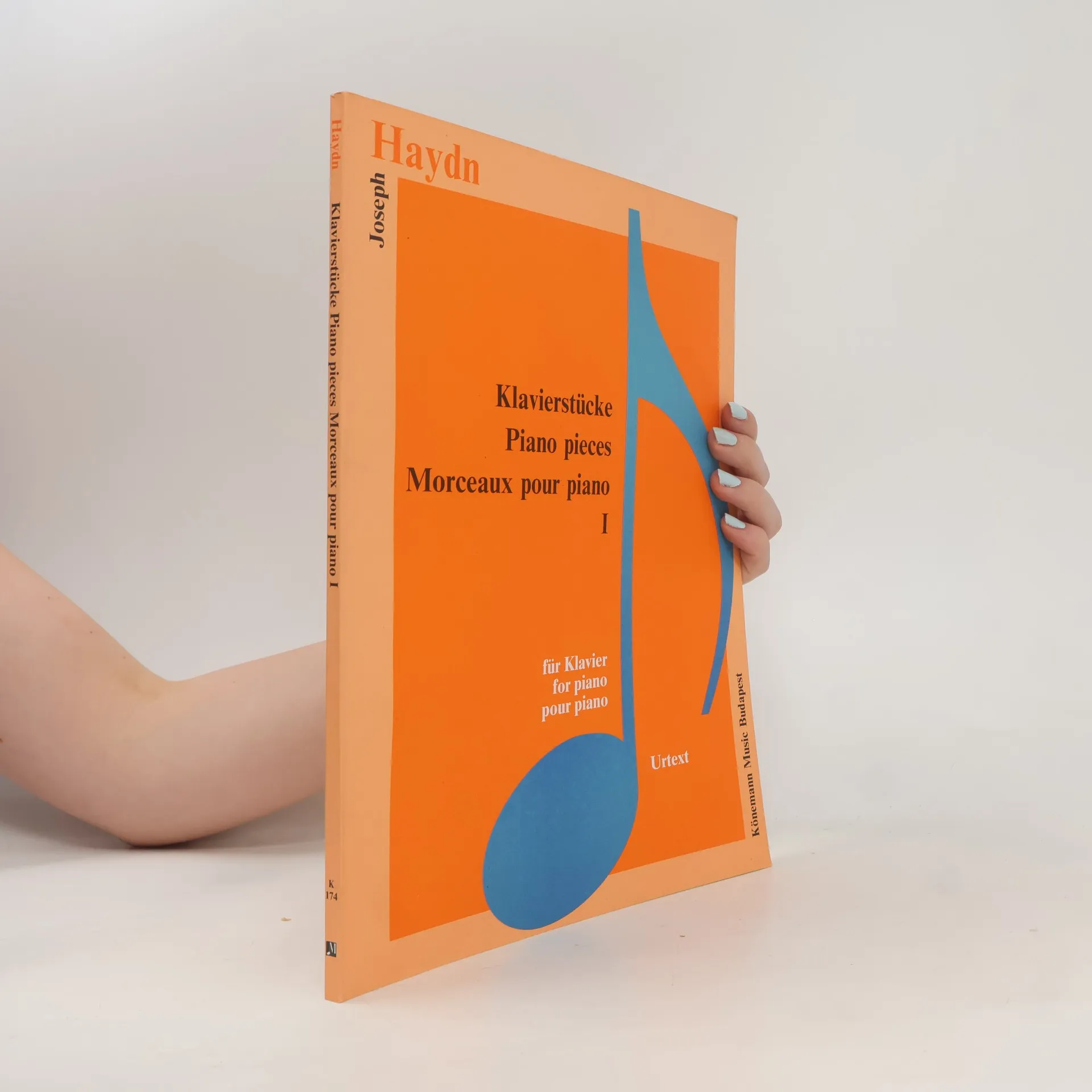
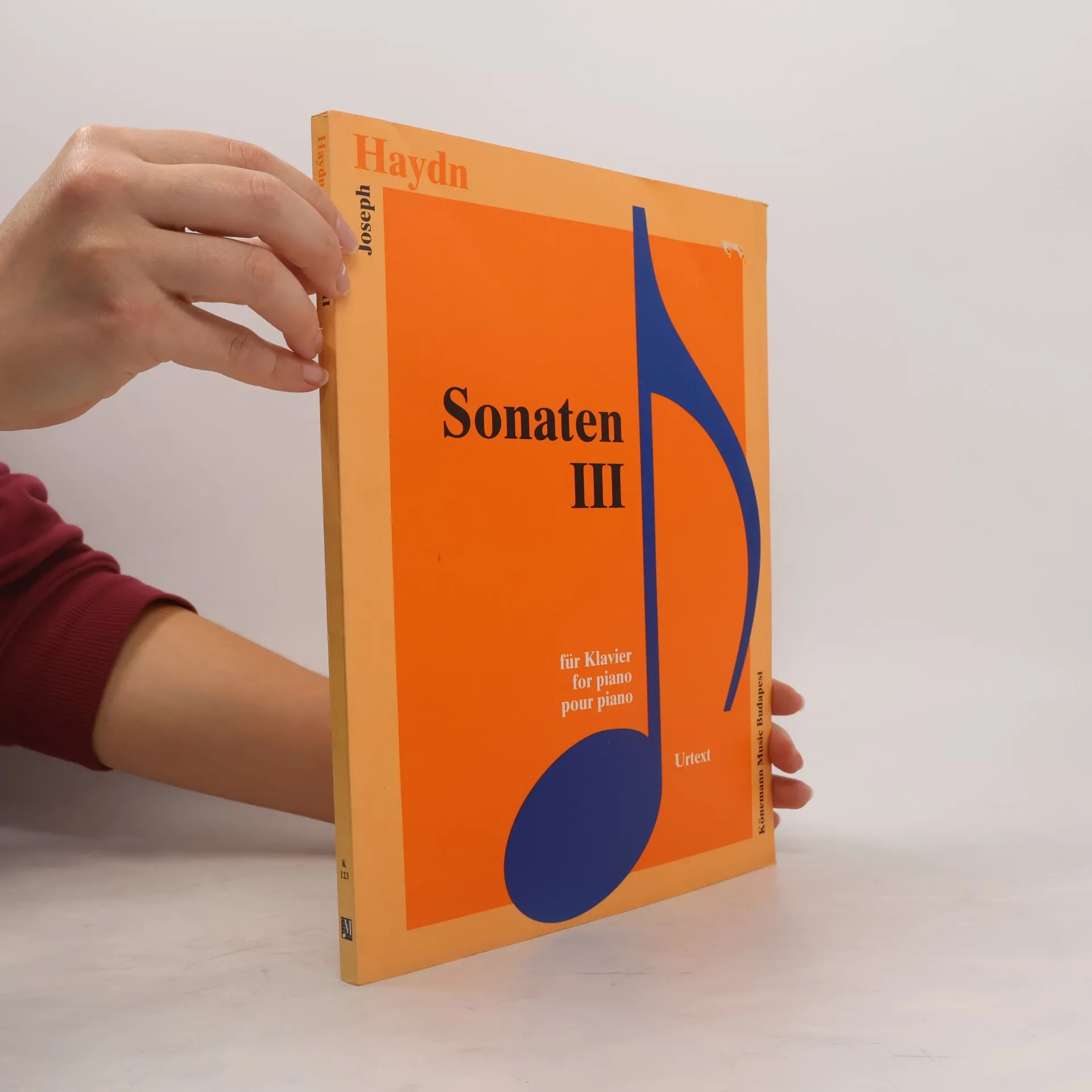
Für Klavier / For Piano / Pour Piano - Urtext
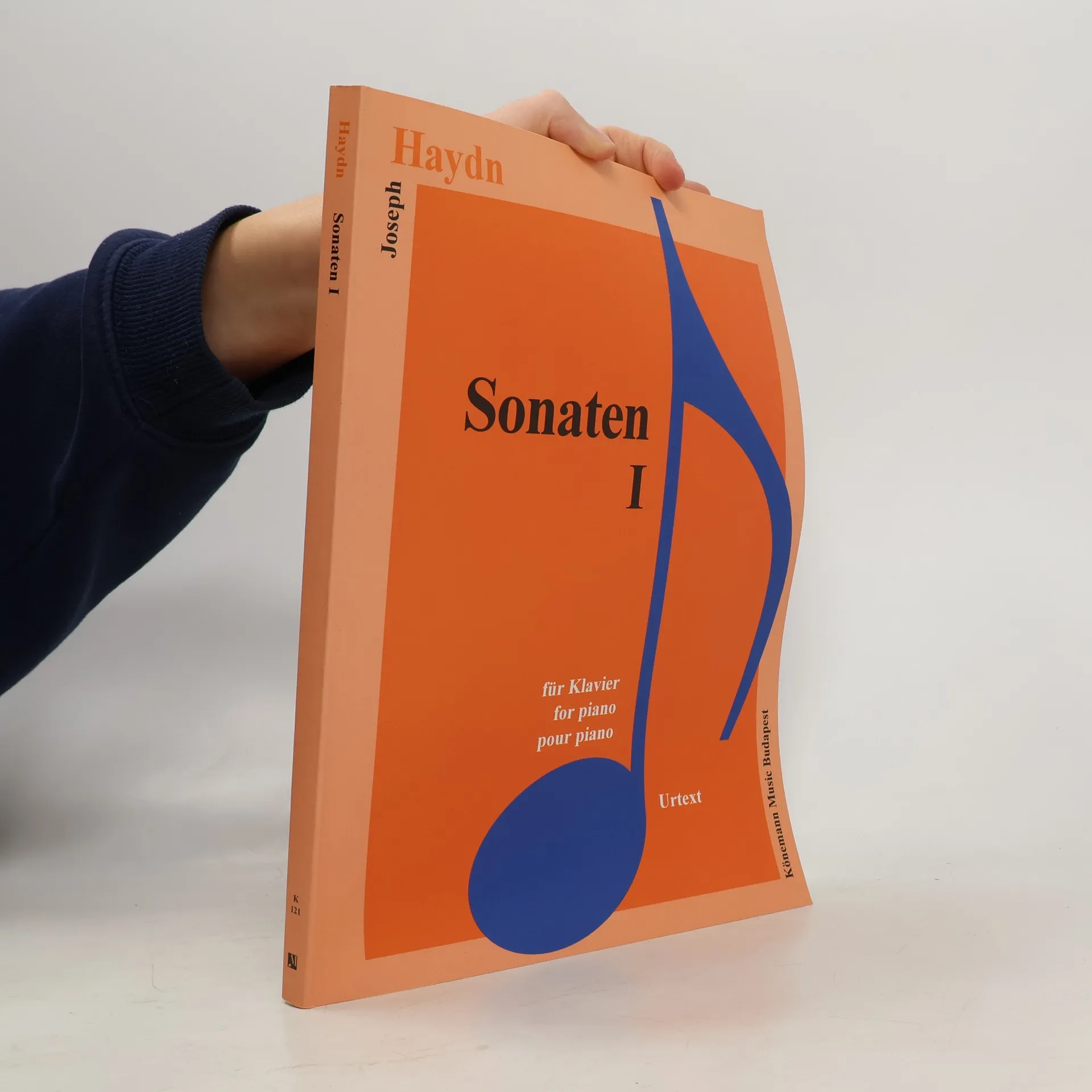
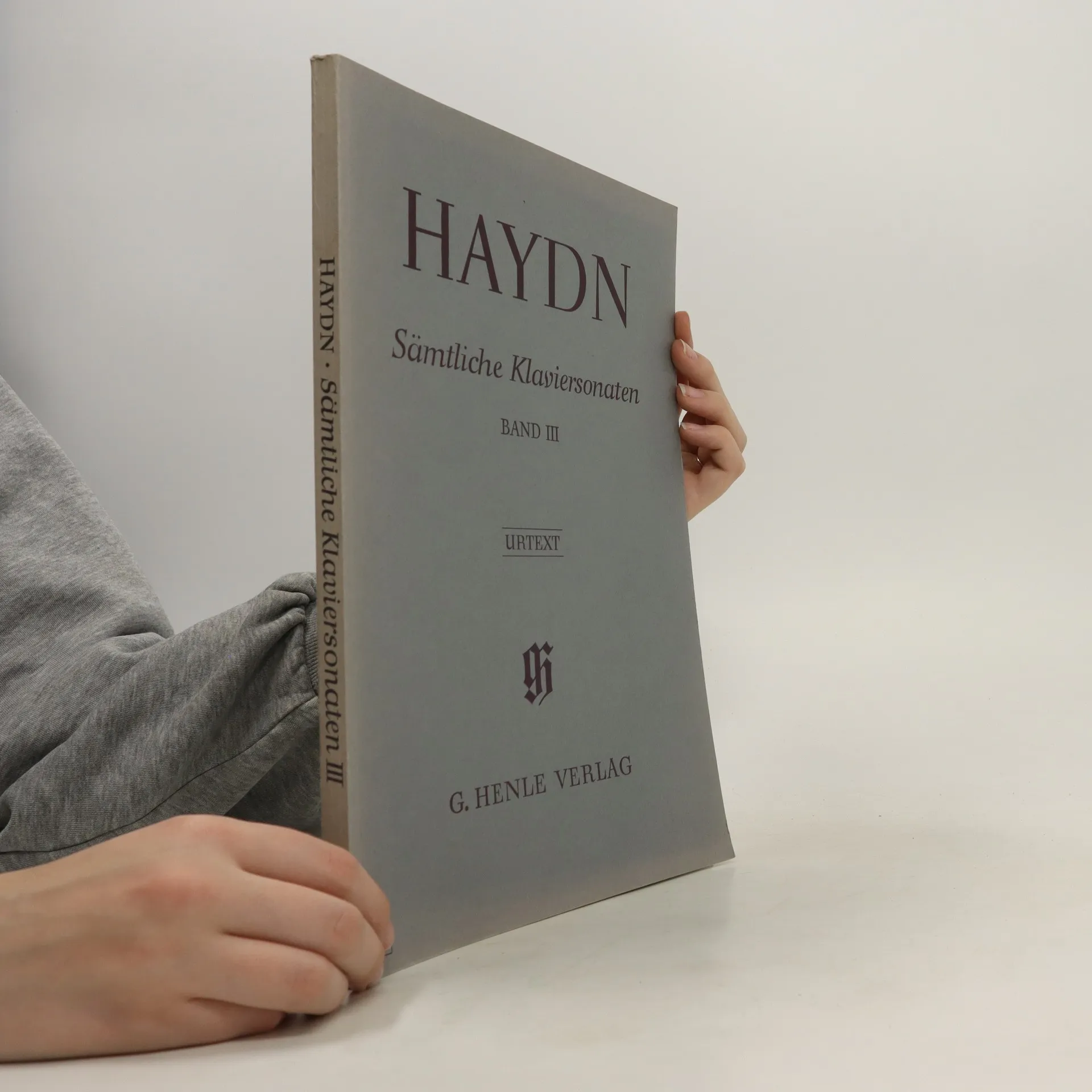
Diese Urtextausgabe von Haydns Klaviersonaten wurde direkt aus den frühesten zeitgenössischen Quellen, nämlich dem Autograph und/oder der Erstausgabe sowie Manuskriptkopien, erstellt. Die verwendeten Quellen für bestimmte Werke oder Werkgruppen sind in den Anmerkungen angegeben. Band drei folgt einer teilweise dokumentierten, teilweise spekulativen Chronologie. Umfassende Anmerkungen zum Quellenmaterial sind enthalten.
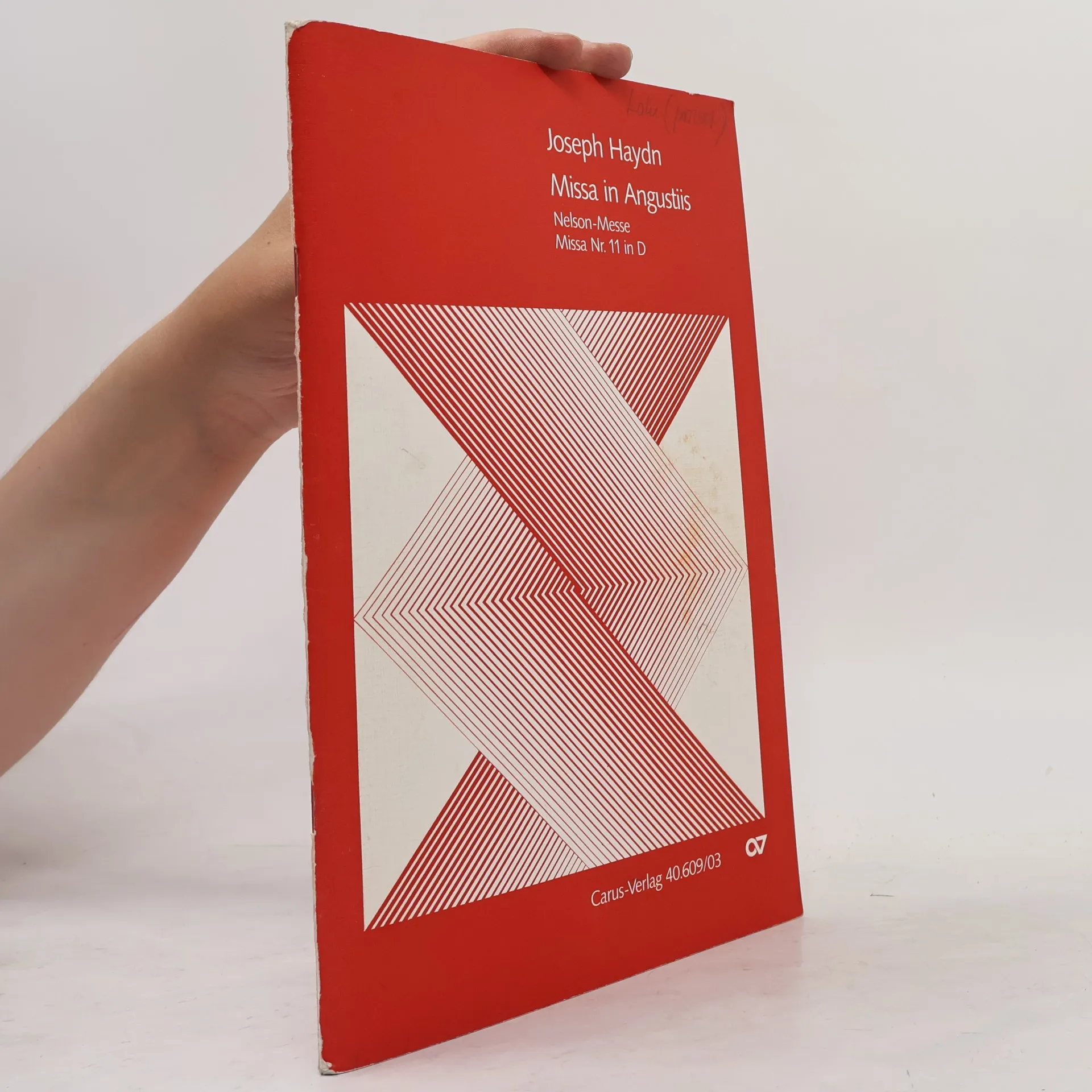
The "Missa" in D Minor, published here, the third of Haydn's six late masses, was written during the summer of 1798 between the two late oratorios. According to the dates given on Haydn's autograph score he completed the composition in less than eight weeks. The score bears no particular title, but in Haydn's manuscript thematic catalogue of his works he referred to it as "Missa in Angustiis". * Manufacturer CV40.609/03 * Vocal Score * Instrumentation (this edition): Piano Reduction, SATB Choir * Originally SATB Choir, Orchestra * Work Latin * Urtext / Critical Edition
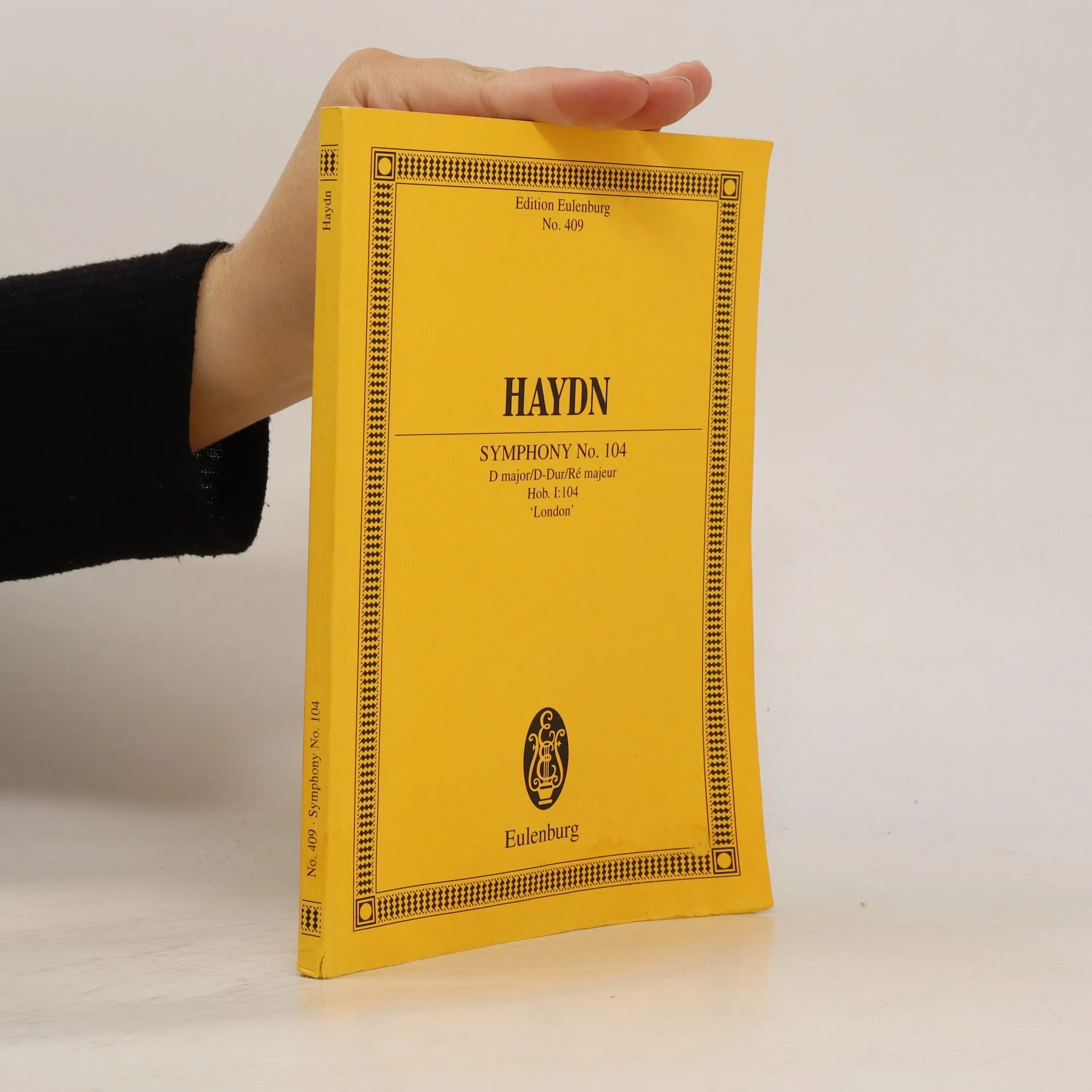
One of 12 symphonies Haydn composed in London from 1791 to 1795, this work delights listeners with its simplicity and immediate appeal, skillful use of folk-song melodies, and luminous orchestration. The full score appears with original instrumentation and ample margins for notes and analysis.
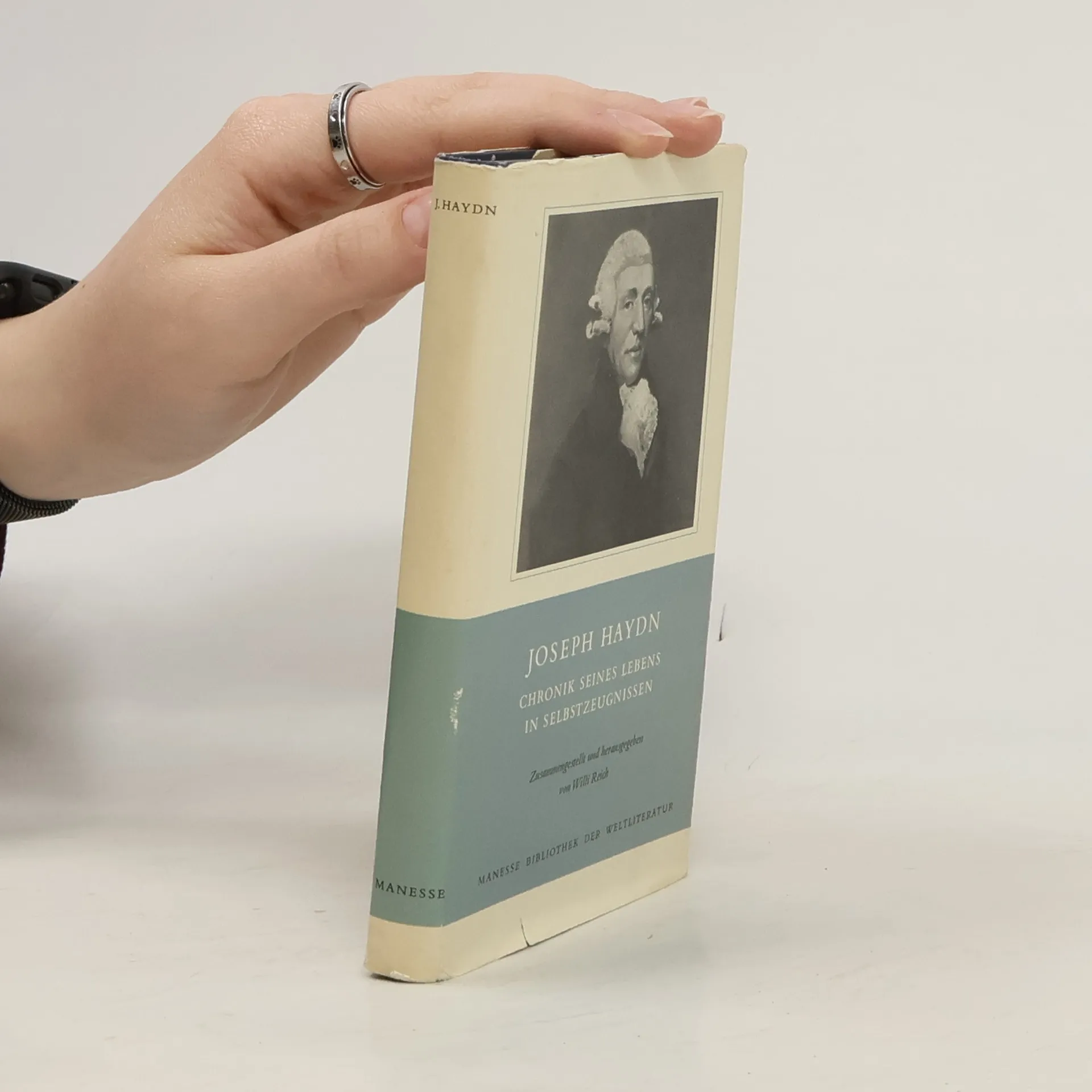
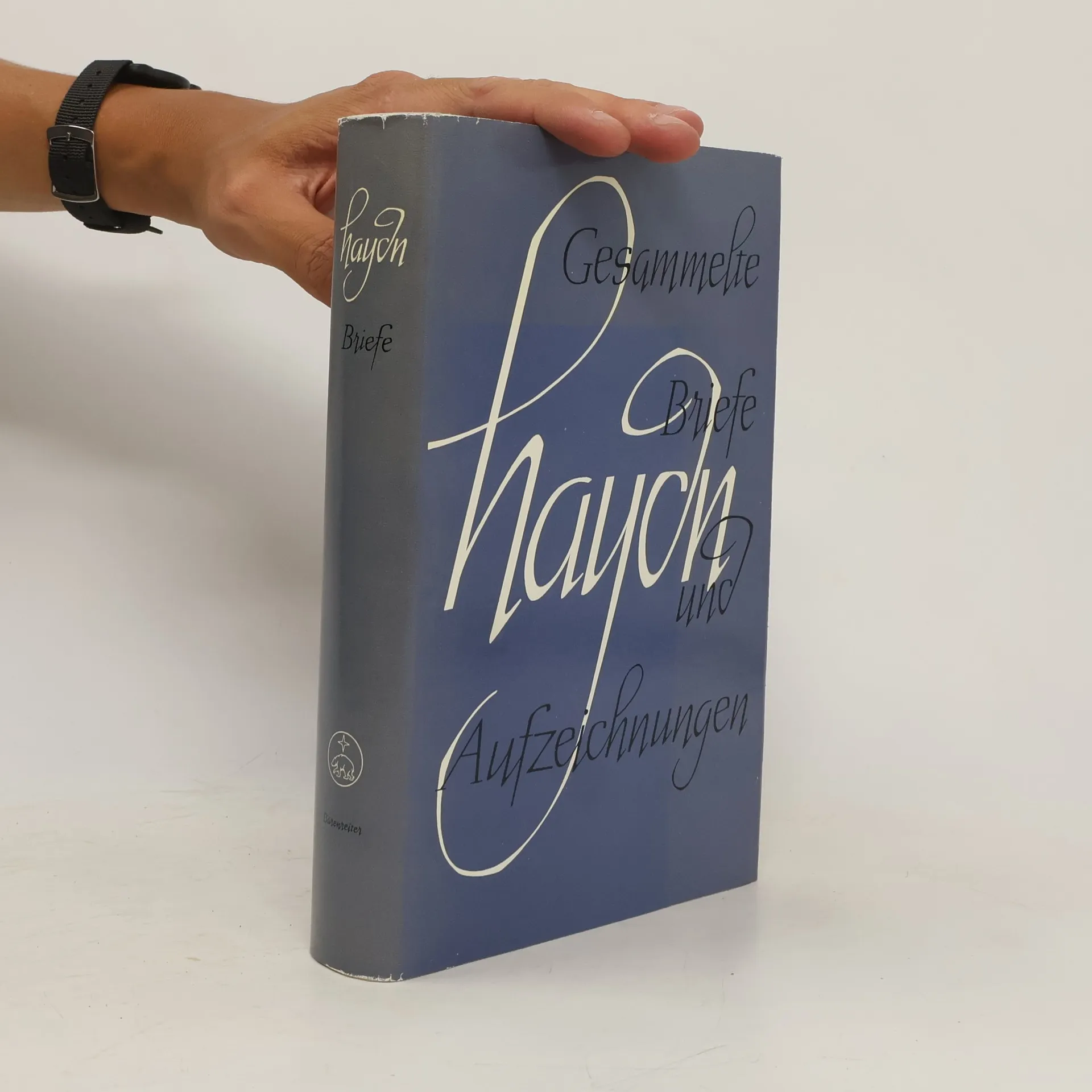
Chronik seines Lebens in Selbstzeugnissen
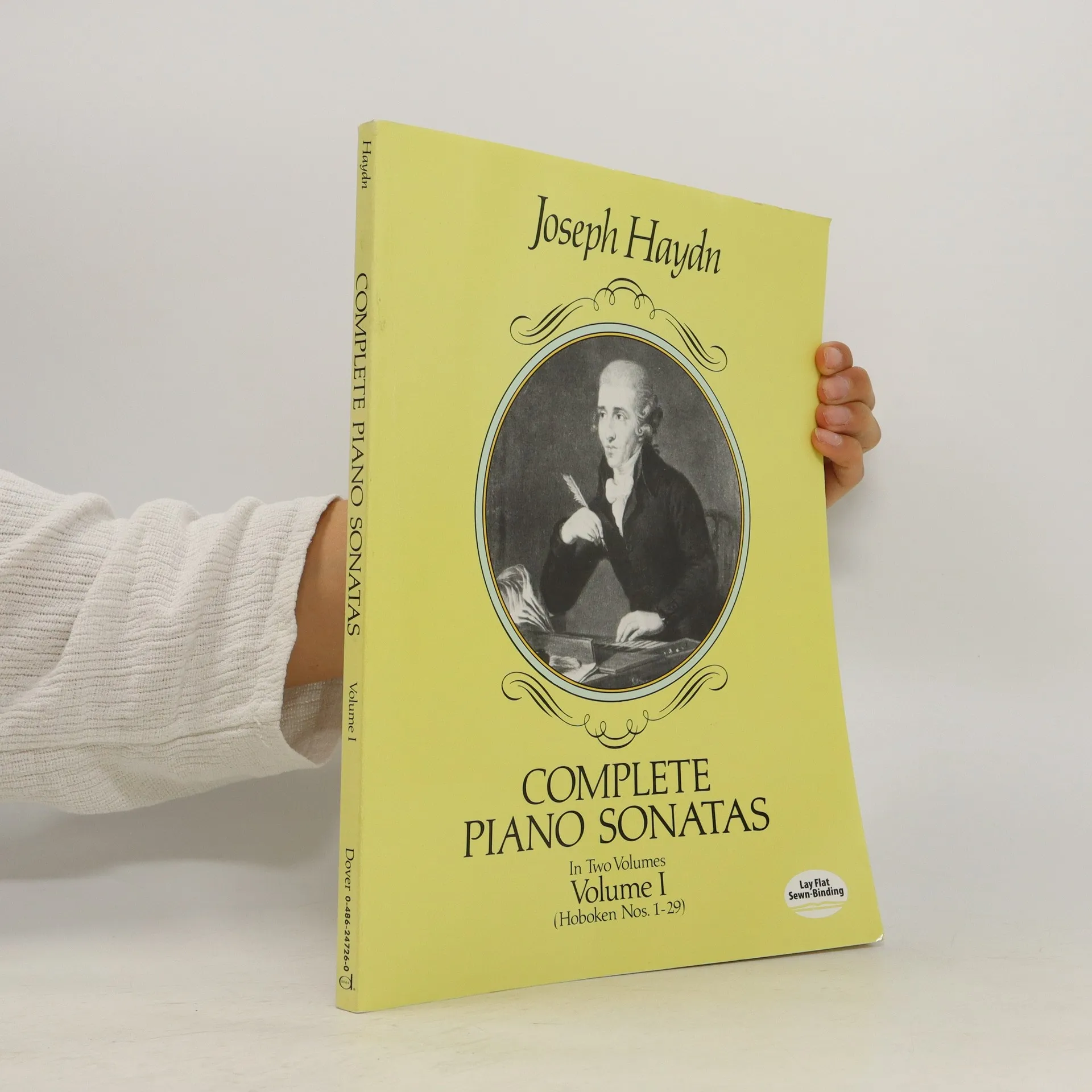
This item will not have finger numbers.The towering composer who perfected the early symphonic form and invented the modern string quartet also left his indelible mark on the sonata. During 50 years of inspired creative effort, Haydn experimented constantly with the sonata form, adding a clear thematic structure to the tonal design inherited from earlier composers.This comprehensive new playing edition contains 52 sonatas by the master — a treasury of keyboard compositions in which echoes of the baroque and harbingers of romanticism blend with the lucidity and elegance of 18th-century classicism. Here is a remarkably convenient and reliable presentation of more than 50 of Haydn's efforts in the form, from the early divertimento-like sonatas to the masterworks of the later years, culminating in the sublime Sonata No. 52 in E-flat Major.Reprinted in two volumes from an authoritative Breitkopf & Härtel edition, the sonatas are arranged in a chronological sequence based on recent scholarship. Extremely clear and readable, with ample space for notes, this Dover edition is a must for serious pianists, students, and music lovers in general. It is an excellent, inexpensive means to study and savor the inventive daring, freedom, and mastery that Haydn brought to the piano sonata.
Die Jahres-Zeiten
Joseph Haydn gilt zu Recht als Komponist von epochaler Bedeutung: Nicht nur auf dem Gebiet der Sinfonik und der Kammermusik setzte er Maßstäbe, auch seine Oratorien gelten als herausragende Beiträge zur Gattung. In seiner längst zum Standardwerk gewordenen Monografie betrachtet Karl Geiringer Leben und Werk gleichermaßen. So kommen nicht nur Liebhaber von Haydns Musik, sondern auch allgemein musikgeschichtlich interessierte Leser auf ihre Kosten. Für die um eine aktualisierte Bibliografie erweiterte Neuausgabe verfasste Armin Raab, ein ausgewiesener Haydn-Spezialist, das Vorwort. Karl Geiringer (1899–1989) studierte Musikwissenschaft in Wien und Berlin. 1923 Promotion. 1940–1962 Ordinarius an der Boston University, dann bis 1972 an der University of California. Zahlreiche Veröffentlichungen, darunter Biografien über Johann Sebastian Bach, die Familie Bach und Brahms. Träger des Ehrenkreuzes für Kunst und Wissenschaft (Österreich) sowie des Großen Ehrenzeichens für Verdienste um die Republik Österreich. Armin Raab studierte Musikwissenschaft, Theaterwissenschaft und Germanistik in Erlangen. 1988 Promotion. 1989–1992 Mitarbeiter des Beethoven-Archivs Bonn. 1993 Wechsel ans Joseph Haydn-Institut, Köln, seit 1997 dessen Wissenschaftlicher Leiter. Zahlreiche Publikationen, vor allem zu Haydn, Mozart und Beethoven.