

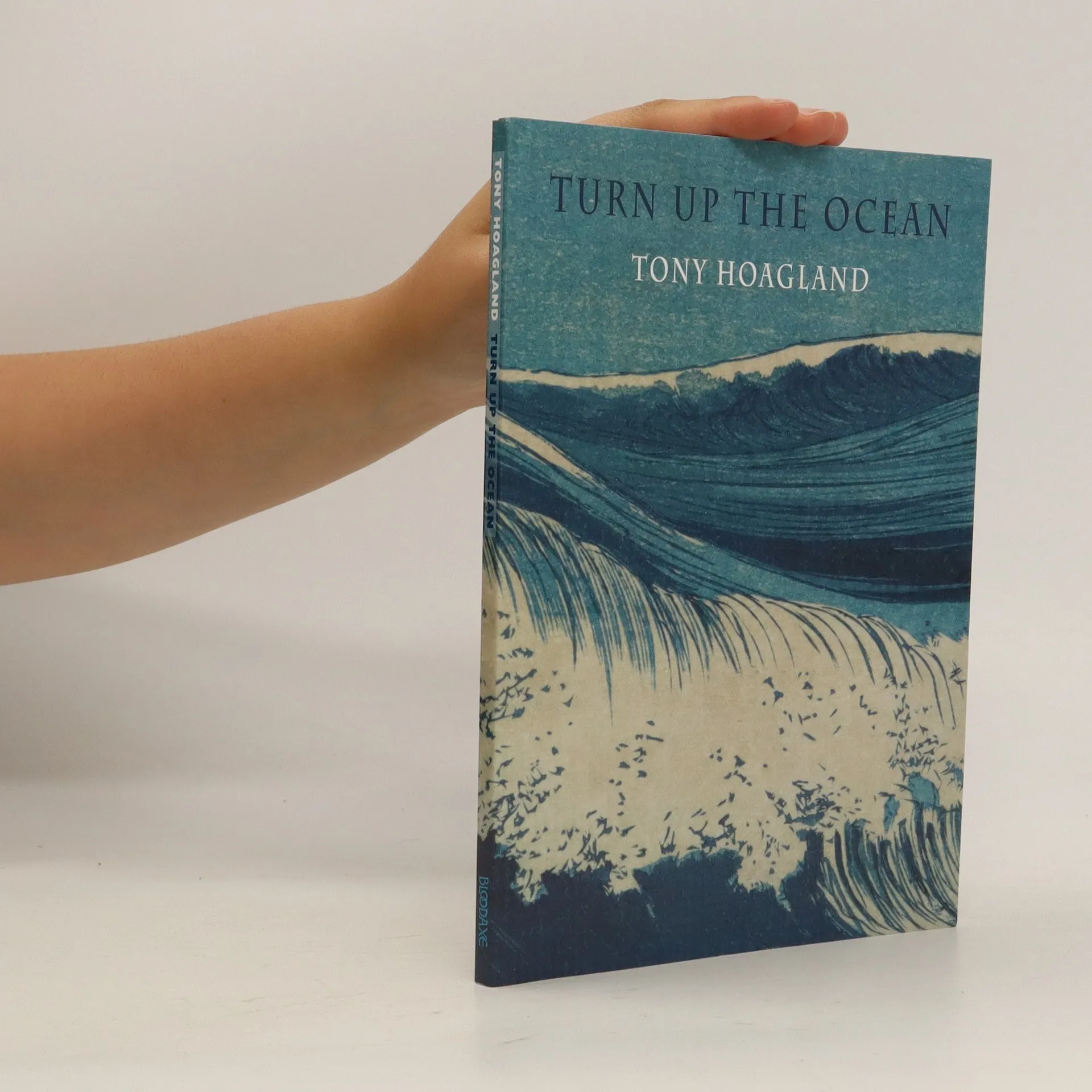
The final book of poems by Tony Hoagland, “one of the most distinctive voices of our time” (Carl Dennis).Over the course of his celebrated career, Tony Hoagland ventured fearlessly into the unlit alleys of emotion and experience. The poems in Turn Up the Ocean examine with an unflinching eye and mordant humor the reality of living and dying in a time and culture that conspire to erase our inner lives. Hoagland’s signature wit and unparalleled observations take in long-standing injustices, the atrocities of American empire and consumerism, and our ongoing habit of looking away. In these poems, perseverance depends on a gymnastics of skepticism and comedy, a dogged quest for authentic connection, and the consolations of the natural world. Turn Up the Ocean is a remarkable and moving collection, a fitting testament to Hoagland’s devotion to the capaciousness and art of poetry.
Tony Hoagland Bücher
Anthony Dey Hoagland verbrachte seine prägenden Jahre auf verschiedenen Militärbasen im Süden der USA, geprägt durch die Karriere seines Vaters als Armeearzt. Seine reiche Bildungsreise umfasste Stationen am Williams College, an der University of Iowa und an der University of Arizona, wo er seinen MFA erwarb. Bevor Hoagland sich dem Schreiben widmete, sammelte er eine Vielzahl von Erfahrungen, von landwirtschaftlicher Arbeit im Nordwesten bis zum Leben in Kommunen. Später trug er zur Literaturszene bei, indem er Kreatives Schreiben an der University of Houston unterrichtete und neue Talente förderte.
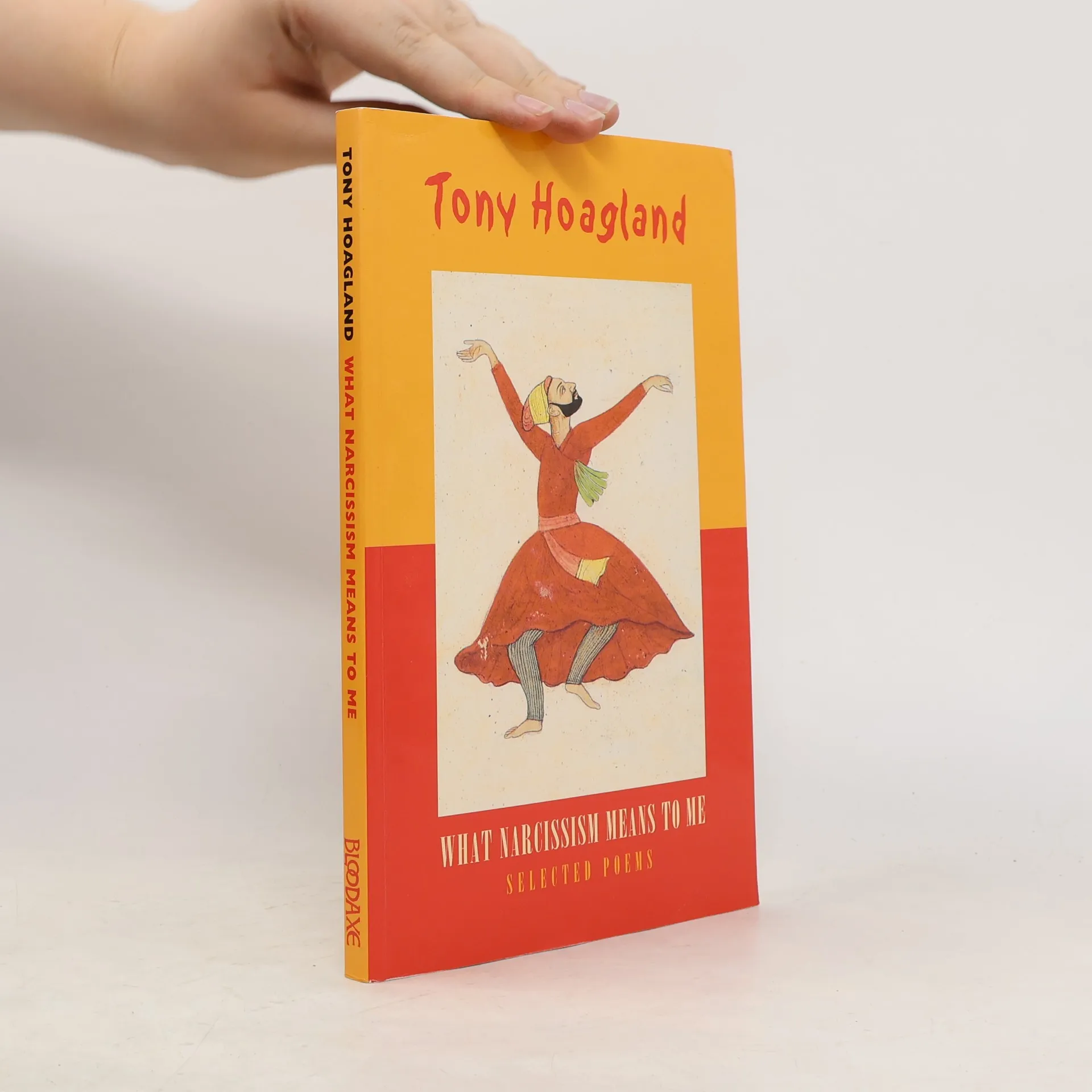
What Narcissism Means to Me
- 144 Seiten
- 6 Lesestunden
Tony Hoagland's zany poems poke and provoke at the same time as they entertain and delight.