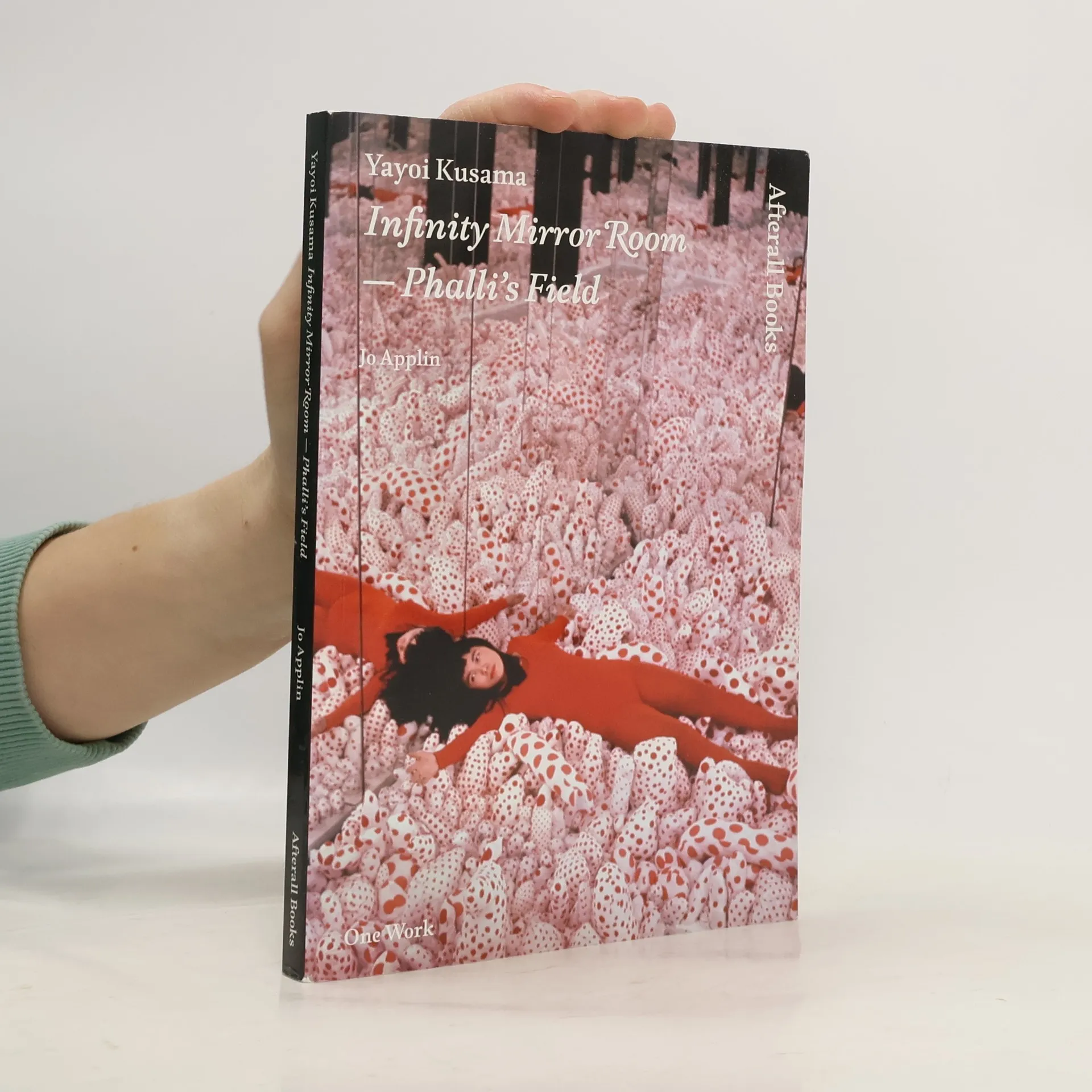
This study explores Kusama's groundbreaking installation, a "sublime, miraculous field of phalluses," within the contexts of abstraction, eroticism, sexuality, and softness. Nearly fifty years after the debut of Infinity Mirror Room--Phalli's Field (1965) in New York, the work remains elusive and challenging to categorize. It oscillates between Pop and Surreal, Minimal and metaphorical, figurative and abstract, psychotic and erotic, reflecting the essence of the 1960s while rejecting the era's dominant aesthetics. The installation features mirrored panels and a carpet of hundreds of brightly polka-dotted soft fabric protrusions, immersing visitors in its unique experience. Kusama referred to it simply as "a sublime, miraculous field of phalluses." As a precursor to performance-based feminist art, media pranksterism, and "Occupy" movements, Kusama (born 1929) was once as prominent as her contemporaries—Andy Warhol, Donald Judd, and Joseph Cornell. In this first monograph on this iconic work, Jo Applin examines the installation in detail, situating it within the broader landscape of art practice and theory, as well as Kusama's own "obsessional art." Applin also explores Kusama's connections to contemporaries engaged with environments, abstract-erotic sculpture, and mirrors, offering fresh perspectives on the works of Lee Lozano, Claes Oldenburg, Louise Bourgeois, and Eva Hesse in relation to Kusama's influence.
Jo Applin Reihenfolge der Bücher (Chronologisch)