

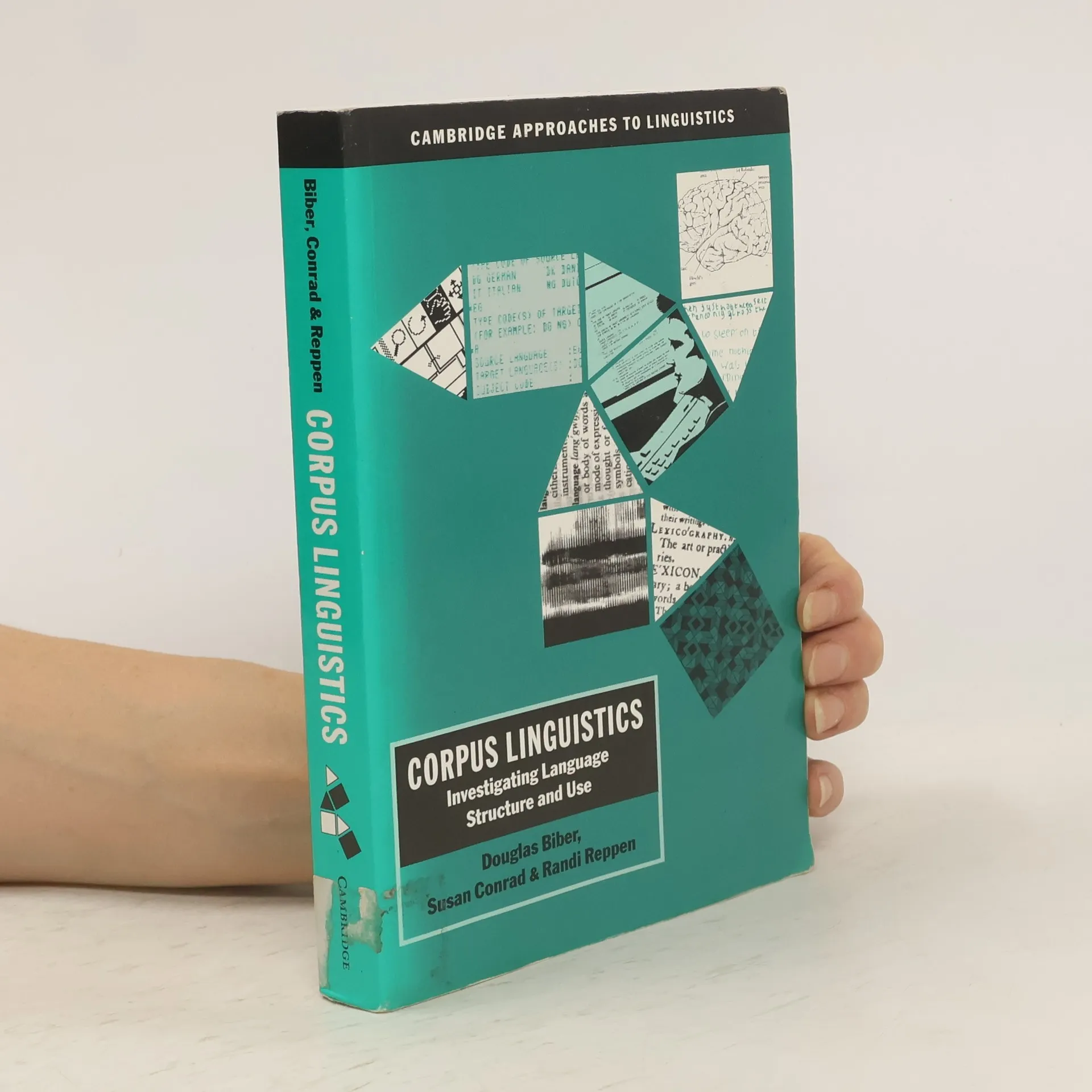
An investigation into the way people use language in speech and writing, this volume introduces the corpus-based approach, which is based on analysis of large databases of real language examples stored on computer.
Susan Conrad Bücher
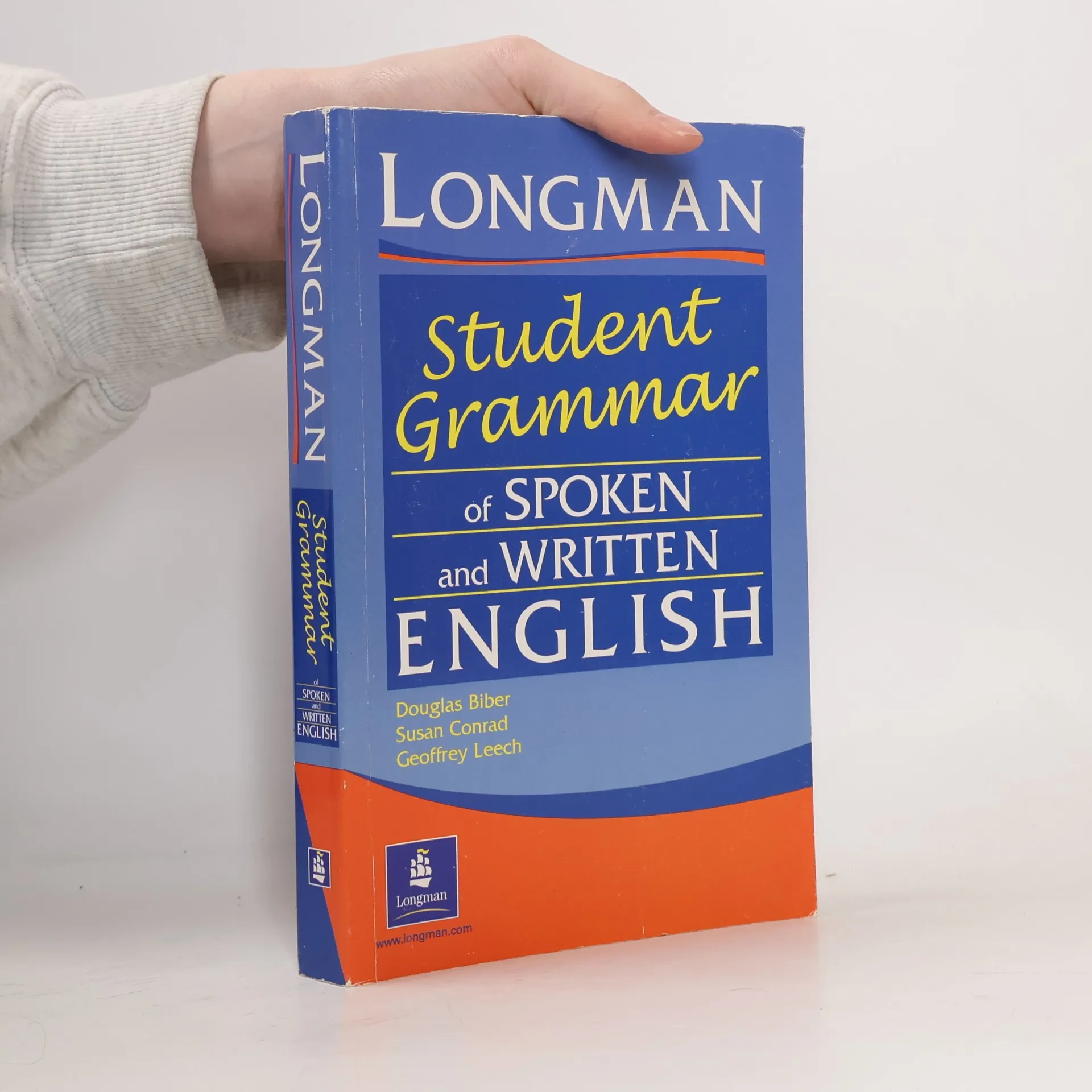
This is an advanced grammar reference. It combines explanations of English grammar with information on how, when and why we use different structures. It shows the differences between spoken and written grammar and includes frequency information of the most common forms.
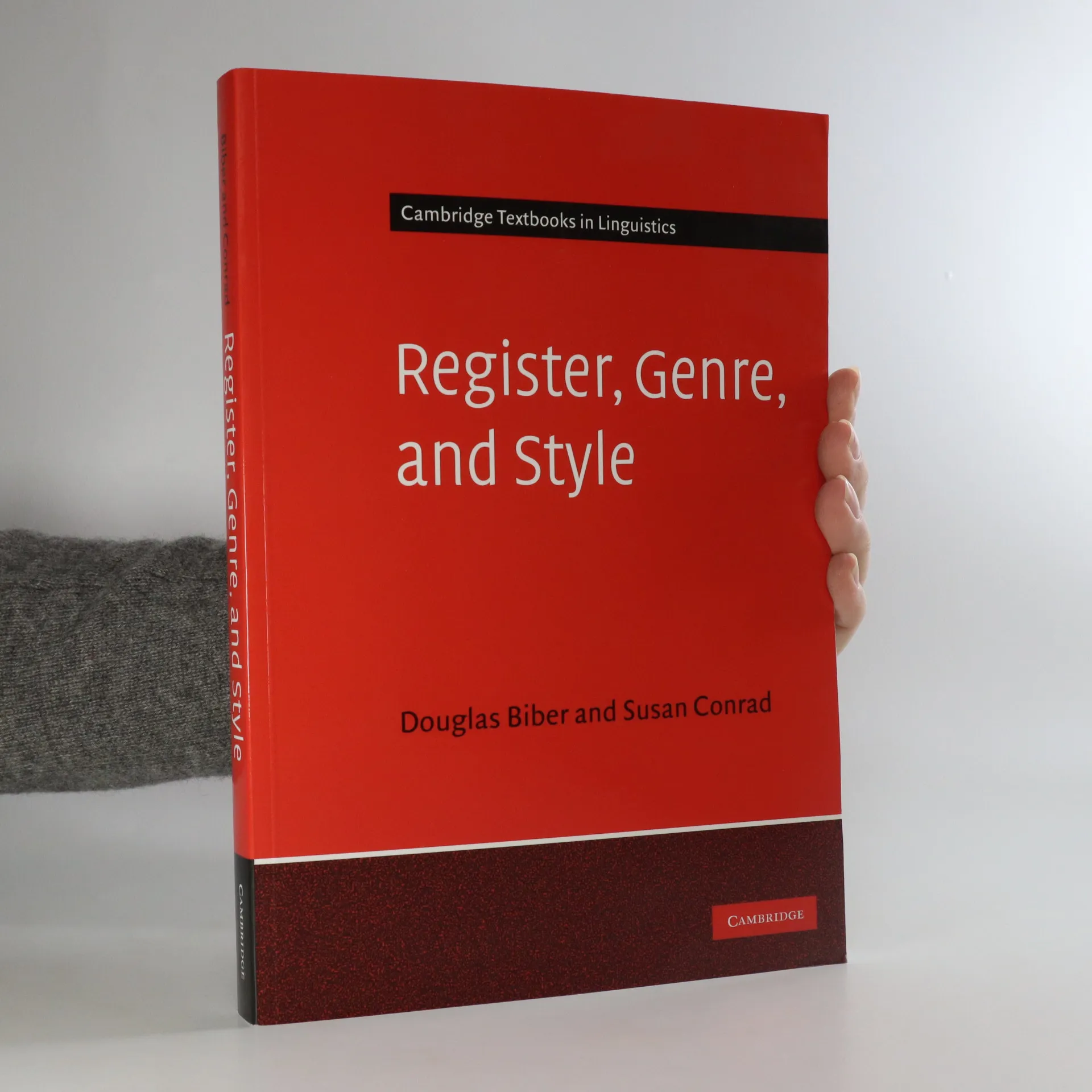
This book describes the most important kinds of texts in English and introduces the methodological techniques used to analyse them. Three analytical approaches are introduced and compared, describing a wide range of texts from the perspectives of register, genre and style. The primary focus of the book is on the analysis of registers. Part 1 introduces an analytical framework for studying registers, genre conventions, and styles. Part 2 provides detailed descriptions of particular text varieties in English, including spoken interpersonal varieties (conversation, university office hours, service encounters), written varieties (newspapers, academic prose, fiction), and emerging electronic varieties (e-mail, internet forums, text messages). Finally, Part 3 introduces advanced analytical approaches using corpora, and discusses theoretical concerns, such as the place of register studies in linguistics, and practical applications of register analysis. Each chapter ends with three types of activities: reflection and review activities, analysis activities, and larger project ideas.