
Gratis Versand ab € 14,99. Mehr Infos.
Bookbot

Mark McGillivray

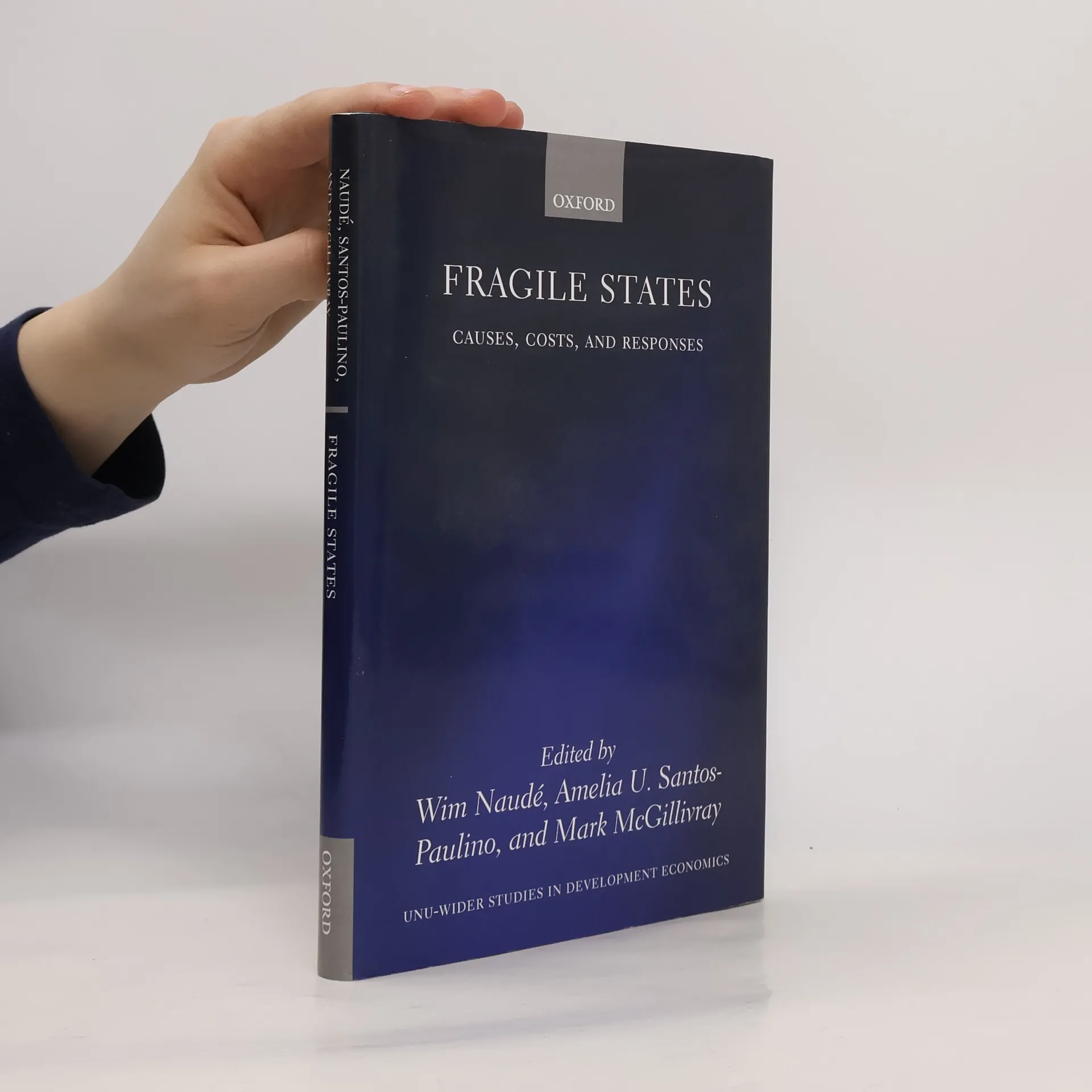
    UNU-WIDER Studies in Development Economics: Fragile States
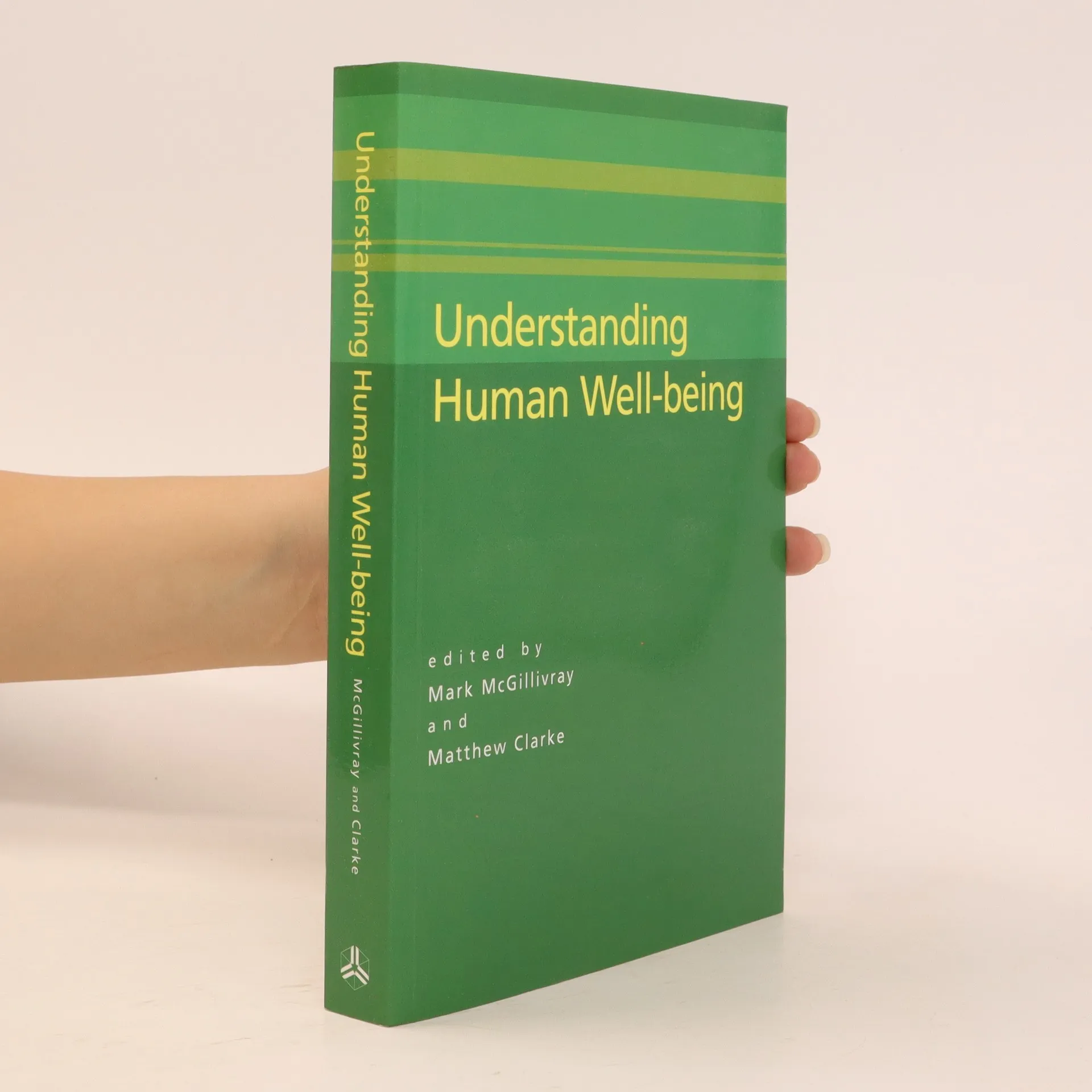
    Understanding Human Well-being
    • Understanding Human Well-being

      • 386 Seiten
      • 14 Lesestunden

      With more than a billion people living on less than one dollar per day, human well-being is a core issue for both researchers and policymakers. The Millennium Development Goals are a powerful reminder of this point. We now know more about human well-being and the related concepts of poverty and inequality than ever before, as a result of many conceptual and methodological advances and better data. Yet despite this progress, the vitality of underlying concepts and the quality of data are repeatedly challenged and still leave much to be desired, particularly with regard to the world's poorest countries. This book looks at advances in underlying well-being, poverty, and inequality concepts and corresponding empirical measures and case studies. Traditional monetary concepts and measurements are examined as well as educational achievement, longevity, health, and subjective well-being. Among the measures examined is the Human Development Index, which has done much to refocus attention on the importance of nonmonetary measures of human wellbeing. Chapters review pre-existing concepts and measures, with a view of future developments, while others propose new concepts or measures.

      Understanding Human Well-being
    • UNU-WIDER Studies in Development Economics: Fragile States

      Causes, Costs, and Responses

      • 232 Seiten
      • 9 Lesestunden

      Overcoming state fragility is a crucial international development objective in the 21st century, as many fragile states have devolved into failed states, leaving millions in deprivation. These states often lack the authority, legitimacy, and capacity necessary for advancing development, posing significant challenges for policy design and implementation. Key questions arise regarding the effective delivery of aid in contexts where governments cannot absorb or utilize it. Additionally, fragile states can adversely affect their neighbors and the global community, leading to increased insecurity, out-migration, displaced populations, and environmental degradation. This work explores the extensive global repercussions of state fragility, contributing to the discourse on its causes, costs, and necessary responses. It targets scholars, policymakers, and donors focused on conflict and development, aiming to enhance understanding of how to foster strong, accountable states. Such states can promote human well-being, bolster household resilience against shocks, and create effective partnerships to maximize development assistance benefits.

      UNU-WIDER Studies in Development Economics: Fragile States