Generally Accepted Accounting Principles (GAAP) are used as the basis for financial reporting. The original GAAP documents span thousands of pages, and so are difficult to research. The GAAP Guidebook solves this problem by condensing GAAP into a single volume. This book describes the key elements of each topic, how accounting information is disclosed, and where to look in the FASB Codification source documents for additional information. The text contains hundreds of practical examples that show how to apply GAAP to real-world situations, as well as sample journal entries and usage tips. In short, the GAAP Guidebook serves as a handy reference for accountants who need quick answers to difficult problems.
Steven M. Bragg Reihenfolge der Bücher (Chronologisch)
1. Jänner 1960




Corporate Finance: Third Edition
- 272 Seiten
- 10 Lesestunden
A thorough knowledge of finance is needed in order to successfully operate a business of any size. Corporate Finance concentrates on the finance essentials needed to run a business, including fund raising, internal cash management, and the deployment of funds to dividends, capital expenditures, investments, and acquisitions. It addresses such core issues as how to develop an appropriate capital structure and determine the best types of available funding. The book also covers risk management for foreign exchange and interest rates. In short, Corporate Finance provides the finance professional with a complete toolkit of solutions.
Generally Accepted Accounting Principles (GAAP) are used as the basis for financial reporting. The original GAAP documents span thousands of pages, and so are difficult to research. The GAAP Guidebook solves this problem by condensing the key elements of GAAP into a single volume. This book describes each accounting topic, how accounting information is to be disclosed, and where to look in the GAAP source documents for additional information. The text contains hundreds of practical examples that show how to apply GAAP to real-world situations, as well as sample journal entries and usage tips.
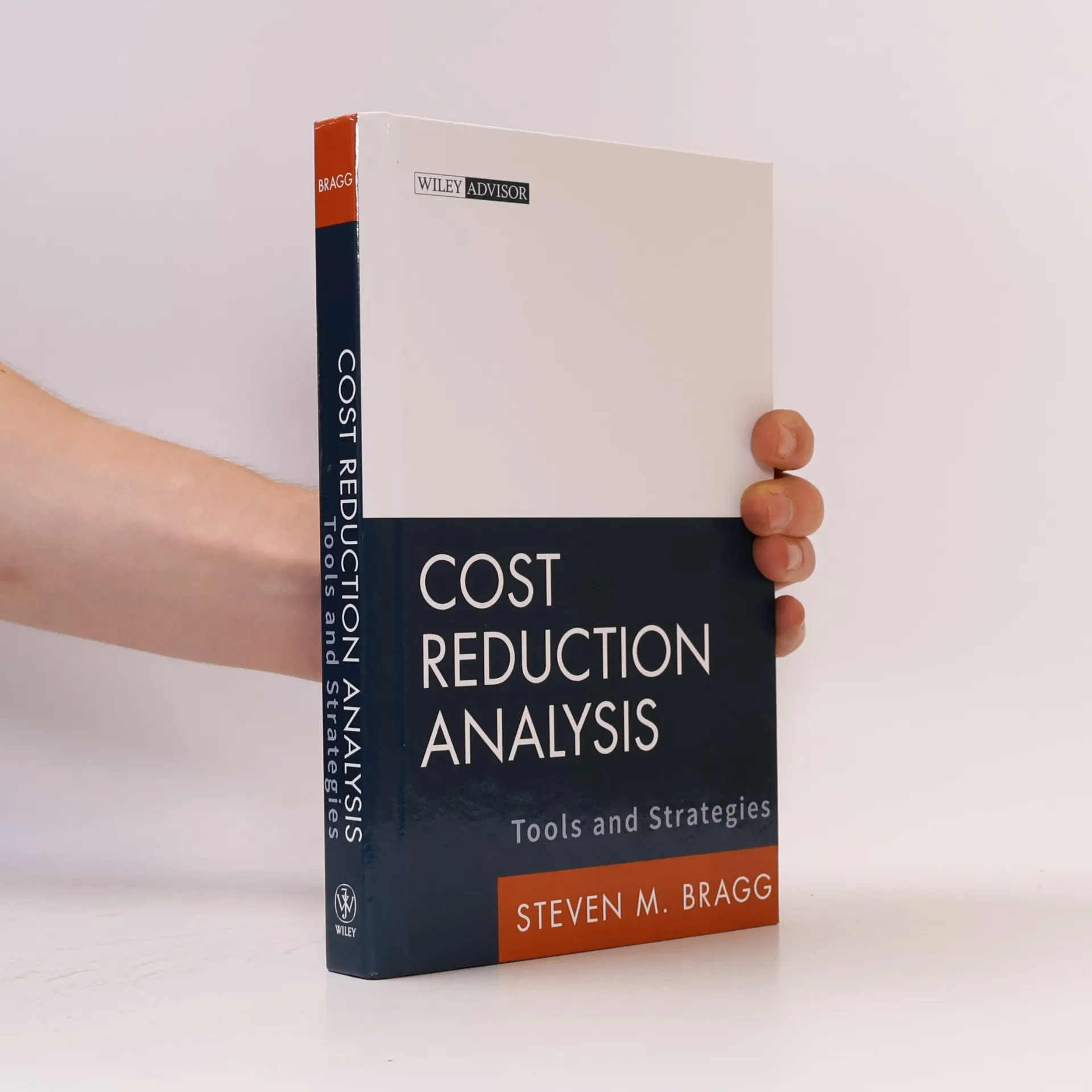
Discover the tools for knowing the costs your company should cut, without impacting its ability to deliver goods and services New from Steve Bragg, this book provides the tools for determining which costs a company should cut, without impacting its ability to deliver goods and services. It explains how to use throughput analysis in order to locate bottleneck operations in a company, which in turn dictates where capital investments should (and should not) be made. Cost Reduction Analysis: Tools and Strategies provides examples to show how much cost can potentially be eliminated to avoid drastic action later that can imperil your corporation's direction and future.
Treasury management the practitioner's guide
- 304 Seiten
- 11 Lesestunden
TREASURY MANAGEMENT The Practitioner's Guide Treasury Management: The Practitioner's Guide describes all aspects of the treasury function. This comprehensive book includes chapters covering the treasury department, cash transfer methods, cash forecasting, cash concentration, working capital management, debt management, equity management, investment management, foreign exchange risk management, interest risk management, clearing and settlement systems, and treasury systems. If you are a treasurer, CFO, cash manager, or controller, Treasury Management: The Practitioner's Guide allows you to quickly grasp the real world of treasury management and the many practical and strategic issues faced by treasurers and financial professionals today.
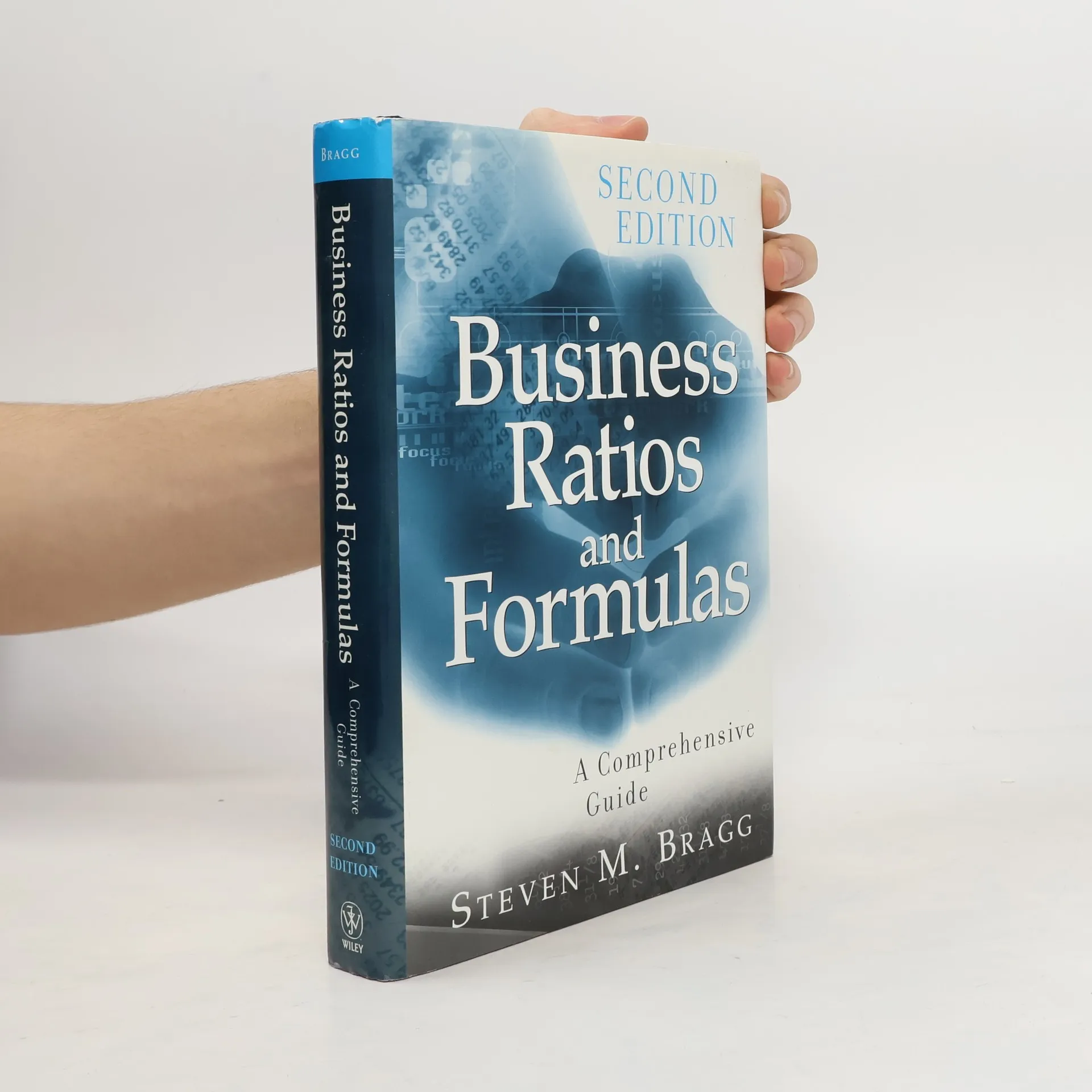
Required reading for anyone starting, running, or growing a business, Business Ratios and Formulas, Second Edition puts answers at the fingertips of business managers, with nearly 250 operational criteria and clear, easy-to-understand explanations that can be used right away. The Second Edition includes approximately fifty new ratios and formulas, as well as new chapters covering ratios and formulas for e-commerce and human resources.
Written for controllers, CFOs, accounting managers, and business managers, Fast Close incorporates Steven Bragg’s own personally tested guidelines to help professionals speed up the closing process, especially in response to Sarbanes-Oxley’s more time-sensitive requirements. Bragg outlines numerous key improvements that, when gradually implemented together, are guaranteed to shrink the closing process down to as little as one day. Chock-full of helpful flowcharts and checklists to help readers prevent delays and bring accounting department closing procedures up to date, Fast Close explores specific instructions for closing faster, common areas of delay and how to overcome them, required controls to keep financials accurate despite the fast close, and much more. Create financial statements faster . . . much faster . . . with the expert guidance found in Steven Bragg’s Fast Close .