

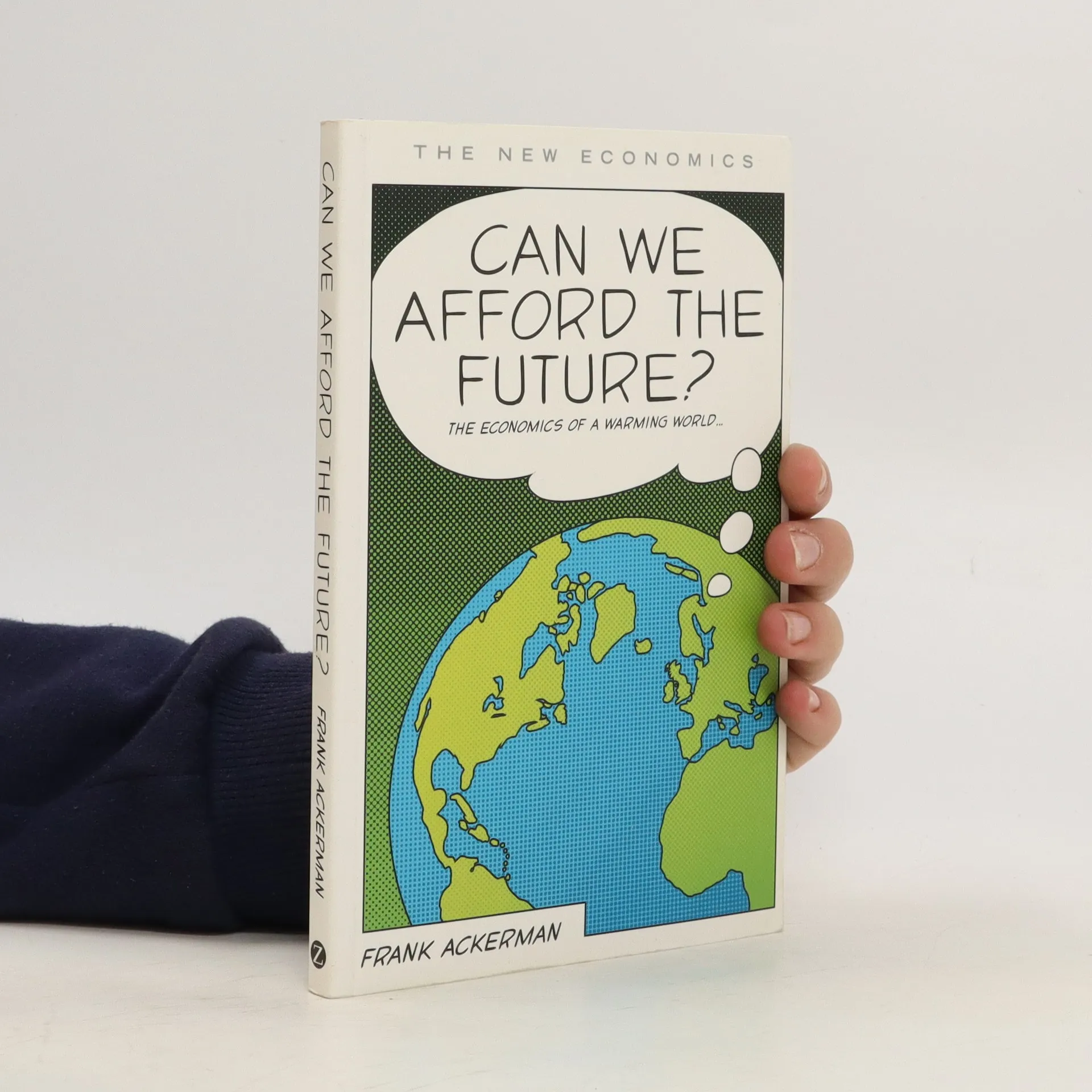
According to many scientists, climate change is a growing threat to life as we know it, requiring a large-scale, immediate response. According to many economists, climate change is a moderately important problem; the best policy is a slow, gradual start, to avoid spending too much. They can't both be right.In this book, Frank Ackerman offers a refreshing look at the economics of climate change, explaining how the arbitrary assumptions of conventional theories get in the way of understanding this urgent problem. The benefits of climate protection are vital but priceless, and hence often devalued in cost-benefit calculations. Preparation for the most predictable outcomes of global warming is less important than protection against the growing risk of catastrophic change; massive investment in new, low carbon technologies and industries should be thought of as life insurance for the planet.Ackerman makes an impassioned plea to construct a better economics, arguing that the solutions are affordable and the alternative is unthinkable. If we can't afford the future, what are we saving our money for?Can we Afford the Future? is part of The New Economics series, which uses the ideas behind a new, more human economics to provide a fresh way of looking at major contemporary issues.
Frank Ackerman Reihenfolge der Bücher (Chronologisch)
N/A
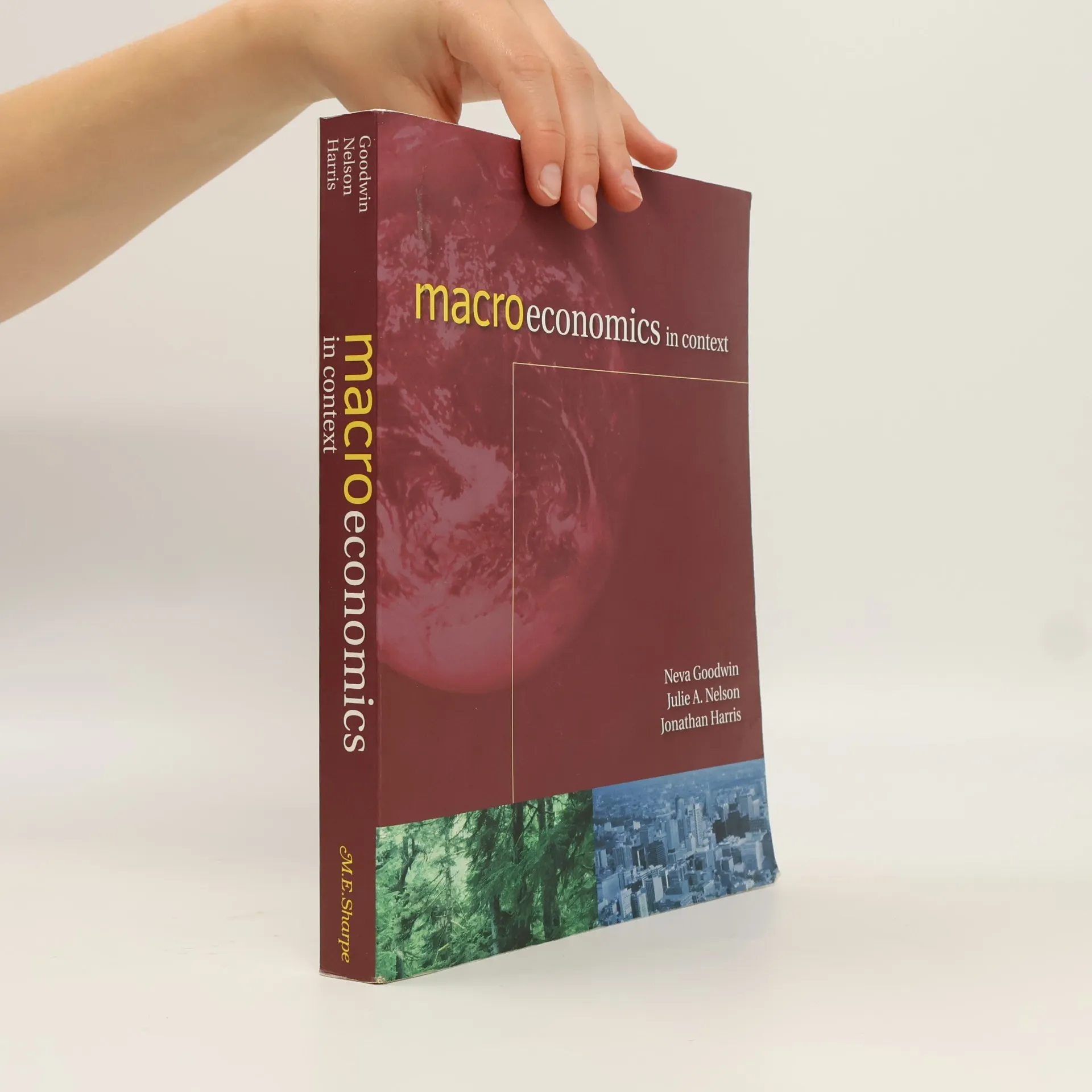
Designed for a single-semester undergraduate course, this introductory economics textbook updates traditional macroeconomics to encompass twenty-first century concerns. In contrast to standard texts, the book starts with the question of human well-being, and then examines how economic activities can contribute to or detract from it."Macroeconomics in Context" covers standard macroeconomic concepts and models, and shows how they apply to such critical issues as ecological sustainability, distributional equity, the quality of employment, and the adequacy of living standards. In language that is clear and compelling, the book's discussions of historical, institutional, political, and social factors encourage students to engage with the subject matter. An Instructor's Resource Manual, a Test Bank, and a Student Study Guide are available online to instructors who adopt the text.