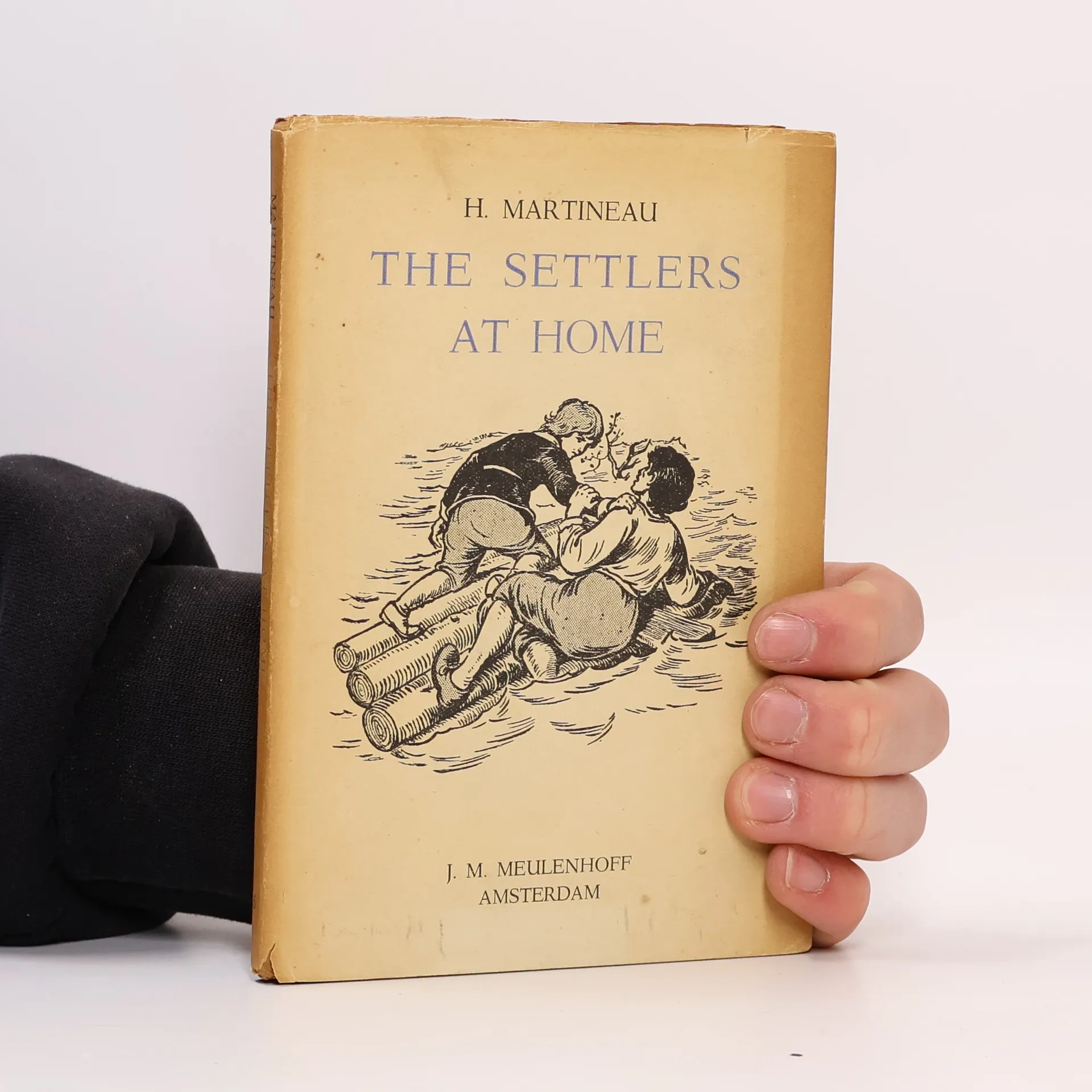
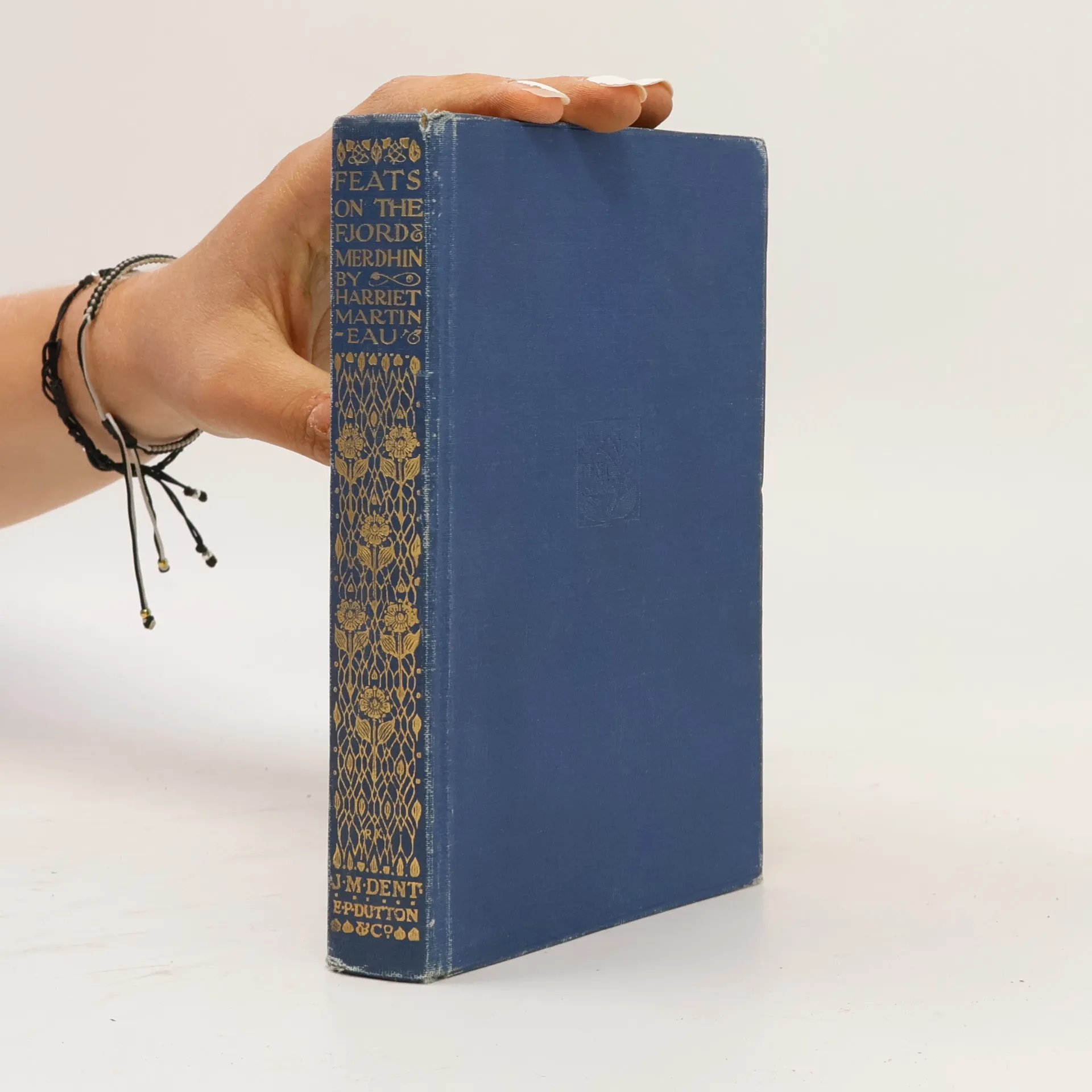
Harriet Martineau war eine englische Schriftstellerin und Philosophin, die zu ihrer Zeit als kontroverse Journalistin, politische Ökonomin und Abolitionistin bekannt war. Mit ihren Schriften machte sie komplexe soziale und ökonomische Fragestellungen einem breiteren Publikum zugänglich, wobei sie sich oft auf soziale Ungerechtigkeit und Ungleichheit konzentrierte. Ihr Werk wird für seine Klarheit und seinen tiefgründigen Einblick in die gesellschaftlichen Probleme der damaligen Zeit geschätzt. Martineau gilt als eine Wegbereiterin soziologischen Denkens.
Focusing on the significance of education, Harriet Martineau emphasized its role as a fundamental element for personal and societal improvement. She believed that universal access to education, encompassing both intellectual and physical development, would lead to a better society. Her insights, originating from her early writings at the age of 21, reflect her lifelong commitment to advocating for comprehensive educational reforms.
Exploring the mid-19th century, Harriet Martineau shares her experiences traveling through the United States and Canada in this two-volume narrative. As an English writer and sociologist, she offers insightful observations on the cultures, landscapes, and social dynamics of the regions she visited, providing a unique perspective on Western society during that era.
The second volume of this classical work offers valuable insights into societal structures and dynamics throughout history. Recognizing its significance, Alpha Editions has taken steps to preserve the text by republishing it in a modern format, ensuring clarity and readability. This edition has been meticulously reformatted and retyped, providing a fresh presentation while maintaining the integrity of the original work for contemporary and future readers.
The first volume of this classical work offers significant insights into societal structures and dynamics throughout history. Recognizing its importance, Alpha Editions has preserved the text by reformatting and retyping it for enhanced readability, ensuring that future generations can access its valuable content in a modern format. This edition stands out for its clarity and design, moving away from traditional scanned copies.
Focusing on women's education in the 19th century, the author critiques the prevailing standards and advocates for a curriculum that integrates domestic responsibilities with academic learning. Emphasizing the natural role of women as mothers, the text argues for a holistic approach to education that prepares women for both intellectual and domestic life, reflecting the societal norms and expectations of the time.
Harriet Martineau stands out as a pioneering figure in sociology, often recognized as the first female sociologist. Her extensive body of work includes books and essays that explore societal issues from diverse perspectives, particularly focusing on women's roles and rights in a male-dominated society. Martineau's writings not only earned her financial independence but also garnered admiration from notable figures, including Princess Victoria. Her ability to blend sociological analysis with a feminist viewpoint marked her as a significant intellectual force in the Victorian era.
Harriet Martineau, a pioneering British social theorist and writer, is recognized as the first female sociologist, offering insights from diverse perspectives including sociological, religious, and feminine angles. Her extensive writings, which include translations of Auguste Comte, allowed her to achieve financial independence in a male-dominated Victorian society. Martineau's work was influential, even attracting the interest of young Princess Victoria, and she advocated for a comprehensive societal analysis to address women's status. Her impact was noted by contemporaries, highlighting her unique position in her field.
Harriet Martineau, recognized as the first female sociologist, made significant contributions to social theory and literature through her diverse writings. She approached her topics from sociological, holistic, religious, domestic, and feminist angles, advocating for a comprehensive analysis of women's societal roles. Her ability to support herself solely through writing was exceptional for a woman in the Victorian era, and her work was well-regarded, even by figures like Princess Victoria. Martineau's influence extended to her contemporaries, who acknowledged her unique political and lecturing skills.
Deerbrook portrays the failed love affair between Edward Hope, a local physician and Margaret Ibbotson, his sister-in-law. Married to Hester Ibbotson, Edward's life becomes a series of misfortune, first with his stifling marriage and second due to a vile rumour that he had robbed a grave! Excerpt: "Every town-bred person who travels in a rich country region, knows what it is to see a neat white house planted in a pretty situation, -in a shrubbery, or commanding a sunny common, or nestling between two hills, -and to say to himself, as the carriage sweeps past its gate, "I should like to live there,"-"I could be very happy in that pretty place." Transient visions pass before his mind's eye of dewy summer mornings, when the shadows are long on the grass, and of bright autumn afternoons, when it would be luxury to saunter in the neighbouring lanes; and of frosty winter days, when the sun shines in over the laurustinus at the window, while the fire burns with a different light from that which it gives in the dull parlours of a city."
Recognized for its significance throughout history, this book has been preserved and republished in a modern format to ensure its legacy endures for both present and future generations. The efforts to maintain its accessibility highlight its enduring relevance and importance in the literary canon.