The book explores the rise of radical right parties across various democracies, examining the underlying factors that contribute to their success. It analyzes political, social, and economic dynamics that enable these parties to gain traction and influence. By delving into case studies and trends, the author provides insights into the changing landscape of political ideologies and voter behavior, highlighting the implications for democratic governance and societal cohesion.
Pippa Norris Bücher
10. Juli 1953
Pippa Norris ist eine Autorin, deren Werk sich auf Politikwissenschaft und sozialen Wandel konzentriert. Sie untersucht die Dynamik von Demokratie, Zivilgesellschaft und politischer Kultur in verschiedenen Nationen. Ihre Analysen beleuchten oft die komplexen Beziehungen zwischen Institutionen und dem Verhalten der Bürger. Durch ihre Forschung trägt sie zu einem tieferen Verständnis der Herausforderungen und Chancen bei, denen sich moderne Gesellschaften gegenübersehen.


Reflecting recent developments in the field, this timely new edition gives an indispensable state-of-the art review of the whole field from the world′s leading international scholars. With a completely new thematic introduction which explores how democracy is built and sustained, thoroughly updated chapters (many of which are also new) , the Third Edition provides a theoretical and comparative understanding of the major topics related to elections and introduces important work on key new areas.
Cosmopolitan Communications
- 448 Seiten
- 16 Lesestunden
Focusing on cosmopolitan communications, this book presents a novel theoretical framework that examines how global interactions can threaten cultural diversity. It explores the specific conditions that lead to these dangers, offering insights into the dynamics of communication in a globalized world.
Challenging the conventional belief that news media and political parties are to blame for civic malaise, this book delves into the deeper societal factors contributing to public disengagement. It explores the interplay between media, politics, and civic participation, offering a fresh perspective on the roots of disillusionment in contemporary society. Through its analysis, the book encourages readers to reconsider the complexities of civic engagement and the role of various institutions in shaping public discourse.
This book demonstrates that although advanced societies have been moving toward secular orientation, the world has more people with traditional religious views.
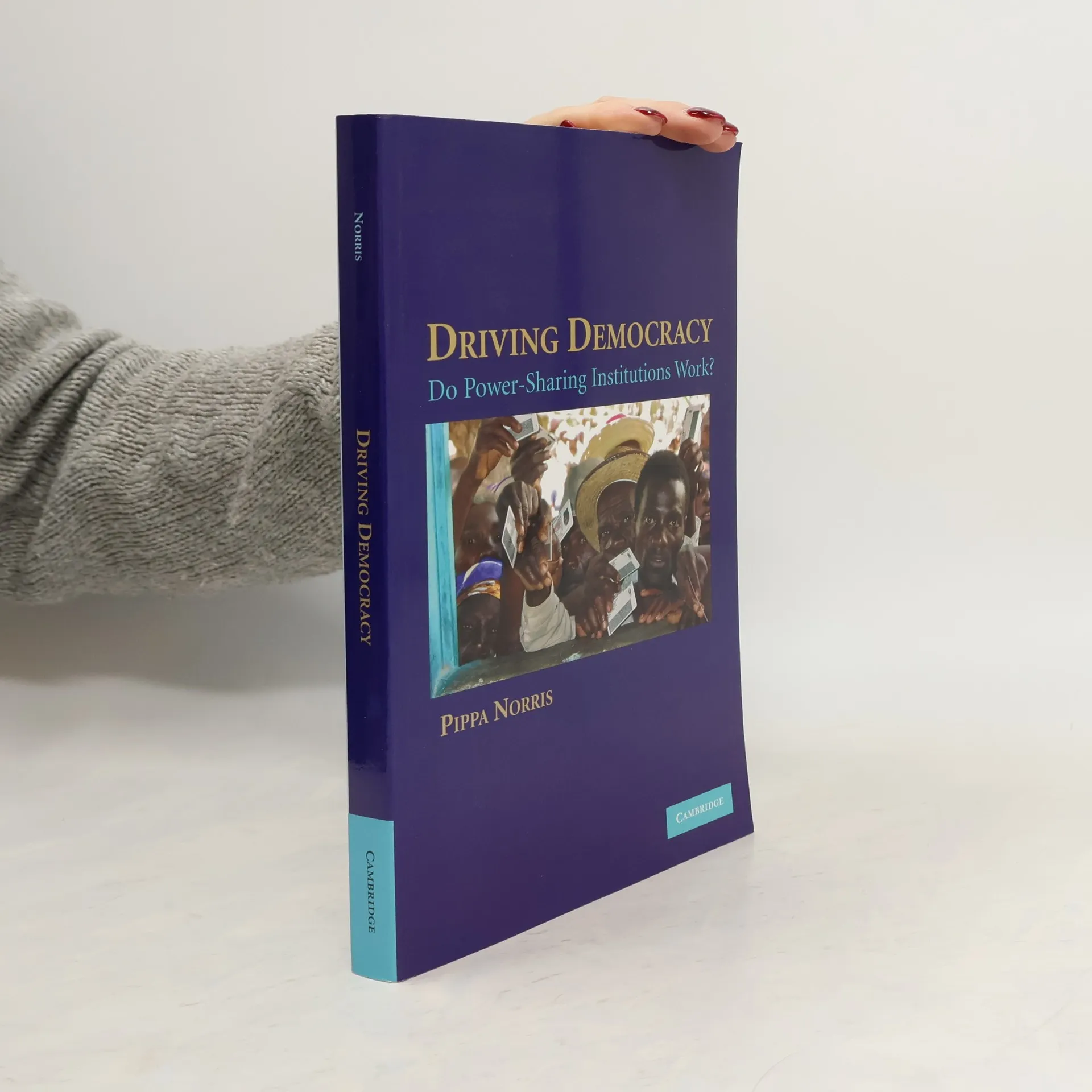
Driving Democracy
- 320 Seiten
- 12 Lesestunden
This book is a comparative study of power-sharing institutions that analyzes the consequences for democracy worldwide.
Cultural Backlash
- 564 Seiten
- 20 Lesestunden
Authoritarian populist parties have advanced in many countries, and entered government in states as diverse as Austria, Italy, the Netherlands, Poland, and Switzerland. Even small parties can still shift the policy agenda, as demonstrated by UKIP's role in catalyzing Brexit. Drawing on new evidence, this book advances a general theory why the silent revolution in values triggered a backlash fuelling support for authoritarian-populist parties and leaders in the US and Europe. The conclusion highlights the dangers of this development and what could be done to mitigate the risks to liberal democracy.
Digital Divide
Civic Engagement, Information Poverty, and the Internet Worldwide
- 320 Seiten
- 12 Lesestunden
The book explores the growing divide between those who have access to information and those who do not, highlighting how the Internet may be intensifying these inequalities. It delves into the implications of this digital divide, examining the social, economic, and educational consequences for marginalized communities. Through critical analysis, the author presents potential solutions and calls for greater equity in information access to foster a more inclusive society.