
Gratis Versand ab € 9,99
Bookbot

Thomas De Wesselow

    Het teken - De lijkwade van Turijn en het mysterie van de Opstanding
    The Sign
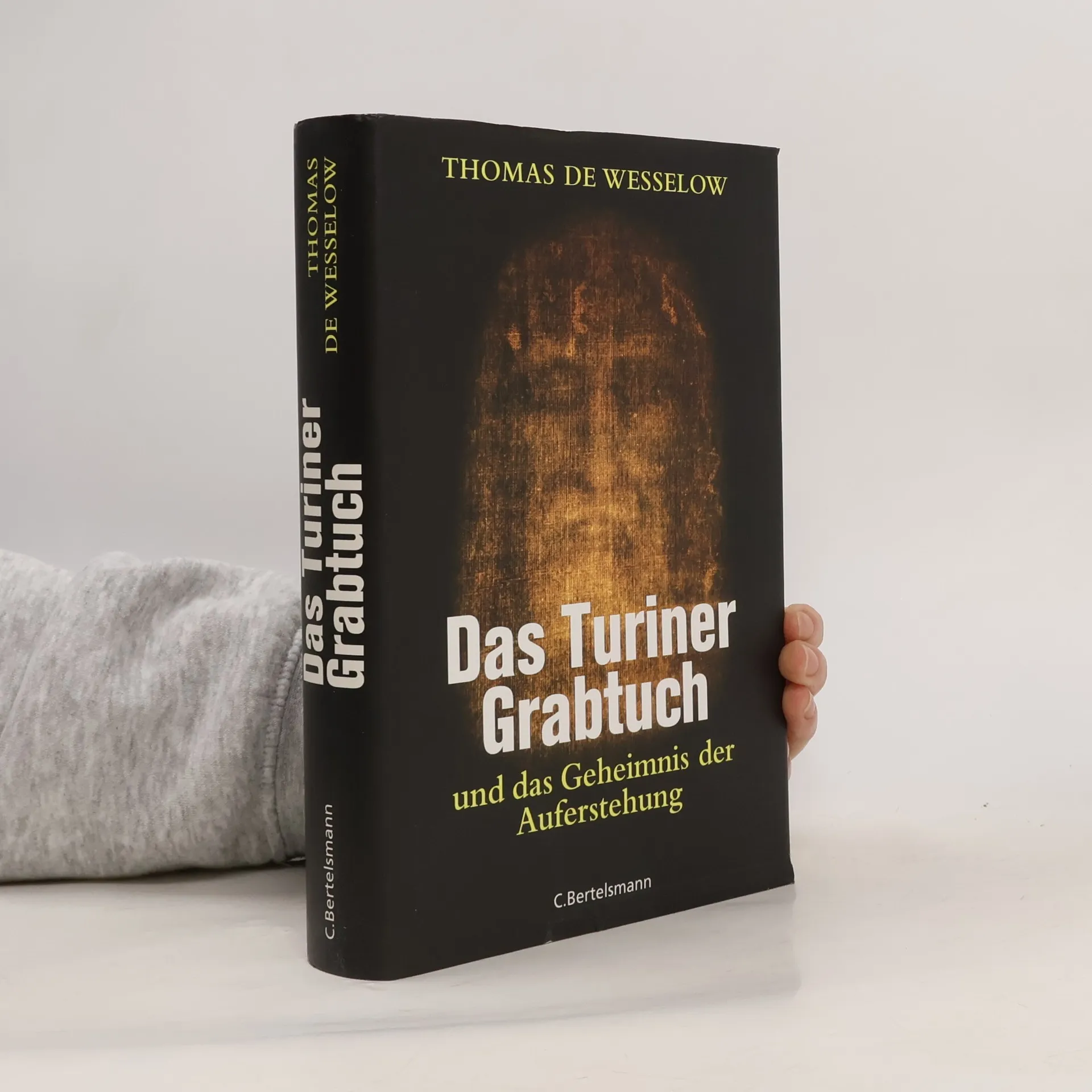
    Das Turiner Grabtuch und das Geheimnis der Auferstehung
    • Die Auferstehung Jesu Christi von den Toten, die das Christentum an Ostern in seinem zentralen Glaubensfest feiert, ist eines der großen Mysterien der Weltreligionen. Der Kunsthistoriker Thomas de Wesselow folgt den Interpretationen der Ereignisse nach der Grablegung und stellt sie in einen bisher nicht berücksichtigten Zusammenhang mit einem weiteren geheimnisumwitterten Zeugnis christlichen Glaubens: dem Turiner Grabtuch. Selbst innerhalb der katholischen Kirche gilt diese im 14. Jahrhundert erstmals bezeugte Reliquie als umstritten. Sieben Jahre hat de Wesselow sich mit dem Grabtuch beschäftigt, hat Erkenntnisse zusammengetragen, die erst mit Hilfe moderner Untersuchungsverfahren gewonnen werden konnten. Das Fazit der Forschung: Das Turiner Grabtuch ist echt – und es liefert den Schlüssel zum Verständnis eines der größten Geheimnisse der Menschheitsgeschichte.

      Das Turiner Grabtuch und das Geheimnis der Auferstehung2013
    • Christianity emerged nearly two thousand years ago in ancient Palestine, profoundly influencing human history. Yet, the origins remain elusive. How did Jesus, a first-century Jew, ignite a new religion? This question is one of history's greatest mysteries. Traditionally, the birth of Christianity has been linked to the miracle of the Resurrection, where Jesus, after his death, was raised by God and appeared to his disciples, urging them to spread the gospel. Witnessing the Risen Jesus solidified their belief, leading to the rapid spread of Christianity across the Middle East and Europe, eventually dominating much of the world. However, historians struggle to explain this success without the Resurrection as a catalyst. If no one truly saw the Risen Jesus, what convinced his followers of his immortality? Art historian Thomas de Wesselow has dedicated seven years to unraveling this puzzle, reconstructing a new understanding of Christianity's origins. By reassessing a familiar yet misunderstood historical source and reinterpreting biblical passages, he reveals that the answer has been overlooked for over a century: the Shroud of Turin, often dismissed as a fake, is authentic and holds the key to this enduring mystery.

      Het teken - De lijkwade van Turijn en het mysterie van de Opstanding2012
    • "The birth of Christianity, nearly 2000 years ago, has shaped the whole course of human history. Yet historians still cannot explain how it all really began. What made Jesus's followers claim to have seen him alive again, three days after his crucifixion? Why did Christianity take off so quickly? This extraordinary book, based on seven years of secret research, finally provides the answer. And it lies with an enigmatic relic long assumed to be a fake: the Shroud of Turin. With historical detective work and cutting-edge scientific research, art historian Thomas de Wesselow has discovered that Jesus's followers did see something at the tomb. They saw something real but out of the ordinary - something that seemed like a miracle. It was the burial cloth of Jesus, stained with his body image. This ancient marvel was hailed as a sign of the Resurrection, and kick-started the Christian faith. The Sign details conclusive evidence that the Shroud of Turin is authentic, showing that the faint image on the cloth was formed naturally through a rare chemical reaction. It then explains how this revelation solves multiple puzzles of religious history: for example, the Gospel reports of the appearances of the Risen Christ are clearly based on early viewings of the Shroud"--Publisher description

      The Sign2012
      3,9