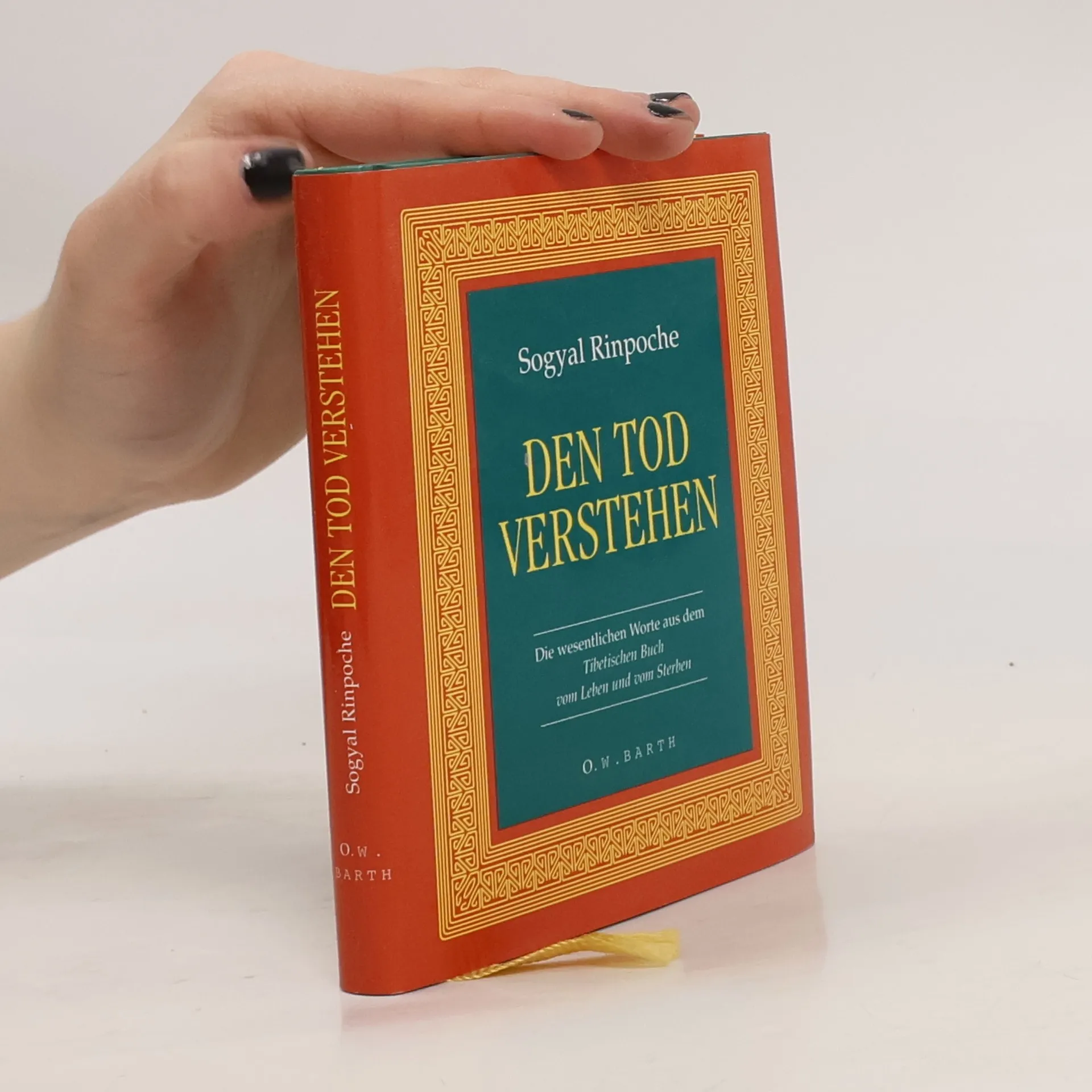
Den Tod verstehen
Die wesentlichen Worte aus dem Tibetischen Buch vom Leben und vom Sterben
- 119 Seiten
- 5 Lesestunden


Patrick John Gaffney ist ein englischer Autor, Herausgeber, Übersetzer und Lehrer des tibetischen Buddhismus, der an der University of Cambridge studierte. Er war einer der Hauptleiter und Lehrer von Rigpa – dem internationalen Netzwerk...
Die wesentlichen Worte aus dem Tibetischen Buch vom Leben und vom Sterben
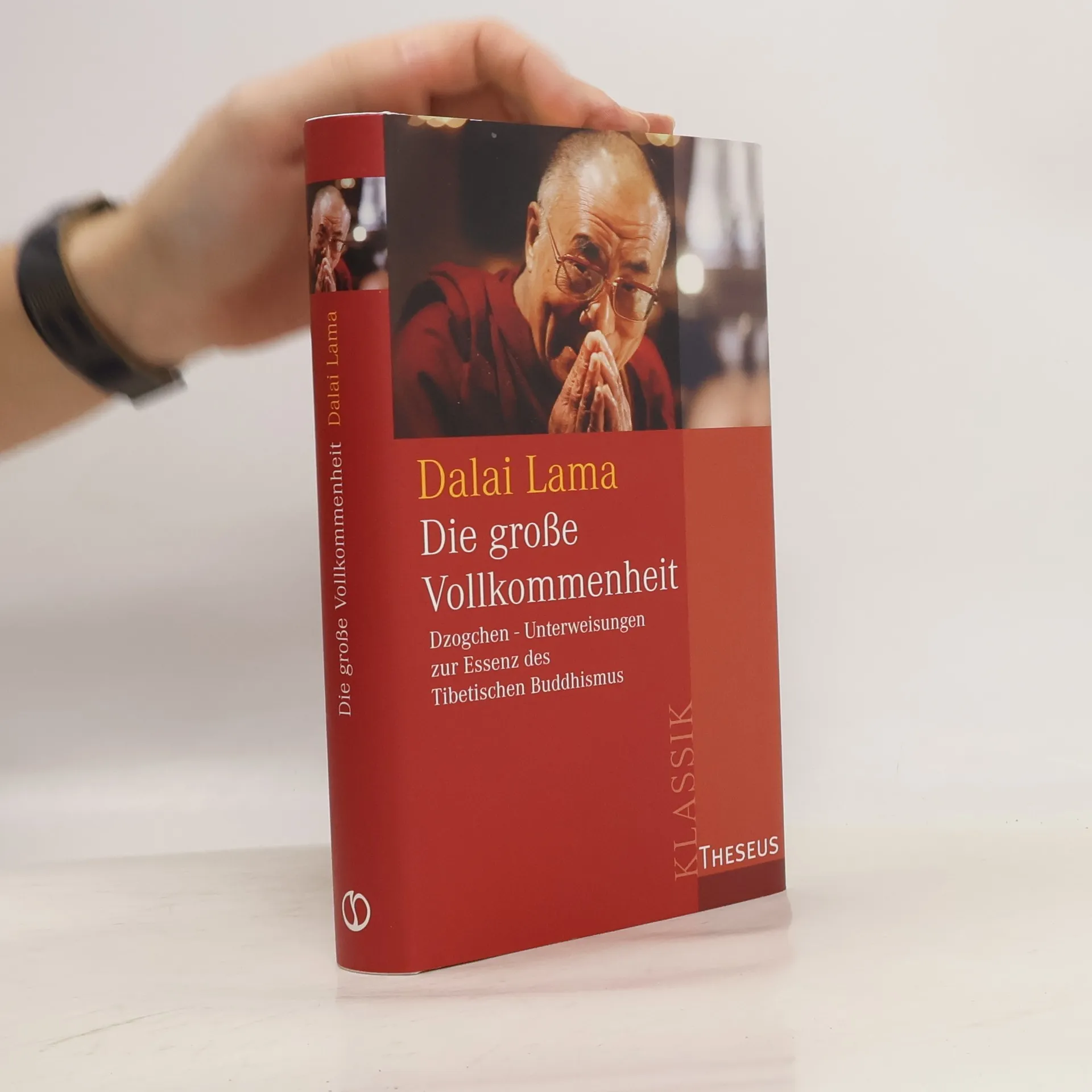
Dzogchen-Unterweisungen zur Essenz des tibetischen Buddhismus; eine Sammlung von Dzogchen-Belehrungen Seiner Heiligkeit des Dalai Lama im Westen
Im tibetischen Buddhismus zählt Dzogchen zu den tiefgründigsten Lehren des Buddha und wird als die Herz-Essenz der Großen Vollkommenheit bezeichnet. Unserer gewöhnlichen Wahrnehmung und Weltsicht widersprechend, geht Dzogchen davon aus, dass jeder Augenblick und jede Lebenssituation perfekt und vollkommen ist, es darin weder einen Mangel noch ein Zuviel gibt. Als spirituelle Praxis ermöglichen uns diese Lehren, allem, was in unserem Leben geschieht, mit einer entspannten, freudvollen Offenheit zu begegnen. Seine Heiligkeit der Dalai Lama lehrt seit vielen Jahren auch im Westen; und er hat kraft seiner Persönlichkeit großen Anteil an der ungebrochenen Popularität des tibetischen Buddhismus bei uns. Bisher hat er aber nur an wenigen Orten und zu besonderen Anlässen Unterweisungen in die Dzogchen-Lehren gegeben. Dieses kostbare Juwel spiritueller Literatur wird hier einer breiten Leserschaft zugänglich gemacht.
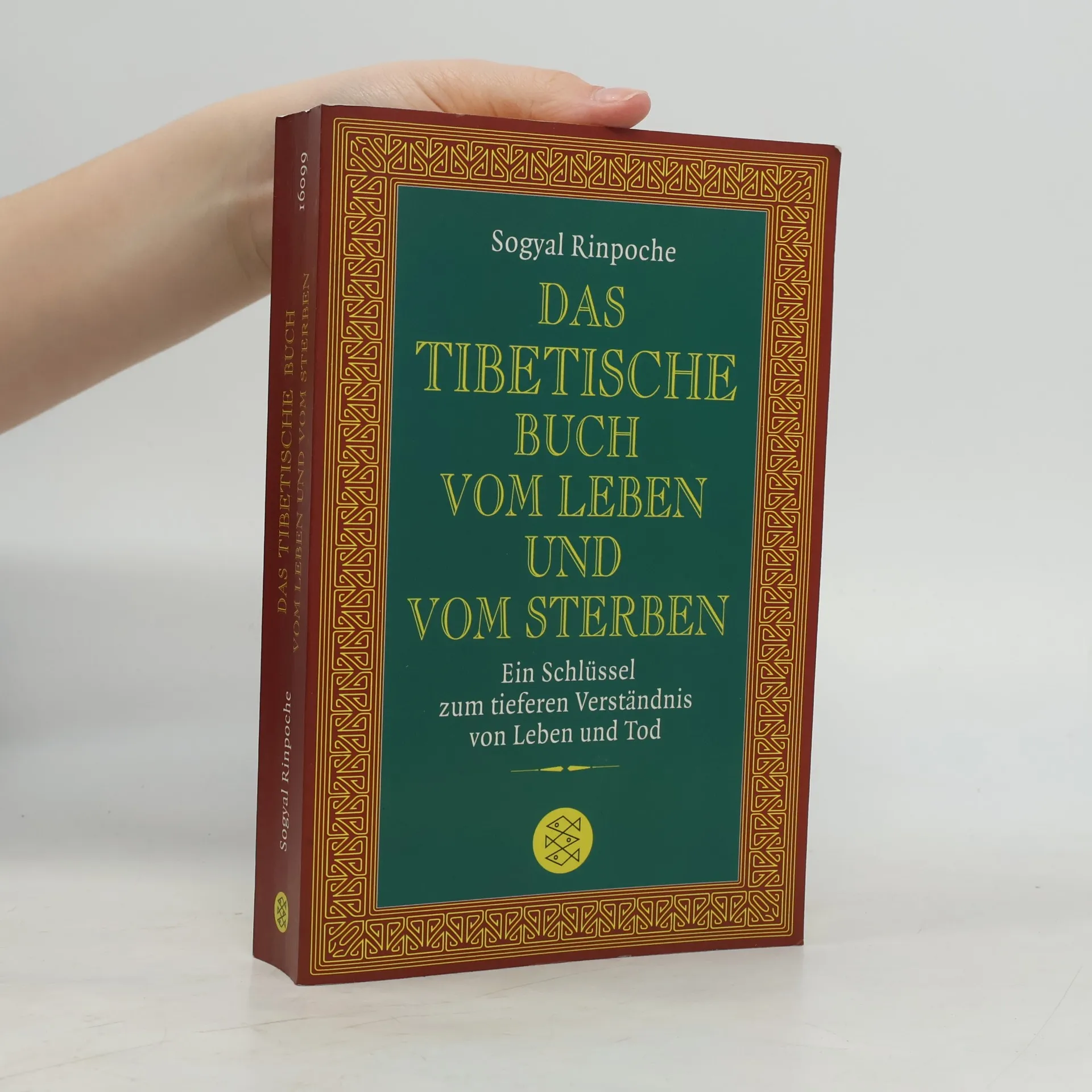
Sogyal Rinpoches zeitgemäße Auslegung der buddhistischen Lehren des 'Tibetischen Totenbuchs' hat sich in den vergangenen Jahren als unentbehrliche Hilfe in der Krankenbetreuung und Sterbebegleitung erwiesen. Sein Buch führt an eine Lebenspraxis heran, durch die der Tod seinen Schrecken verliert und der Alltag an Lebensfreude reicher wird.
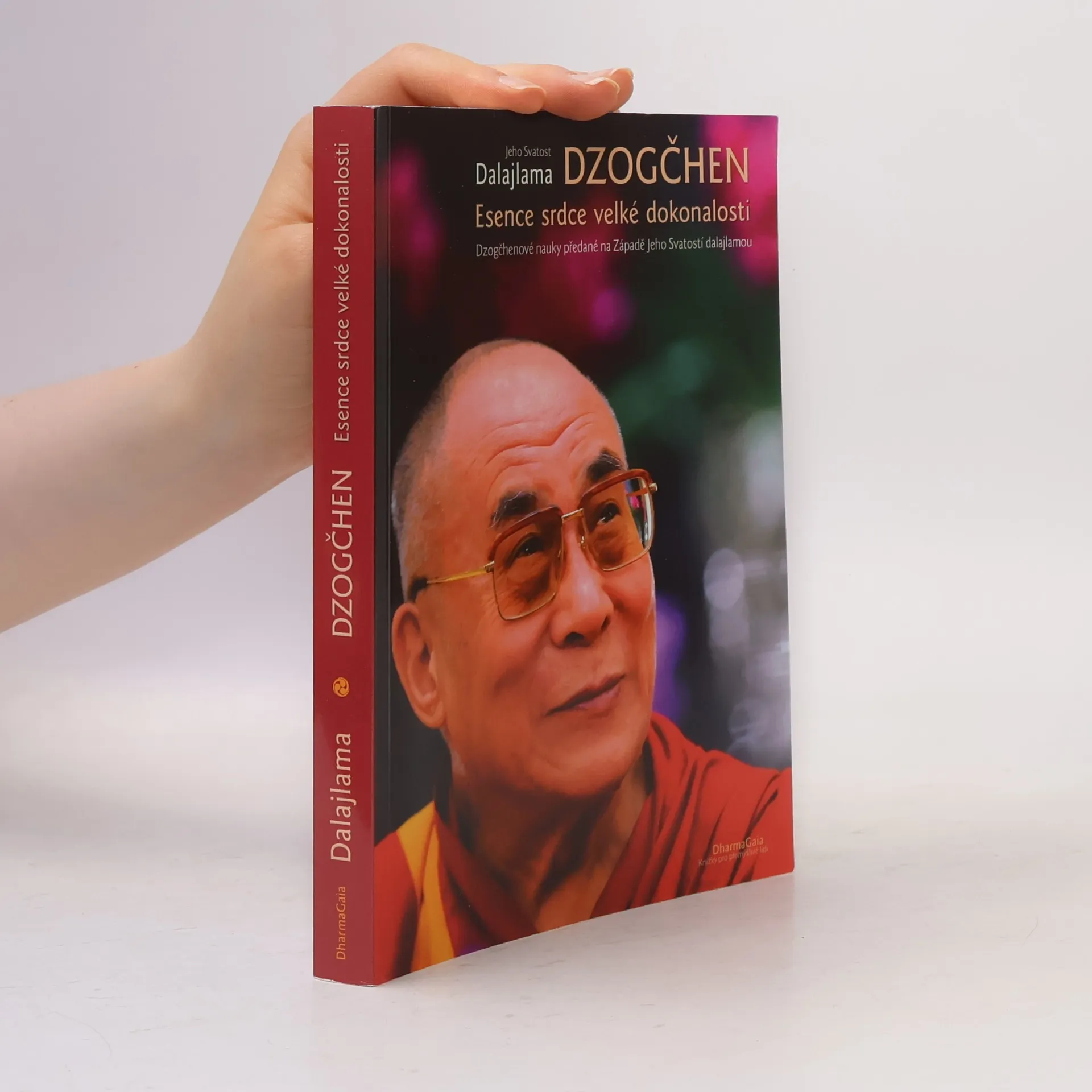
Čtyři přednášky o dzogčhenu (velké dokonalosti), esenci nauk tibetské Staré školy (Ňingma), které přednesl J. S. dalajlama v Evropě a USA na základě klasických textů Garab Dordžeho, Paltul Rinpočheho ad. mistrů meditace. Nauky jsou doplněny jeho přednáškou „Úvahy o významu soucítění na konci dvacátého století“ a přednáškou Ňošul Khan Rinpočheho „Dar světu“. Předmluvu napsal Sogjal Rinpočhe.