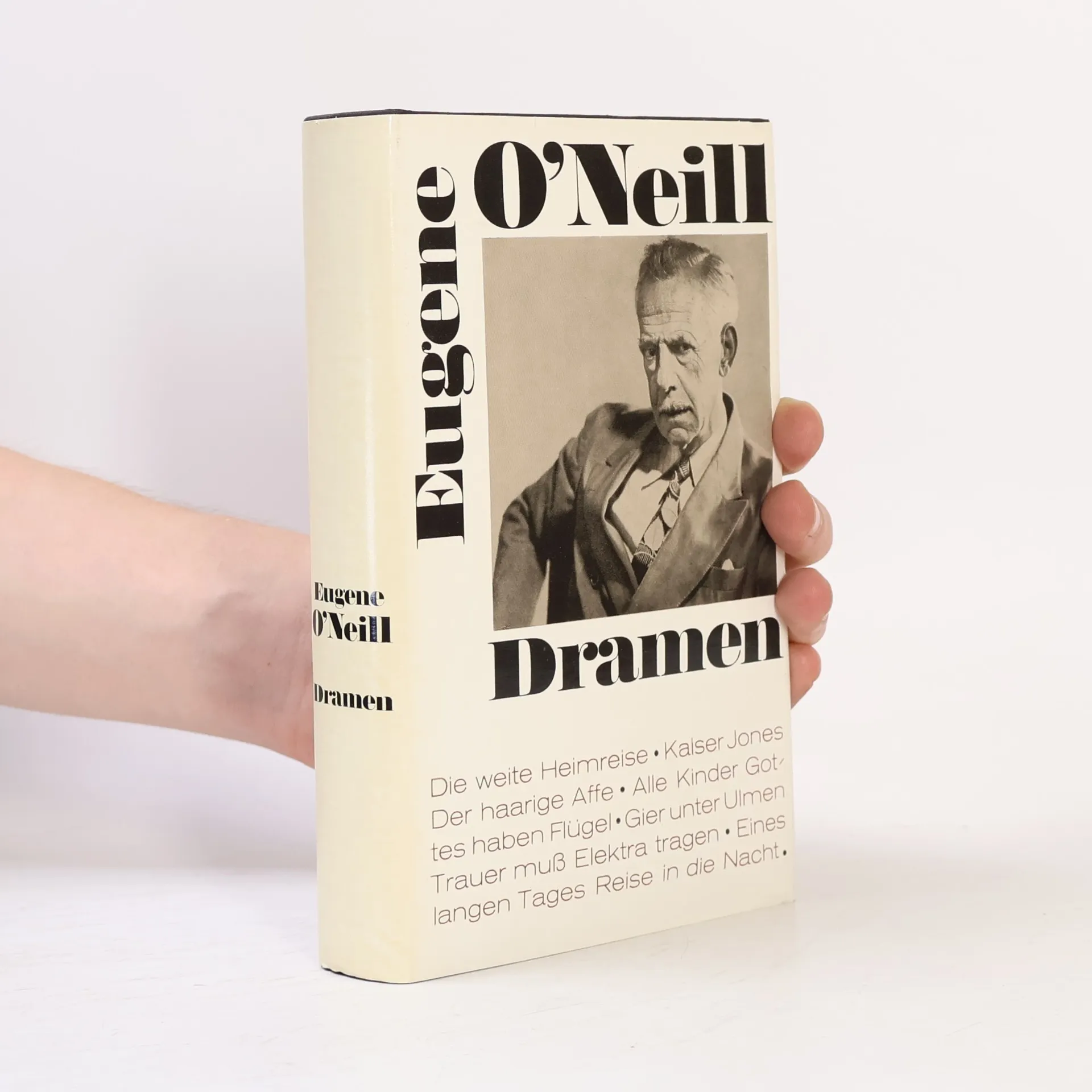
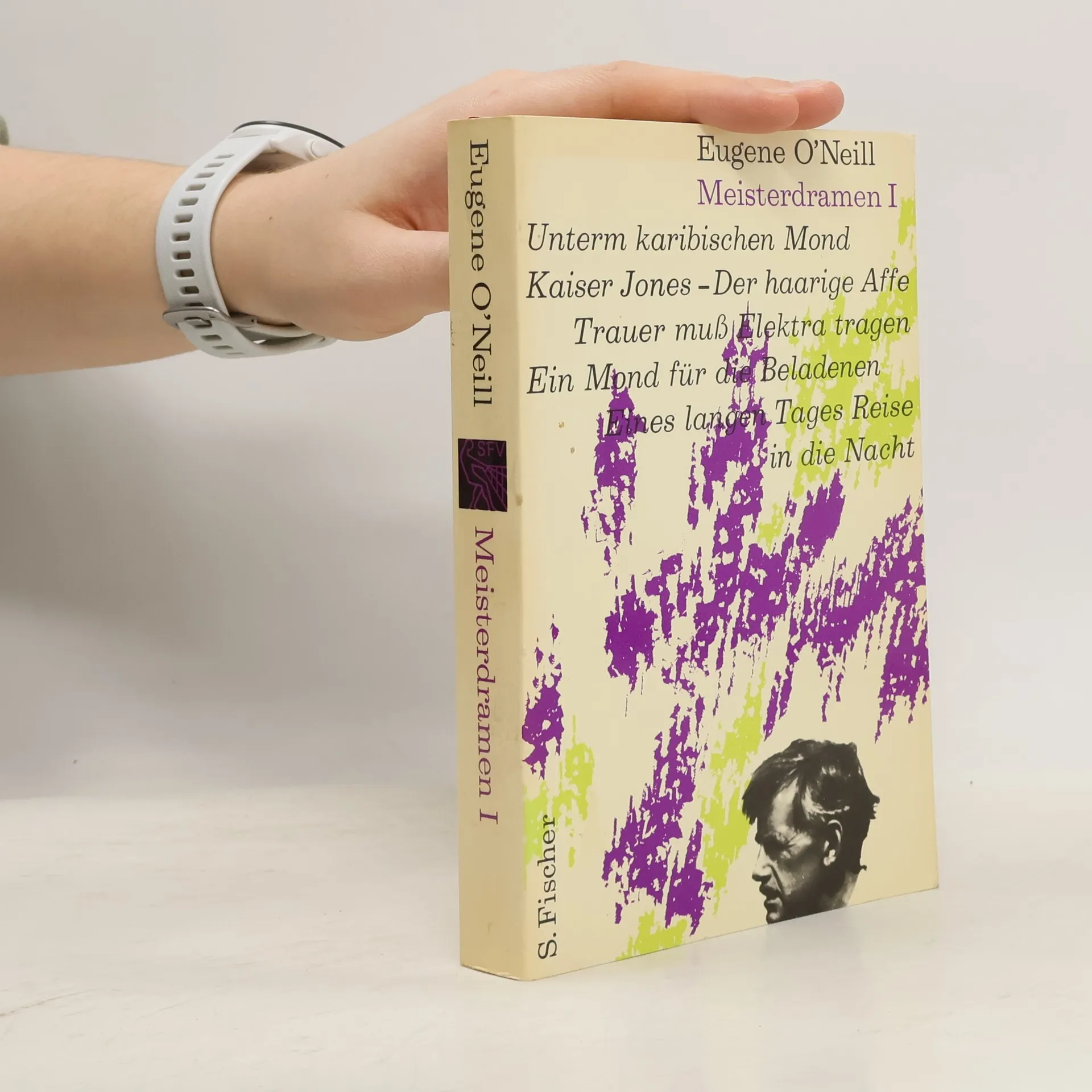
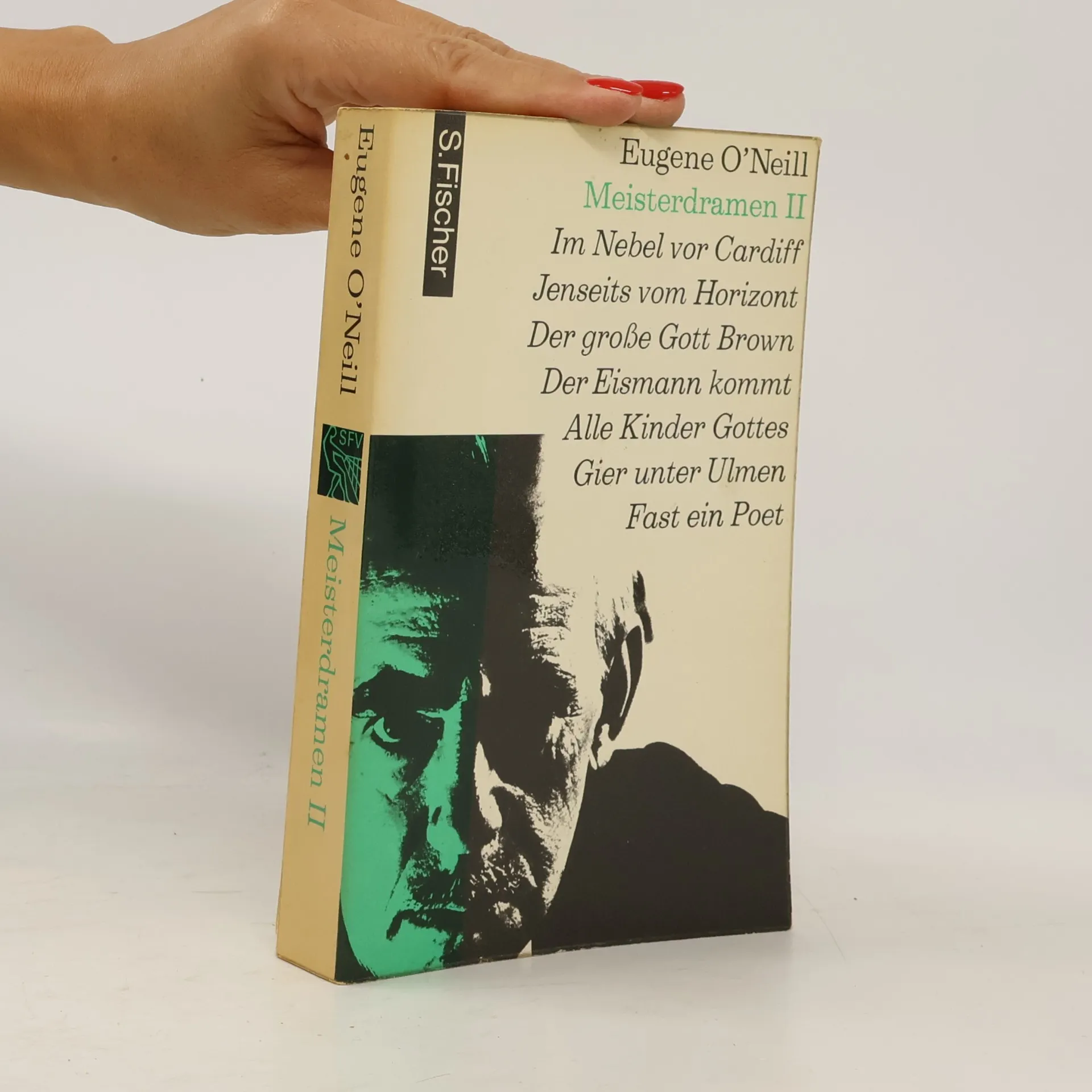
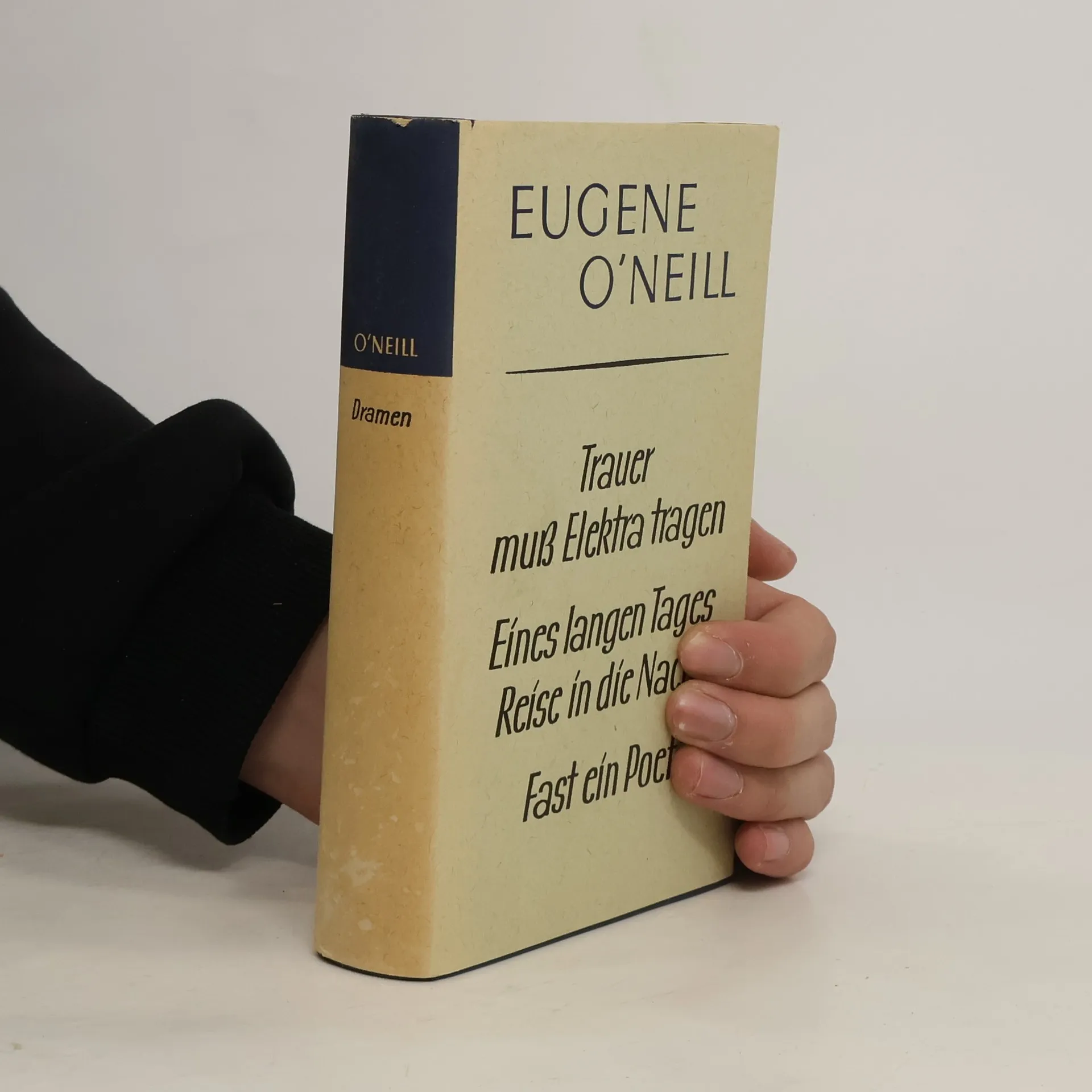
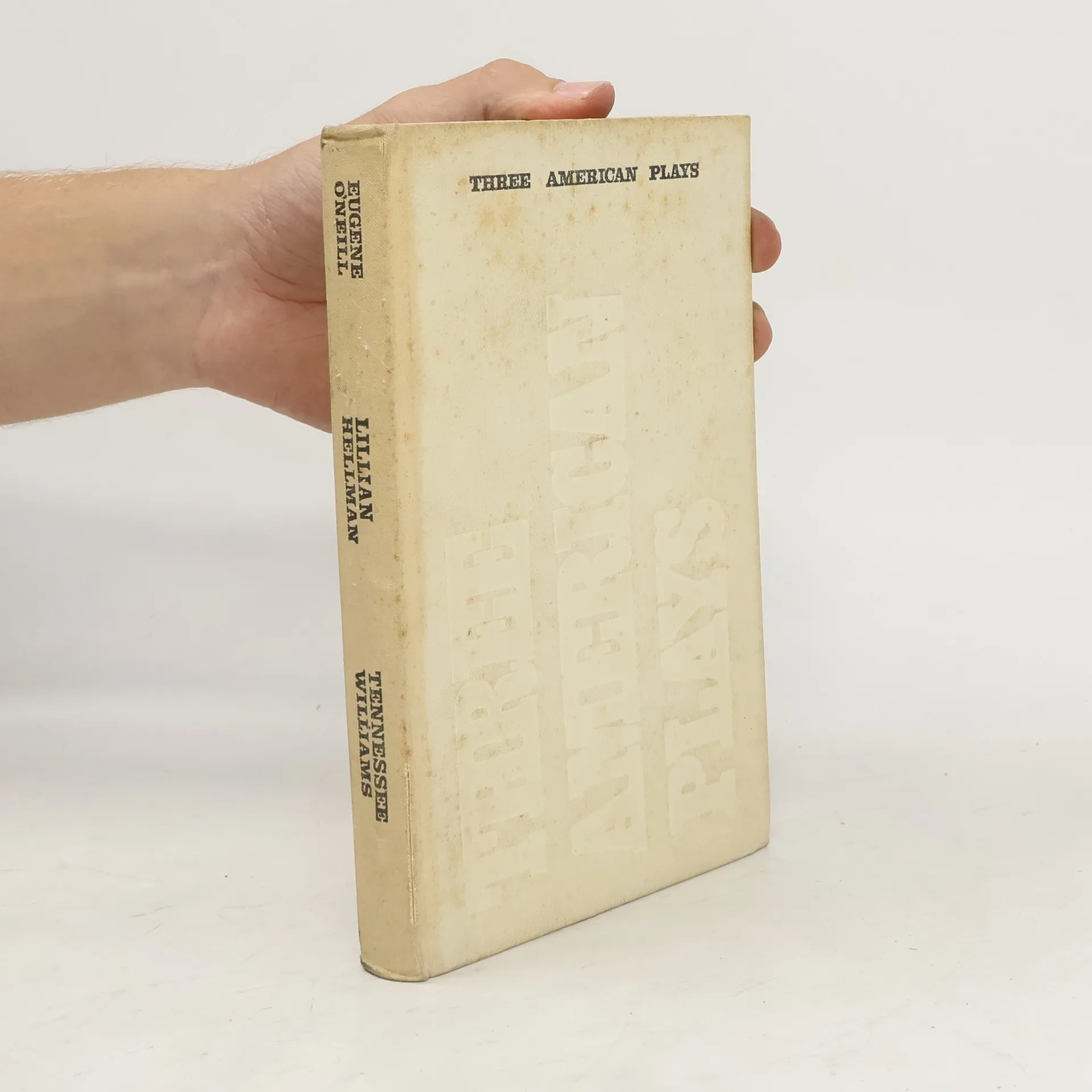
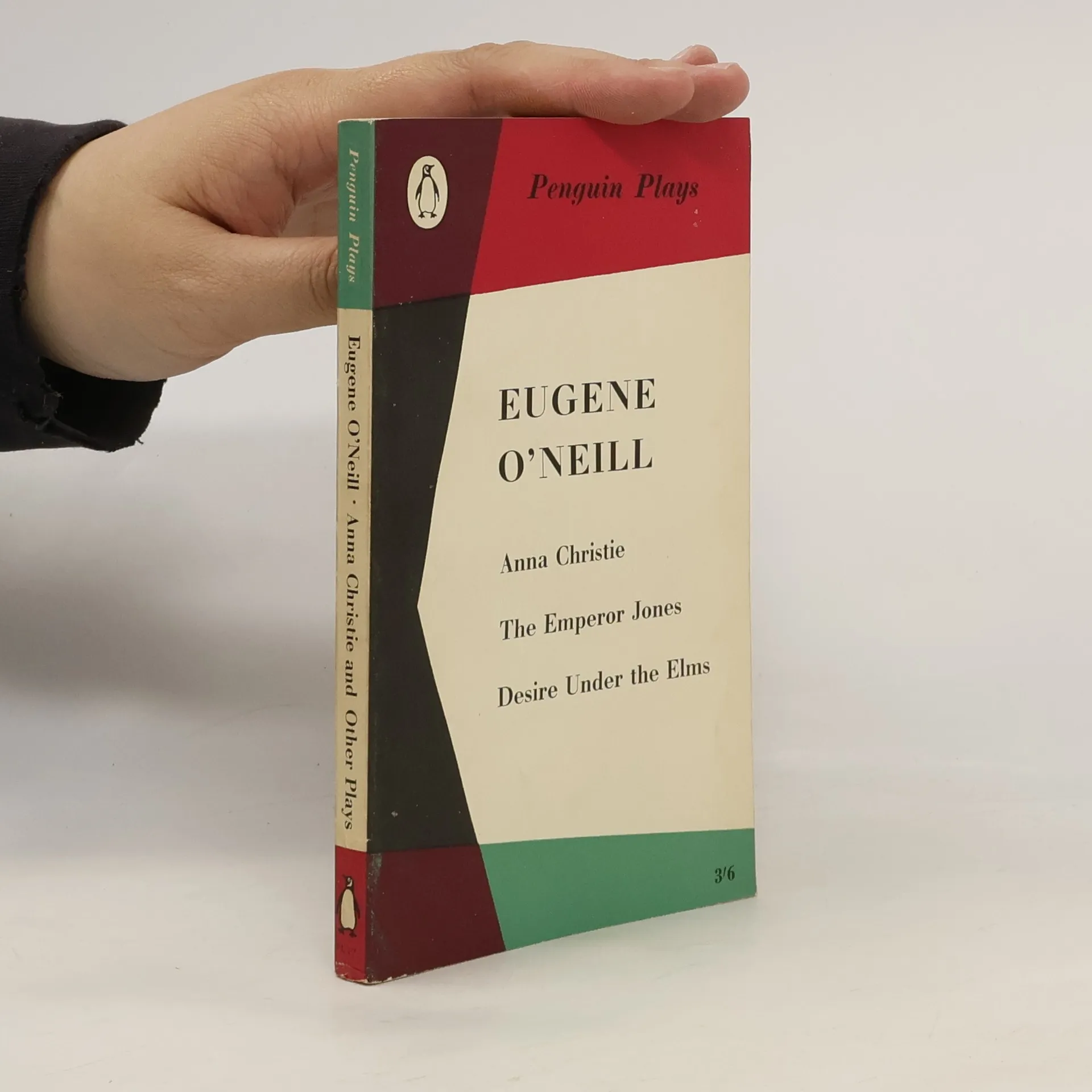
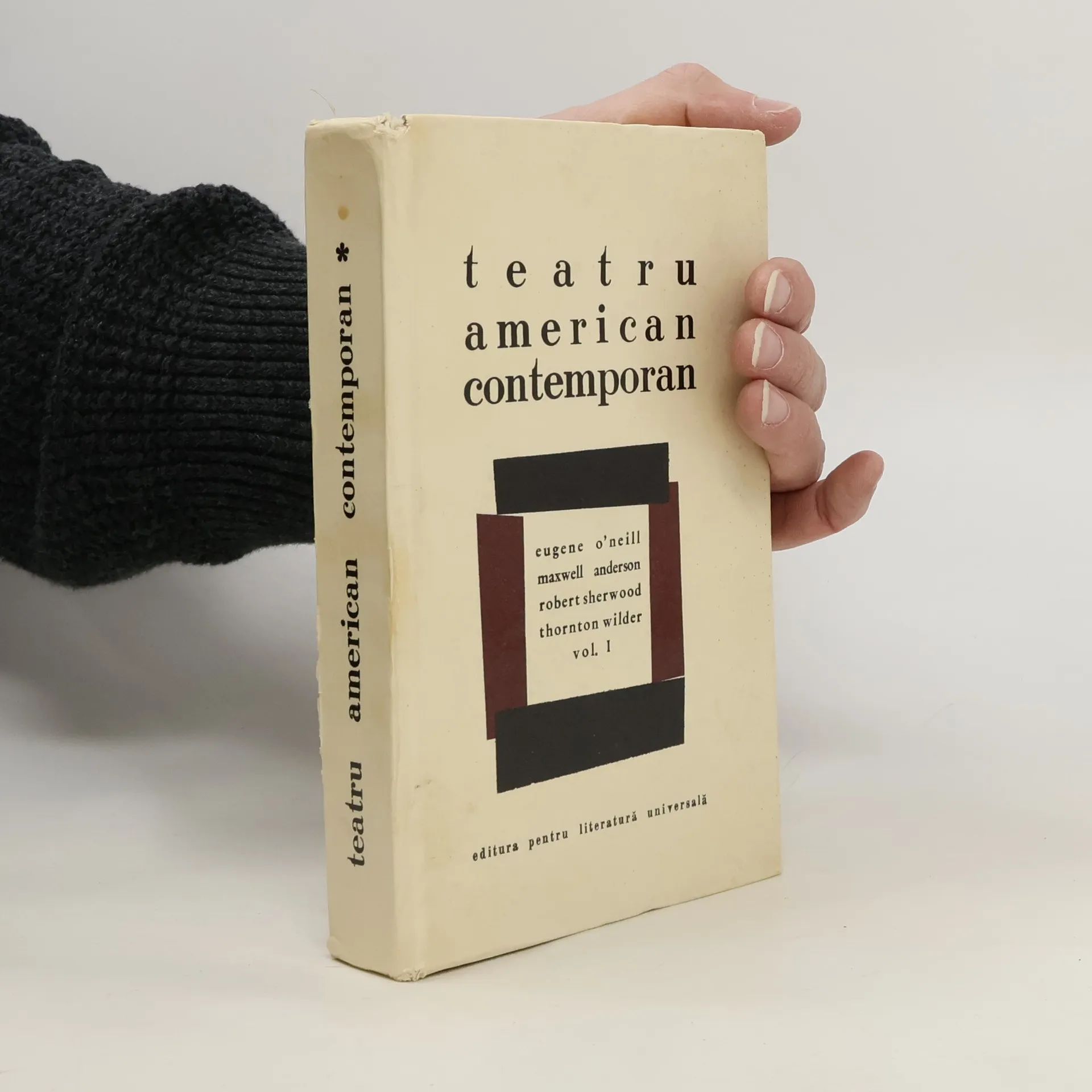
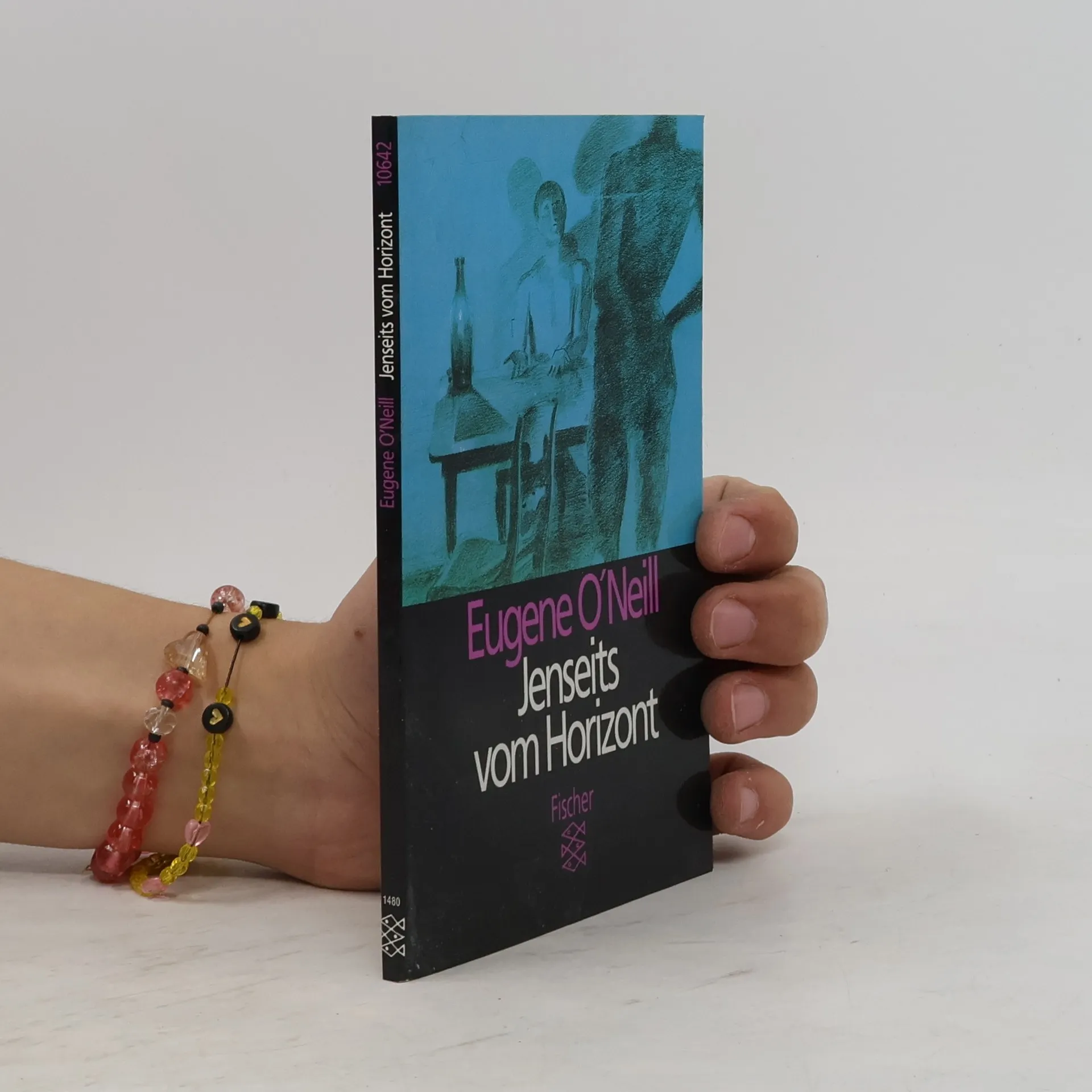
'Jenseits vom Horizont' ist Eugene O'Neills erstes abendfüllendes Theaterstück, das zwischen 1917 und 1919 entstand. Es erzählt die Geschichte von Robert Mayo, einem Träumer, der die Geheimnisse des Lebens sucht. Seine Liebe zu Ruth führt zu einer folgenschweren Entscheidung, die das Schicksal aller Beteiligten beeinflusst.
Eugene O'Neill Bücher
16. Oktober 1888 – 27. November 1953
Eugene O'Neills dramatische Werke sind bekannt für ihre tiefe emotionale Kraft, Ehrlichkeit und ein originelles Tragödienkonzept. Als wegweisender amerikanischer Dramatiker brachte er den dramatischen Realismus auf die amerikanische Bühne und verlieh seinen Charakteren authentische amerikanische Umgangssprache. O'Neill erforschte oft Individuen am Rande der Gesellschaft und stellte ihre Kämpfe mit Hoffnung, Desillusionierung und Verzweiflung dar. Seine Stücke befassen sich überwiegend mit Tragik und persönlichem Pessimismus, mit einer einzigen Ausnahme.

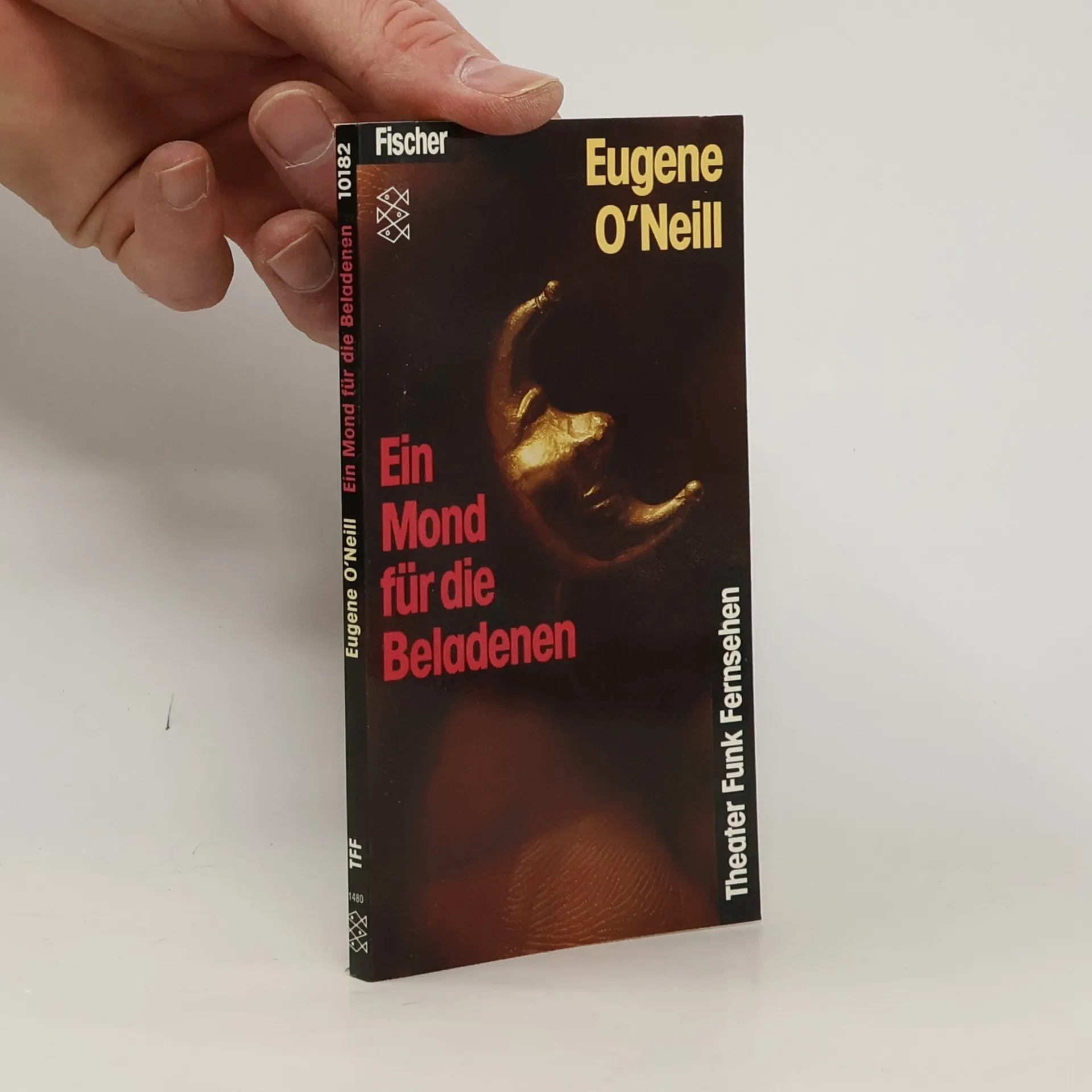
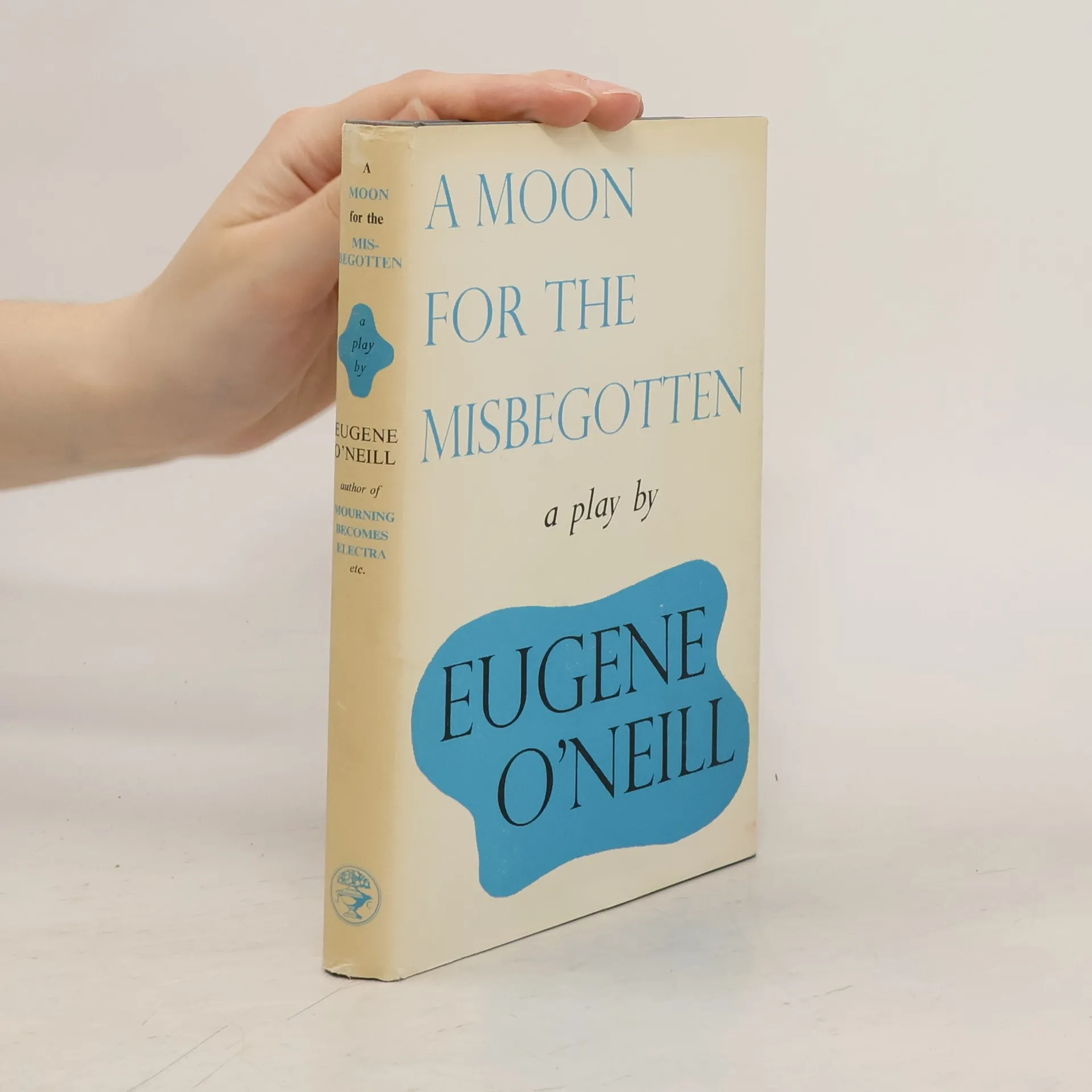
Eugene O'Neills Theaterstück ›Ein Mond für die Beladenen‹ (1943) thematisiert das Schicksal von James Tyrone, der in der Begegnung mit Josie Hogan für kurze Zeit seinen Alkoholproblemen und Schuldgefühlen entflieht. Das Stück beleuchtet den Gegensatz zwischen Illusion und Wirklichkeit und bietet eine ungewöhnliche Liebesszene.
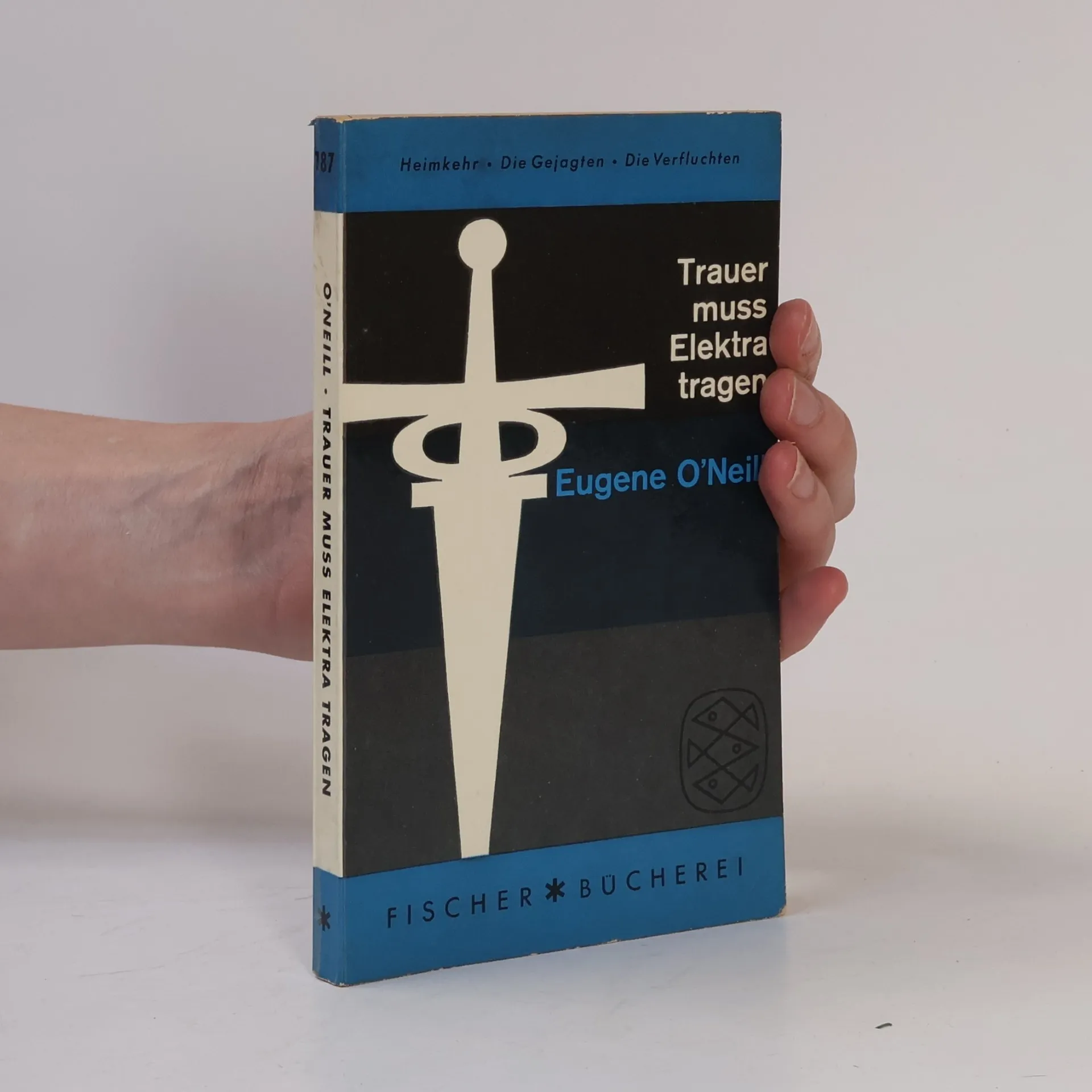
Christine und Lavinia Mannon erwarten die Rückkehr des Brigadegenerals Ezra Mannon aus dem Sezessionskrieg - Lavinia, die Tochter, sehnsüchtig, Ehefrau Christine dagegen mit Abscheu. Sie plant den Mord an ihrem Gatten, um mit ihrem Geliebten Adam Brant, einem unerwünschten Neffen Ezras, zusammenleben zu können. Lavinia entdeckt Ehebruch und Mord, und als ihr Bruder Orin aus dem Krieg heimkehrt, stiftet sie ihn zum Mord an Adam Brant an. Aus Verzweiflung darüber nimmt Christine sich das Leben, und Orin, der den Selbstmord der über alles geliebten Mutter nicht verwinden kann, erschießt sich. Lavinia erkennt am Ende, daß sich ihre Rache gegen sie selbst gewandt hat, und kerkert sich im Haus der Mannons ein - tot schon im Leben.
Long Day's Journey Into Night is the story of one devastating day in the Tyrone family. The play depicts the family members' downward spiral into addiction, disease, and their own haunted pasts. It is generally regarded as Eugene O'Neill's masterpiece. O'Neill (1888-1953) was a major figure in the international drama scene. Before he came along, the rest of the world didn't give a flip about American plays. In the rest of the world's defense, there really wasn't much going on in the way of American play writing. Our buddy Eugene wasn't having that. He busted up on the scene and became the first American playwright to gain a real and lasting international reputation. In 1936 he became the first and only American playwright to win the Nobel Prize for literature.
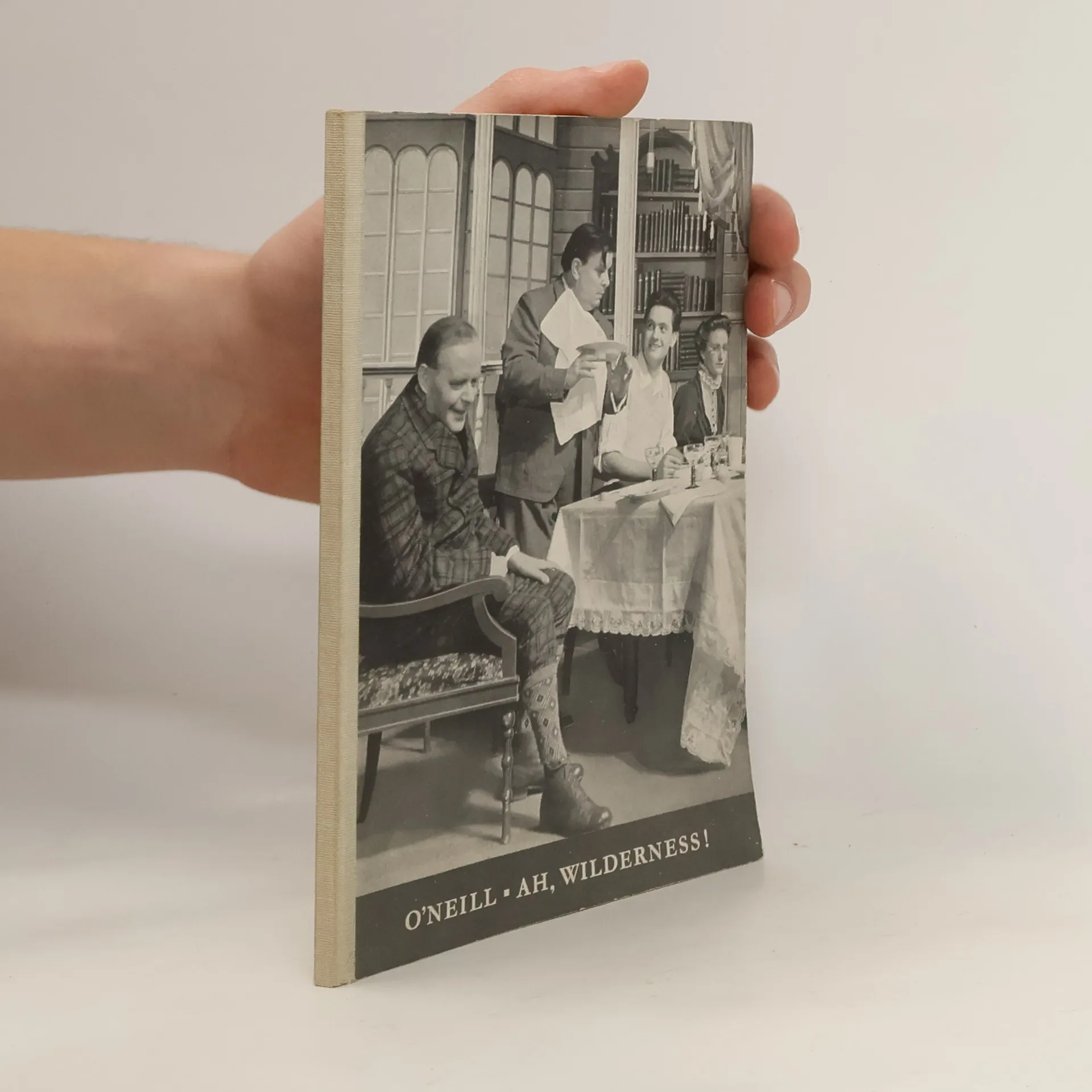
Die Handlung spielt am Wochenende des 4. Juli 1906 in einer malerischen Stadt in Connecticut und bietet einen nostalgischen Blick auf das Leben in einer Kleinstadt. Sie erforscht Themen wie das Heranwachsen von Teenagern, die Unschuld junger Liebe und die Wärme gemeinschaftlicher Werte und steht im Kontrast zu den intensiveren Werken des Autors. Die Geschichte fängt das Wesen jugendlicher Bestrebungen und familiärer Bindungen in einer friedlichen Umgebung ein.
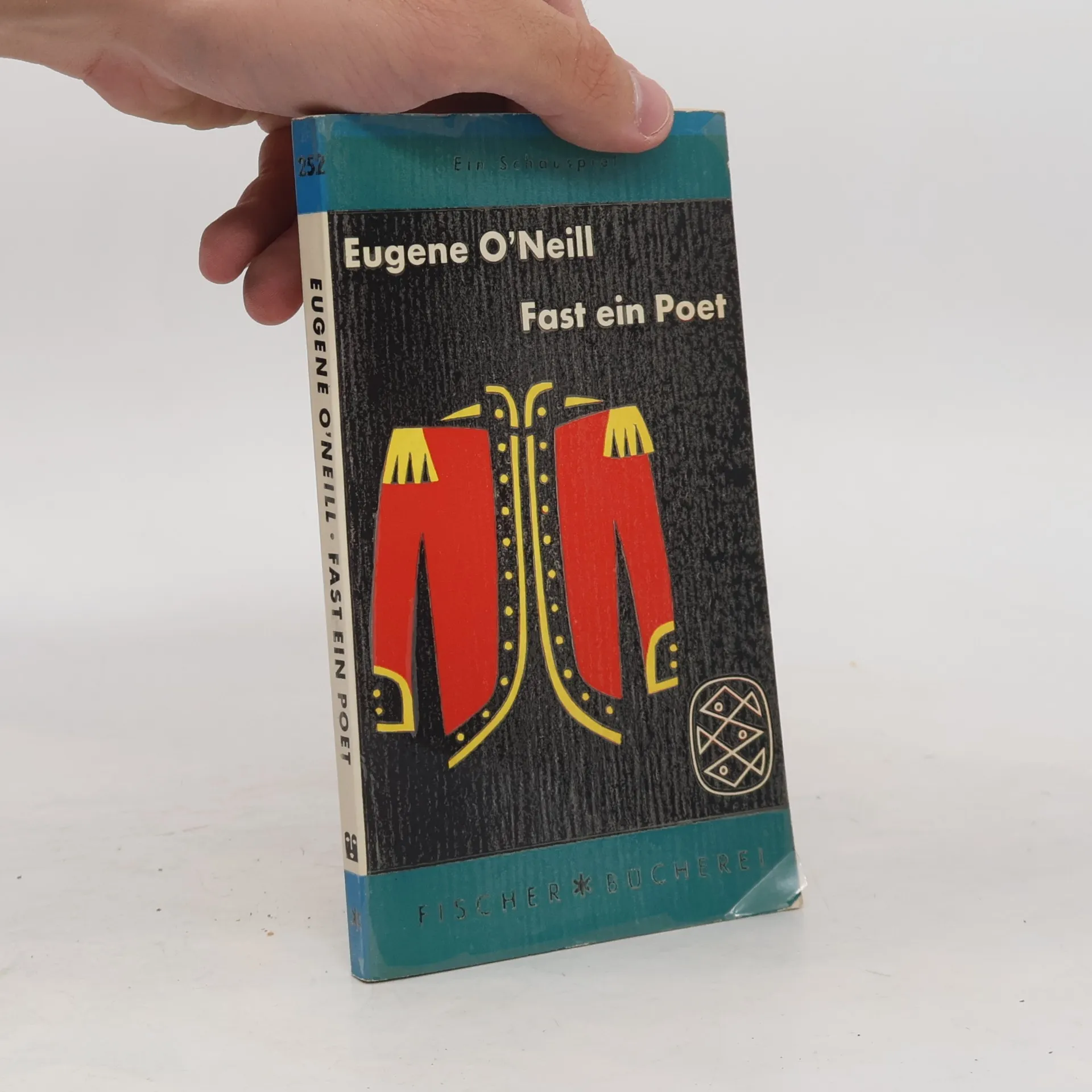
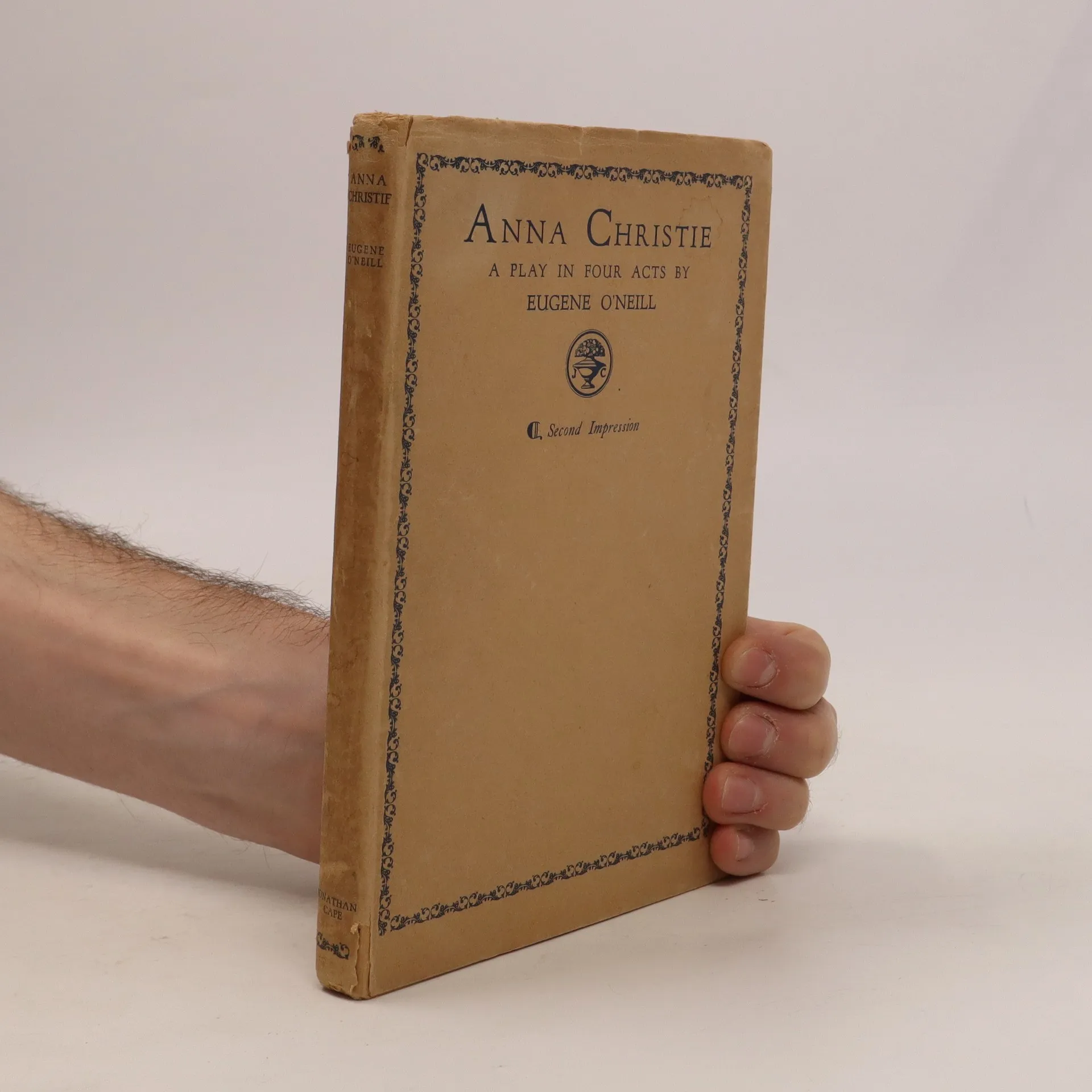
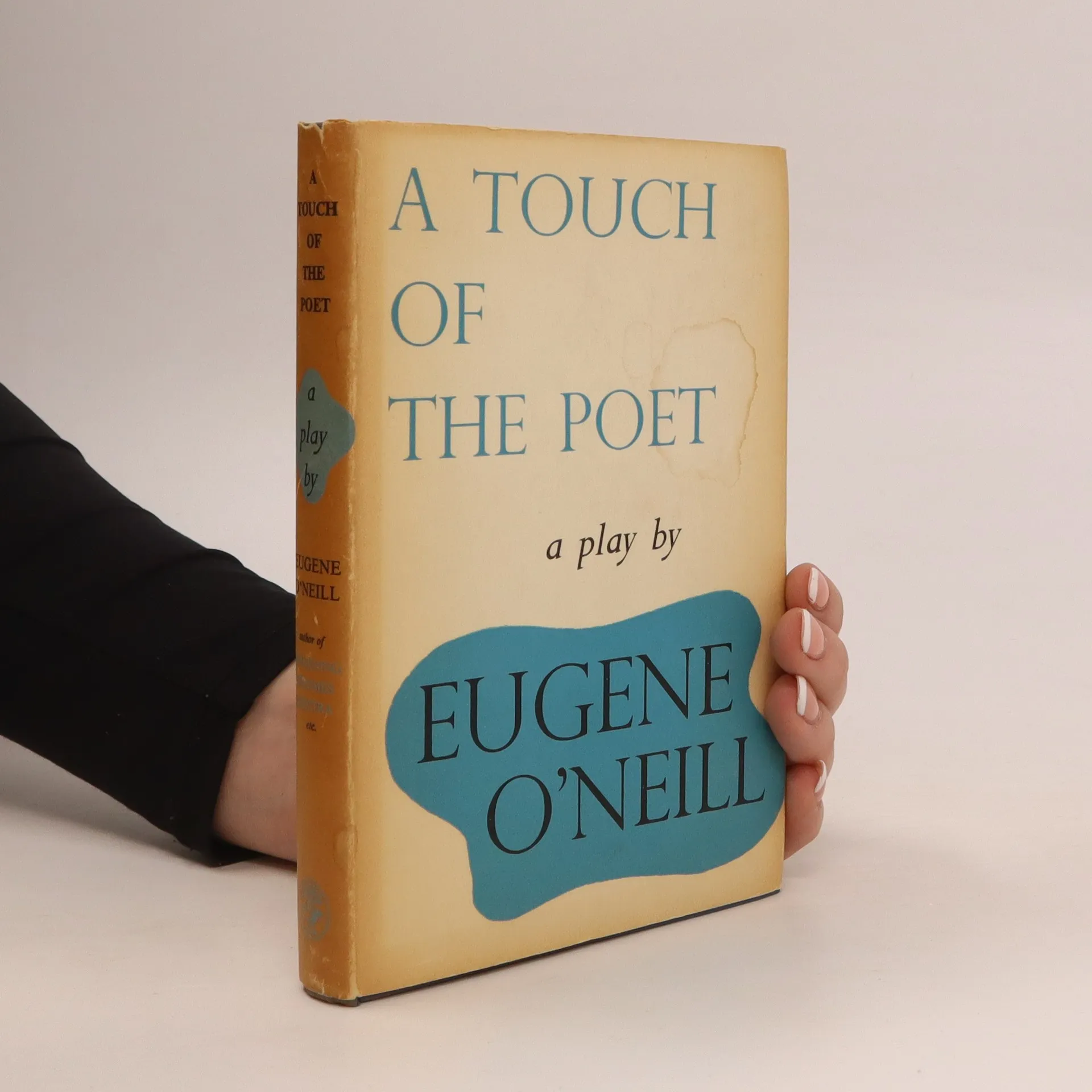
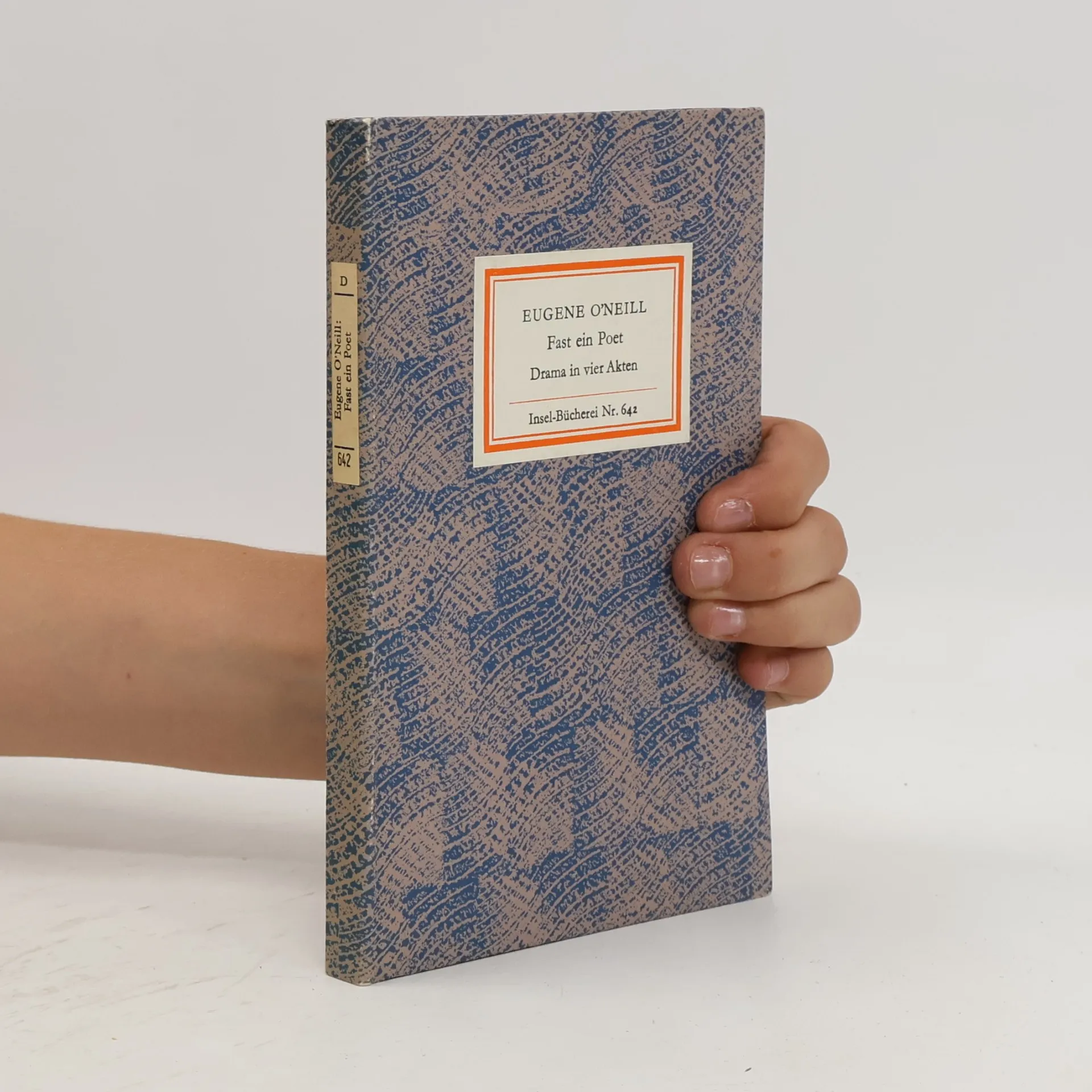
Fast ein Poet
Drama in vier Akten
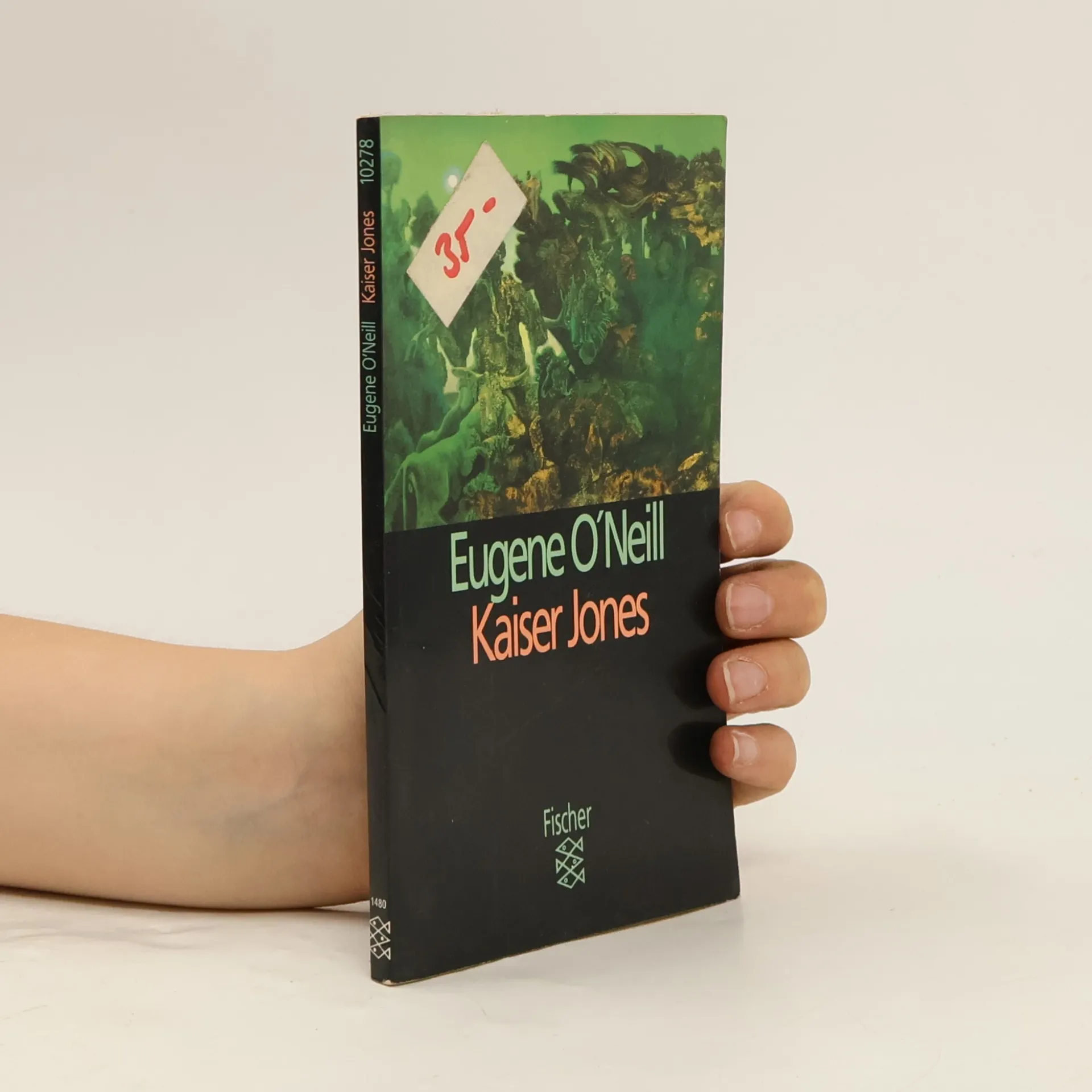
Kaiser Jones. Theaterstück in 1 Akt
- 72 Seiten
- 3 Lesestunden
Der ehemalige Pullman-Schaffner Brutus Jones wird zum Kaiser einer westindischen Insel, wo er die Einheimischen ausbeutet. Als sie sich gegen ihn erheben, flieht er in den Dschungel und wird von Schuldgefühlen und Visionen gequält. Schließlich stirbt er, verfolgt von seinen Taten. Eugene O'Neill nutzt in "Kaiser Jones" expressionistische Mittel, um Jones' innere Reise darzustellen.
Spectaculum III.
Sieben moderne Theaterstücke
Hughie
- 62 Seiten
- 3 Lesestunden
In this previously unpublished work Eugene O'Neill returned to an earlier form with which he had experimented—the one-act play. Only two characters appear on stage; Hughie, the third and most important on, is dead. It is Hughie's innocence, gullibility, and need to believe in a far more exciting existence than he ever knew which gives some kind of purpose to the shabby lives of the two who remain. O'Neill here again writes of the defeated and the courage that comes by way of illusions reflecting still other illusions in a world that needs them all. Hughie, the only surviving manuscript from a series of eight one-act monologue plays that O'Neill planned in 1940, was completed in 1941.
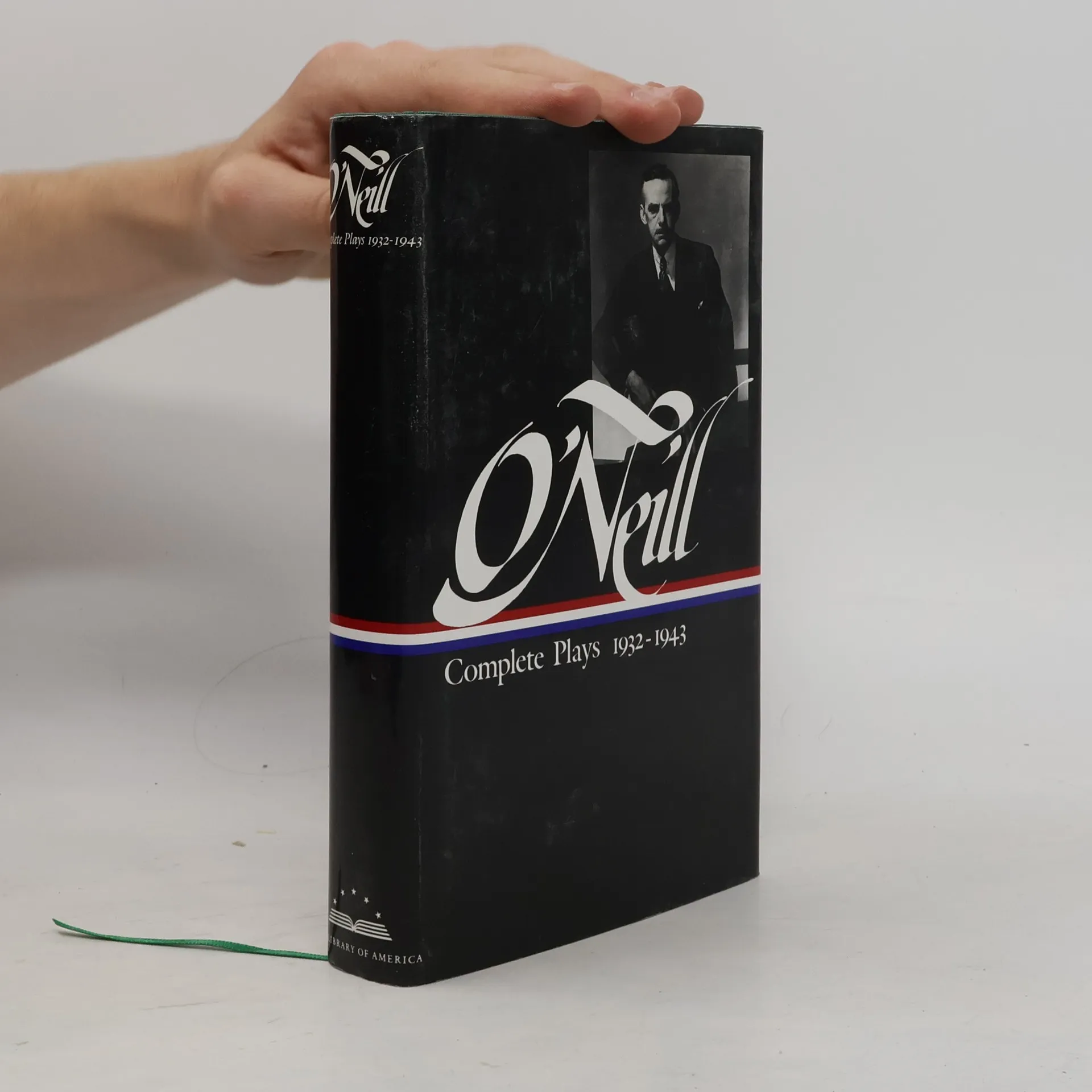
Eugene O'Neill: Complete Plays Vol. 3 1932-1943 (Loa #42)
- 1007 Seiten
- 36 Lesestunden
This final volume of Eugene O'Neill's complete dramatic works includes eight plays from 1932 to 1943, showcasing his career's pinnacle. Highlights include "Ah, Wilderness!" depicting boyhood innocence, "Long Day's Journey into Night" exploring family turmoil, and "A Moon for the Misbegotten," reflecting on elusive peace.
Signet Classics: Four Plays
- 352 Seiten
- 13 Lesestunden
The first American dramatist to ever receive the Nobel Prize, Eugene O'Neill is the most renowned American playwright of the 20th century. Included in this edition are four plays from his extraordinary career: "Beyond the Horizon, Anna Christie, The Emperor Jones", known for its unusual stage devices and powerful use of symbolism, and "The Hairy Ape", one of O'Neill's experiments in expressionism.
The Iceman Cometh
- 208 Seiten
- 8 Lesestunden
The book features a captivating narrative that intertwines themes of mystery and emotion, resonating deeply with contemporary audiences. Its theatrical elements elevate the storytelling, creating a spellbinding experience that engages readers on multiple levels. The unique blend of intrigue and poignant moments invites reflection, making it particularly relevant and impactful in today's context.
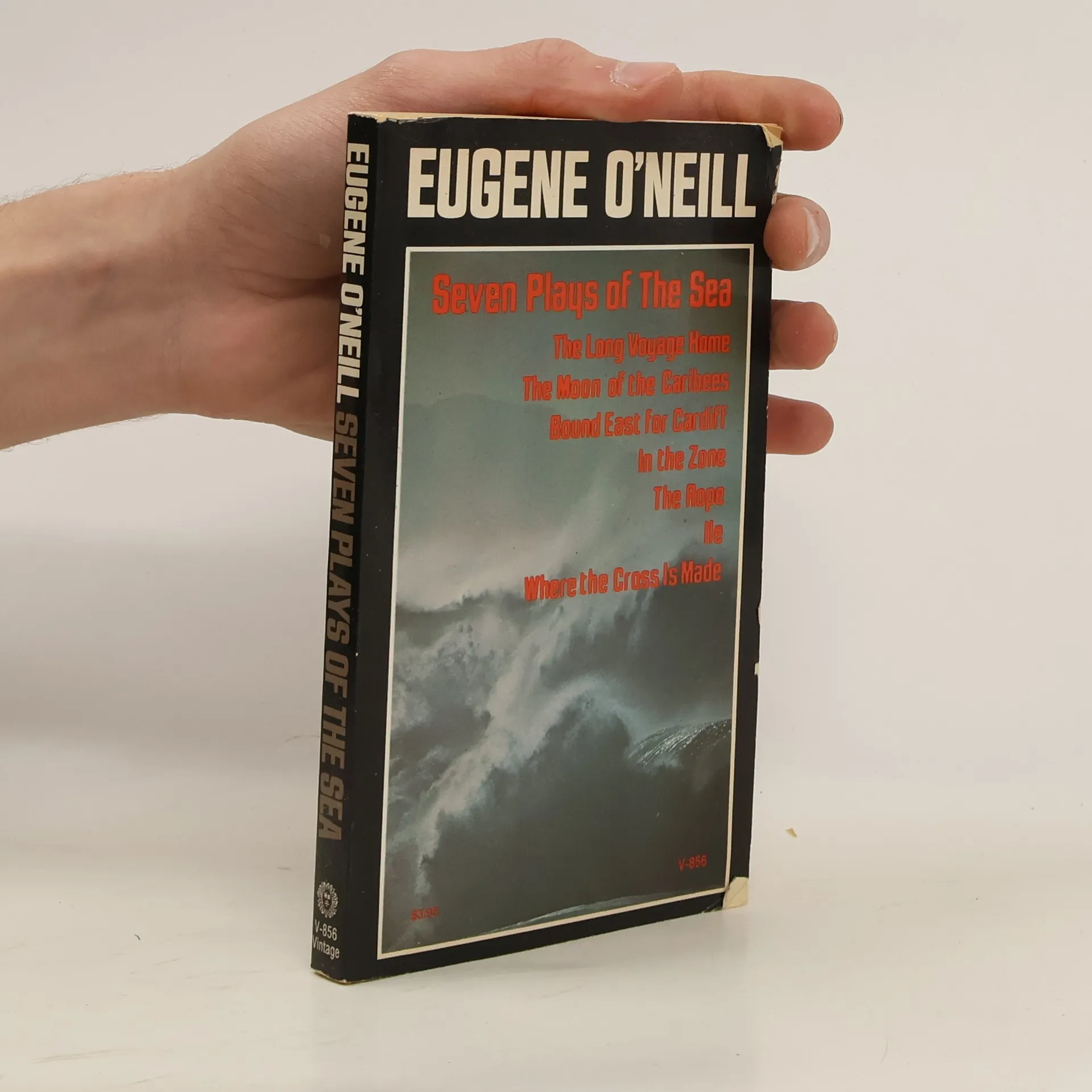
The action of the seven one-act plays takes place in the years preceding World War I
Two plays from one of the twentieth century's most significant writers, developed and conceived in tandem, drawing on the raw experience of the author's own family relationships.
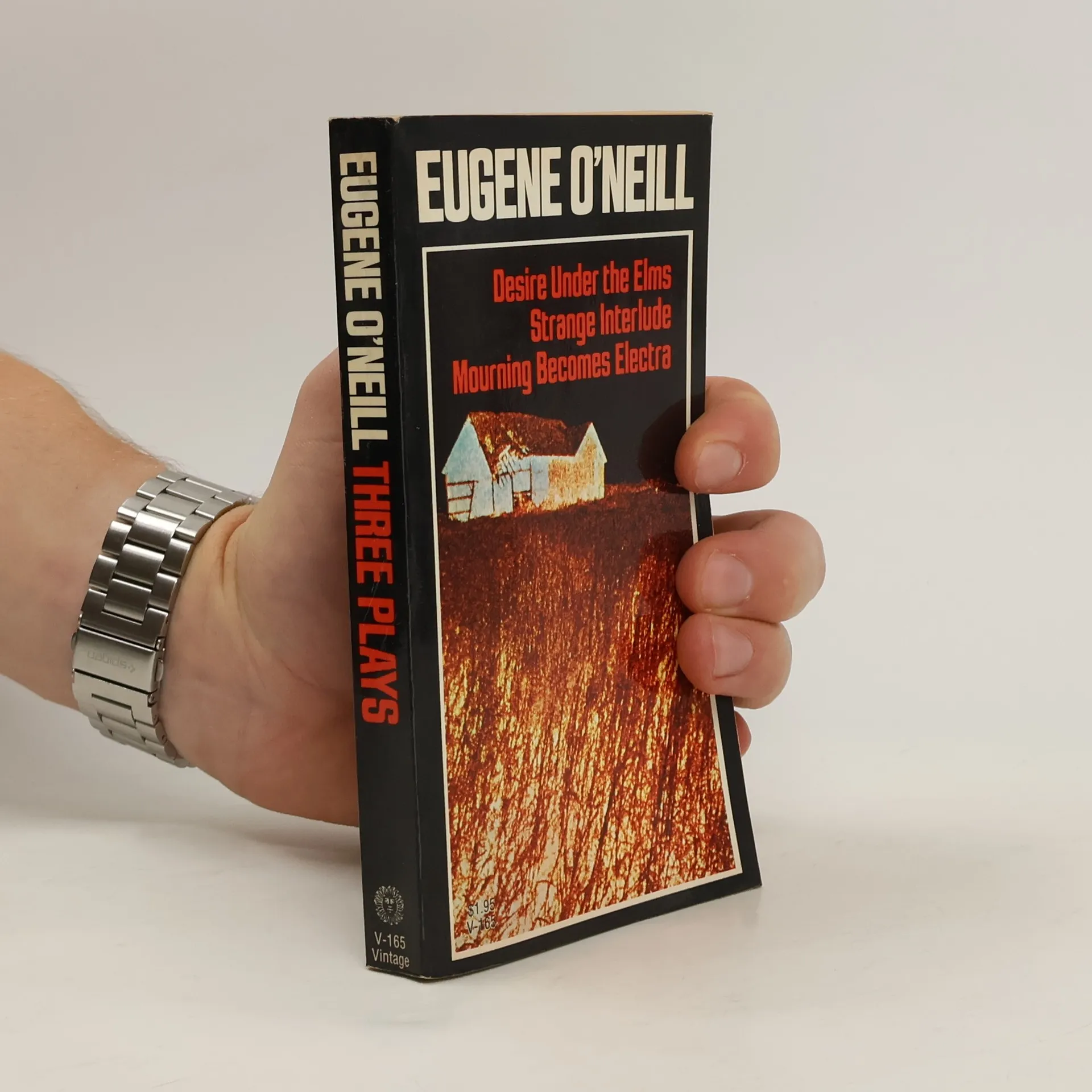
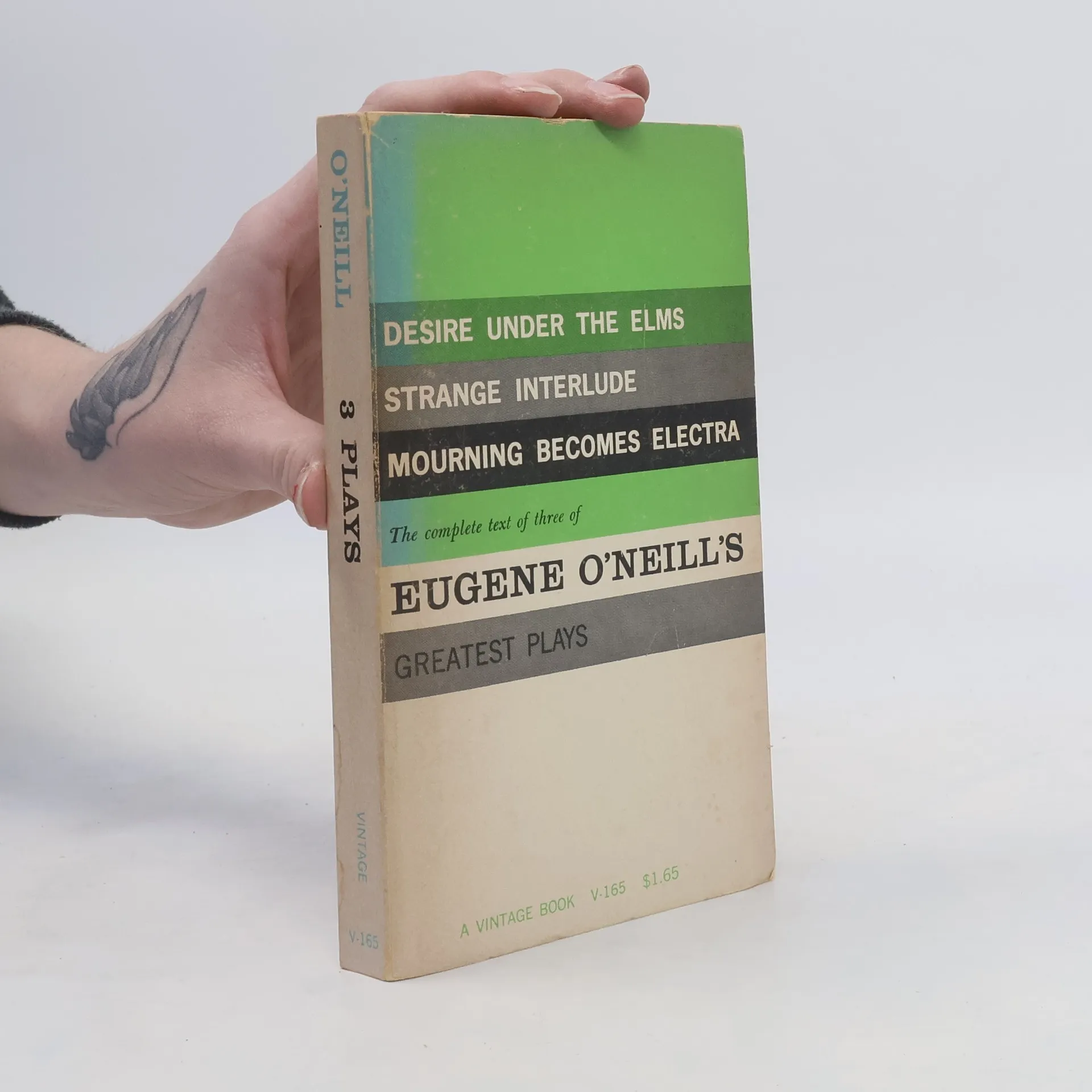
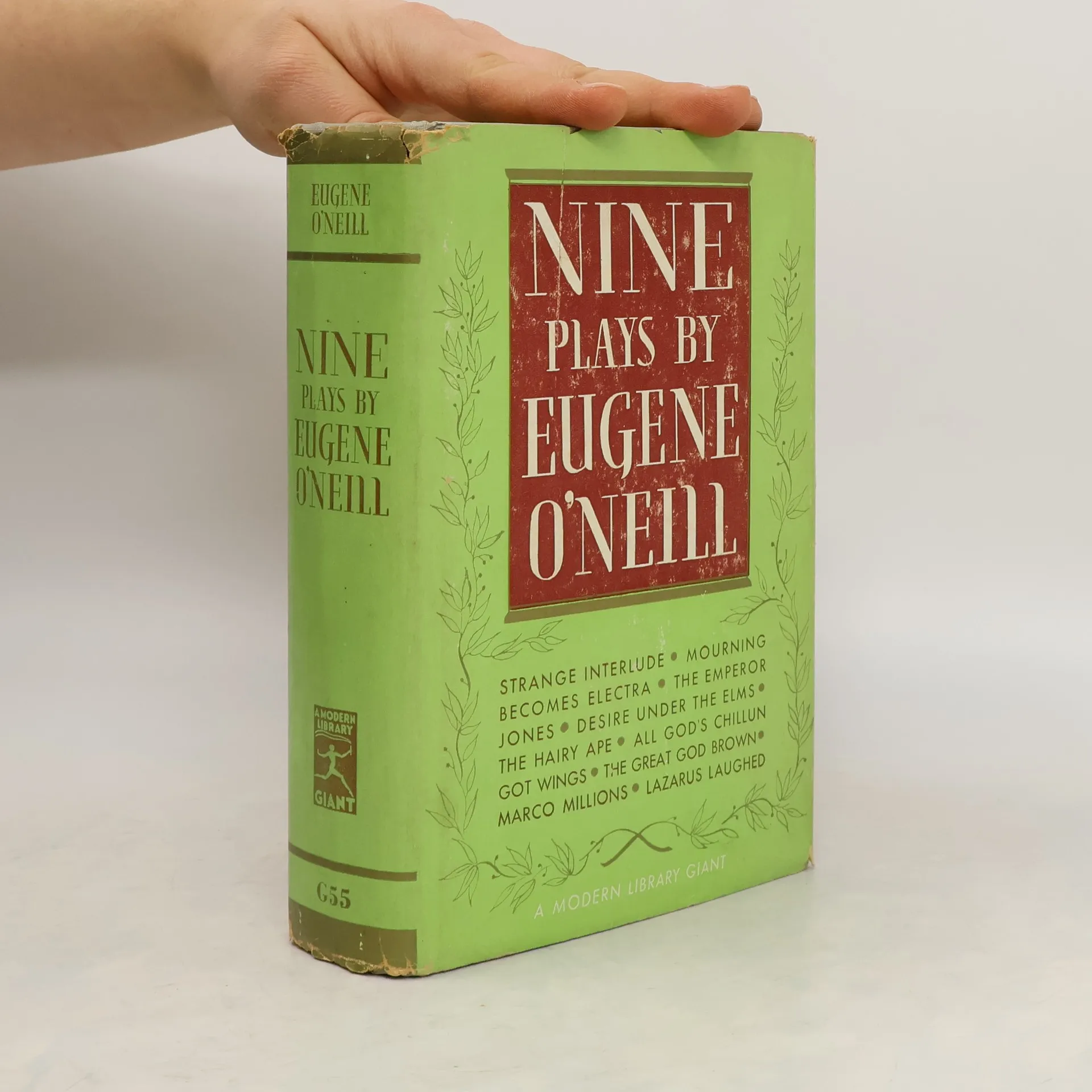
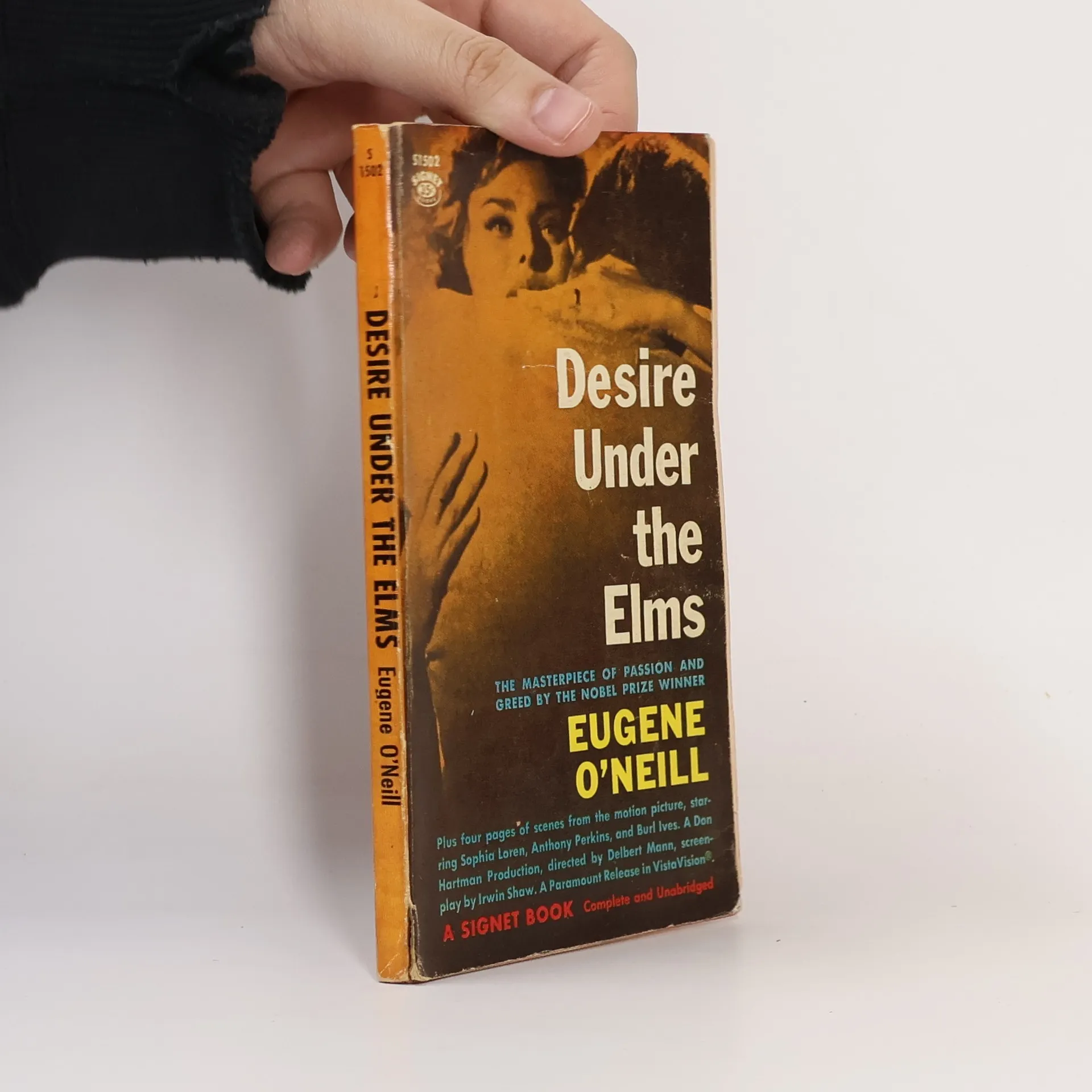
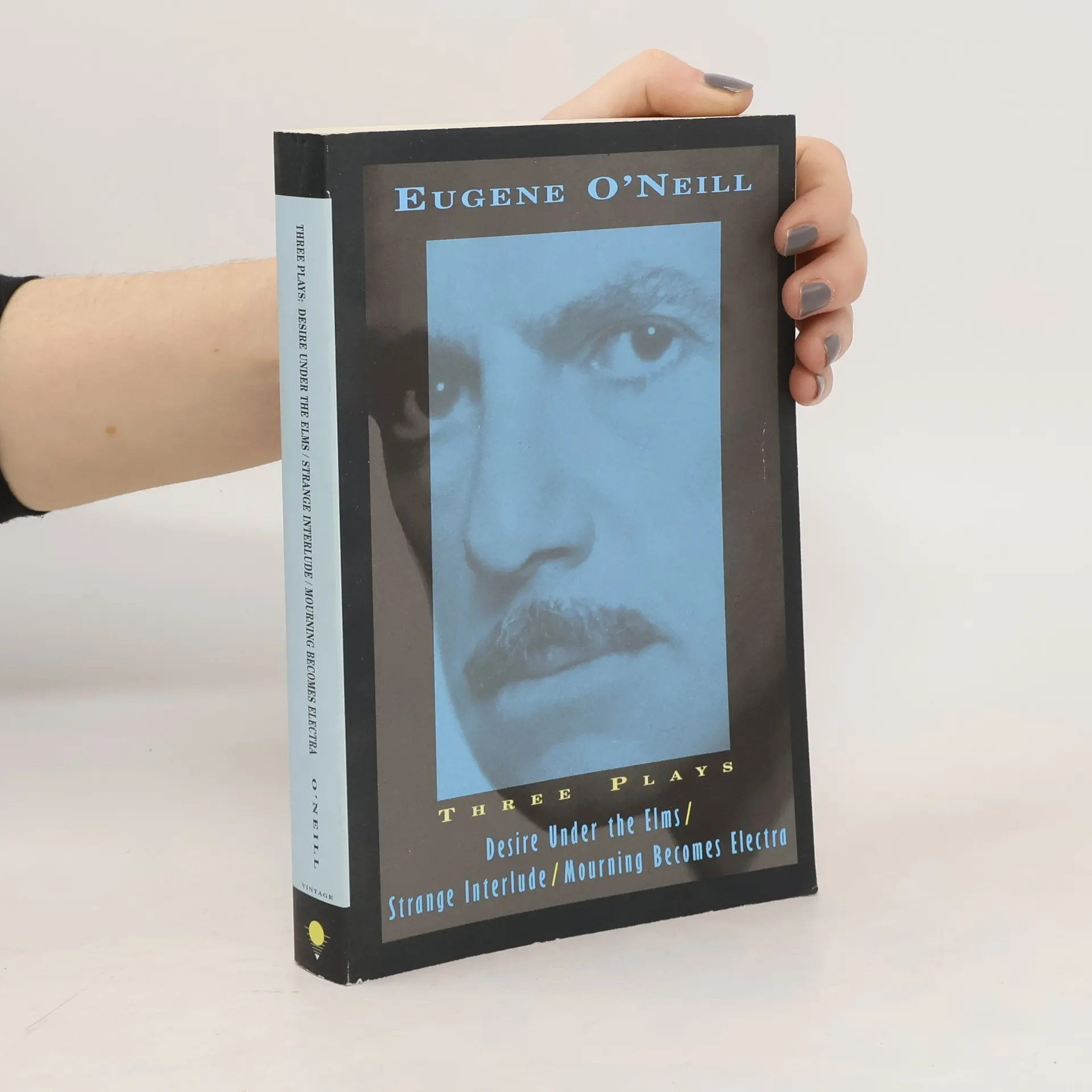
Desire Under the Elms. Strange Interlude. Mourning Becomes Electra
- 376 Seiten
- 14 Lesestunden
The maturity and artistry of the American dramatist as shown in his 3 major works
Collects three plays from the Nobel and Pulitzer prize winning playwright.
Strange Interlude
- 224 Seiten
- 8 Lesestunden
The Pulitzer Prize-winning play delves into the intricacies of the human psyche, exploring themes of love and loss through its innovative use of soliloquies. Characters reveal their innermost thoughts and emotions, creating a rich tapestry of conflicting desires and existential dilemmas. Set against the backdrop of early 20th-century America, the narrative challenges conventional storytelling, offering a profound examination of the human condition and the impact of societal expectations on personal relationships.
The Hairy Ape
- 71 Seiten
- 3 Lesestunden
Although one of his lesser known one-act plays, "The Hairy Ape," written in 1922, followed the success of his first two Pulitzer Prize-winning plays. This drama follows the disturbing dehumanization of Yank, a ship's fireman and a representation of the lower class. He feels superiority from his brute strength until he meets Mildred, the well-intentioned daughter of an extremely wealthy steel magnate. She initiates Yank's uncertainty and disillusionment concerning his place in society and humanity, leading to his bitter anger and ultimate demise. While the character of Long introduces hints of socialist ideas in the play and Paddy wistfully recalls the days before machinery, these commentaries serve to enhance the powerful conviction of the terrible human toll of industrialization. "The Hairy Ape" was received largely as thought-provoking entertainment in O'Neill's day, and it continues to provide readers today with an insightful view of a pivotal time in American society, ultimately exploring human nature and a society that would endanger and disassociate many of the hard-working people within it.
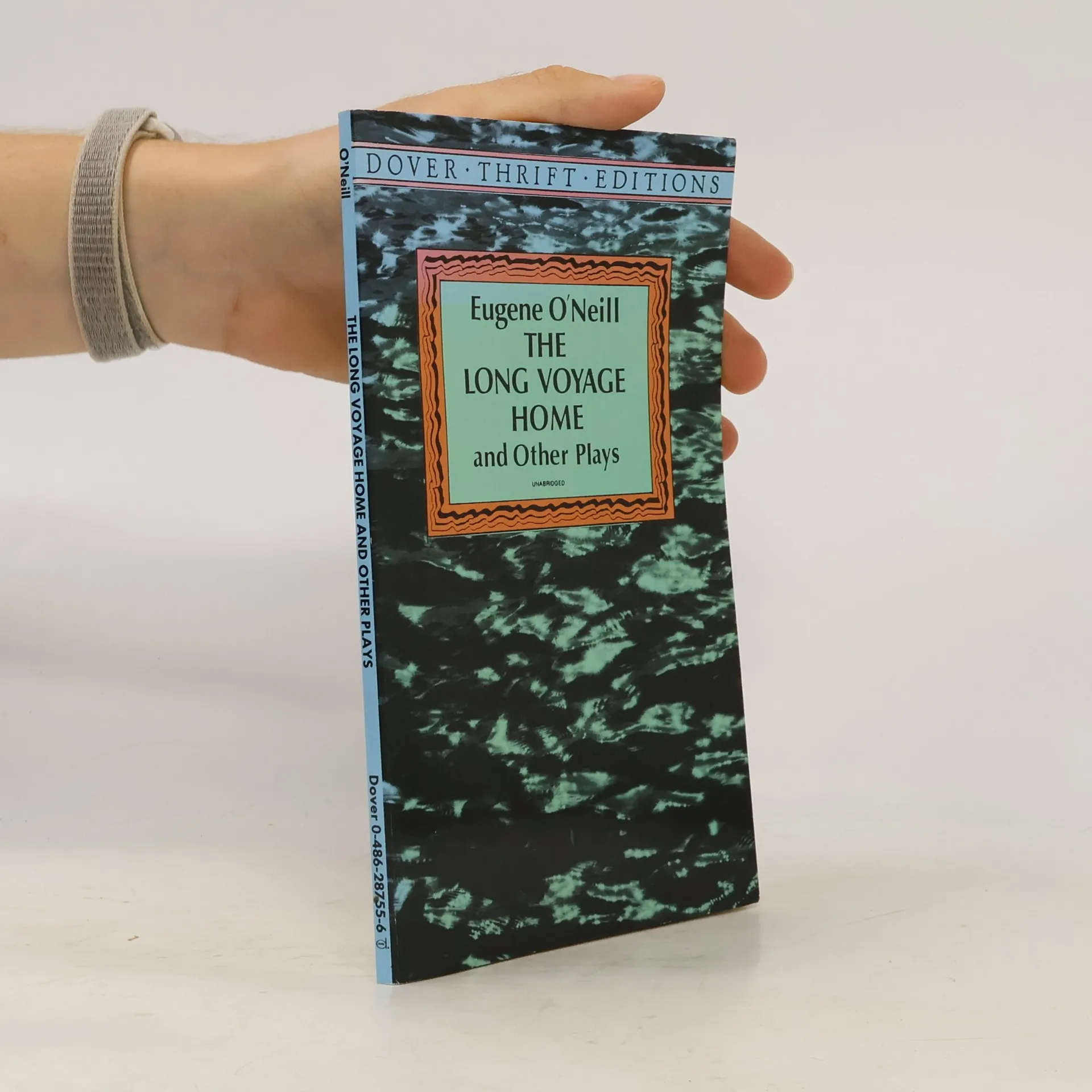
Dover Thrift Editions: The Long Voyage Home and Other Plays - Unabridged
- 80 Seiten
- 3 Lesestunden
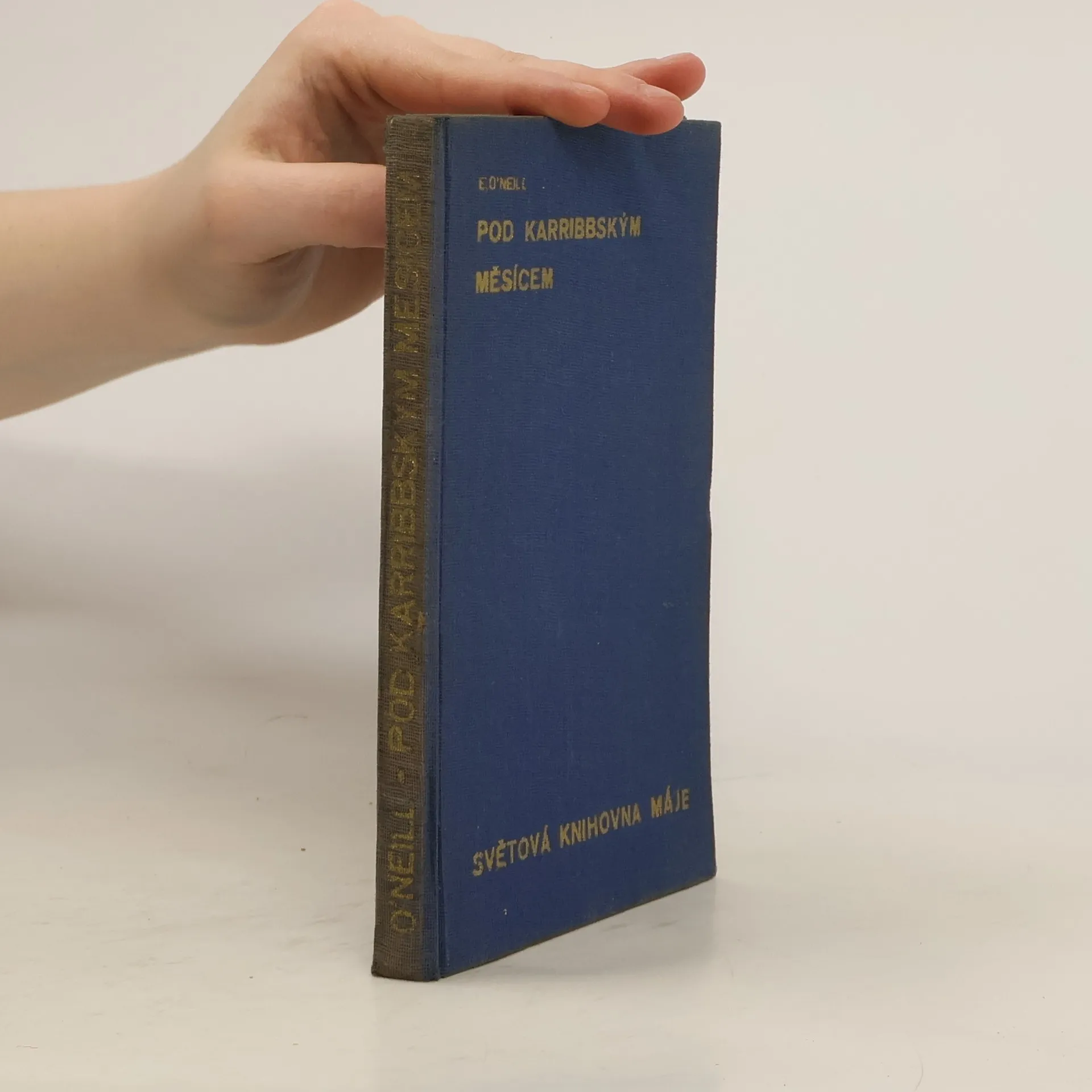
From one of America’s greatest playwrights, 4 of his finest short plays. Written between 1913 and 1917 and filled with moody, intense and fascinating characters entrapped by larger forces, they include Bound East for Cardiff, In The Zone, The Long Voyage Home and The Moon of the Caribbees.
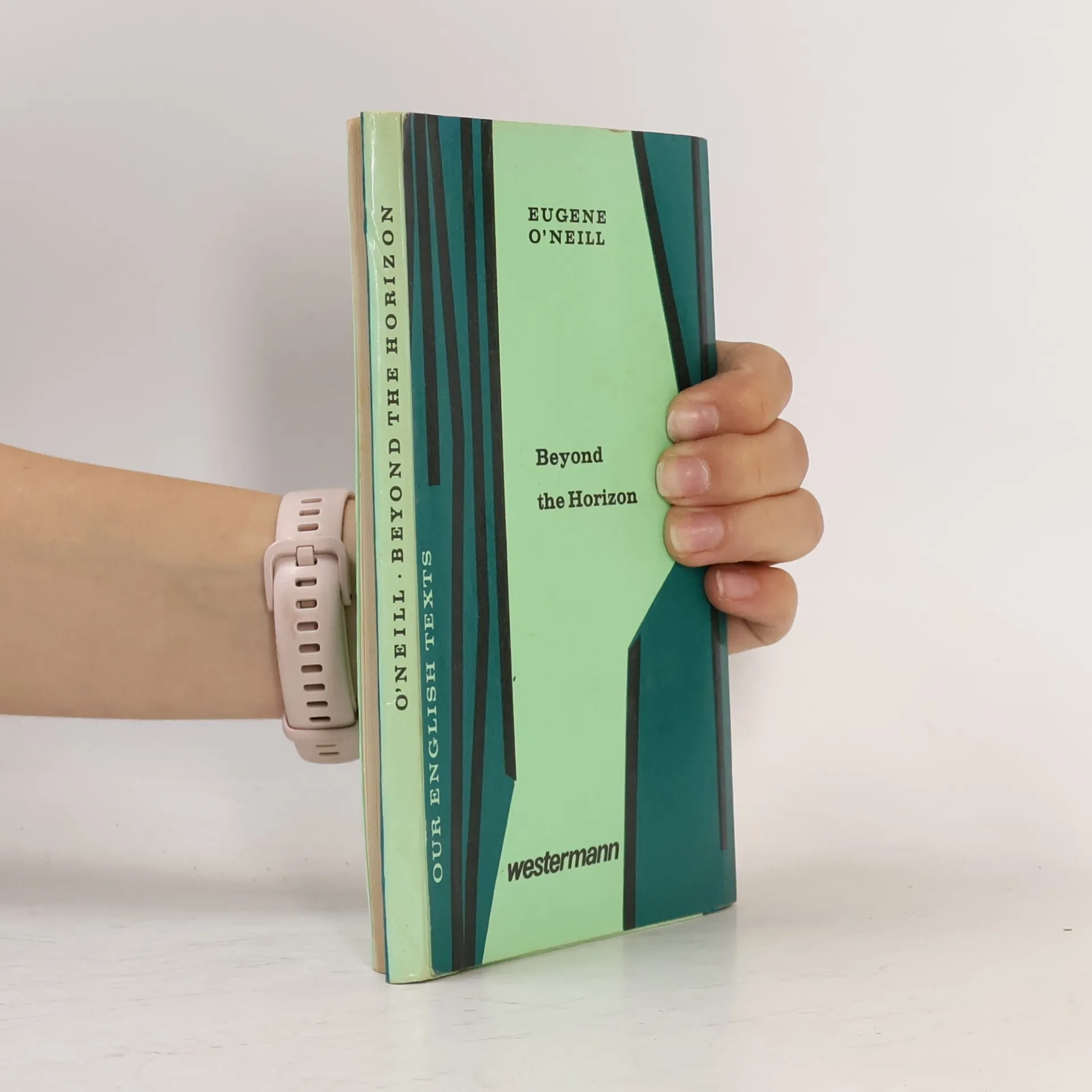
Our English Texts: Beyond the Horizon
A Play in Three Acts - 8./9. Jahr Englisch.
- 133 Seiten
- 5 Lesestunden
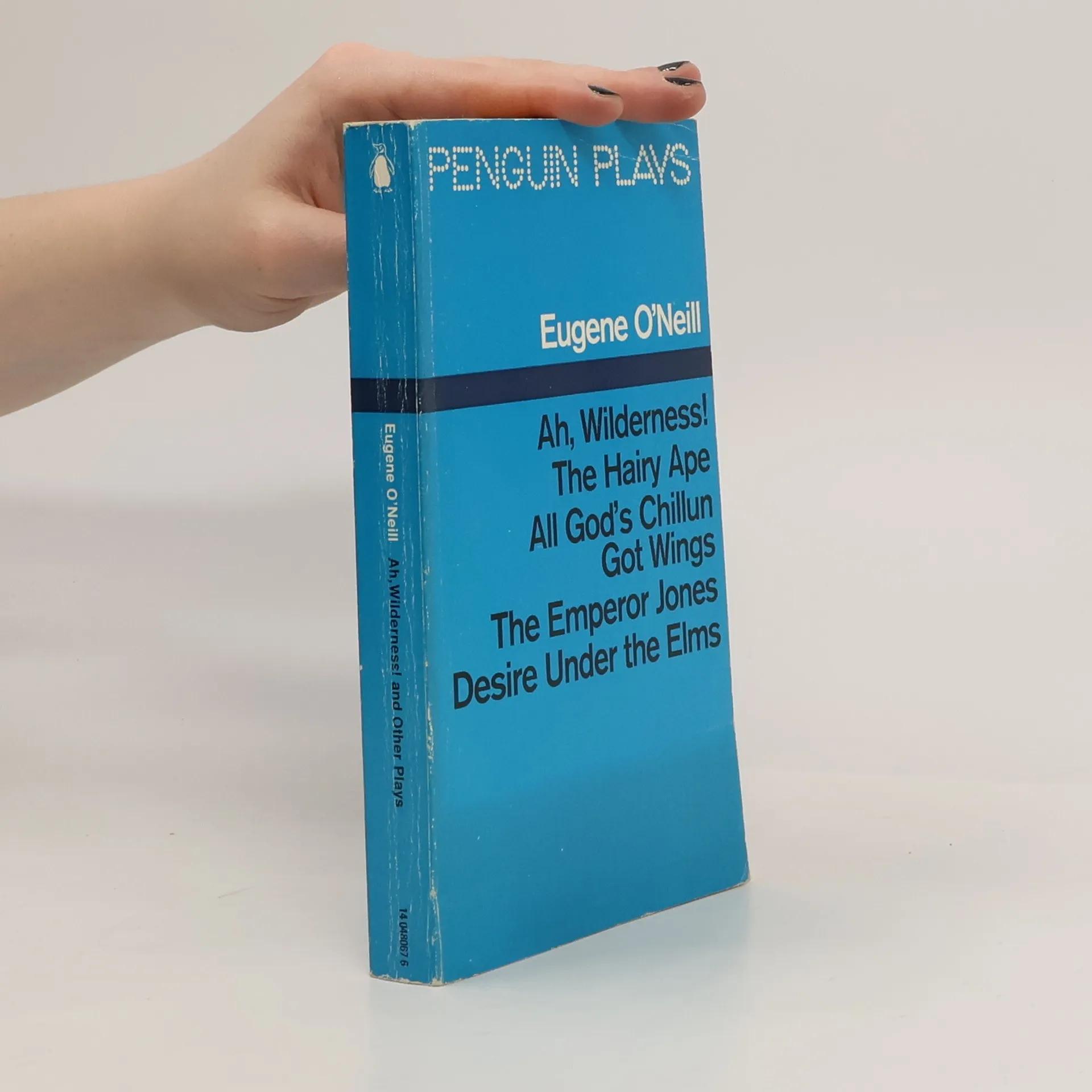
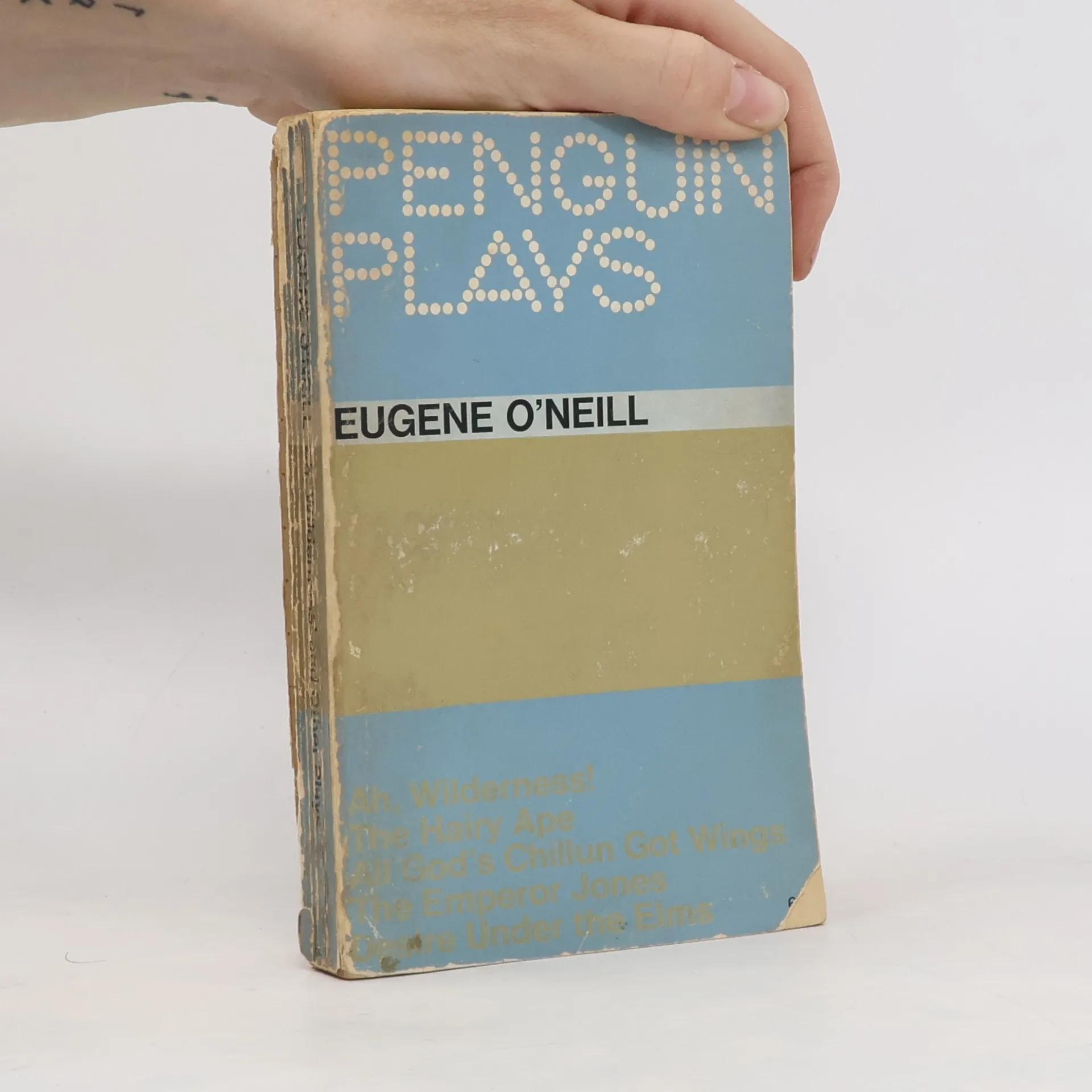
Penguin Plays
Ah, Wilderness!; The Hairy Ape; All God's Chillun Got Wings; The Emperor Jones; Desire Under the Elms
Ah, Wilderness! and Days Without End
- 272 Seiten
- 10 Lesestunden
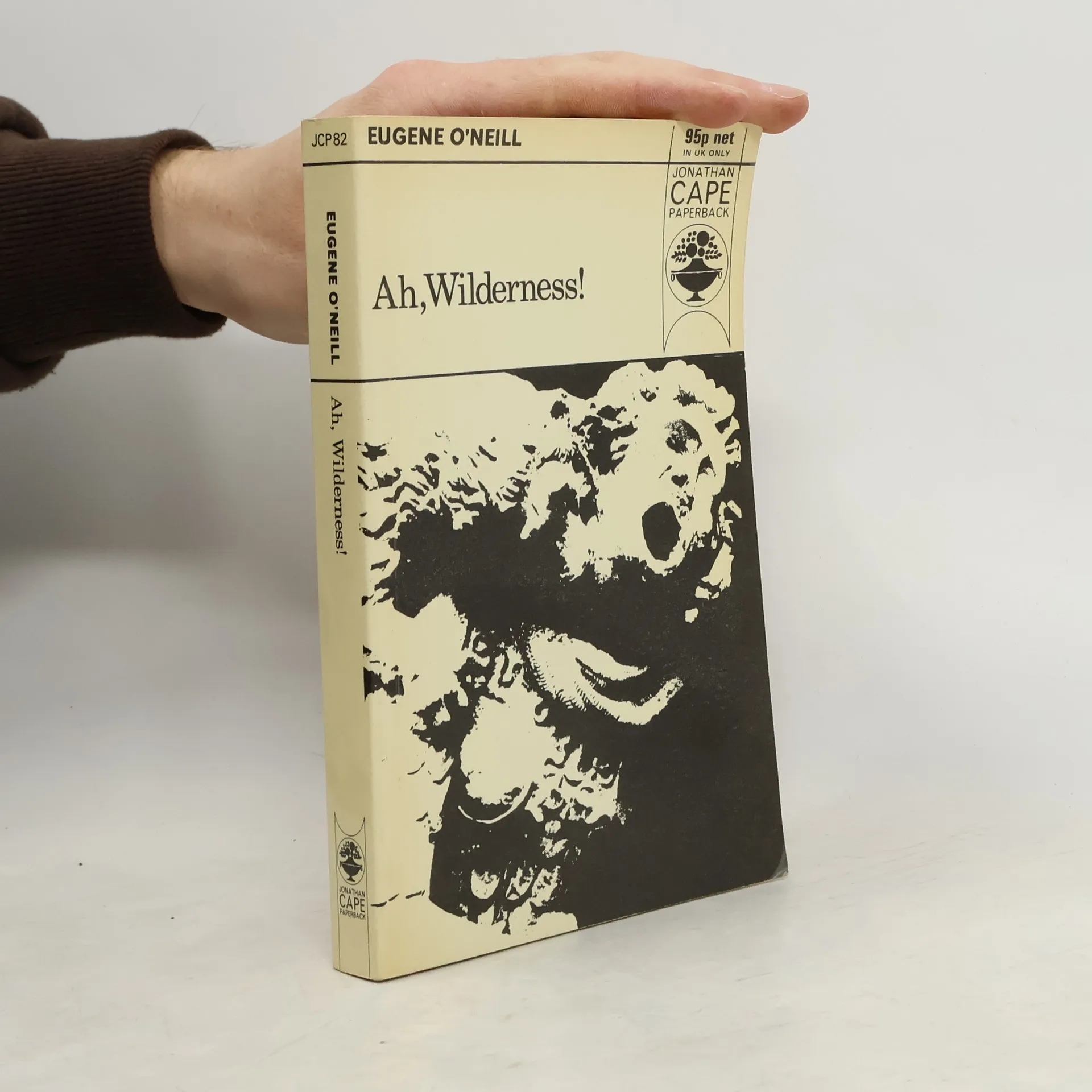
Ah, Wilderness! and Days Without End presents two plays by Eugene O'Neill, set primarily in the Miller home in a small Connecticut town during the early morning of July 4th, 1906. The narrative unfolds across various scenes, beginning in the sitting room and transitioning through the dining room, a bar, and back to the sitting room, capturing the essence of family life and social interactions during this festive day. The characters include Nat Miller, the owner of the "Evening Globe," his wife Essie, their daughter Muriel, and various family members and friends, such as Tommy, Sid Davis, and Wint Selby, who add depth to the unfolding drama. The setting is characterized by a cheerful yet homely atmosphere, with furnishings reflecting the era's medium-priced taste. As the day progresses, the scenes shift from the morning's bright optimism to the evening's complexities, revealing the intricacies of familial relationships and the societal expectations of the time. The play captures the essence of American life, exploring themes of love, aspiration, and the bittersweet nature of existence, all set against the backdrop of a holiday that symbolizes both celebration and reflection. O'Neill's work invites audiences to engage with the characters' joys and struggles, offering a poignant glimpse into the human experience.
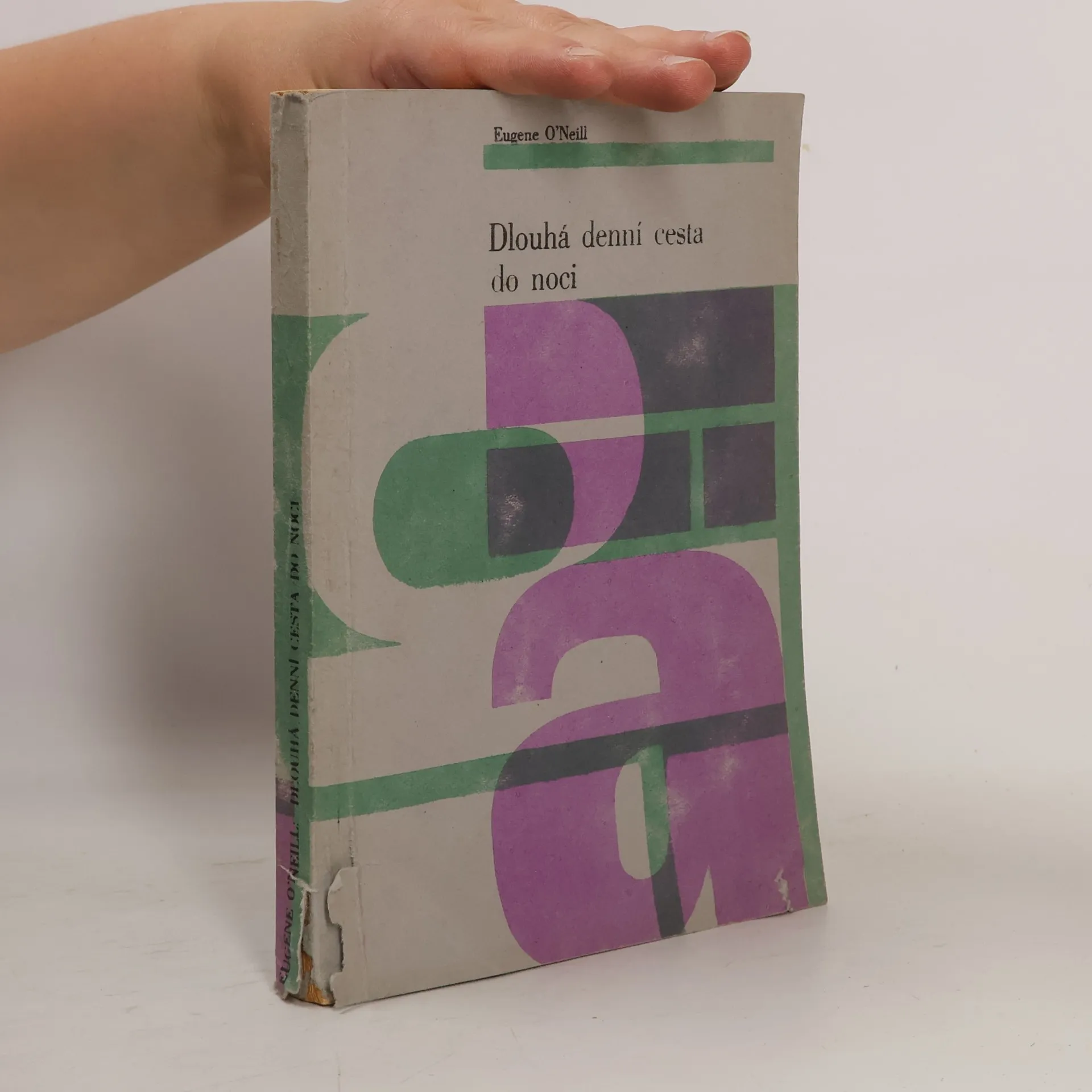
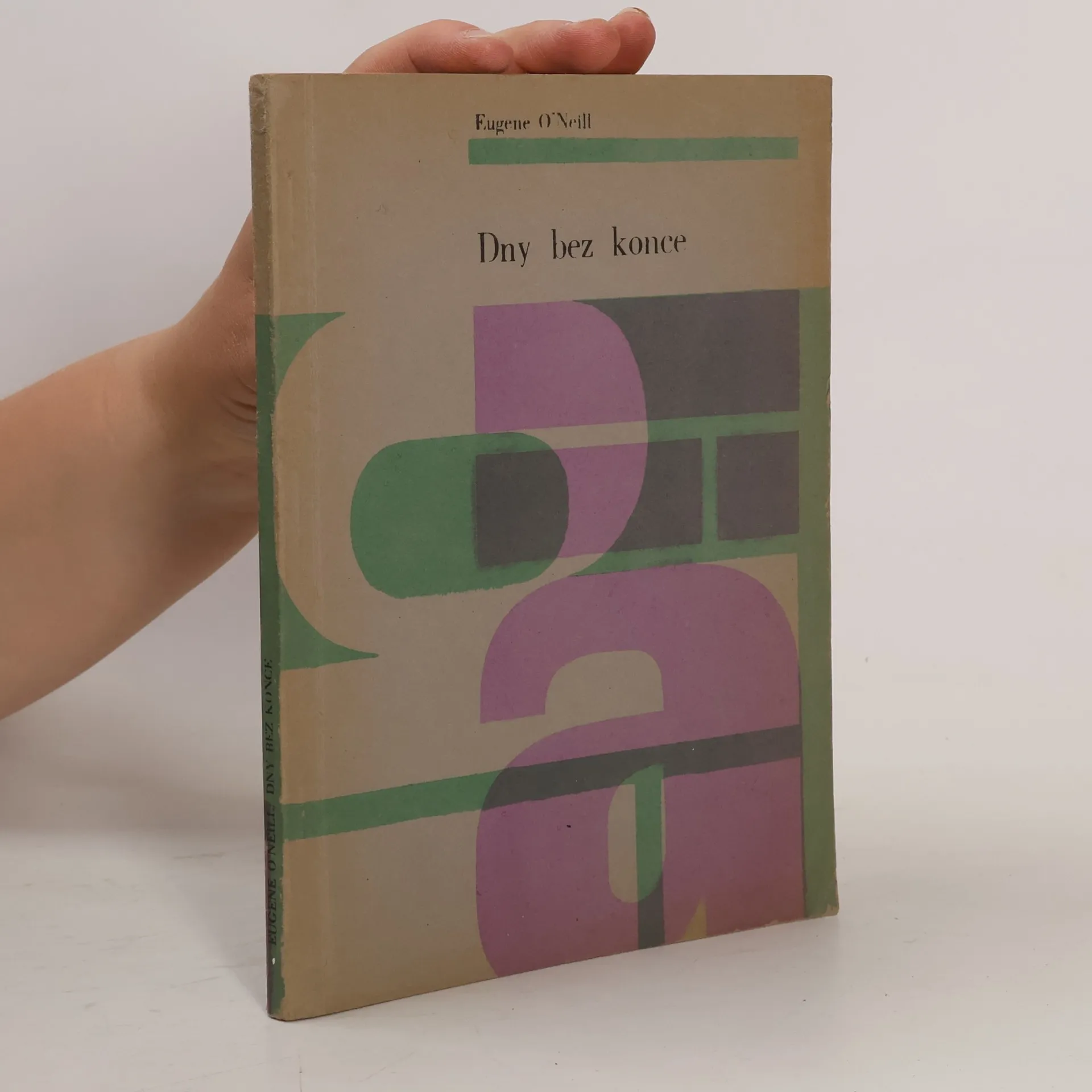
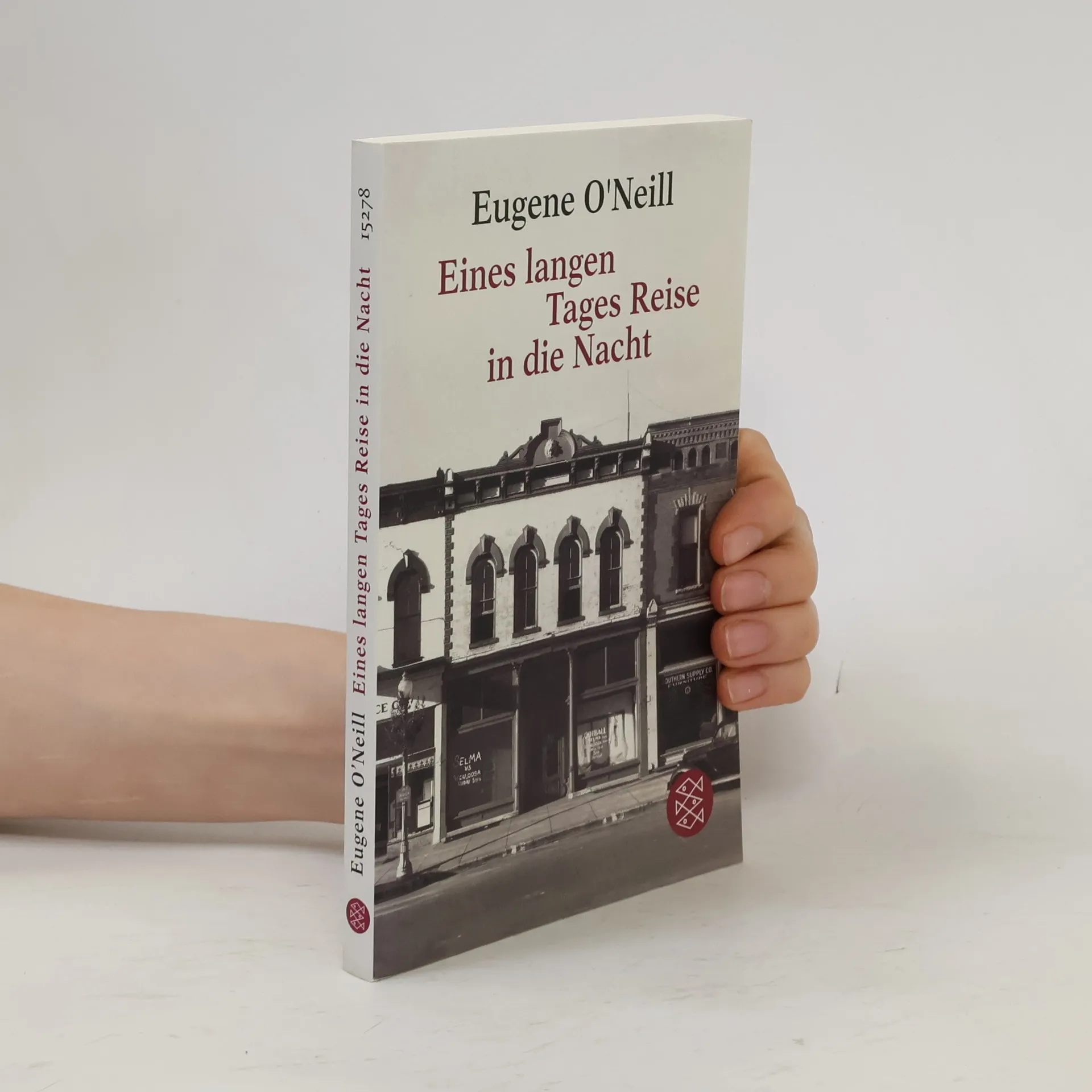
V listopadu 1945 odevzdal O'Neill svému newyorskému nakladateli rukopis dramatu Cesta dlouhým dnem do noci s přáním, aby byl zveřejněn nejdříve dvacet pět let po jeho smrti. Avšak již v roce 1955, necelé dva roky po dramatikově úmrtí, požádala O'Neillova vdova o jeho vydání a kopii rukopisu poslala Královskému dramatickému divadlu ve Stockholmu. Zde měla světovou premiéru 2. února 1956. Už za O'Neillova života se vědělo, že se jedná o autobiografickou hru, stejně jako bylo známo, proč se autor brání jejímu uvedení: jeden z jejích protagonistů byl dosud naživu. Později se ukázalo, že touto postavou je sám O'Neill. Kromě sebe vypodobnil ve hře svého otce, matku a staršího bratra Jamese. Téměř vše v ní odpovídá skutečnosti: otcovo skrblictví, matčina narkomanie, bratrův alkoholismus, O'Neillovy souchotiny. Děj hry je zhuštěn do jediného srpnového dne roku 1912. O'Neill se v tomto dramatu „dávné strasti, napsaném slzami a krví“ odvážně postavil tváří v tvář vlastní minulosti a svým nejbližším a podal o nich dojemnou uměleckou výpověď o lidském utrpení, které nahlíží s hlubokým soucitem, pochopením a odpuštěním.
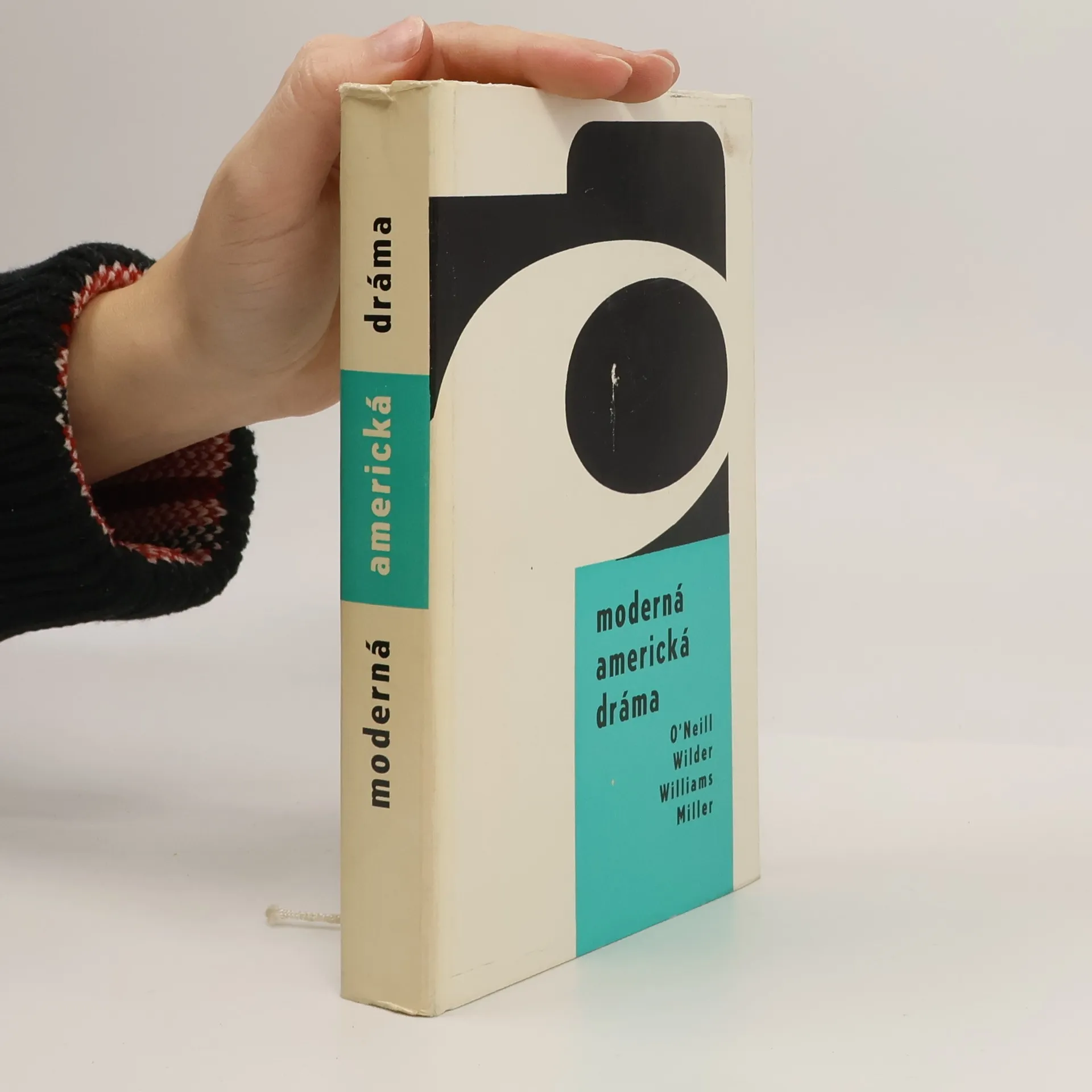
E.O´Neill: Ľadár prichádza, T. Wilder - Iba o vlások, T. Williams - Kráľovská cesta, A. Miller - Skúška ohňom
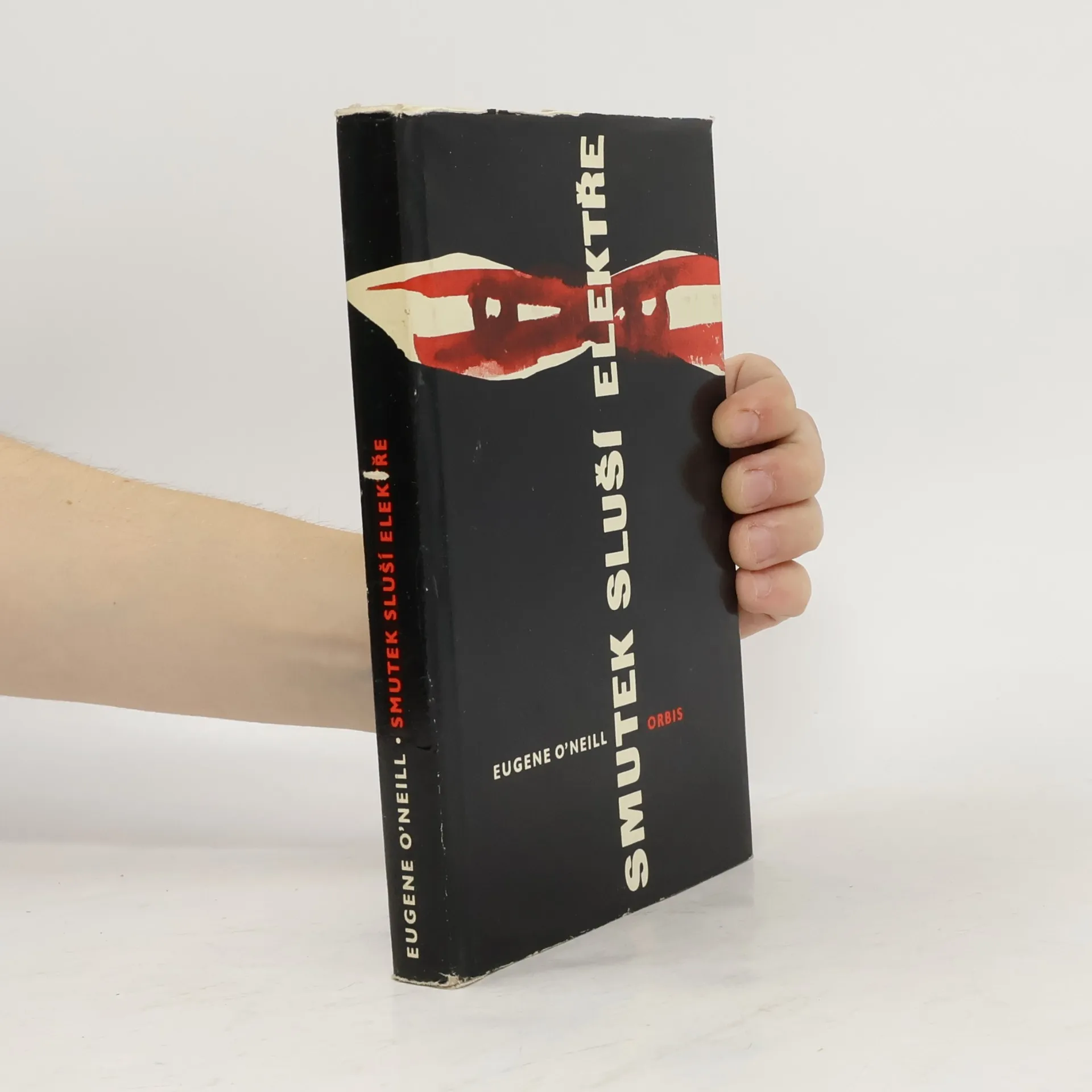
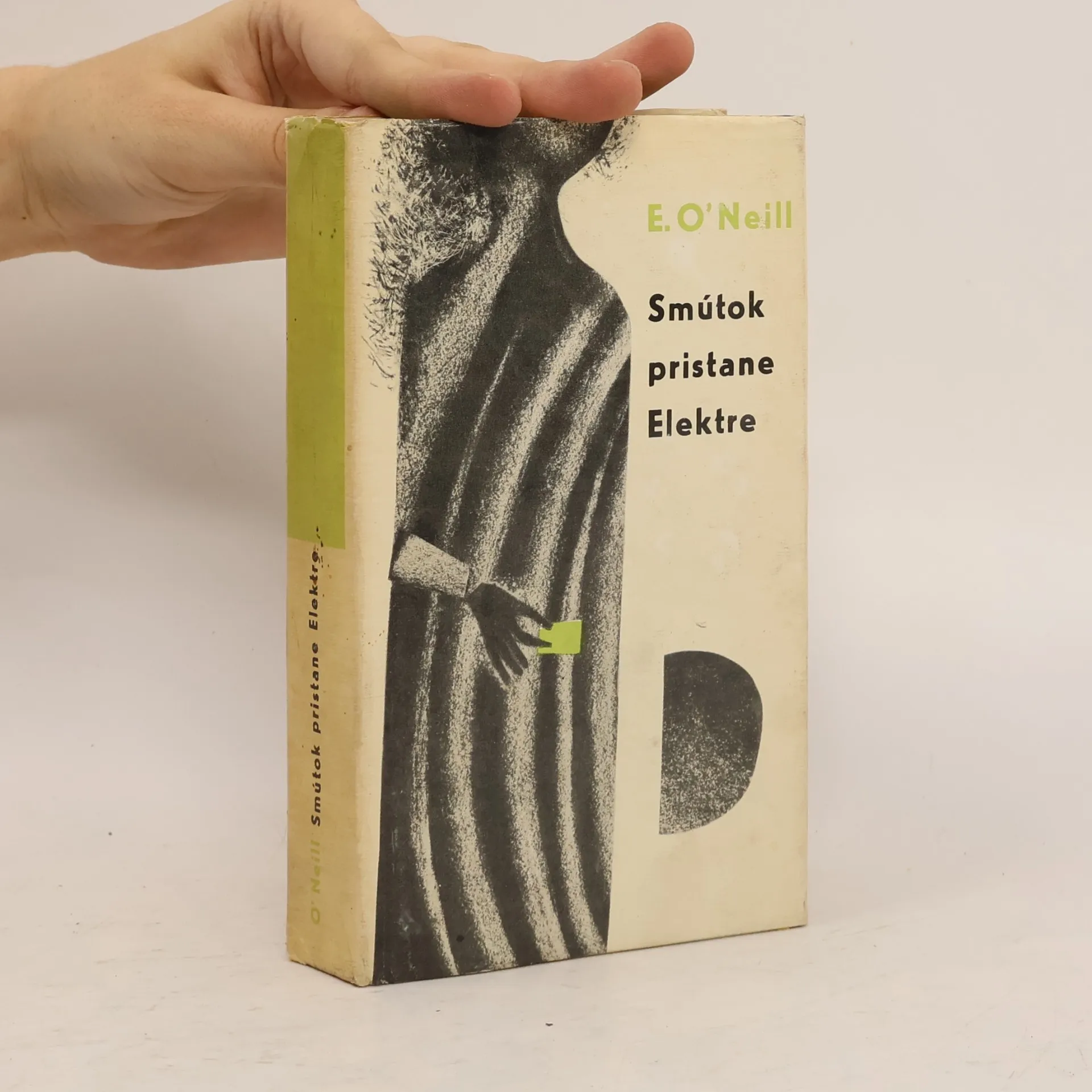
Vrcholné O'Neillovo drama, vycházející z mytické příběhu, který známe z dramatického zpracování všech tří řeckých klasiků: Aischyla, Sofokla i Euripida. O'Neill se ovšem jen inspiruje dějovou a významovou kostrou a vlastní příběh přenáší do Spojených Států v polovině 19. století.
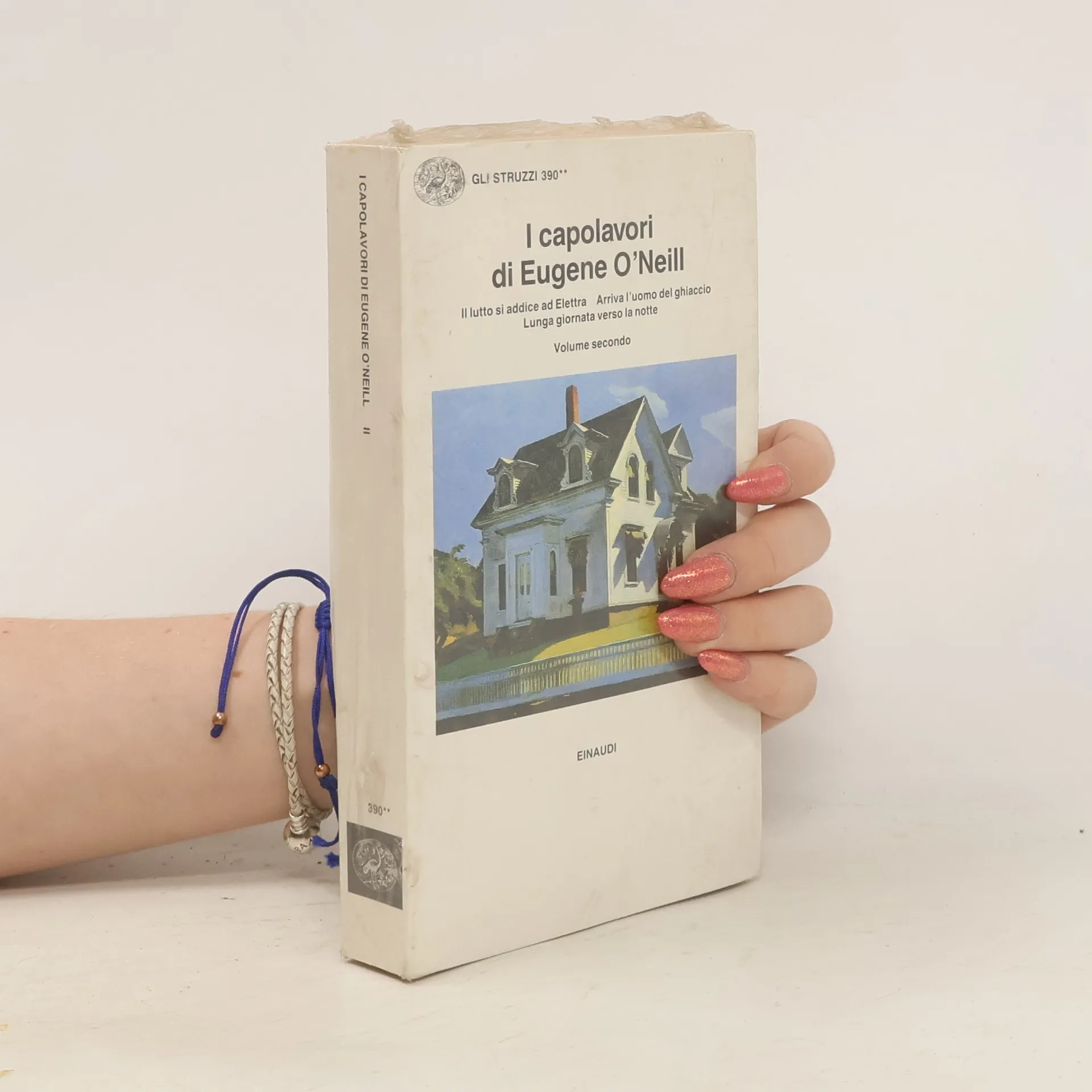
Tutto il teatro di O'Neill è la messinscena di una violenza sorda, sotterranea, la cui epifania è solo a tratti esemplificata dai fatti apertamente tragici del racconto. Violenza e desiderio in continua oscillazione, antagonisti, ma in realtà così simili che raramente si possono addebitare a un personaggio singolo. È vero che si alternano e si raccontano dialetticamente, ma si rivelano componenti di una stessa entità, così da doversi dubitare che appartengano ad altri (il Fato, le Furie?), fuori da un dramma individuale. Che è però moltiplicato e riflesso. E mentre è un dramma della stasi in quanto dramma di un'alternanza continua, contiene motivazioni sociologiche e psicologiche, private e collettive (con forti riverberi ideologici, religiosi, etici), non districabili. Se è vero che il dramma è questo, si capisce che l'archetipo del viaggio verso la conoscenza è da leggersi come ansia di ritorno e paura del ritorno, come intuizione di un essere già stato che conferma l'esilio nel desiderio. Ovvero la vita come una specie di morte temporanea. La condizione fissa (il movimento è apparente, il viaggio è nell'oscillazione che riconduce a un punto mediano) è quella della perdita delle illusioni e della loro necessità, della consapevolezza della perdita e del rifiuto di tale consapevolezza "per ereditare il futuro". (Roberto Sanesi)
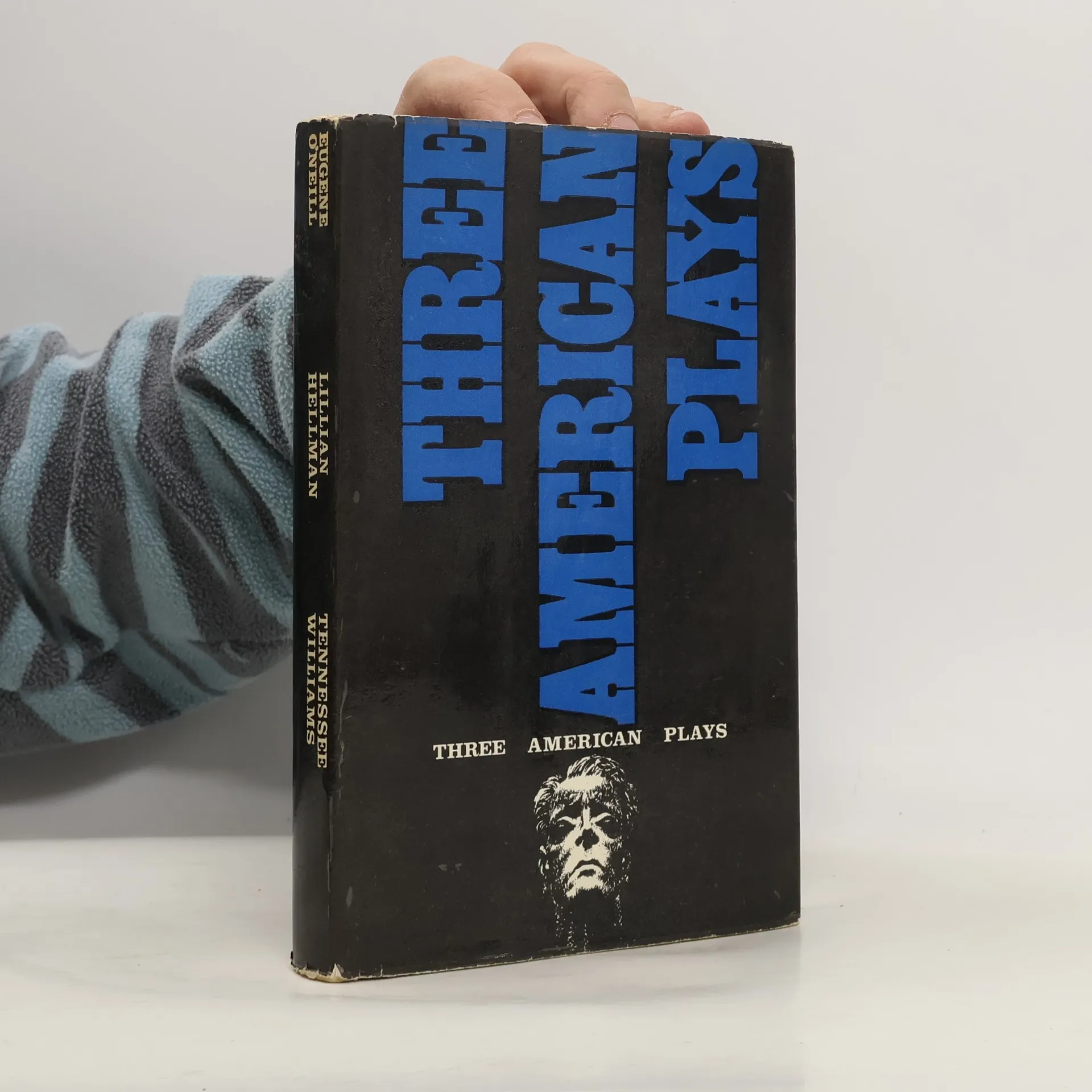
Winner of the Nobel Prize These three plays exemplify Eugene O'Neil's ability to explore the limits of the human predicament, even as he sounds the depths of his audiences' hearts.
Hra o třech dějstvích. Drama o moderním zázraku.
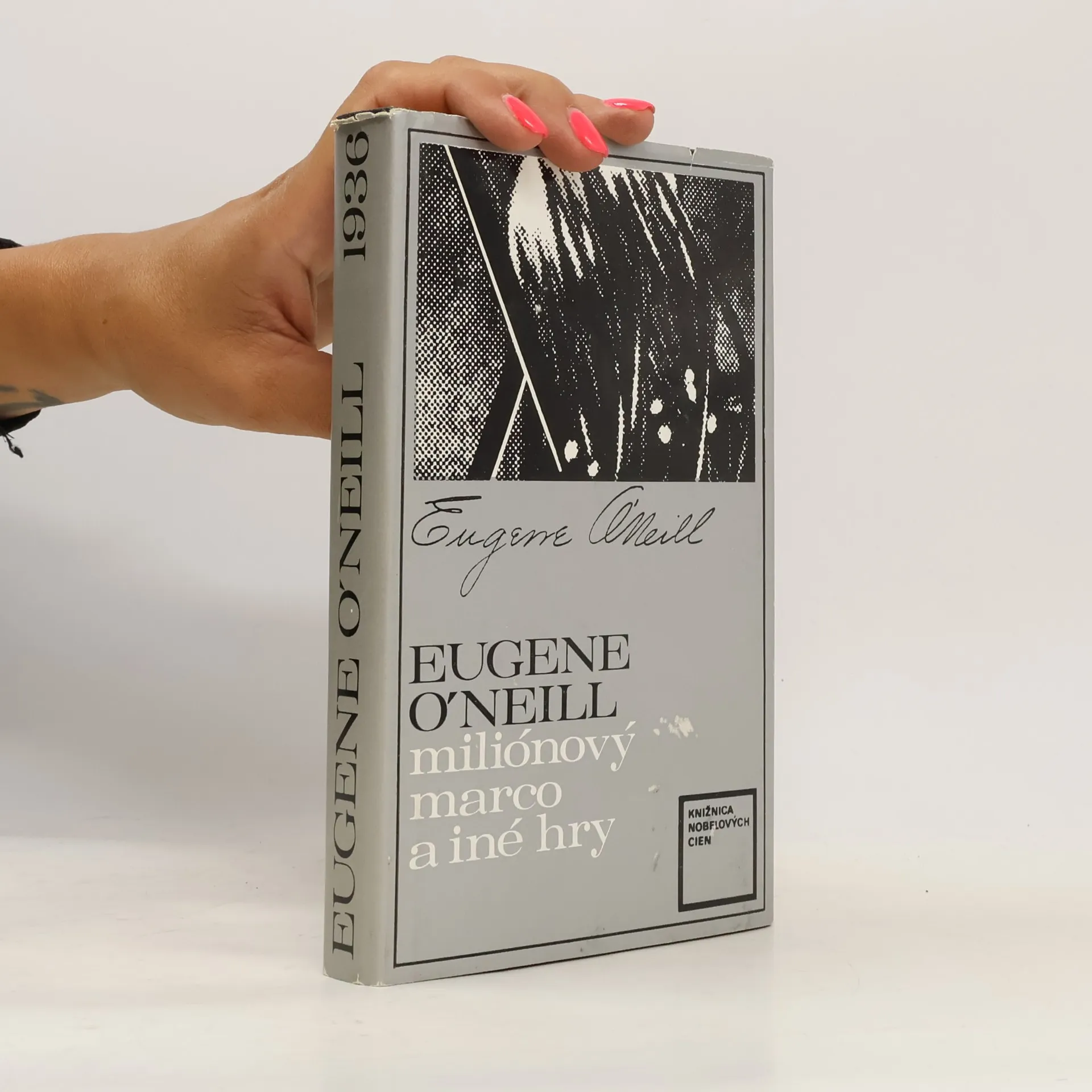
"Mŕtvy padol gigantický spisovateľ; veľký duch, náš najväčší dramatik nás opustil a náš divadelný svet je teraz menší a obyčajnejší," oznamoval divadelný kritik Times-u Brook Atkinson smrť najvýznamnejšieho amerického dramatika, nositeľa Nobelovej ceny Eugena O´Neilla. Autor skoro pol stovky dlhých i krátkych hier je vlastne otcom modernej americkej drámy. S neobyčajným citom pre ľudské nešťastie a vášne vytvoril celý rad moderných tragédií, ktoré ostávajú trvalými hodnotami svetovej literatúry. Počas celého plodného života písal podľa vlastného presvedčenia, nedal sa zlákať priveľkým úspechom ani odradiť neúspechom. O svojej práci raz vyhlásil: "Písanie pre mňa znamená dovolenku od života." (z anotácie na prebale) Obsahuje: Miliónový Marko; Veľký boh Brown; Cisár Jones; Ach, divočina.
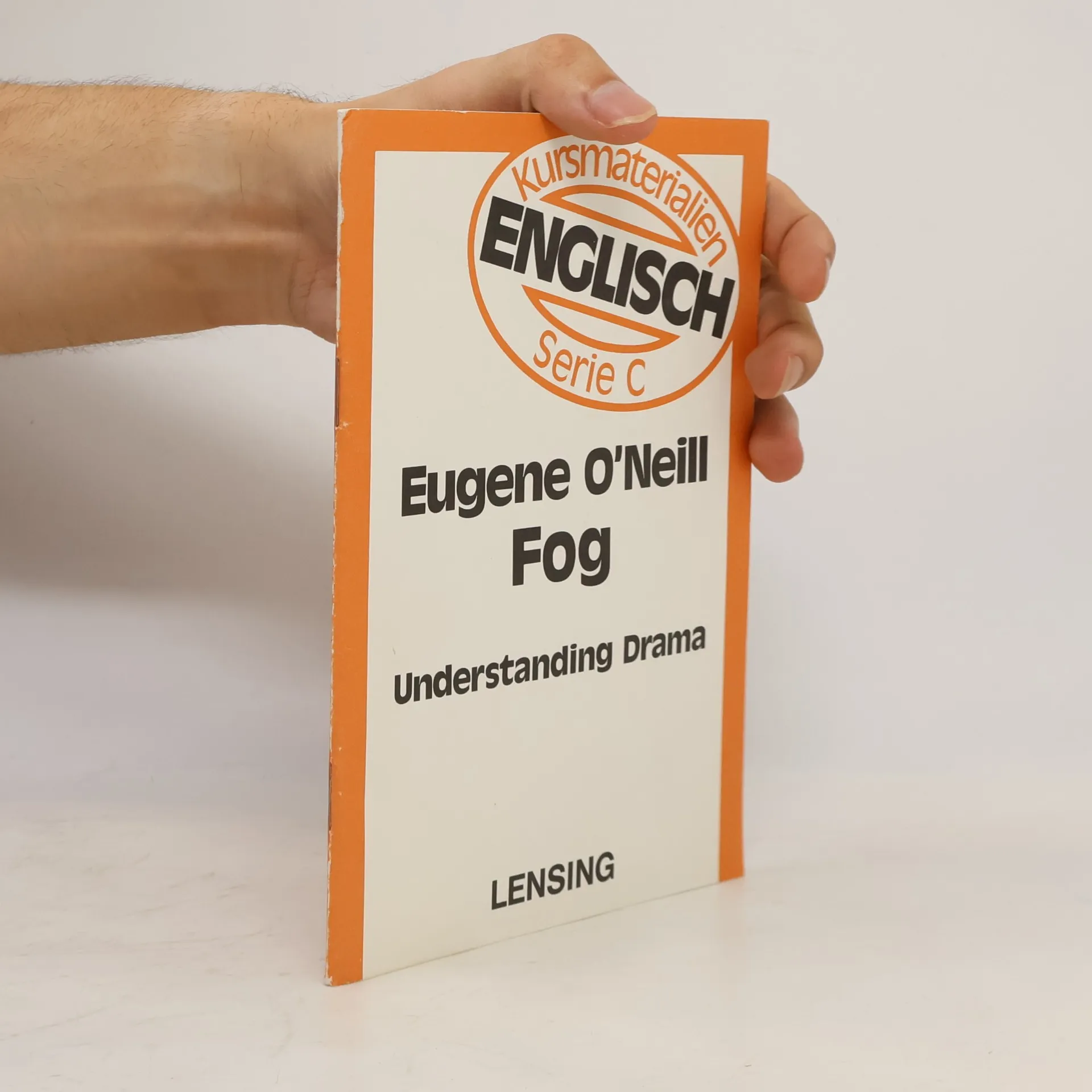
Kursmaterialien Englisch - C: Fog
Understanding Drama - Schülerausgabe