

Gratis Versand in ganz Österreich
Bookbot

Zenju Earthlyn Manuel

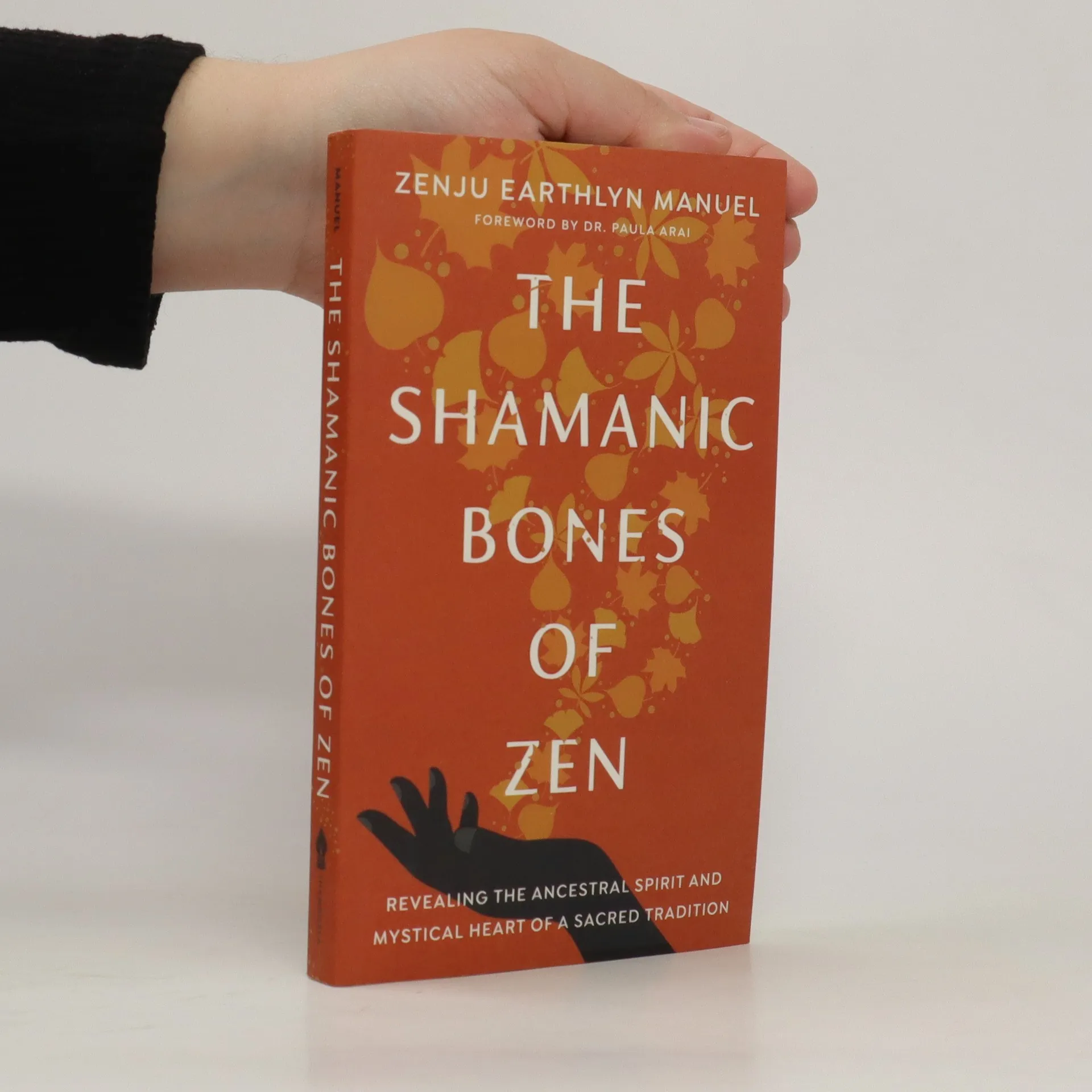
    The Shamanic Bones of Zen
    Opening to Darkness
    The Deepest Peace
    • The Deepest Peace

      • 192 Seiten
      • 7 Lesestunden
      4,4(60)Abgeben

      This beautiful glimpse into the mind of a modern Zen priest shows us how we can cultivate and experience peace through silence, stillness, and practice. “A balm for our troubled hearts and minds . . . soulful, warm, and welcoming, and—at times—heartbreaking.” —Lion's Roar While there is suffering in the world and in each of us, there is also the possibility and the experience of peace. As Zenju Earthlyn Manuel—a Zen priest and disciple of Thich Nhat Hanh who has written at length on race, gender, sexual orientation, and homelessness—writes in the introduction: “I have testified many times of my suffering. Before I die, I must speak of peace.” The Deepest Peace is a poetic, lyrical ode to the ways contemplative practice illuminates daily life. It is at once a window into Zenju’s personal practice and an invitation to begin our own.

      The Deepest Peace
    • Opening to Darkness is a profound exploration of darkness, drawing on the ancient wisdom found in Zen Buddhism and African and Native American indigenous traditions. It is through this spiritual journey that we disrupt how we relate to darkness and blackness and our constant longing for light.

      Opening to Darkness
    • The Shamanic Bones of Zen

      • 192 Seiten
      • 7 Lesestunden

      The author reflects on their spiritual journey, feeling a connection to ancestors through the practice of Zen. They acknowledge their experiences with African and Native American rituals, though lacking full initiation in those traditions. Their background in a black church reveals subtle African cultural influences, yet the church's strict adherence to a cappella hymns and suppression of African elements shaped their early beliefs. This "bare" Christianity, rooted in the Restoration Movement, instilled a sense of simplicity that later resonated with their embrace of Buddhism, particularly Japanese Buddhism. The author left the church due to various reasons, including the exclusion of women from preaching roles, recognizing a calling to teach that was not supported in their conservative environment. Ultimately, they found solace in Nichiren Buddhism and Zen, where they learned to be still and breathe, allowing their ancestors to guide them. This practice became a daily communion with their ancestors, enriching their spiritual path beyond mere ceremonial observance.

      The Shamanic Bones of Zen