Pflege im Fokus - verstehen und handeln
1. und 2. Ausbildungsdrittel



1. und 2. Ausbildungsdrittel
Eine Analyse der Onlinenetzwerke der Theologie der Gewalt
Die vielfältigen Dimensionen des Dschihadismus werden häufig nicht angemessen erfasst. Das ganze Ökosystem des Dschihadismus zu verfassen, gelingt selten. Das vorliegende Buch gibt eine umfassende Darstellung des dschihadistischen Mediensystems bis hin zum Web 3.0 und seiner Geschichte. Die dschihadistische Theologie der Gewalt wird detailliert analysiert; auch das dschihadistische technische Denken wird erfasst. Als Fallstudie wird auf das Wiener Attentat von 2020 und die Aussagen des Attentäters eingegangen.
Lohlker analysiert die Unzulänglichkeit der Dichotomie von Religion und Säkularität in der Geschichtsdarstellung des Islam. Er untersucht die Idee von Herrschaft im islamischen Denken und integriert bisher unberücksichtigte Quellen sowie Perspektiven aus China und Südostasien.
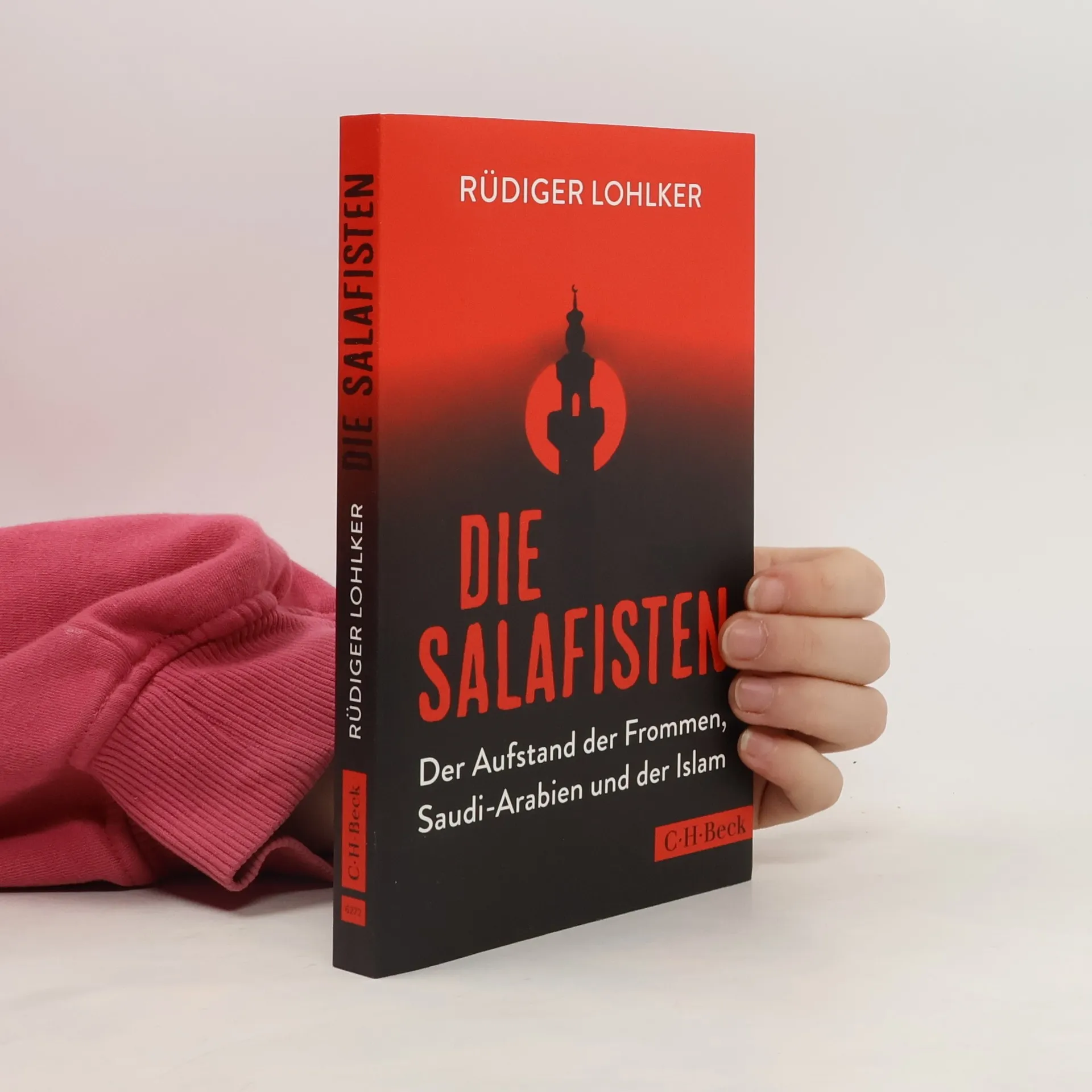
Begriffe, Irritationen, Ordnungsversuche Ursprung und Geschichte des Salafismus Salafismus, Wahhabismus und Saudi-Arabien Bewegungen und Netzwerke in der islamischen Welt Salafismus in Europa Salafismus in Deutschland Die salafistische Internationale Theologie des Salafismus Abgrenzungen Vom Wahhabismus zum Dschihadismus Perspektiven des Salafismus Wege durch das Labyrinth Anmerkungen Quellen und Literatur Glossar Personenregister
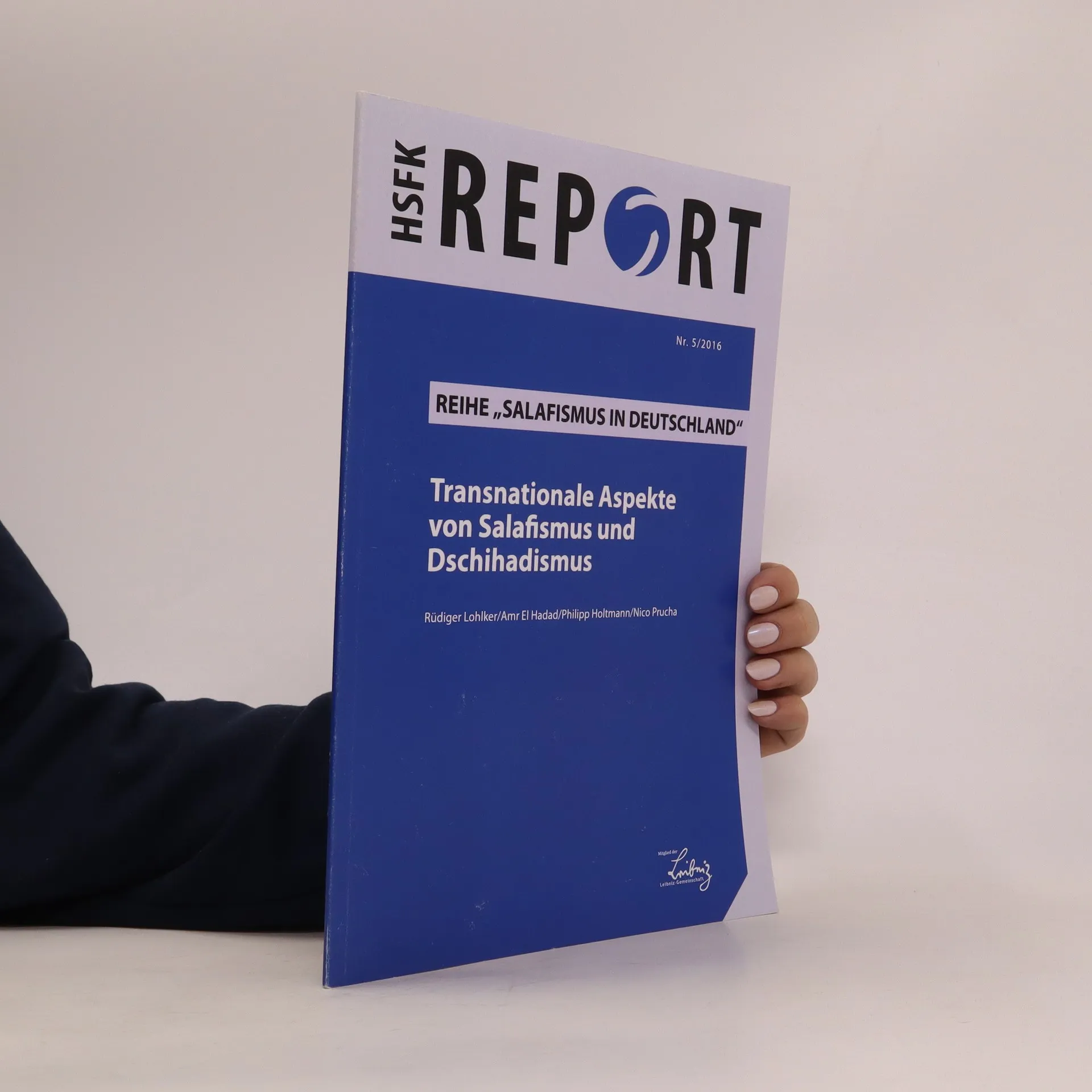
Salafismus und Dschihadismus machen nicht Halt an nationalstaatlichen Grenzen. Der Report untersucht die Transnationalität dieser unterschiedlichen Phänomene anhand von drei Aspekten: Welche zentralen Akteure gibt es? Welche Rolle spielt die Sprache und die Vernetzung über das Internet? Er beschreibt Reisebewegungen beider Strömungen, u. a. die Ausreisewelle deutscher Dschihadisten nach Syrien und den Irak. Konkrete Handlungsempfehlungen schließen den Report ab.
Das Beispiel IS
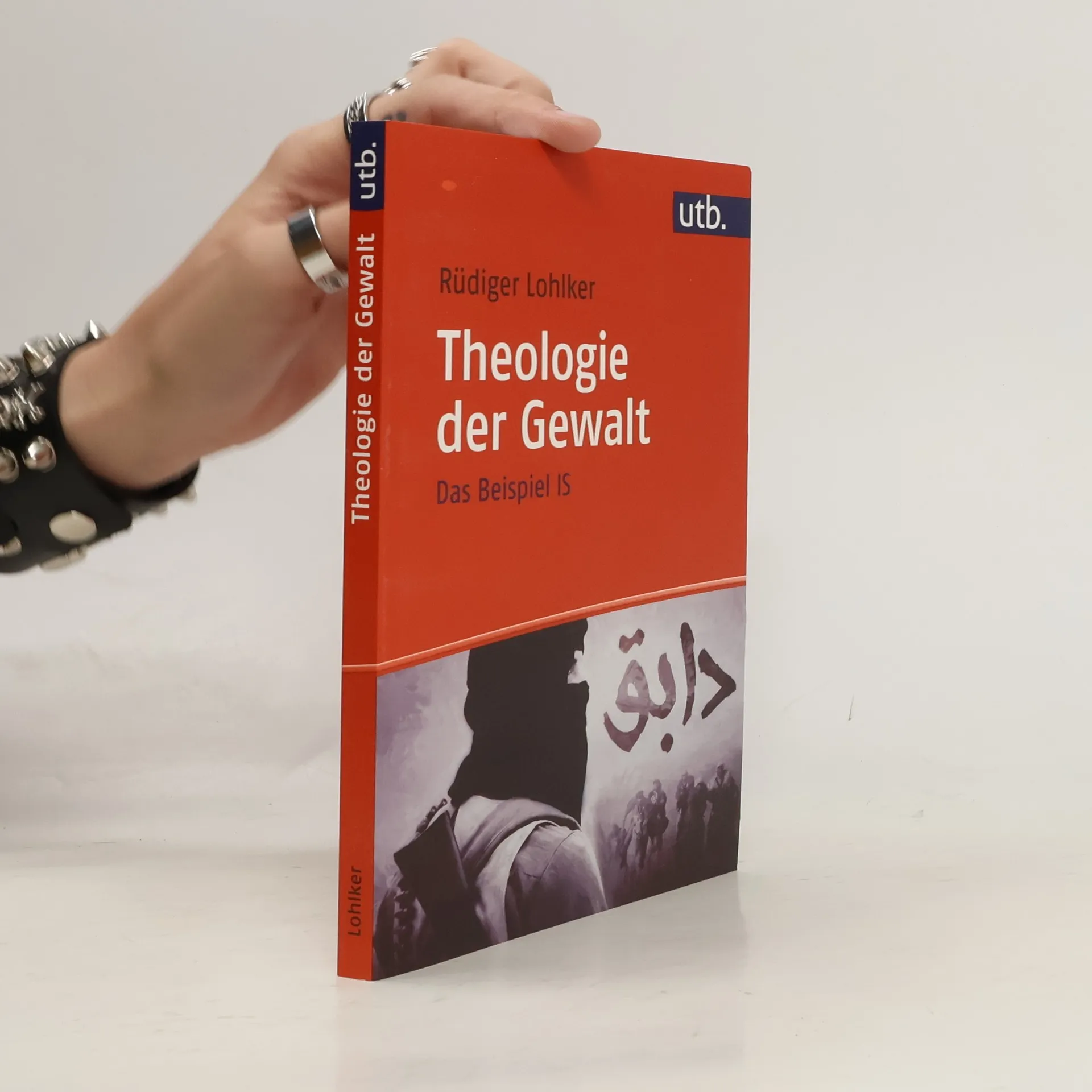
Rüdiger Lohlker schöpft in seiner Darstellung aktuellen dschihadistischen Denkens hauptsächlich aus arabischen Originalquellen. Die Besonderheit seiner Analyse des schriftlichen und audiovisuellen, vor allem im Internet verbreiteten Propagandamaterials liegt darin, dass der religiöse Anspruch des IS ernst genommen wird, ohne ihn als Ausdruck des Islams im Allgemeinen zu nehmen. Damit bietet er notwendiges Wissen, um das Phänomen IS in seinem Kern zu verstehen.
Geschichte – Lebenswelt – Religion. Grundlagen für den Dialog
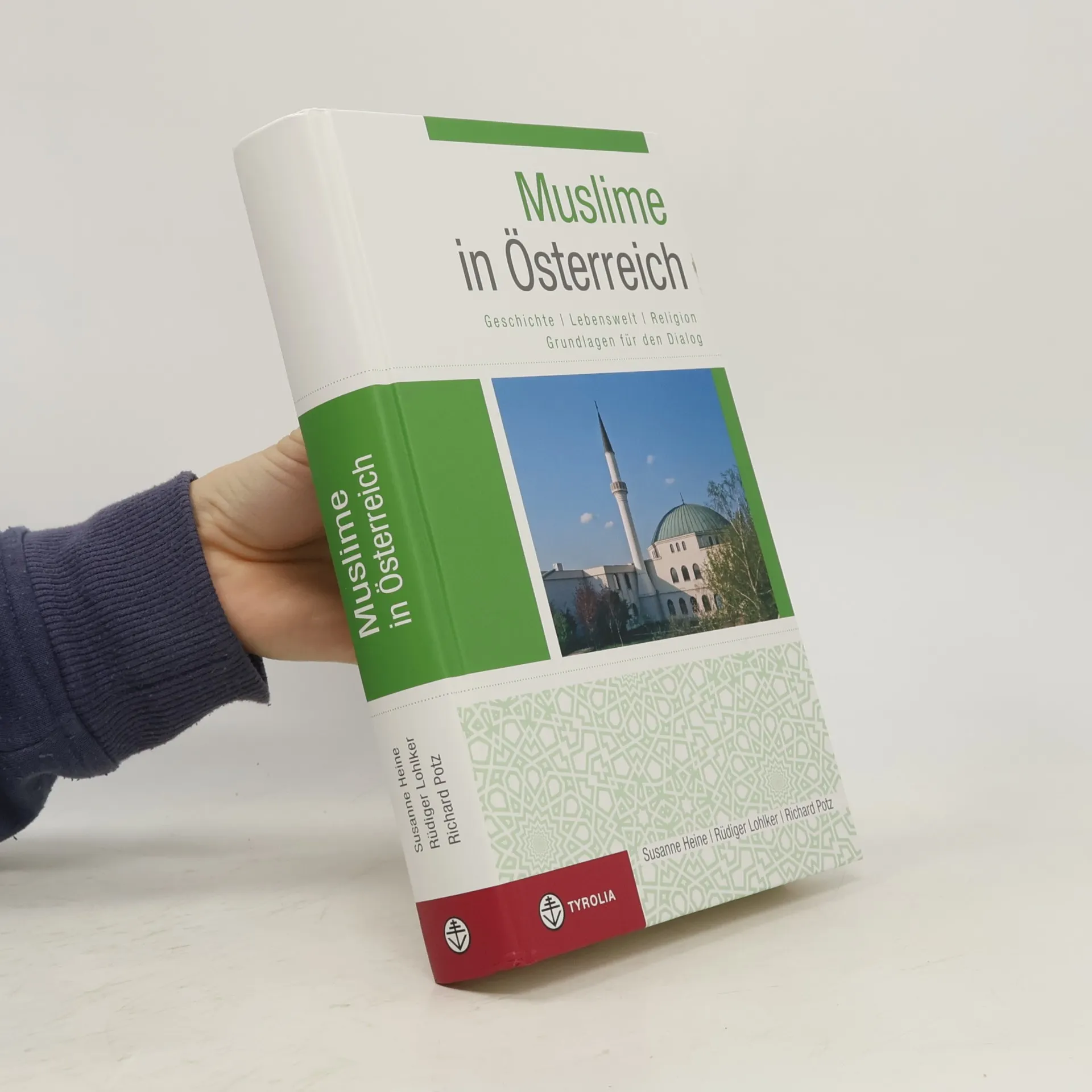
In diesem Buch äußern sich drei Experten zur Situation der Muslime in Österreich: die evangelische Theologin Susanne Heine, der Orientalist Rüdiger Lohlker und der Religionsrechtsexperte Richard Potz. Sie präsentieren zunächst die demografische und soziologische Lage, untermauert mit Statistiken und den Begriffen „Parallelgesellschaft“ und „Islamophobie“. Danach geben sie einen fundierten Einblick in die Geschichte der Muslime in Österreich und stellen die Islamische Glaubensgemeinschaft als gesetzlich anerkannte Religionsgemeinschaft sowie verschiedene islamische Verbände und Strömungen vor. Ein weiterer Themenblock befasst sich mit der Lebenswelt der Muslime, einschließlich Arbeitsplatz, Krankenhaus und Bundesheer. Es wird die Frage erörtert, ob die Religionsausübungsfreiheit mit der Privatsphäre der Arbeitgeber kollidiert, insbesondere im Hinblick auf das Kopftuch. Zudem werden Aspekte wie der Bau von Moscheen, das Ehe- und Familienverständnis, Speisegebote, Bekleidungsvorschriften, Festtage und der Fastenmonat behandelt, ergänzt durch Studienergebnisse und Aussagen von Betroffenen. Im dritten Teil wird das Wissen um die eigene Religion für die interreligiöse Verständigung betont. Die wichtigsten Glaubenspositionen des Christentums und des Islams werden kurz beschrieben, ihre Gemeinsamkeiten und Unterschiede hervorgehoben sowie Formen gemeinsamer spiritueller Praxis und Dialoginstitutionen vorgestellt.
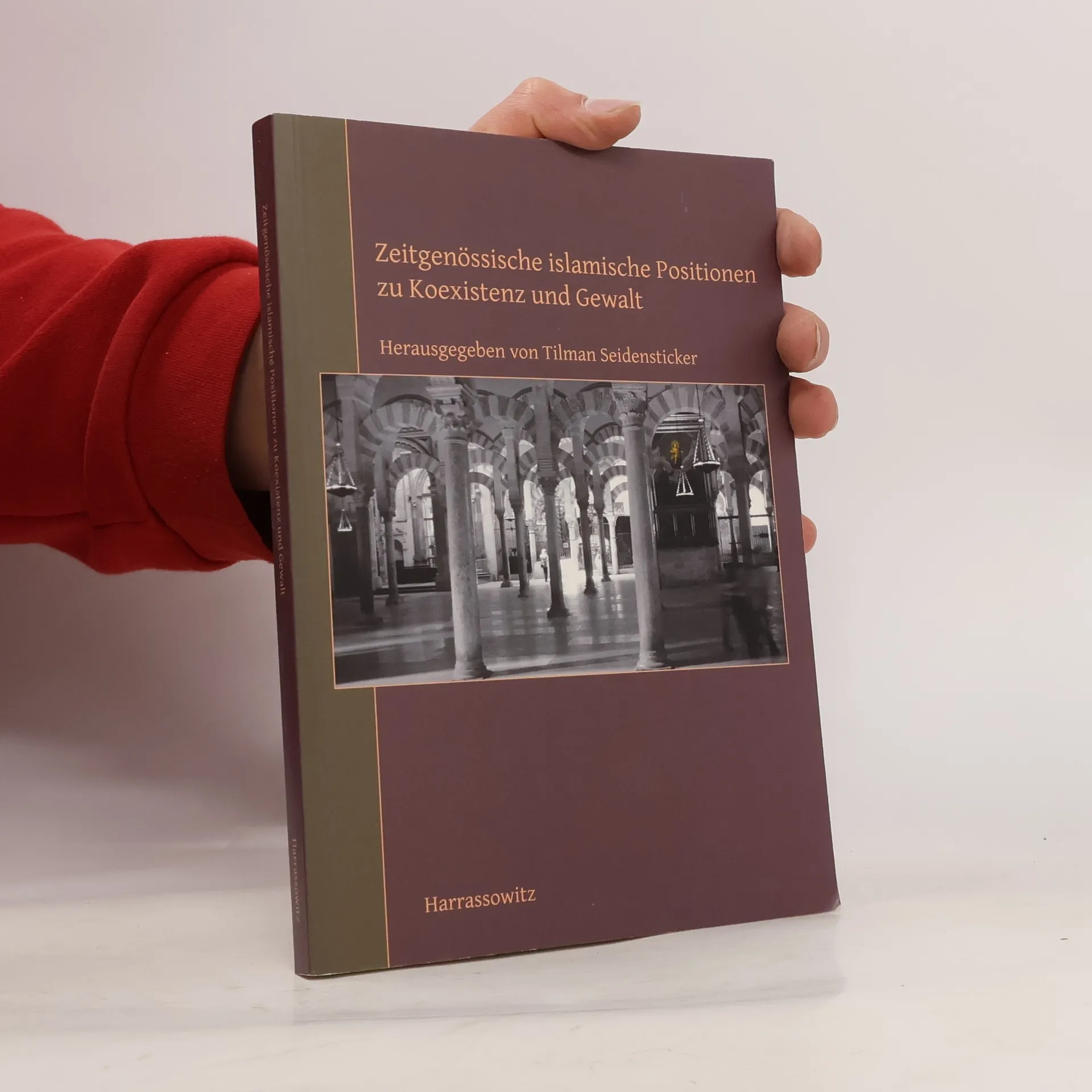
In den letzten Jahrzehnten haben militante Islamisten Gewalt gegen Angehörige anderer Religionen und Muslime unter Berufung auf den Islam gerechtfertigt. Diese Argumentationen finden bei heutigen Muslimen nur begrenzten Anklang, doch die theologische und politische Auseinandersetzung mit diesen Begründungen ist noch weit von einem Konsens entfernt. Der von Tilman Seidensticker herausgegebene Band basiert auf der Fachkonferenz „Islamische Kontroversen zu Koexistenz und Gewalt“, die vom 18. bis 20. September 2008 am Alfried Krupp Wissenschaftskolleg Greifswald stattfand. Acht komplementäre Beiträge bieten Erklärungen zur Möglichkeit oder Unmöglichkeit einer friedlichen Koexistenz von Muslimen und Angehörigen anderer Religionen aus verschiedenen Perspektiven. Im Fokus stehen sowohl gewaltbefürwortende als auch für friedliche Koexistenz eintretende Denker und Gruppierungen. Ein besonderes Augenmerk liegt auf den verwendeten Begründungsmustern: Wie werden Koranverse, Prophetentraditionen und mittelalterliche Urteile ausgewählt und in Argumentationen integriert? Die Diskussionen werden bis in die jüngste Zeit verfolgt, um die Komplexität der Thematik zu beleuchten.
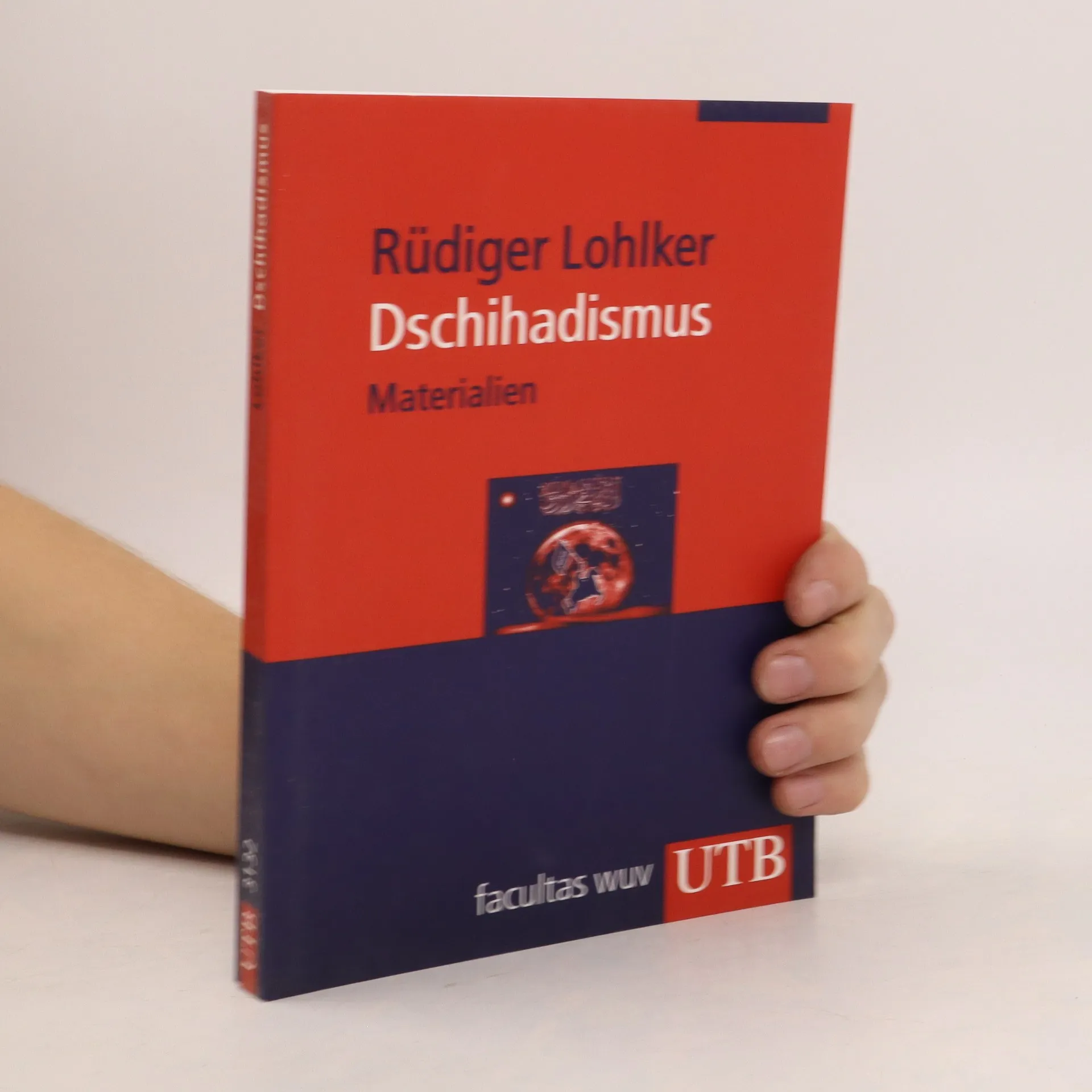
Eine Auswahl bestimmter dschihadistischer Dokumente, hier erstmals ins Deutsche übersetzt und wissenschaftlich kommentiert, geben einen Einblick in den Diskurs der dschihadistischen Bewegungen. Es werden Diskussionen aus Onlineforen wiedergegeben, Gedichte bzw. anaschid (agitatorische Lieder), die gezielt zur Mobilisierung eingesetzt werden sowie Erklärungen zu dschihadistischen Aktionen, Videos, militärisch-praktische Schriften und biographische Texte geboten.
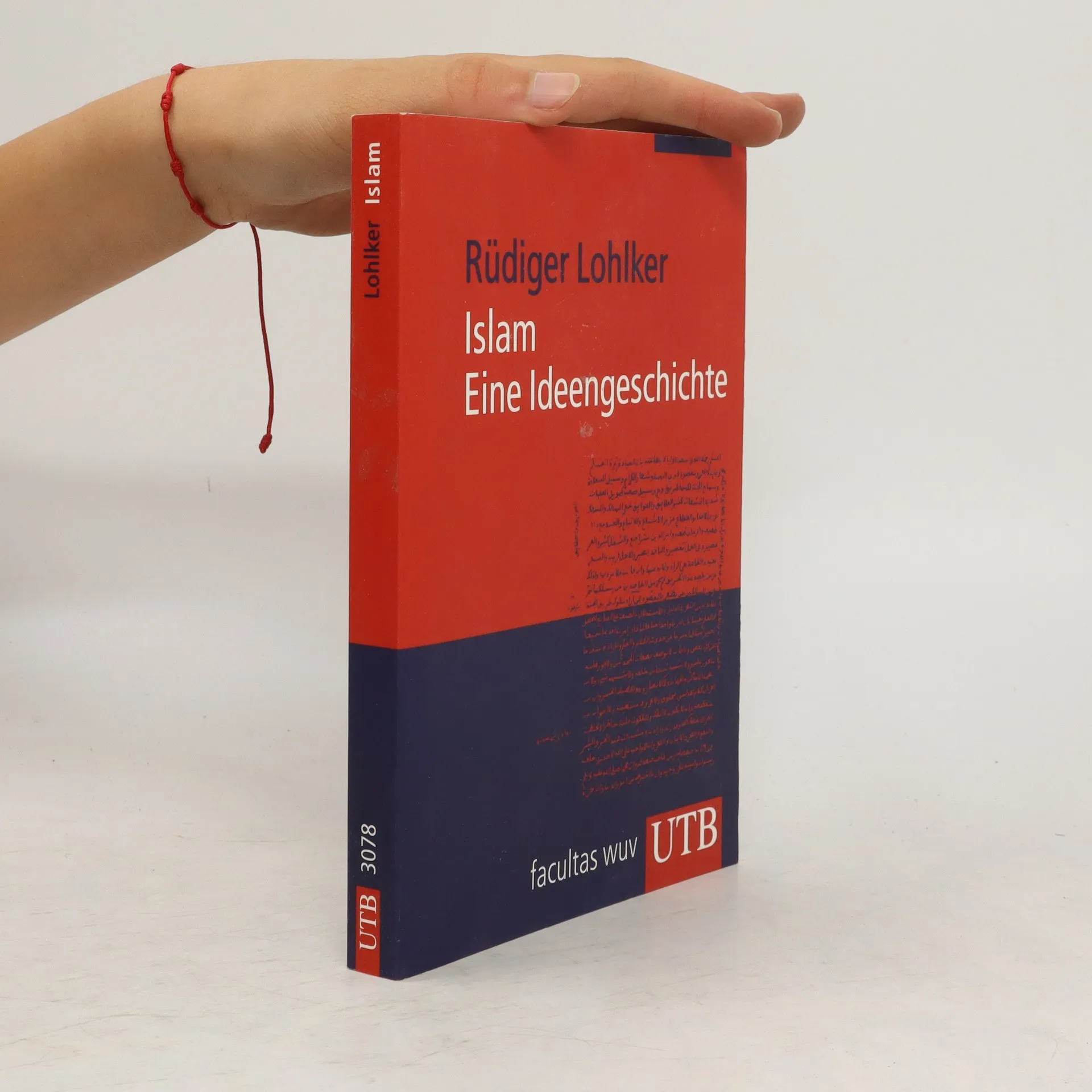
Diese Ideengeschichte rekonstruiert die Entwicklungen in verschiedenen Feldern des islamischen Wissens ( Mystik, Koran, Theologie, Philosophie u. a.). Der Autor zeigt zugleich auf, wie jeweils versucht wird, die Diskurse, was unter islamisch zu verstehen ist, zu beherrschen. „Islam“ wird als dynamischer Prozess begriffen, in dem sich die muslimischen Gemeinschaften als soziale konstituieren. Dieser kulturwissenschaftliche Zugang bezieht die neuesten Erkenntnisse der Forschung mit ein, berücksichtigt weniger präsente Regionen (Indien, Indonesien) und informiert über aktuelle Phänomene (Dschihadismus, Islam und neue Medien, Islam und Hiphop u. a.).