Ukrainische Bibliothek: Am Meer
Ausgewählte Kurzprosa


Lesja Ukrajinka gehört zu den bedeutendsten Stimmen der ukrainischen Literatur, berühmt für ihre eindringliche Poesie und ihre fesselnden Theaterstücke. Ihre Werke widmen sich oft den Themen des Kampfes um Freiheit und nationale Identität, wobei sie eine reiche Sprache und tiefen Lyrizismus einsetzt. Ukrajinka verknüpft meisterhaft persönliche Erfahrungen mit breiteren gesellschaftlichen und politischen Anliegen und schafft so Werke von zeitloser Bedeutung. Ihr literarisches Erbe ist geprägt von einem unbezwingbaren Geist und einem leidenschaftlichen Ruf nach Gerechtigkeit und Befreiung.

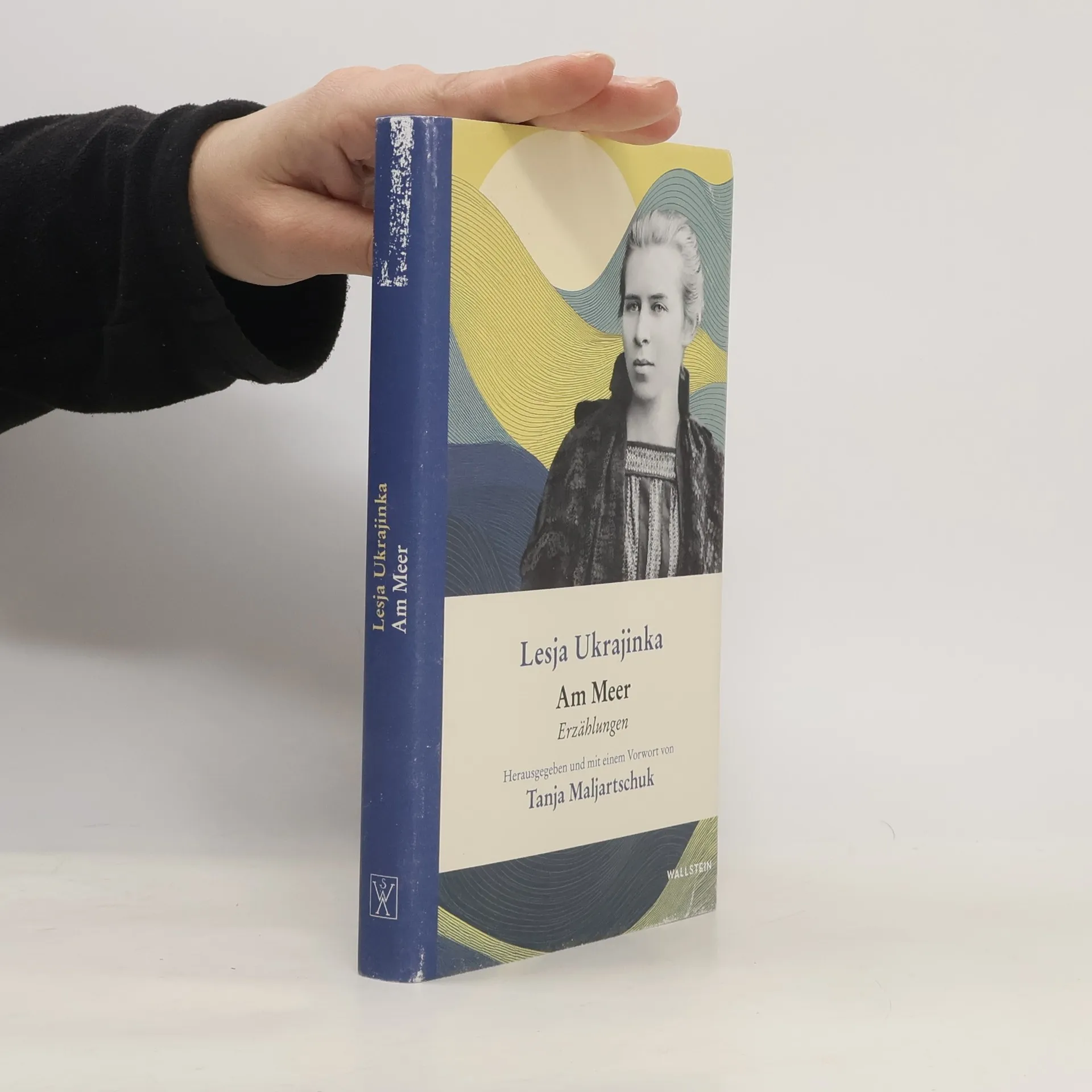
Ausgewählte Kurzprosa
In Lesia Ukrainka’s rendering, Cassandra’s prophecies are uttered in highly poetic language and are not believed for that reason, rather than because of Apollo’s curse. Cassandra as poet and as woman are the focal points of the drama. The strongly autobiographical Cassandra: A Dramatic Poem is presented here in a sophisticated English translation.
Focusing on women's liberation, this play explores the life of Liubov in early 20th-century Ukraine as she challenges societal norms. Her love for Orest leads her to advocate for "pure love," rejecting the conventional roles of marriage and motherhood. Through this contemporary translation, Lesia Ukrainka's work sheds light on the struggles for autonomy and self-definition faced by women of her time.
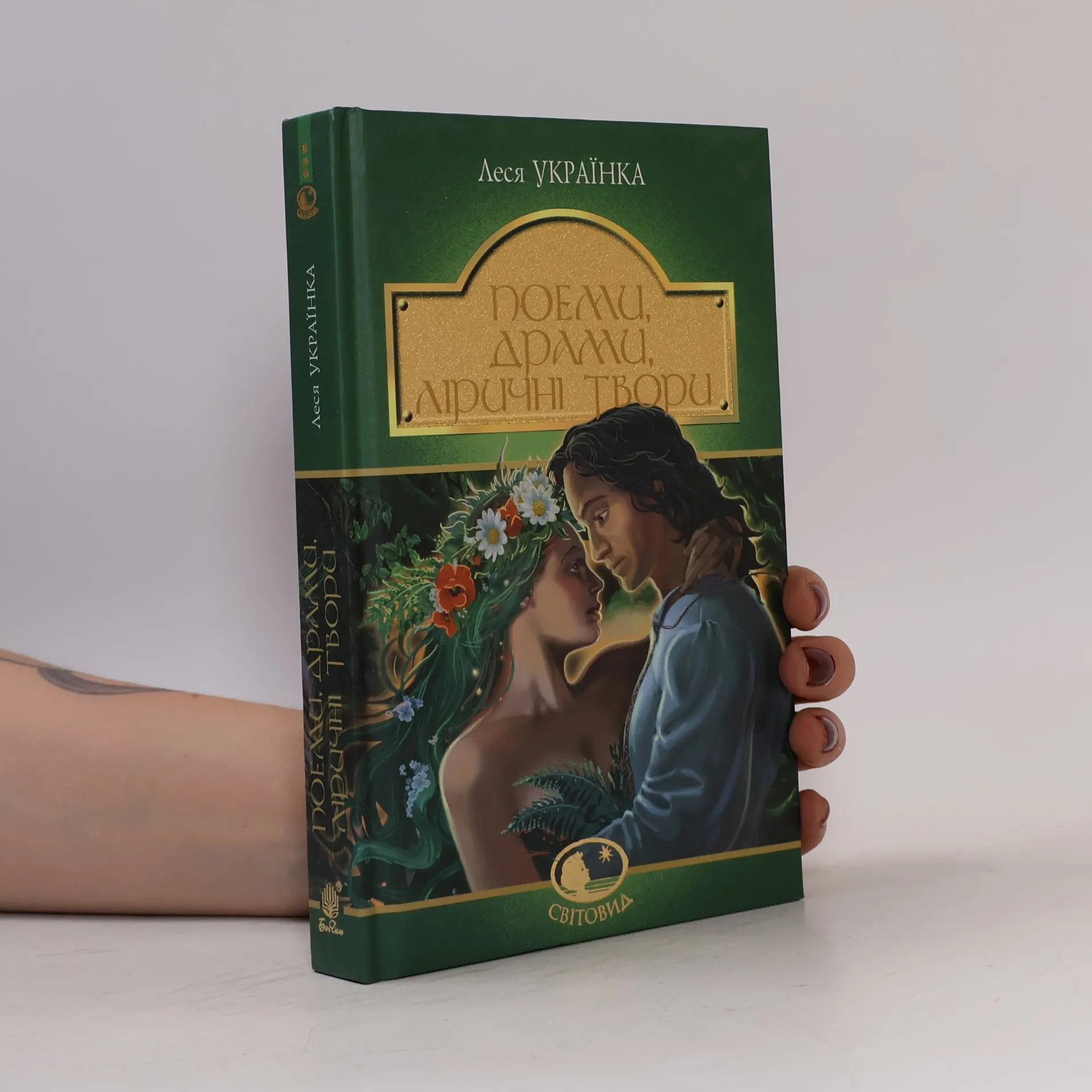
Set in a vibrant interplay of Ukrainian mythology and local folklore, the play features spirited dialogues between mythical characters and the people of Volhynia. It explores profound themes of humanity's connection to nature and the transformative power of love, illustrating how it can bridge divides and even resurrect the deceased. Lesia Ukrainka's work stands as a significant contribution to Ukrainian literature, celebrating cultural heritage through its rich narrative and emotional depth.
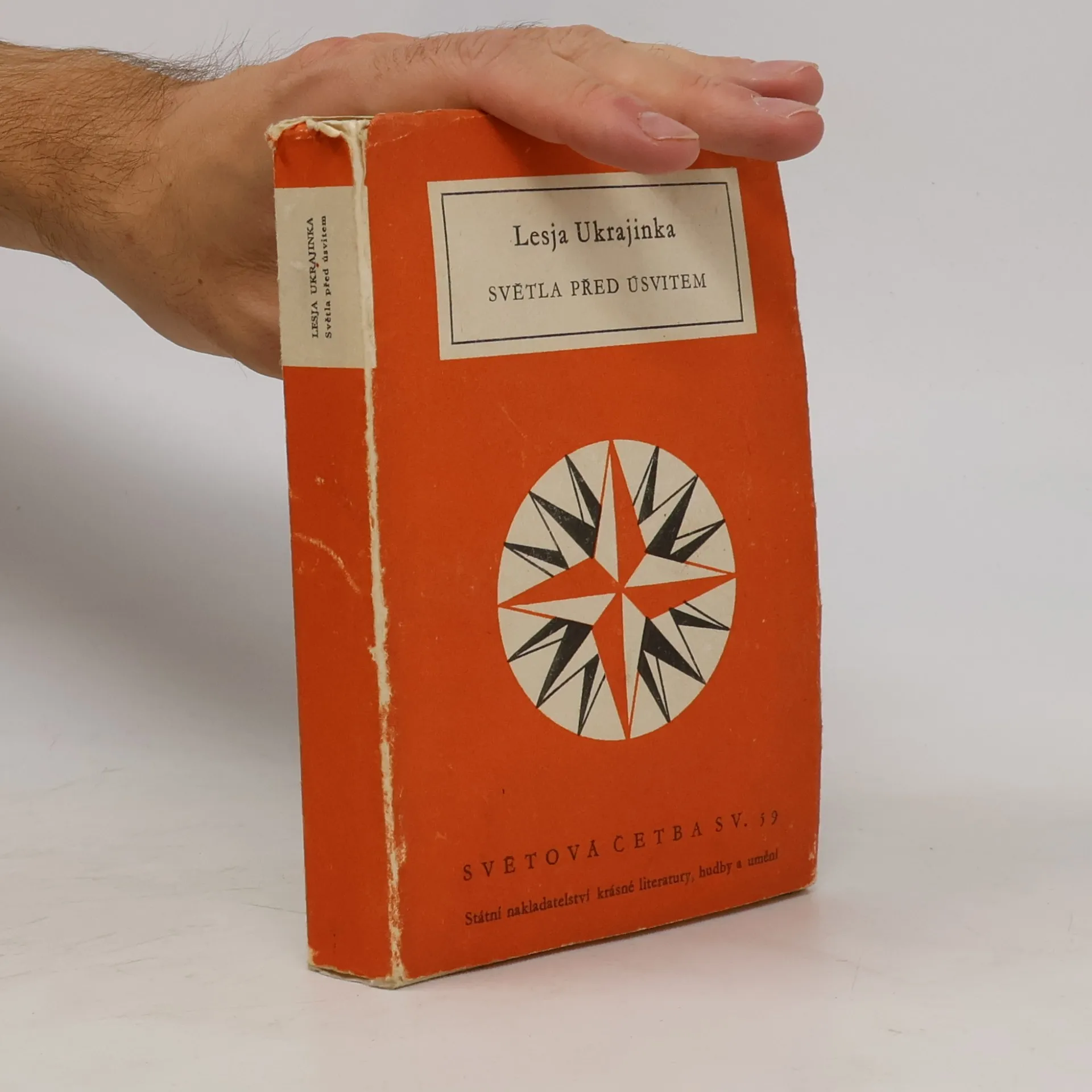
Výbor z básnické tvorby význačné ukrajinské spisovatelky a revoluční demokratky, pokračovatelky Tarase Ševčenka v boji za sociální a národnostní svobodu ukrajinského lidu. V lyrických básních (ve výboru jsou nejpočetněji zastoupeny sbírky „Krymské vzpomínky“, „Sedm strun“, „Ze ztracených let“, „Krymské ozvěny“, „Rytmy“, „Podzimní zpěvy“) stejné jako v epických poemách („Robert Bruce, král skotský“, „Jakutská poema“, „Jedno slovo“) je vyjádřeno téma svobody a hrdinského boje o ni, úzce spjaté s tématem burcující úlohy básníka ve společnosti. V titulní básni vybízí L. U. všechny, „kdož žijí myšlence“, aby v temné dobé útlaku rozžehli „své světlo před úsvitem“. V dramatické básni „V katakombách“ odmítá ústy otroka křesťanství a proti jeho ideálu trpnosti staví ideál činorodé lásky člověku. Oslavou rodného kraje a jeho lidu je veršovaná drama „Lesní píseň“, ukazující v pohádkové podobě „tragičnost lidského osudu v podmínkách staré společnosti“. (S použitím předmluvy.)
До видання увійшли найвідоміші твори видатної української поетеси та письменниці Лесі Українки.