

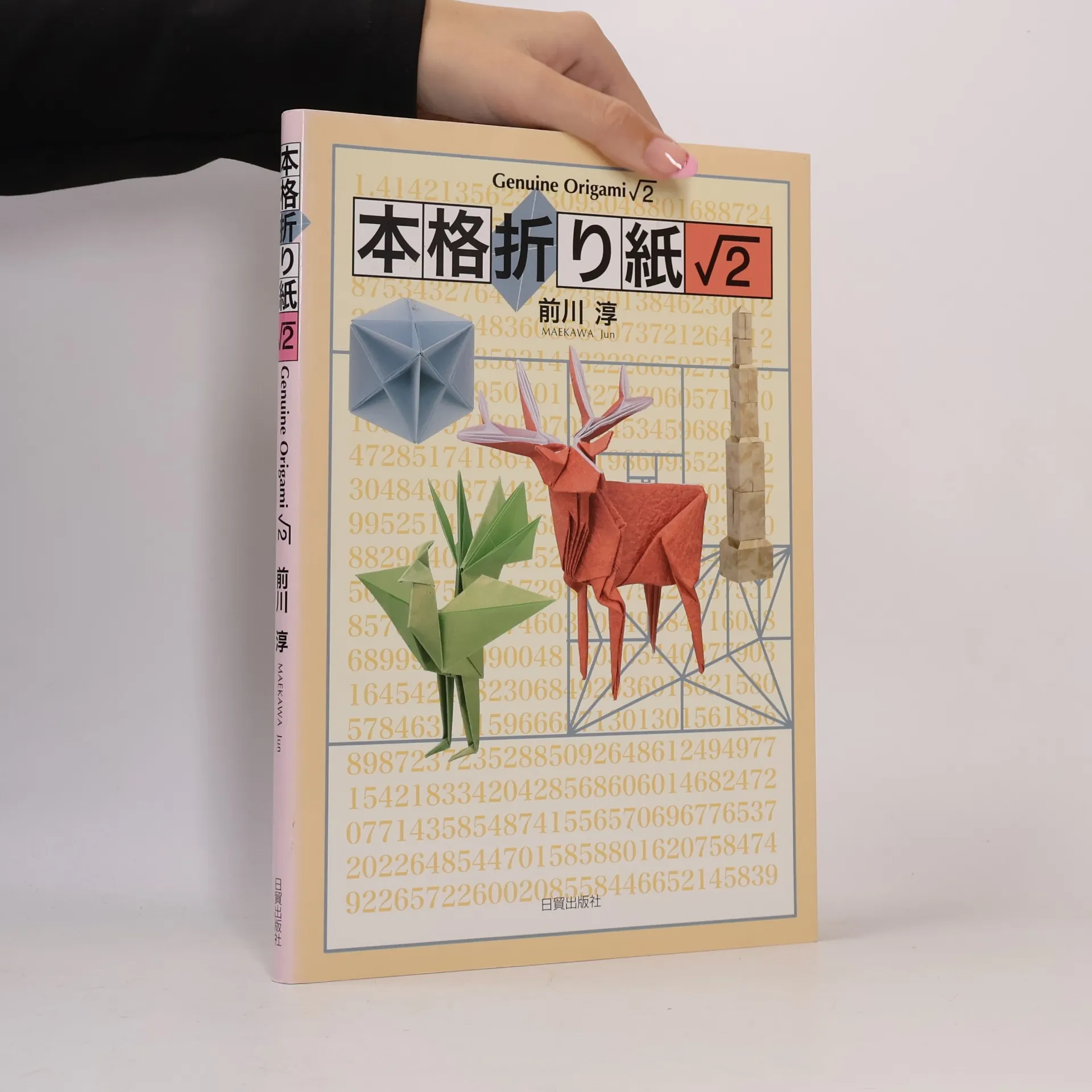
Unique and wildly creative, this mathematical and geometricapproach to origami contains 40 models of cubes, towers, andgeometric shapes as well as puzzles and models of everyday items— all folded from rectangular paper. This is the first publicationoutside Japan of these original figures, offering intermediate leveland serious origamists an intriguingblend of art and science.Dover (2012) English translation andnew selection of models from GenuineOrigami Ã2, Japan Publications TradingCo. Ltd., Japan, 2009.
Jun Maekawa Bücher
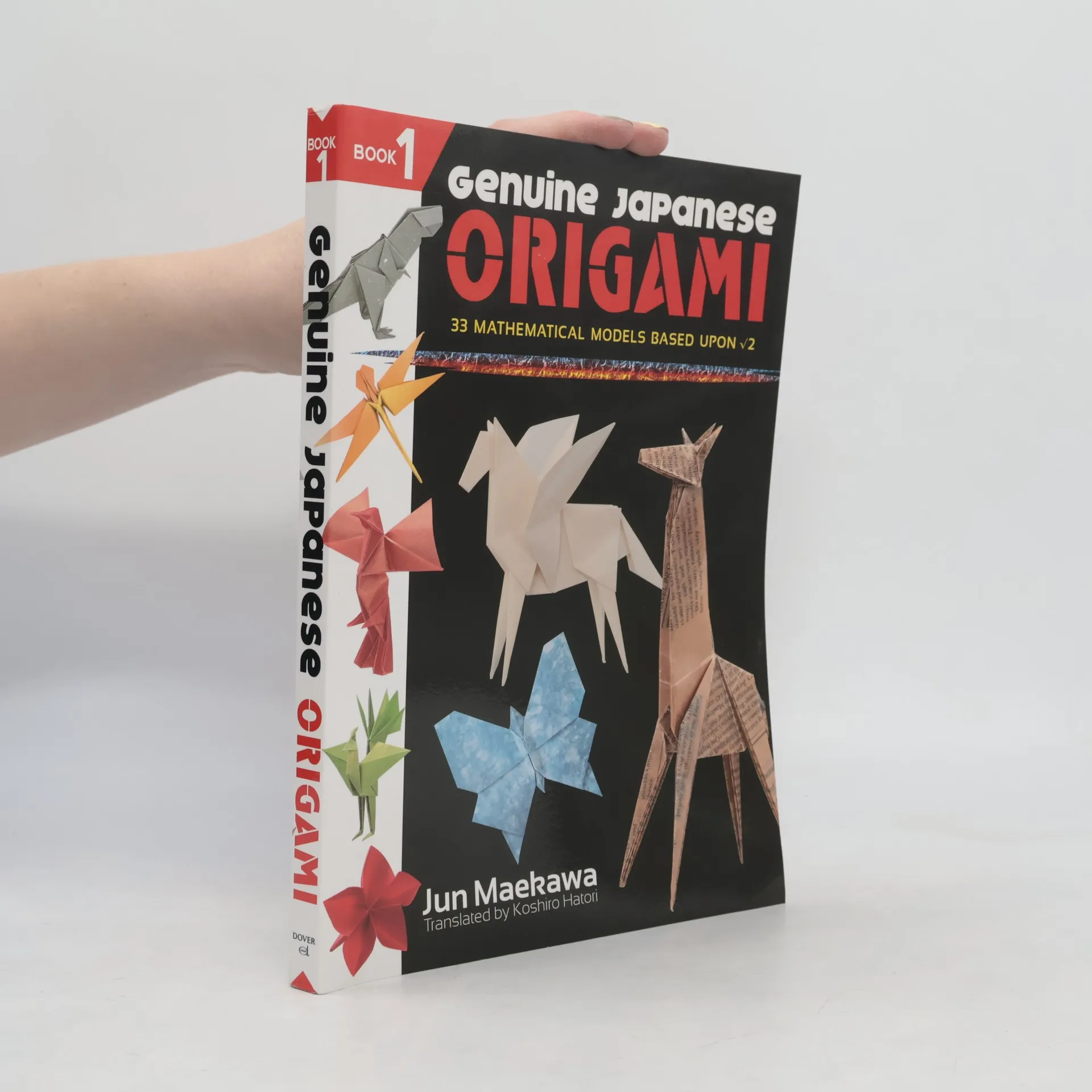
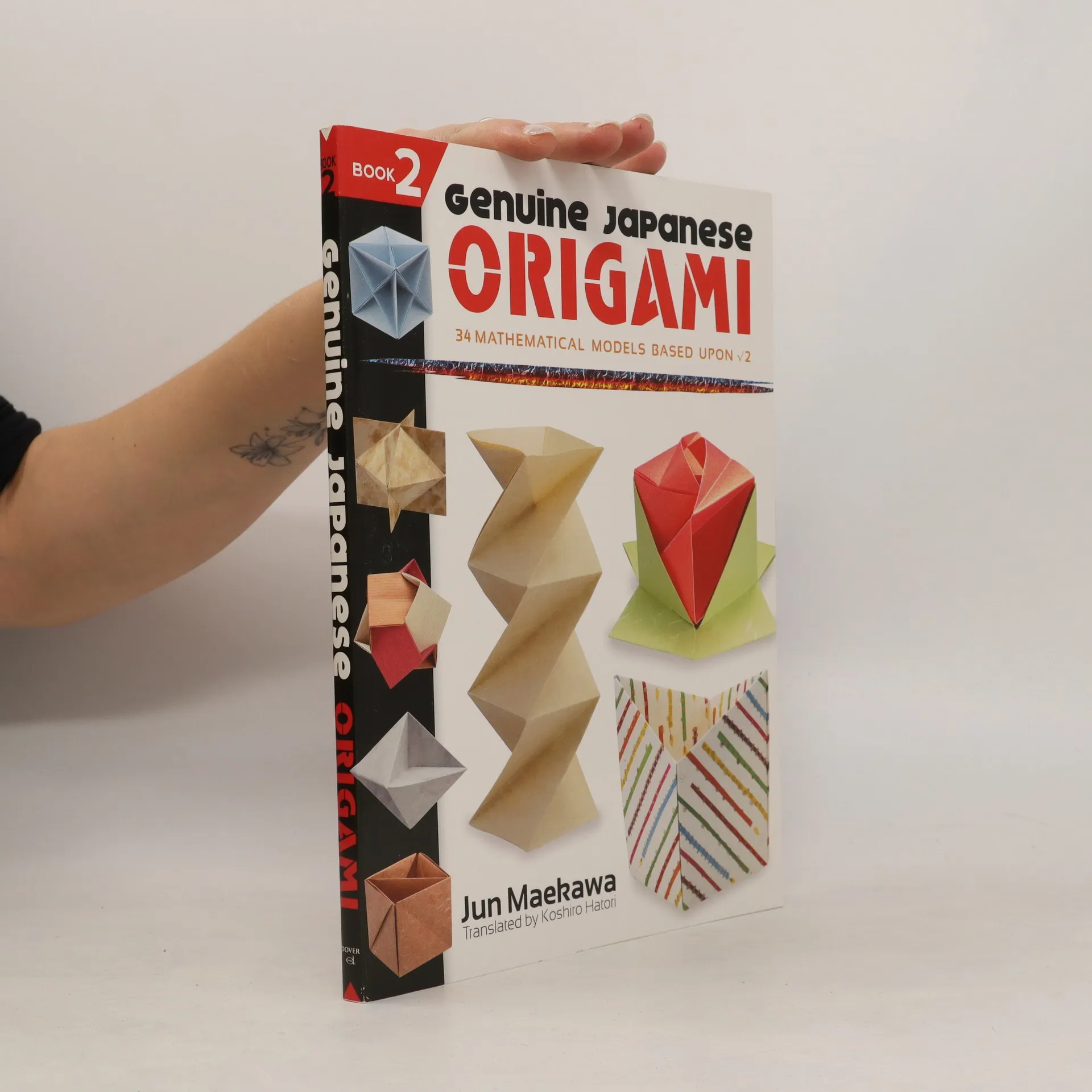
Genuine Japanese Origami
33 Mathematical Models Based Upon (The Square Root Of) 2
- 192 Seiten
- 7 Lesestunden
This unique book by an origami master uses geometric and mathematical principles as well as rectangular paper to create a wide range of insects, plants, trees, animals, and fantastic creatures. Original models include hummingbirds, dragonflies, peacocks, rabbits, toads, fish, maple leaves, the golden beetle, a praying mantis, a tortoise, and more.
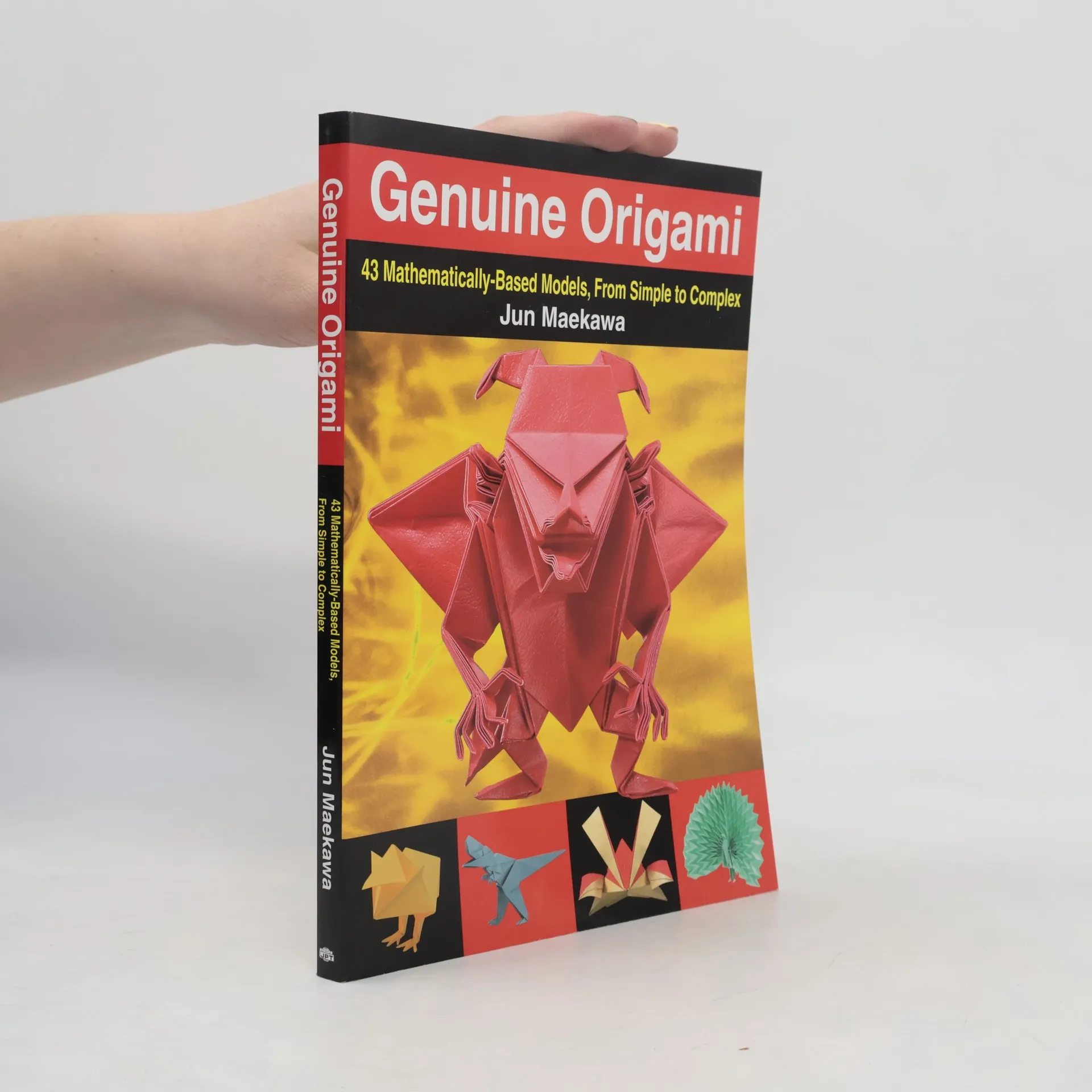
Like his counterpart in the U.S., prominent origami artist and scientist Robert J. Lang, Jun Maekawa approaches origami from the perspective of mathematical and geometric principles. In Genuine Origami , Maekawa takes readers, step-by-step, through the fundamentals of his method, beginningwith the basics and guiding them through simple figures (a mouse, an elephant, Santa Claus) all the way up to such highly sophisticated models as his signature creations, the devil and the peacock.The 43 different models are grouped into five sections, including one chapter on the ABCs, three which present projects in order of increasing difficulty (Simple, Intermediate and Complex), and one called Varieties of Origami, which reveals how to use different kinds of papers and techniques. Inaddition to the folding instructions and diagrams, Maekawa explains the mathematical theory behind each project.An intriguing blend of art and science, Genuine Origami will allow newcomers to discover the pleasures of folding at the same time that it enables beginners and experts alike to learn clever, surprising and elegant sequences to produce exceptional results.
本格折り紙√2
Genuine Origami√2