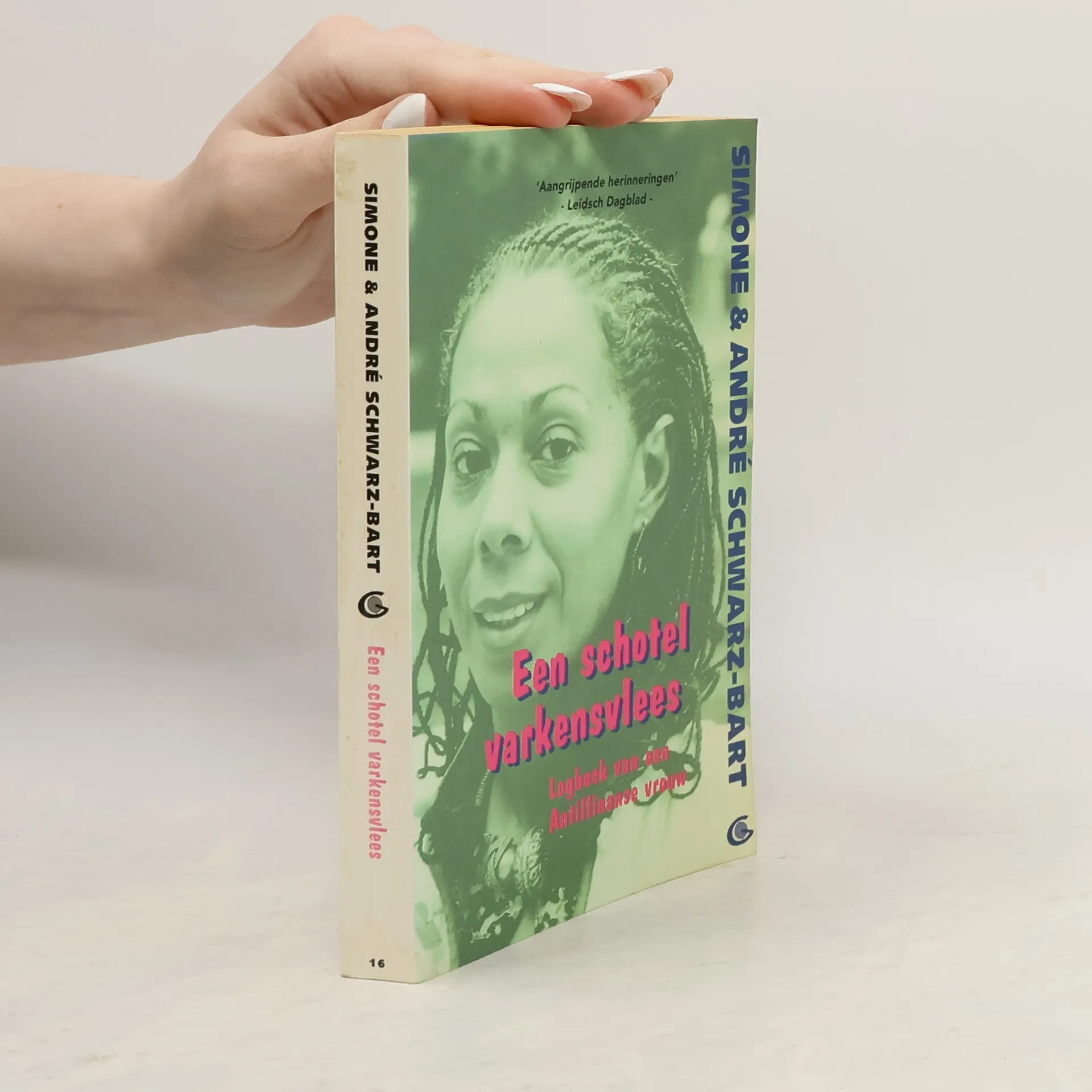
Een Schotel Varkensvlees. Logboek van een Antilliaanse Vrouw
- 240 Seiten
- 9 Lesestunden
Geen betrekking op de Nederlandse Caraïben.


André Schwarz-Bart, ein französischer Romanautor jüdischer Herkunft, erforschte in seinem Werk tiefgründig Themen wie Erinnerung, Leid und jüdische Identität. Seine literarischen Beiträge setzen sich oft mit der Last historischer Traumata und deren anhaltenden Auswirkungen auf Einzelpersonen und Gemeinschaften auseinander. Schwarz-Bart taucht tief in die menschliche Widerstandsfähigkeit und den Überlebenswillen inmitten von Verfolgung und Völkermord ein. Seine Prosa wird für ihre kraftvolle Resonanz und ihre tief berührende emotionale Landschaft gefeiert.
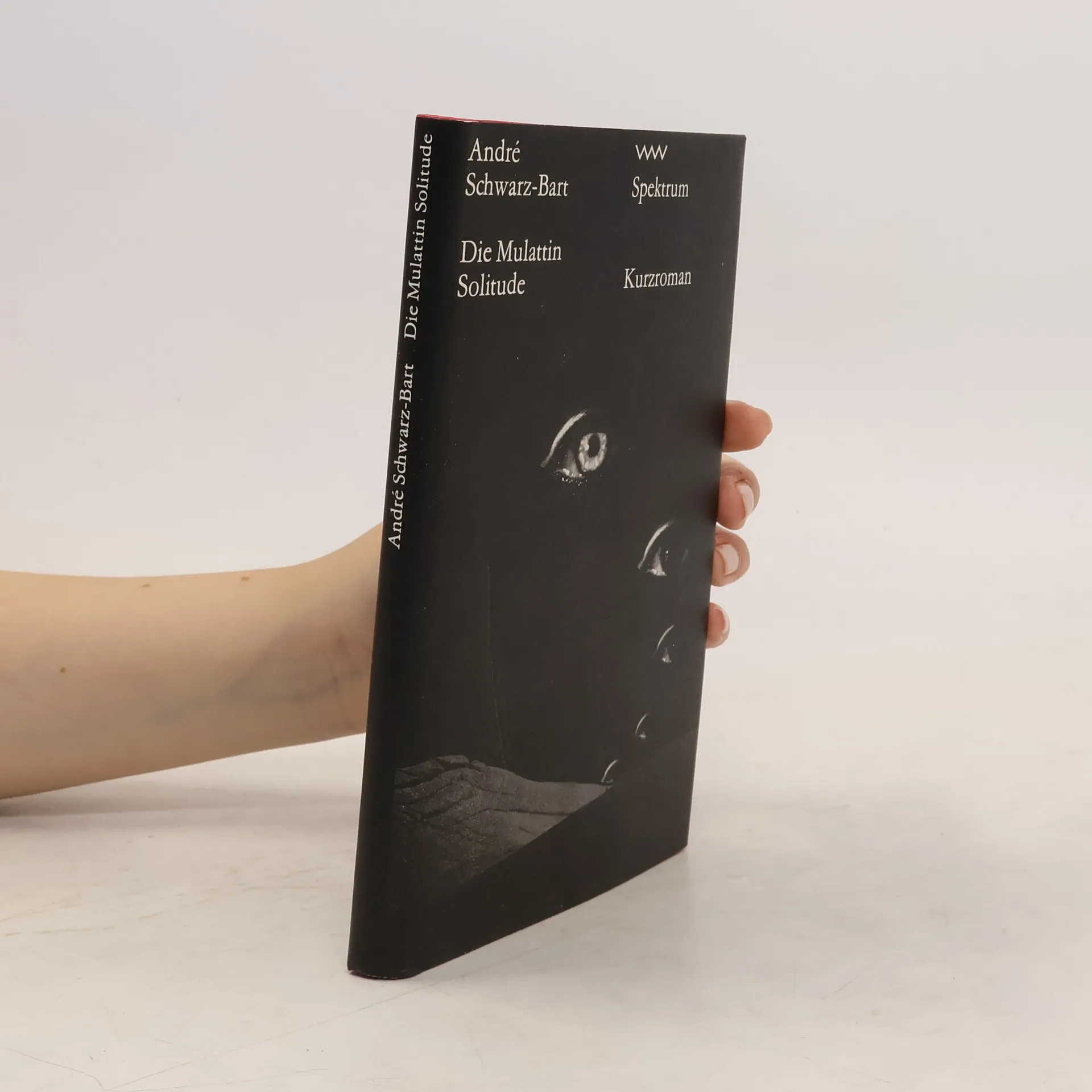
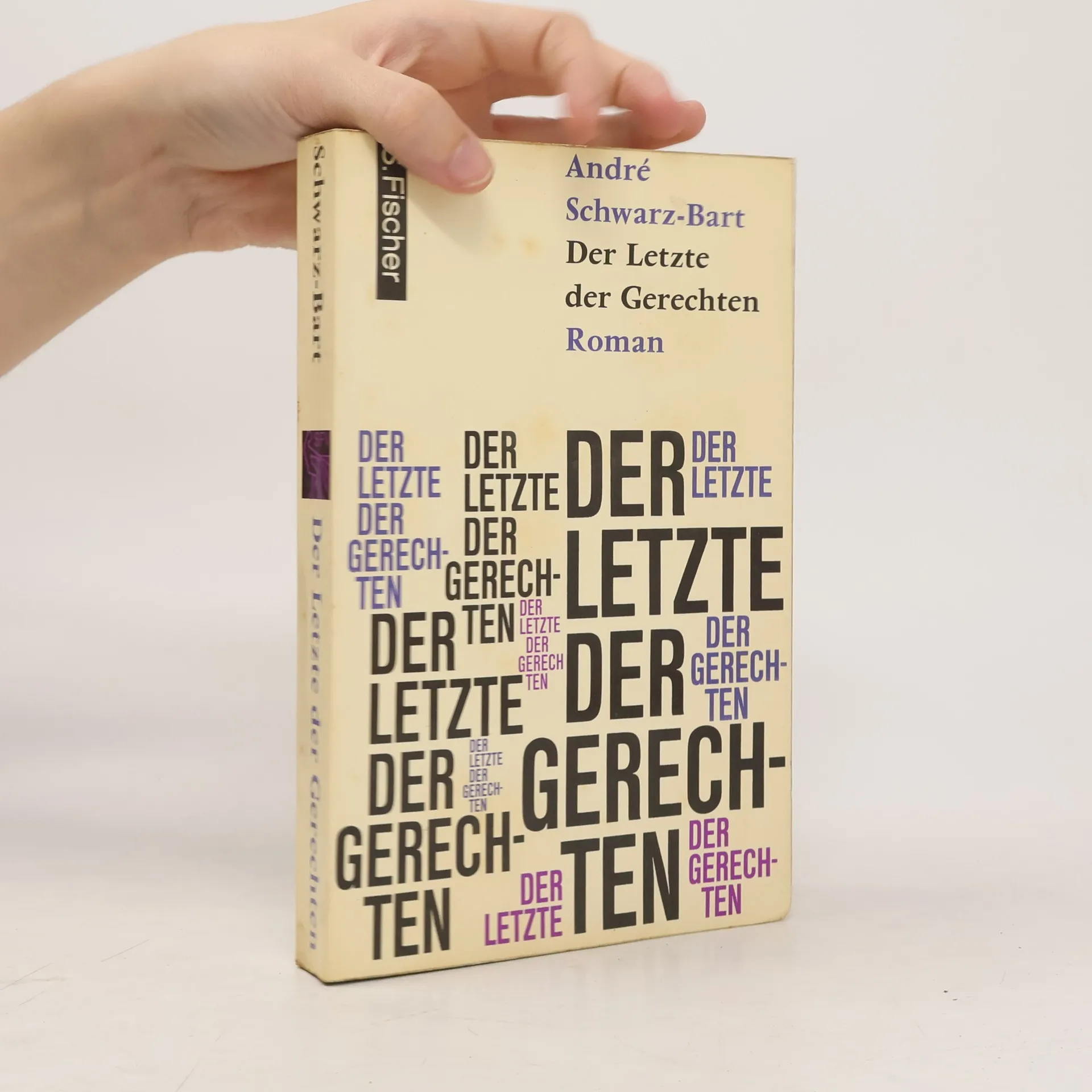
Geen betrekking op de Nederlandse Caraïben.
Belletristik : Guadeloupe ; Frau - Sklaverei (18. Jh.).
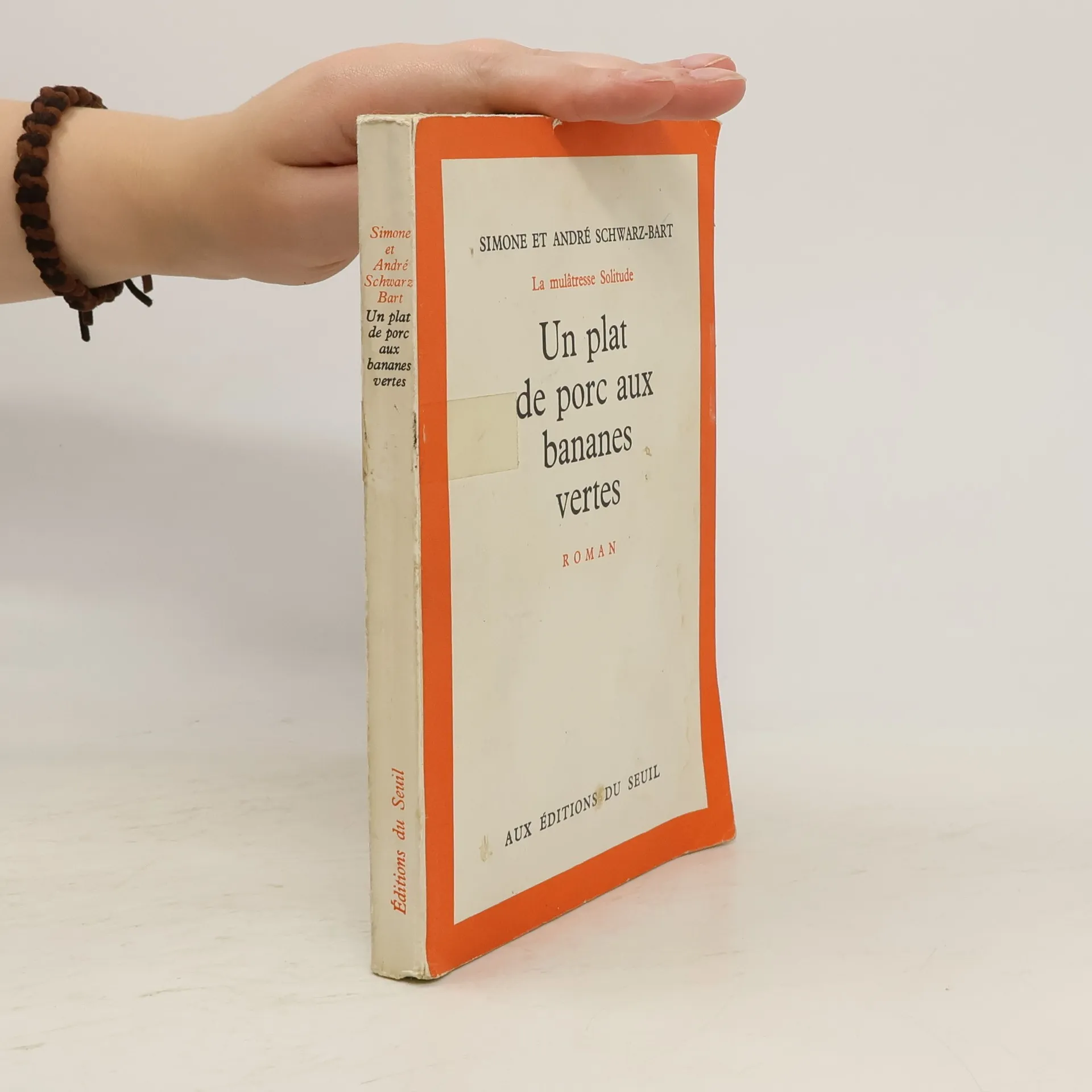
Vieille femme noire abandonnée dans un hospice parisien, Mariotte, se souvient de la Martinique, son île natale. Sur les murs sinistres de sa chambre, elle projette les couleurs du passé. Rouge et noir pour l’esclavage, les larmes et le sang. Vert et jaune pour ses amis disparus, les rires et la vie, pour la douceur amère et tendre d’un plat de porc aux bananes vertes. André Schwarz-Bart (1928-2006) entre dans la Résistance en 1943. En 1959, il obtient le prix Goncourt pour son roman Le Dernier des justes. Son épouse, Simone Schwarz-Bart, d’origine guadeloupéenne, est l’auteur de Pluie et vent sur Télumée Miracle, Grand Prix des lectrices de « Elle » 1973. Ensemble, ils ont écrit Un plat de porc aux bananes vertes.
Román o tragédii Židů za vlády nacismu v Německu, poctěný roku 1959 Goncourtovou cenou. Francouzský autor s otřesnou otevřeností líčí duševní i tělesnou kalvárii mladého člena ortodoxní židovské rodiny Levyů, v němž jsou symbolicky zachyceny všechny tužby, marná víra i tragická střetání se zrůdnou rasovou nenávistí, která mění člověka ve štvané zvíře a nelítostně ho žene na smrt.
Dieser Roman, für den André Schwarz-Bart den Prix Goncourt erhielt, ist unvergessen. Diese Jahrhunderte zurückverfolgte Leidenschronik einer jüdischen Familie ist »nicht ein bloßes Dokument des Grauens«, sagte der Autor in einem Interview, »vielmehr vor allem ein Buch der Liebe und Versöhnung – auch der Versöhnung mit Deutschland«. »Die Geschichte des jüdischen Leidens, eine Legende, ein Märchen, ein heiliger Text. Unfassbar traurig. Von den Progromen des Mittelalters nach Auschwitz. Große Literatur.« Clemens Meyer