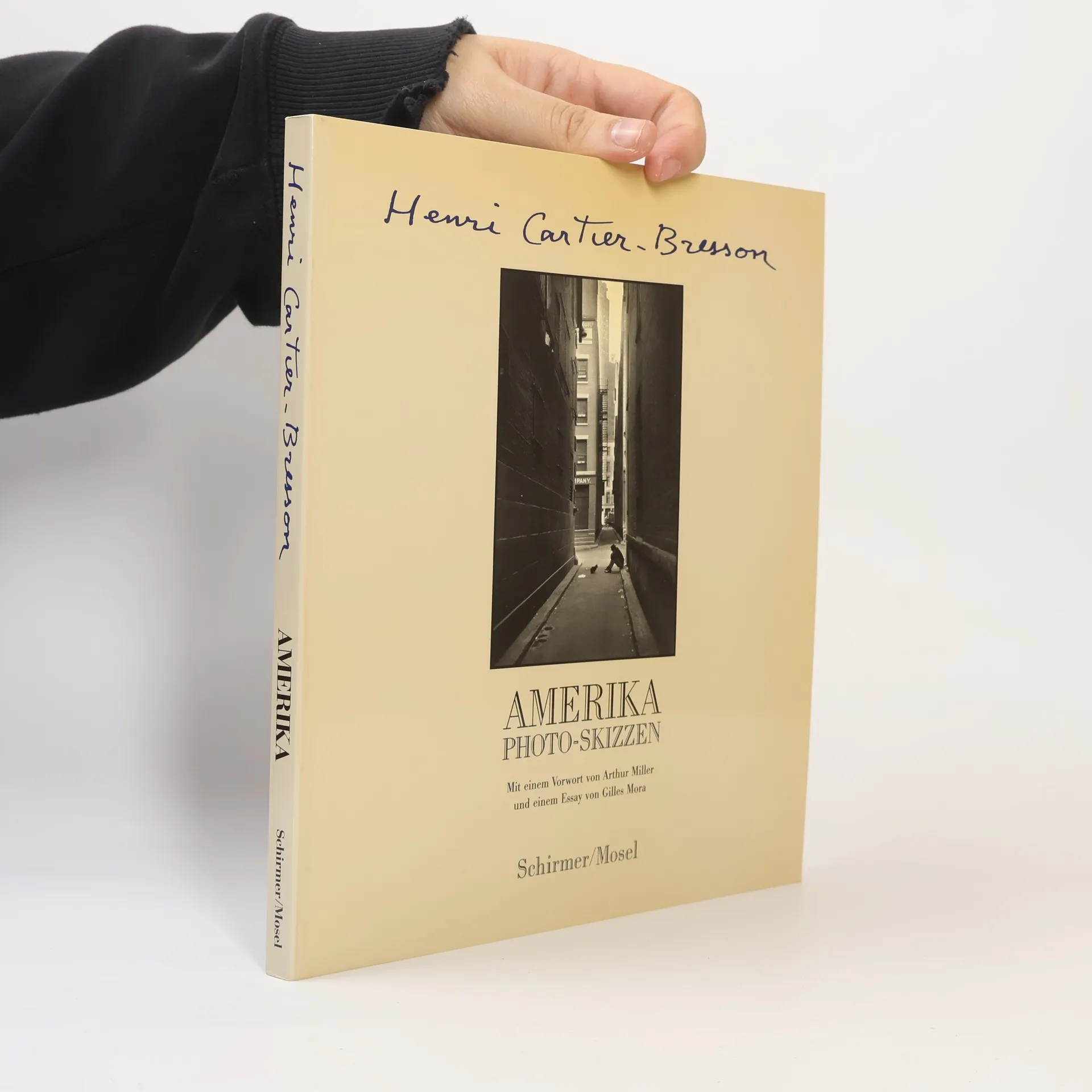
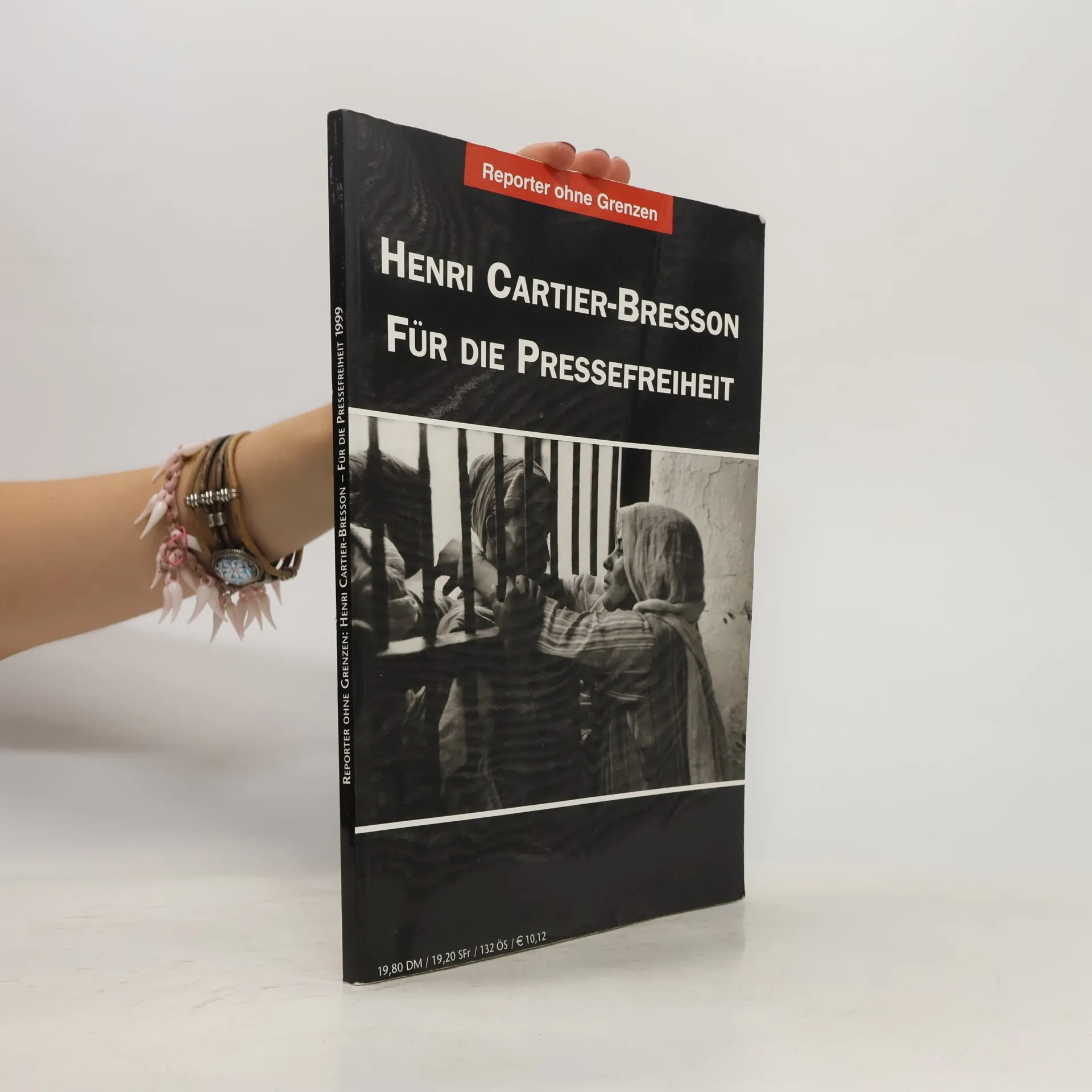
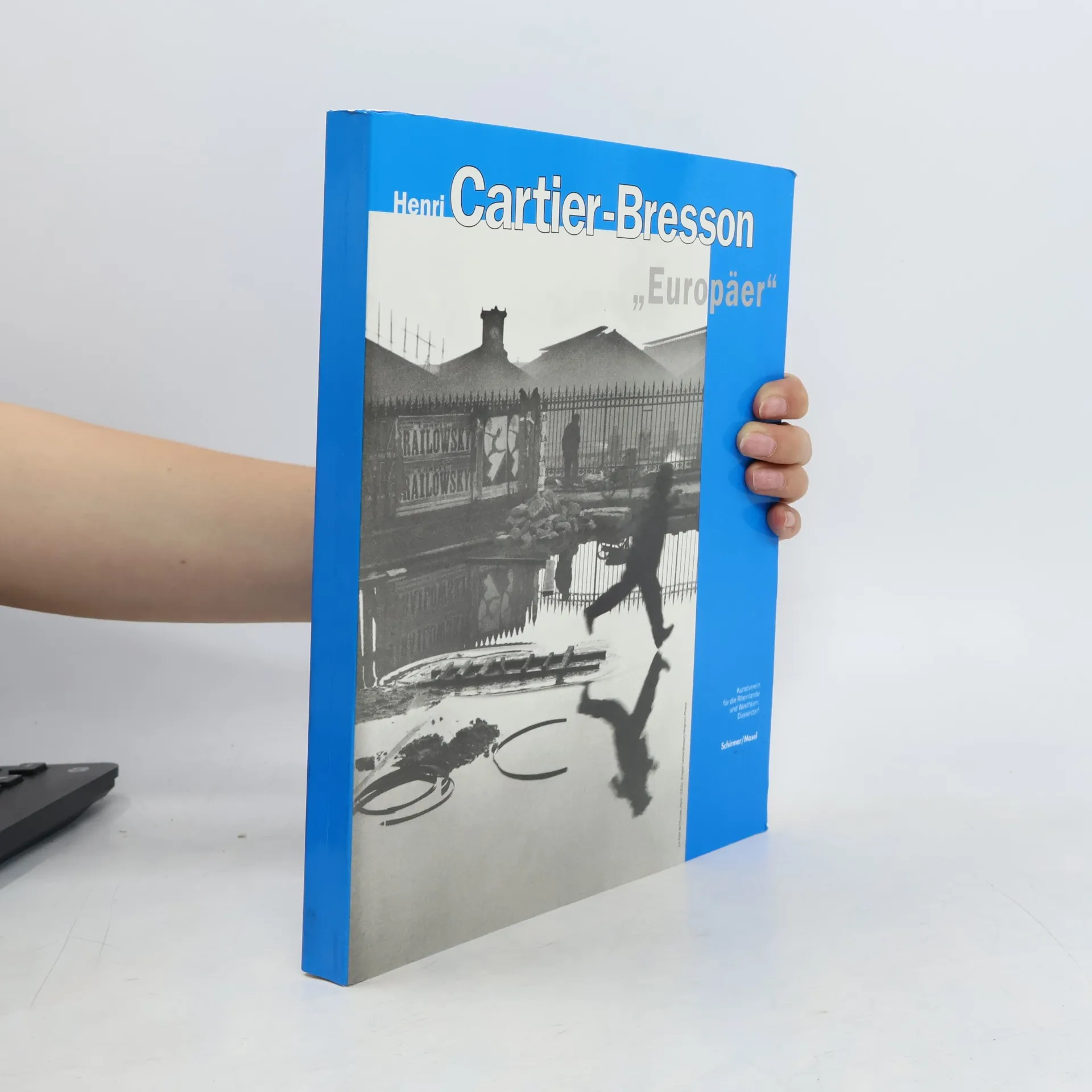
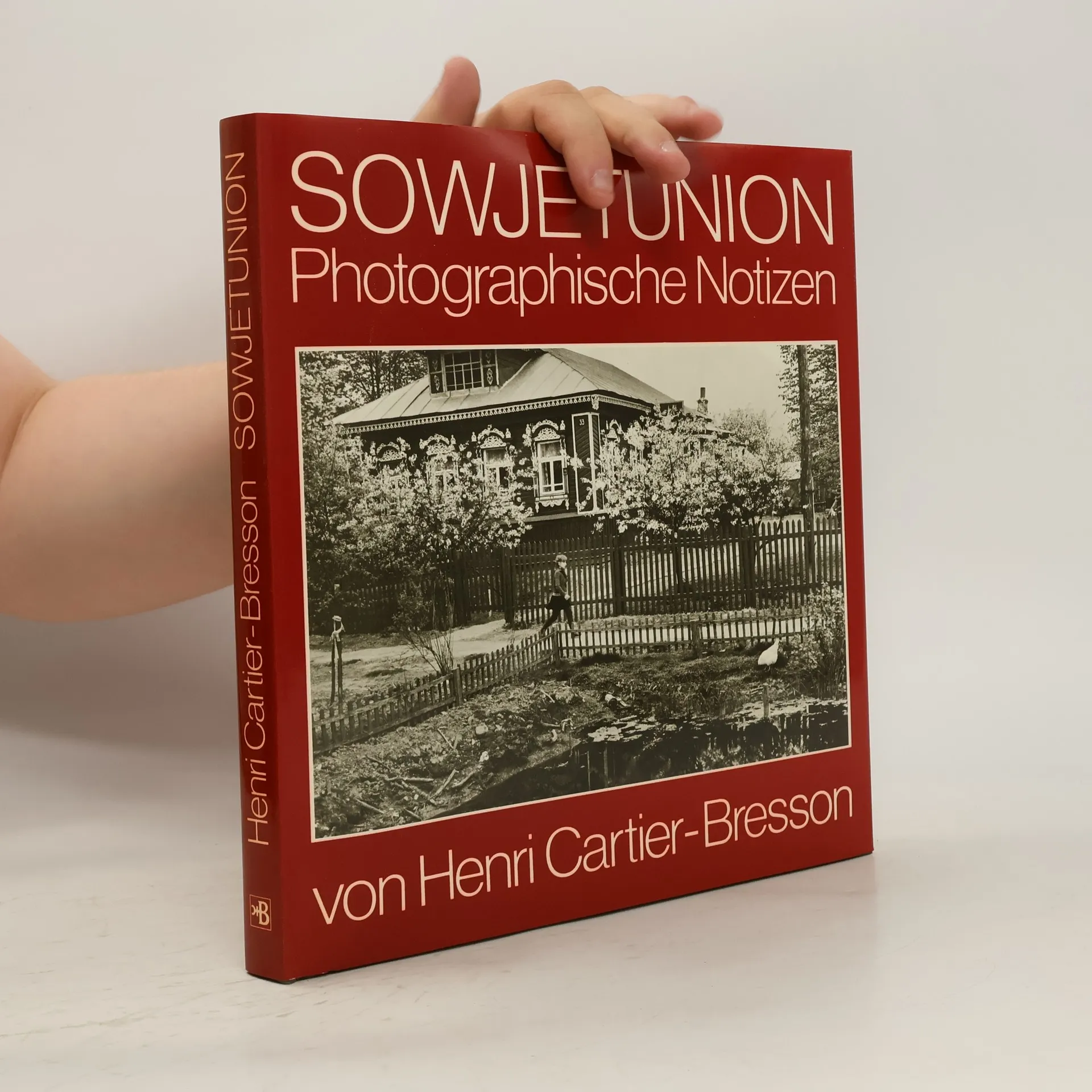
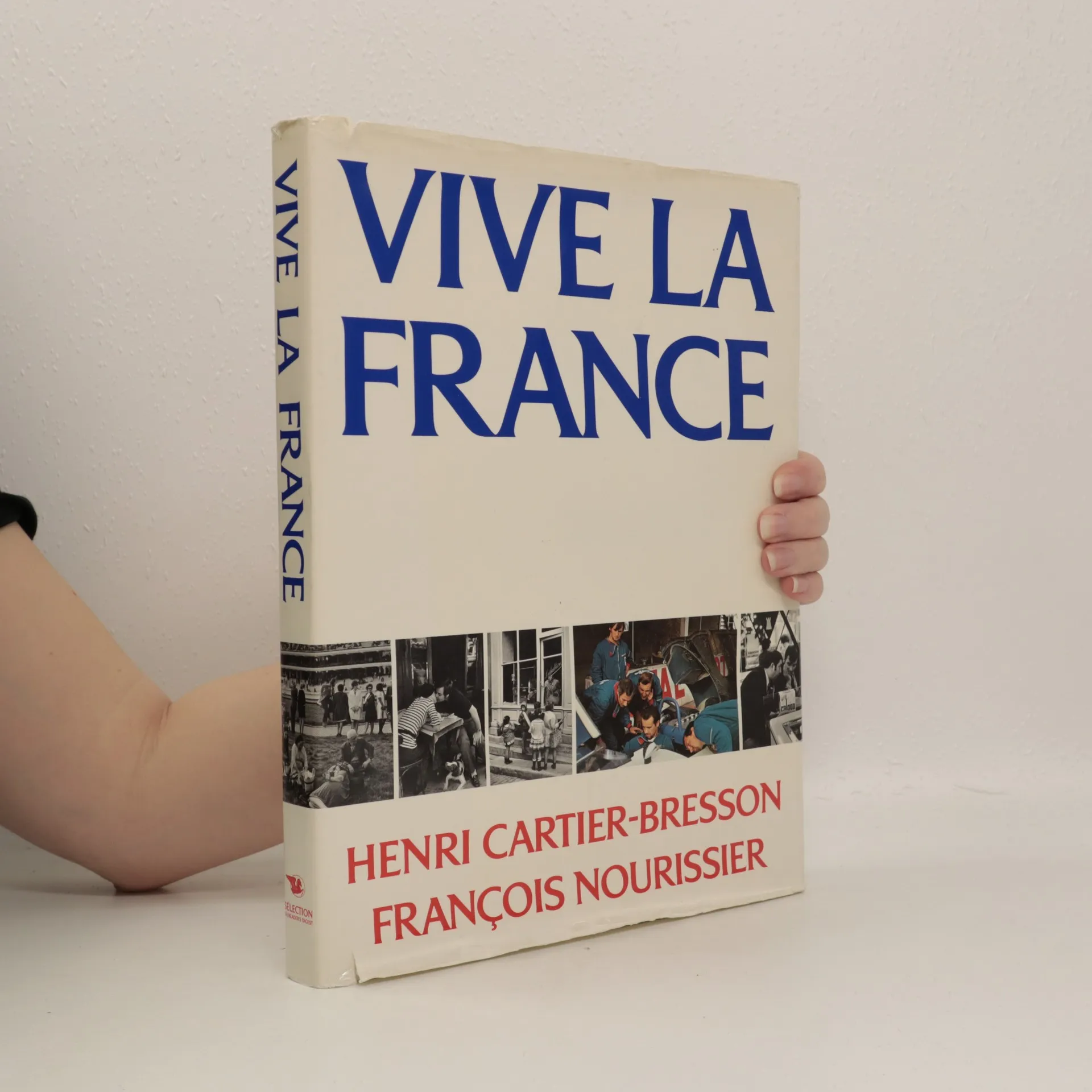
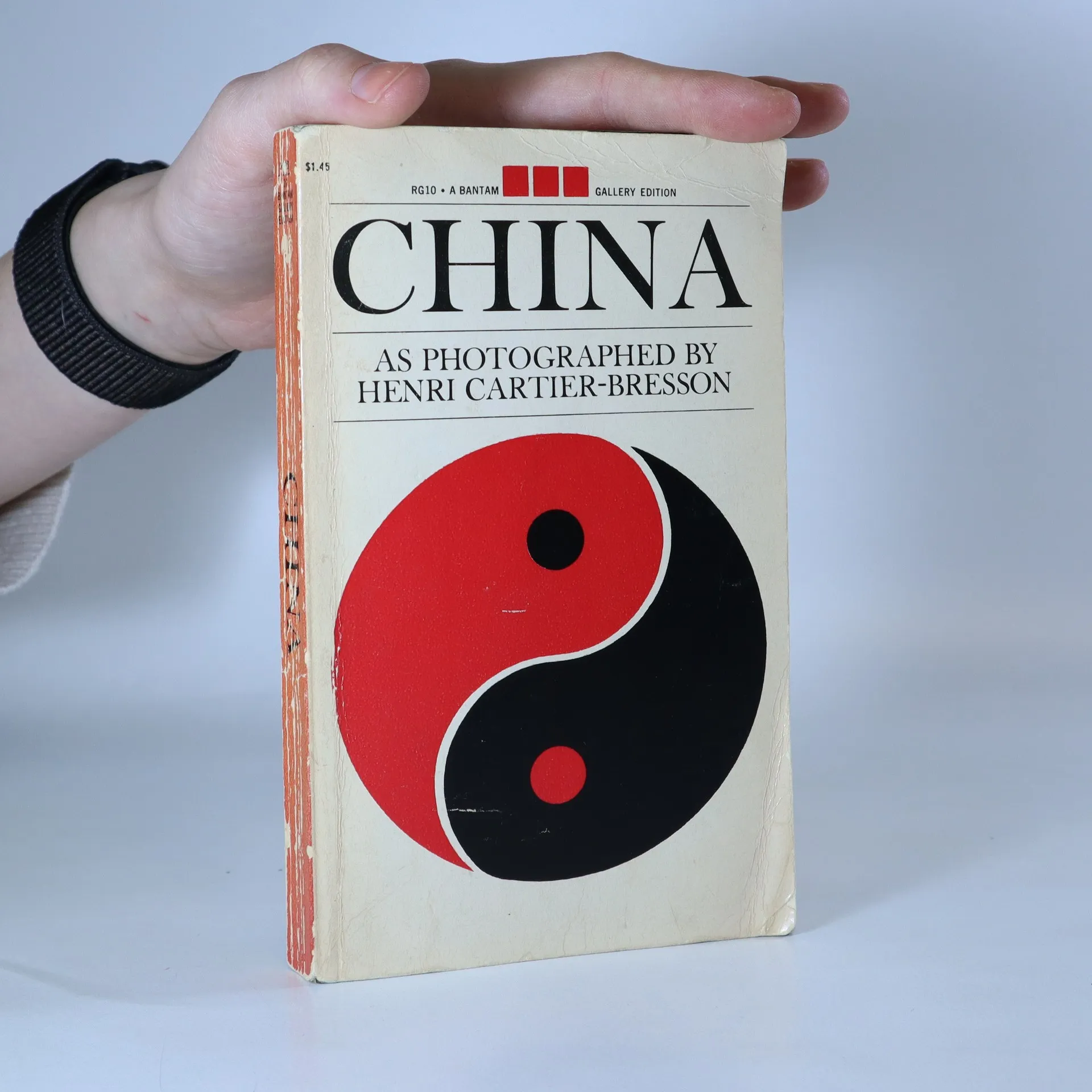
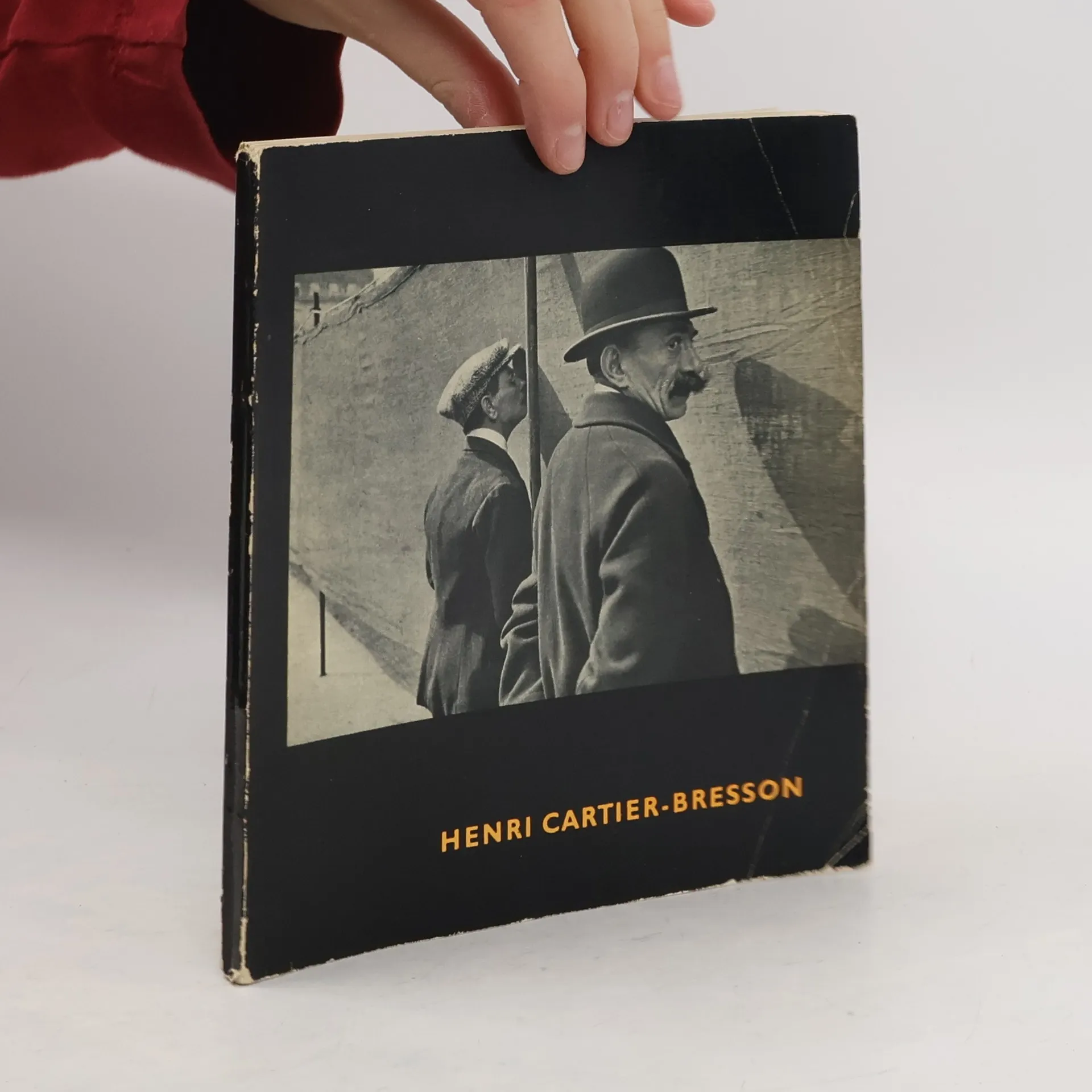
Henri Cartier-BressonReihenfolge der Bücher (Chronologisch)
22. August 1908 – 3. August 2004
Henri Cartier-Bresson war ein französischer Fotograf, der als Vater des modernen Fotojournalismus und Meister der Momentfotografie gilt. Als früher Anwender des 35-mm-Formats entwickelte er den Stil der „Straßenfotografie“ oder „Reportage des realen Lebens“, der Generationen von Fotografen beeinflusste. Seine Arbeit zeichnet sich durch das intuitive Erfassen des entscheidenden Augenblicks und einen eleganten Kompositionsgeist aus, der die dokumentarische Fotografie zur Kunstform erhob.
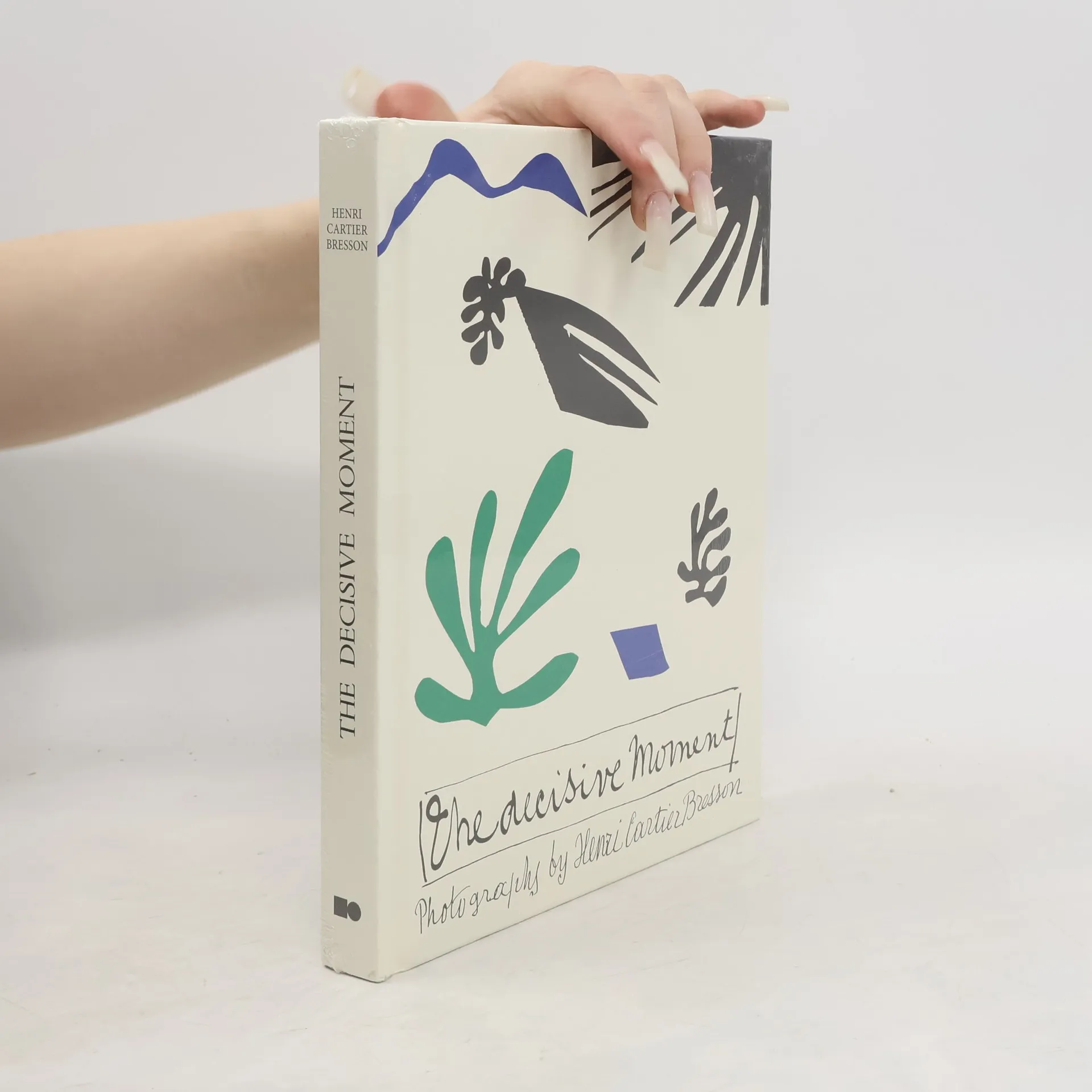
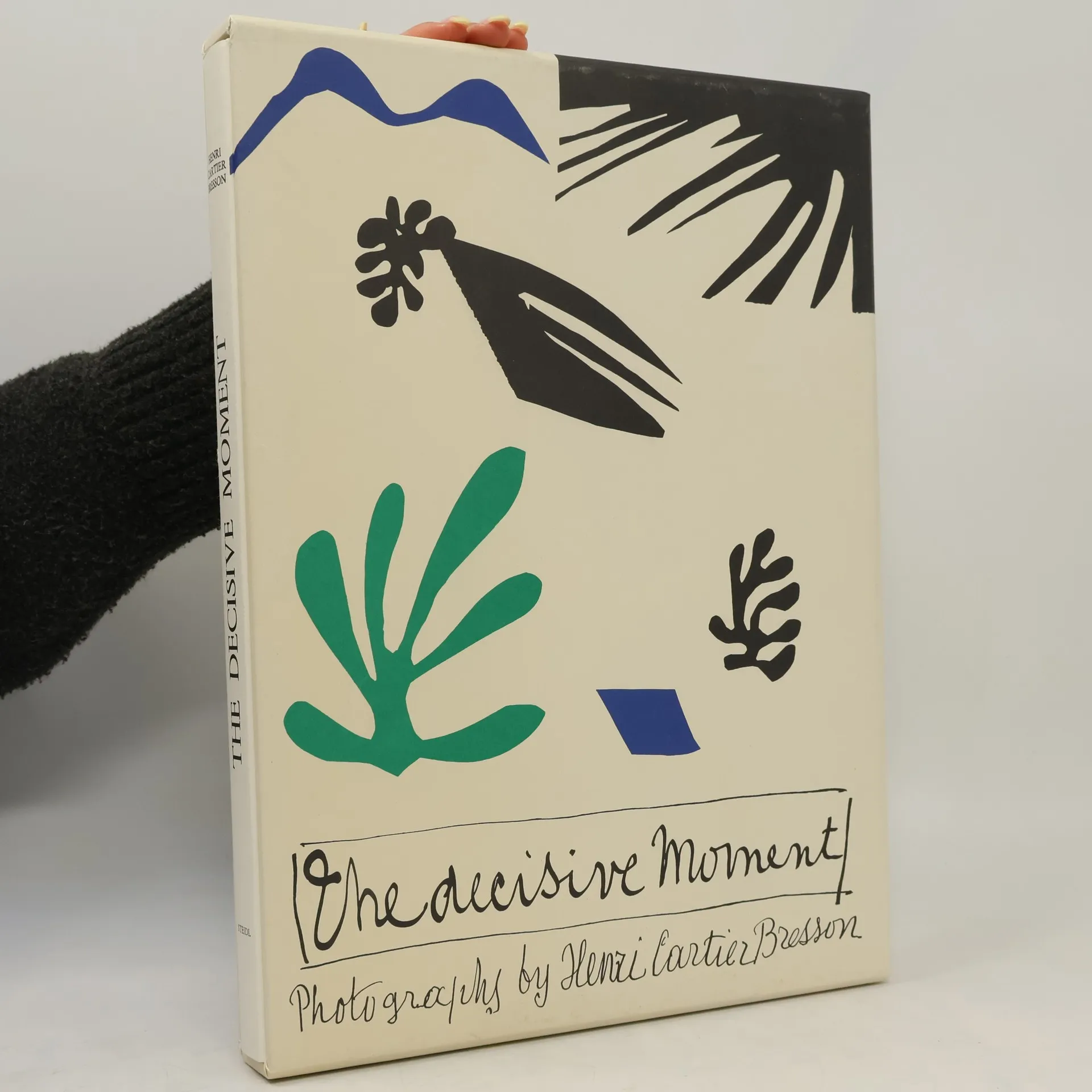
This edition showcases a landmark photobook that has significantly influenced the genre throughout the twentieth century. It highlights the evolution of photographic art and its cultural impact, making it essential for both enthusiasts and scholars. The book features a curated selection of images that exemplify the pivotal moments in photography, reflecting the artistic vision and historical context of its time.
Die Publikationstellt die mexikanischen Fotografien von Helen Levitt denen von Henri Cartier-Bresson gegenüber. Die beiden Fotografen trafen sich erstmals im Frühjahr 1935 in New York. Cartier-Bresson hatte gerade ein Jahr in Mexiko verbracht, während der die Amerikanerin gerade erst begonnen hatte, das New Yorker Straßenleben zu fotografieren. 1941 beschloss Levitt, fasziniert von Cartier-Bressons Arbeit, dasselbe Ziel zu besuchen. Die beiden Reisen nach Mexiko erwiesen sich als Dreh- und Angelpunkte zu Beginn ihrer langen Karrieren, während derer die beiden Fotografen jeweils ihre eigene Auffassung von Fotografie entwickelten.
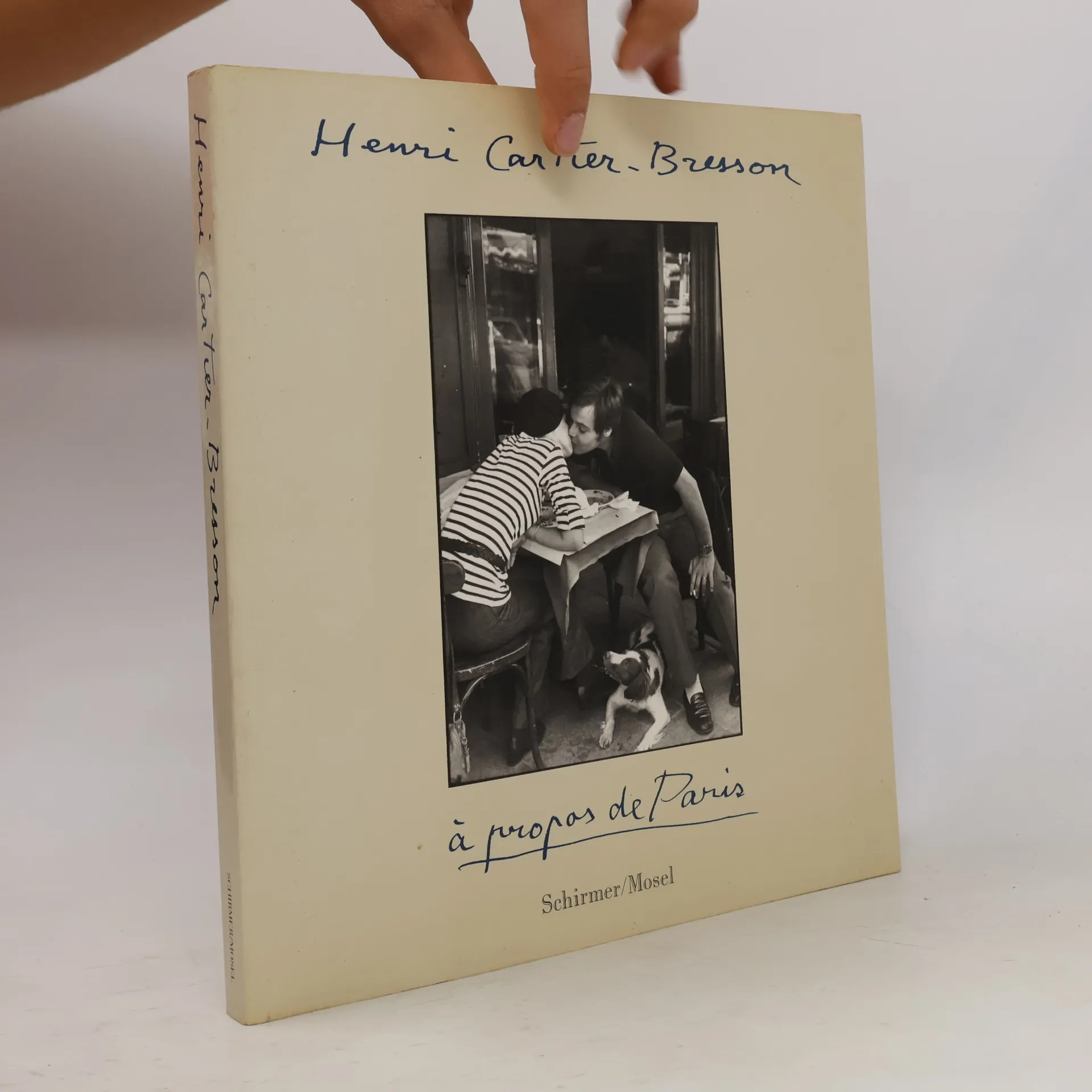
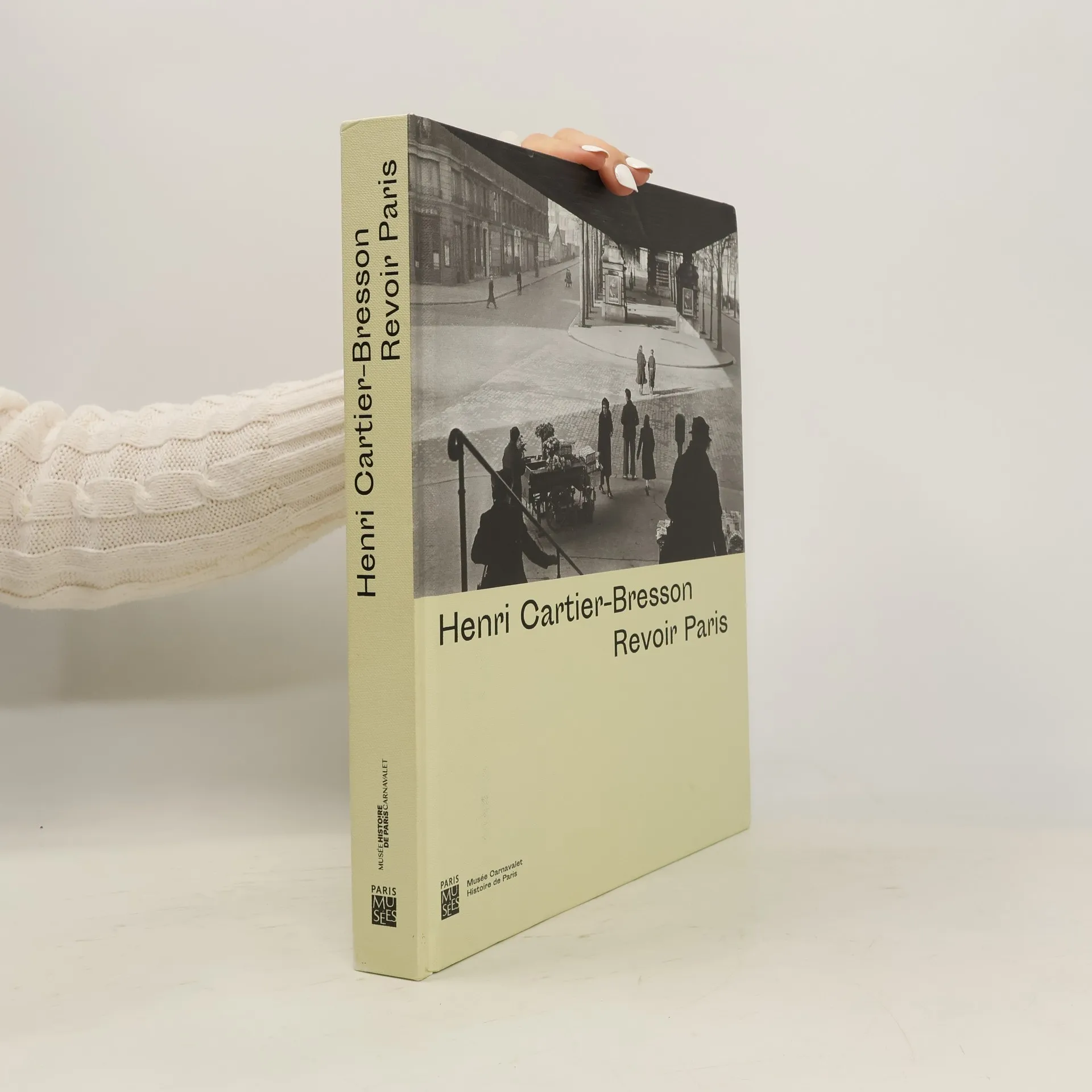
Une mise en lumière de l'importance de Paris dans la vie et l'œuvre d'Henri Cartier-Bresson, figure majeure de la photographie du XXe siècle. Ses clichés témoignent de grands événements d'actualité comme la Libération en août 1944 ou mai 1968.Exposition au musée Carnavalet, Histoire de Paris du 15 juin 2021 au 31 octobre 2021
Henri Cartier-Bresson (1908-2004) was "the eye of the 20th century" and one of the world's most acclaimed photographers. Paris was his home, on and off, for most of his life and the photographs he took of the city and its people are some of his most recognizable and beloved images. In this volume are 160 photographs taken from a career lasting more than fifty years. Mostly in black and white, this selection reveals the strong influence of pioneering documentary photographer Eugene Atget (1857-1927) on Cartier-Bresson, and the clear visual links with surrealism that infused his early pictures. After an apprenticeship with cubist painter André Lhote in 1932, Cartier-Bresson bought his first Leica, a small portable camera that allowed him to capture the movement and rhythms of daily life in Paris. Camera in hand, Cartier-Bresson observed the Liberation from the Nazis in August 1944 from close quarters and the civil disturbances of May 1968. For decades he also thrived in capturing native Parisians going about their lives in the city, as well as photographing celebrated artists, writers, politicians, and anonymous citizens
The book offers a comprehensive exploration of Henri Cartier-Bresson's career through his "Master Set," a curated selection of 385 significant photographs chosen by the artist himself in the 1970s. Accompanied by personal selections from renowned figures like Annie Leibovitz and Wim Wenders, the volume showcases diverse interpretations of Cartier-Bresson's work. It is divided into two parts: individual curator choices with accompanying texts and the complete Master Set, providing an authoritative panorama of his artistic legacy.
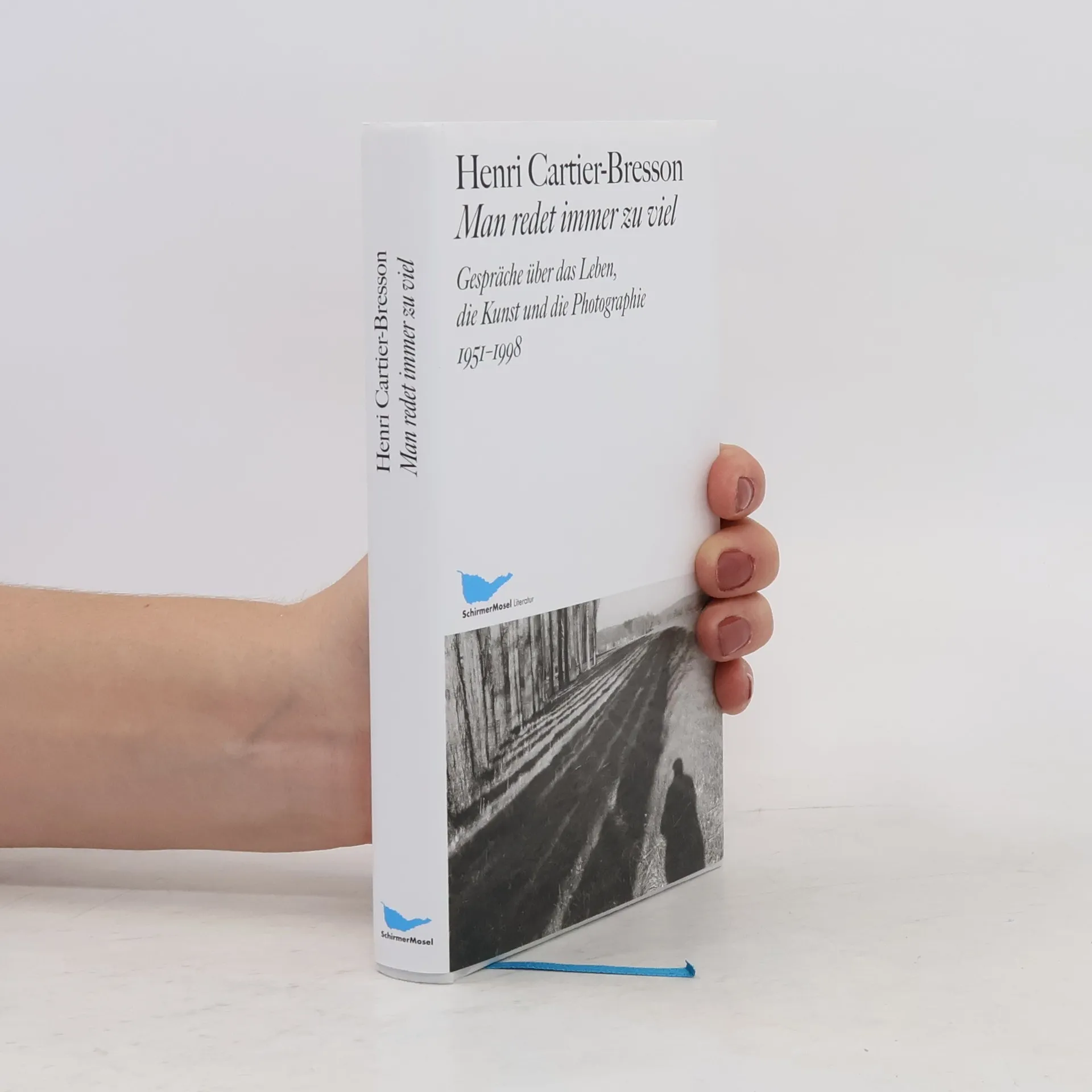
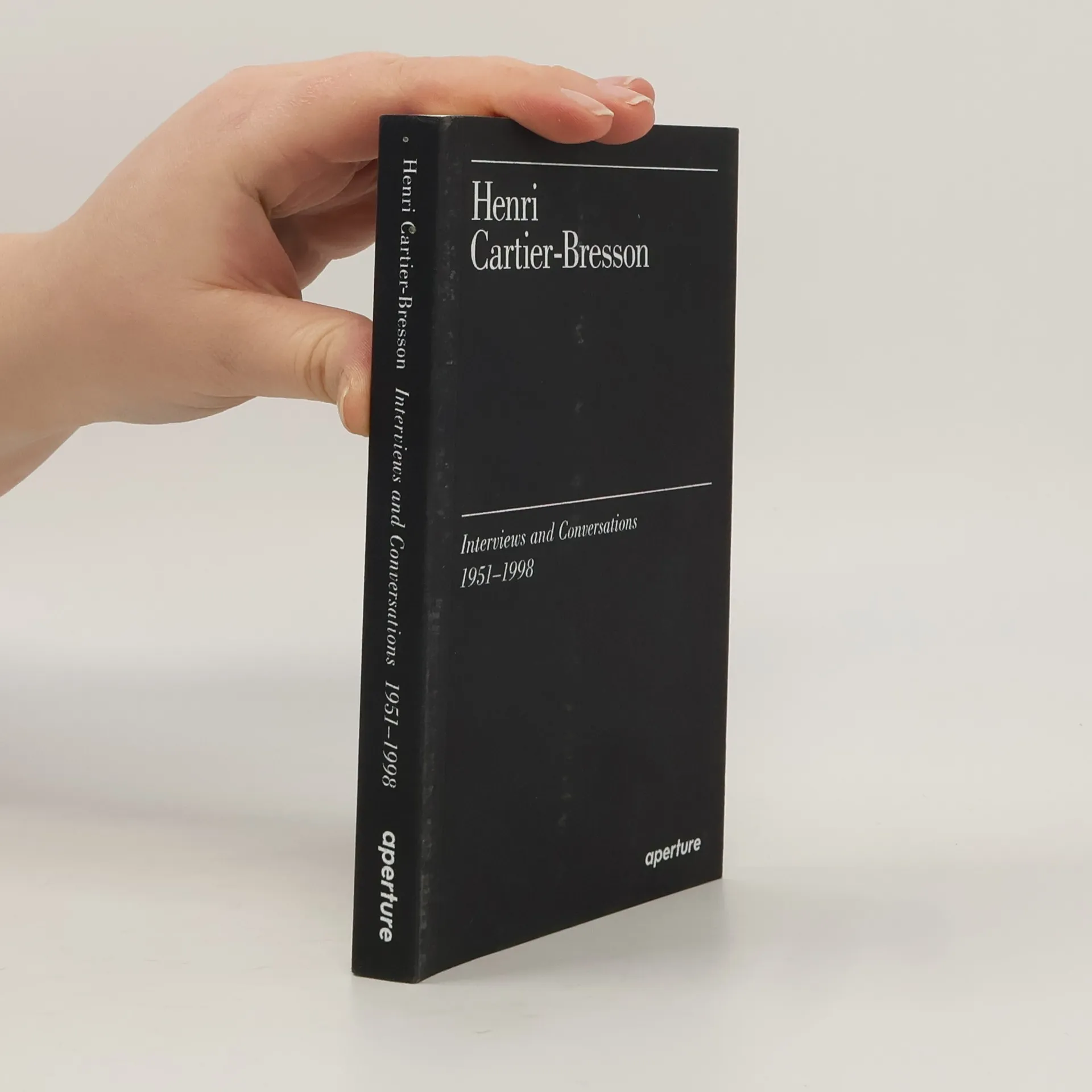
Gespräche über das Leben, die Kunst und die Photographie 1951-1998
215 Seiten
8 Lesestunden
Henri Cartier-Bresson, Meister der Fotografie und Pionier des entscheidenden Augenblicks, teilt in diesem Band seine Gedanken und Erlebnisse aus über fünf Jahrzehnten. In zwölf sorgfältig ausgewählten Interviews reflektiert er über seine künstlerischen Einflüsse, darunter Kubismus und Surrealismus, sowie seine Reisen und Begegnungen mit bedeutenden Persönlichkeiten. Er spricht über die Technik und Philosophie seiner Fotografie, die Rolle seiner Leica-Kamera und die Gründung der Agentur Magnum. Diese Sammlung bietet einen einzigartigen Einblick in sein Leben und Werk und ergänzt seine berühmten Bildbände auf authentische Weise.
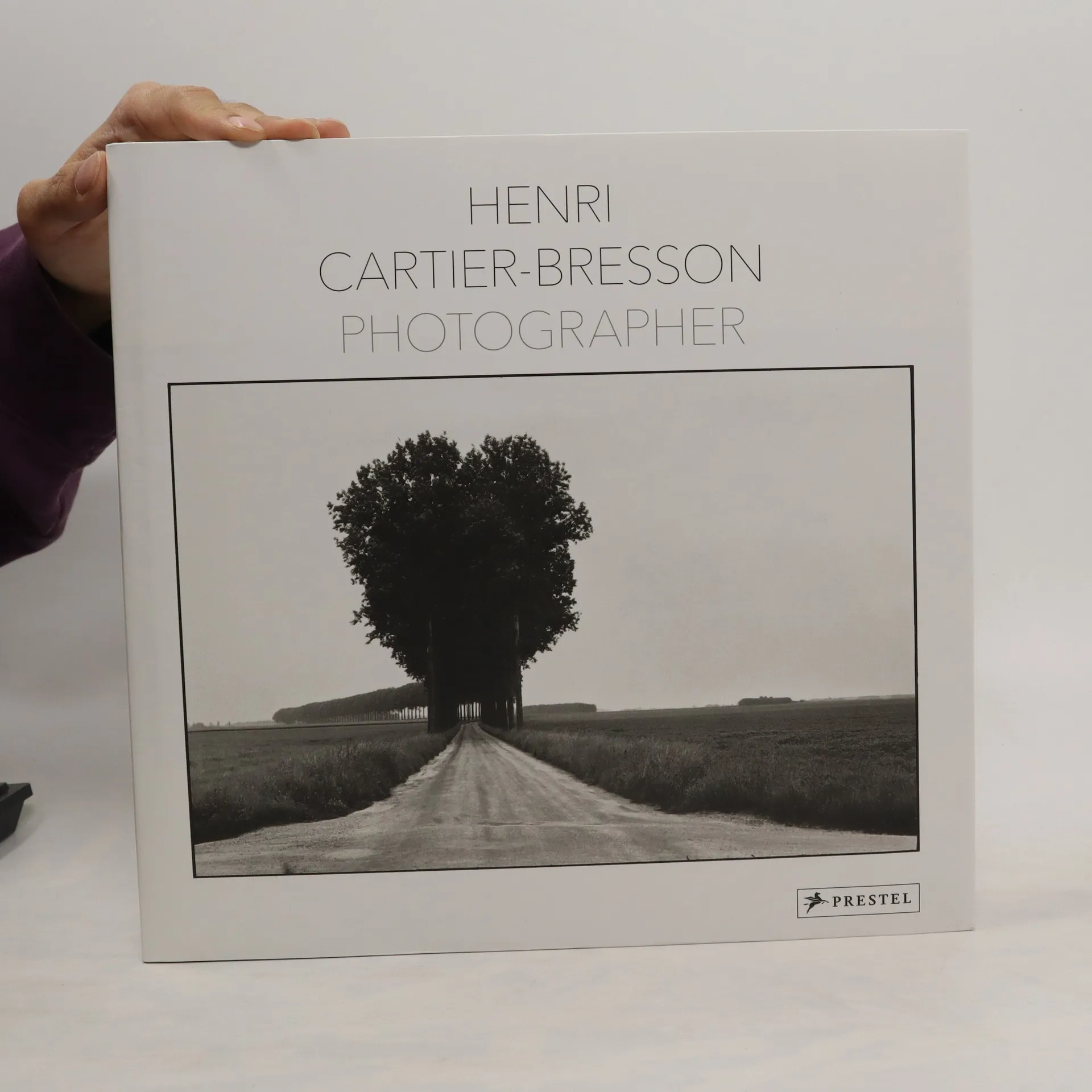
'Henri Cartier-Bresson - Photographer is the crowning publication of an illustrious career. The foreword by Yves Bonnefoy discusses Cartier-Bresson's creative process, and Cartier-Bresson himself selected all the images for this summation of his finest work. Using the finest quality double impression offset printing and large-scale one-to-a-page presentation, all the famous photographs are here in these pages, alongside recent, less familiar work. In each classic image, the moment is eternal and compassion spills from the frame
Presented for the first time in English, this volume brings together twelve notable interviews and conversations with Henri Cartier-Bresson carried out between 1951 and 1998. While many of us are acquainted with his images, there are so few texts available by Cartier-Bresson on his photographic process. These verbal, primary accounts capture the spirit of the master photographer and serve as a lasting document of his life and work, which has inspired generations of photographers and artists.Here, Cartier-Bresson speaks passionately, with metaphors and similes, about the world and photography. A man of principles shaped by the evolving eras of the twentieth century, his major influences included Surrealism, European politics of the 1930s and ’40s, the Second World War, and his experiences with Magnum as cofounder and reporter. This book illuminates his thoughts, personality, and reflections on a seminal career.In his own "[Photography] is a way of questioning the world and questioning yourself at the same time. . . . It entails a discipline. For me, freedom is a basic frame of reference, and inside that frame are all the possible variations. Everything, everything, everything. But it is within a frame. The important thing is the sense of limit. And visually, it is the sense of form. Form is important. The structure of things. The space."
Un baiser en terrasse, les bouchers debout dès l’aube, des petites danseuses ou des manifestants escaladant la Bastille... Henri Cartier Bresson arpente le Paris des années 1950 et 1960, pour retranscrire ce qui fait la matière de la ville. Il nous plonge dans un Paris aujourd’hui disparu, capte ses habitants, avec humour et humanisme, mêle des moments historiques aux aspects plus pratiques du quotidien et témoigne de son œil unique du mouvement de deux décennies.
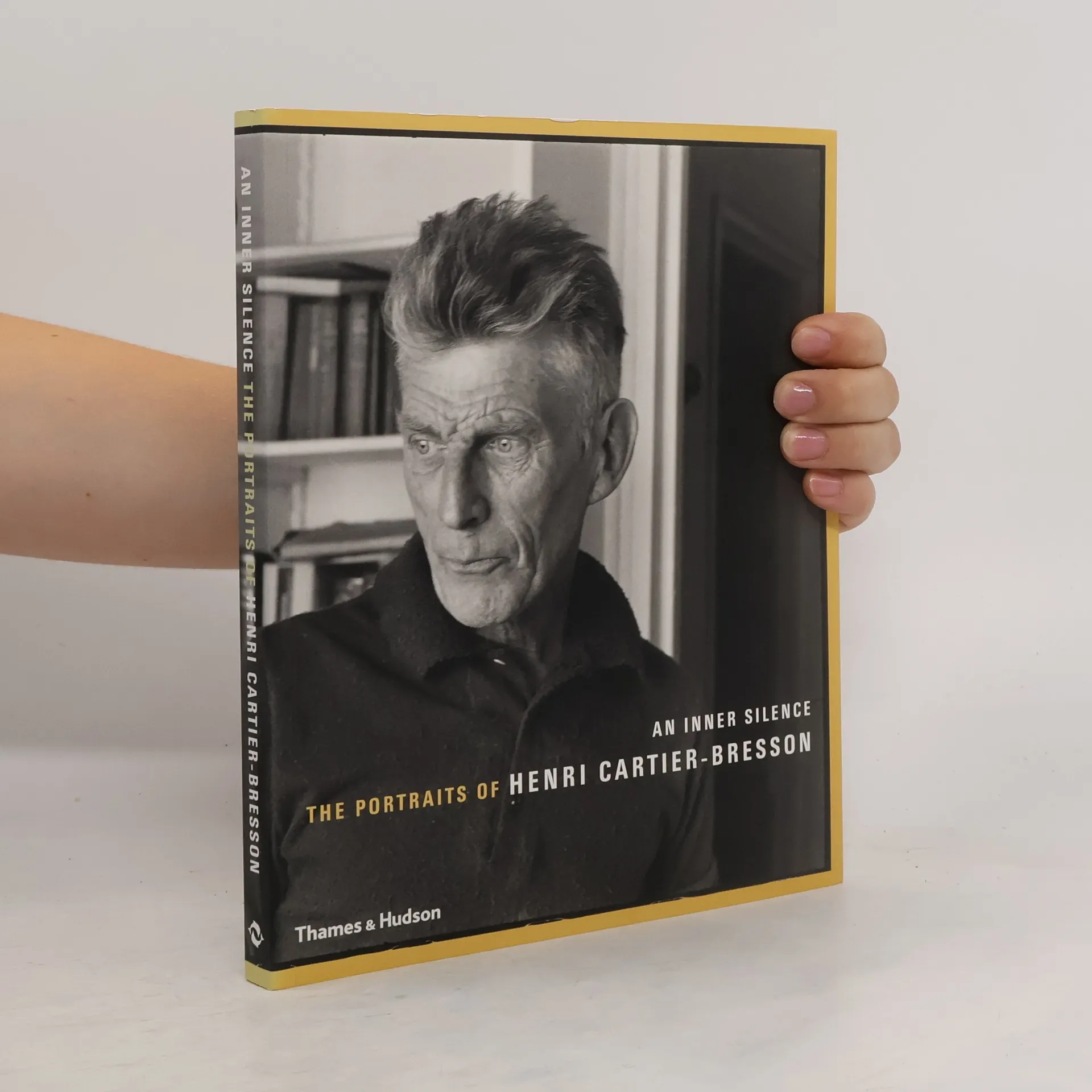
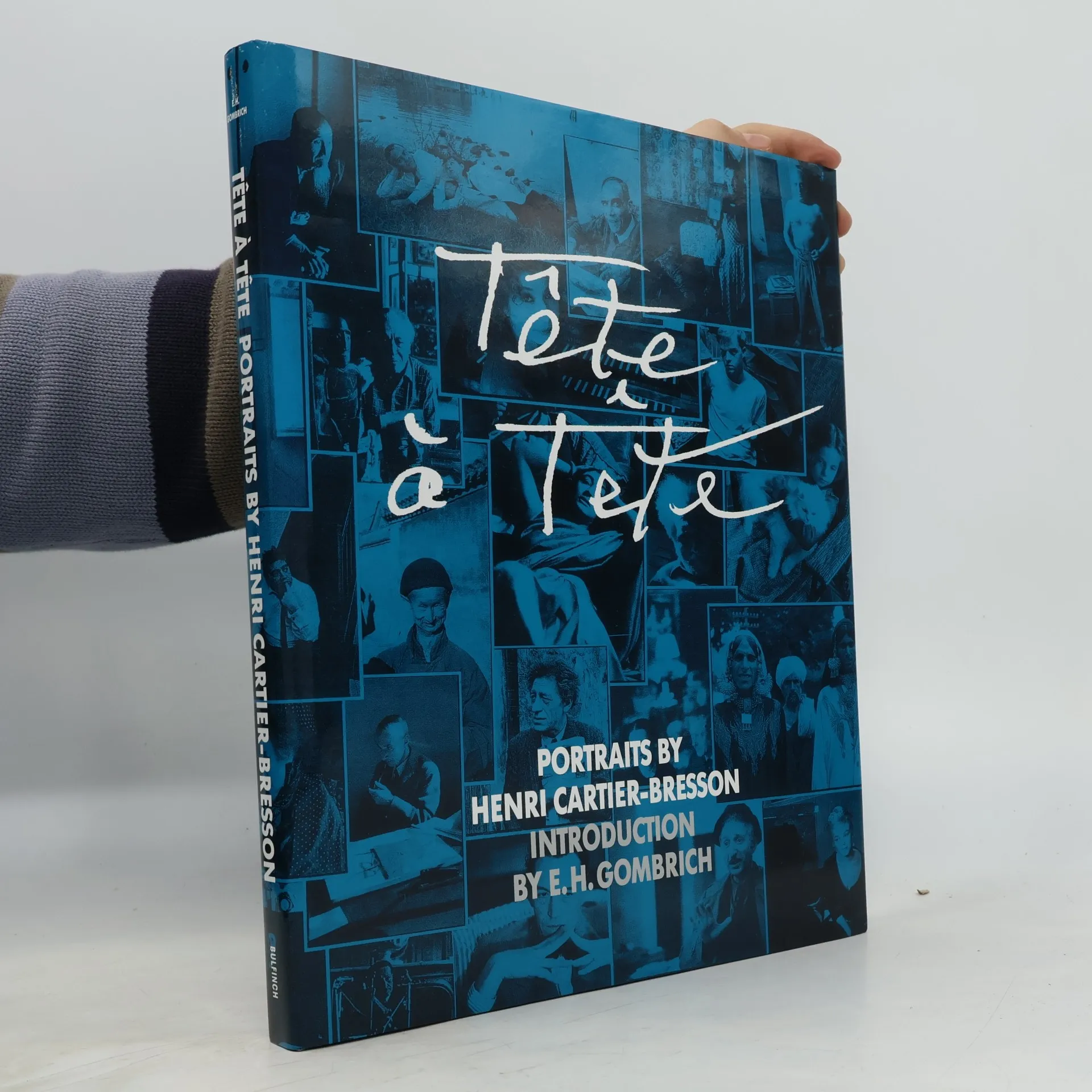
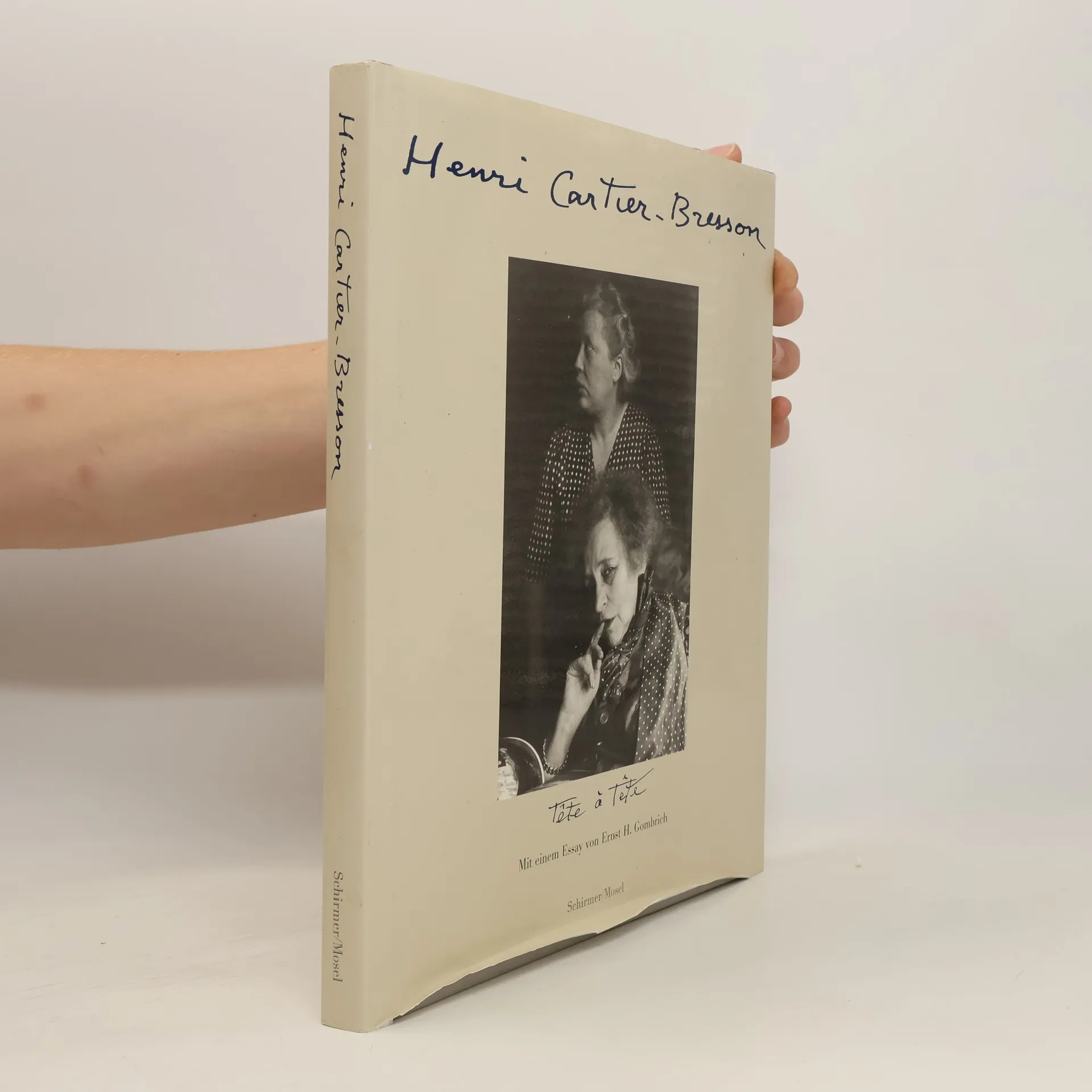
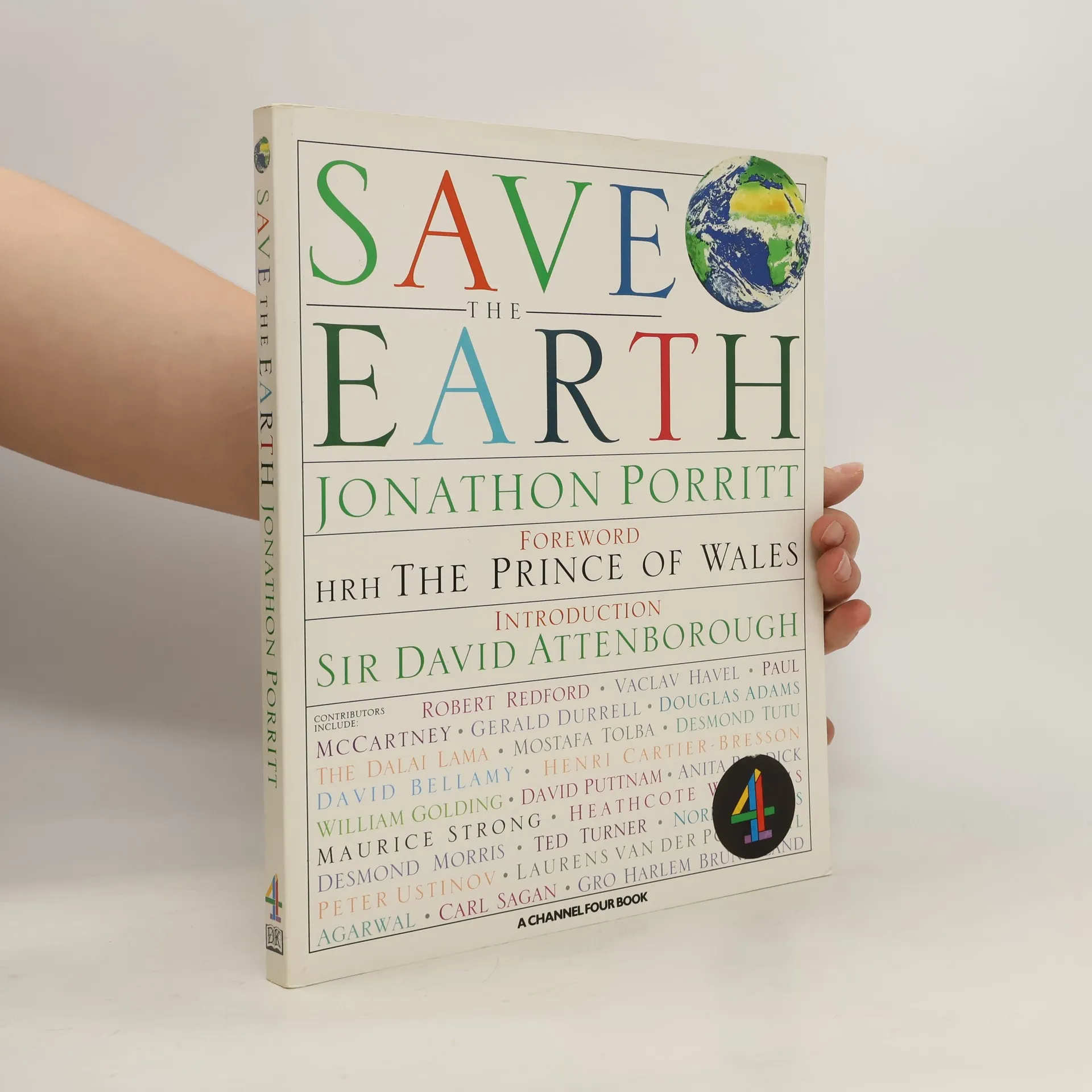
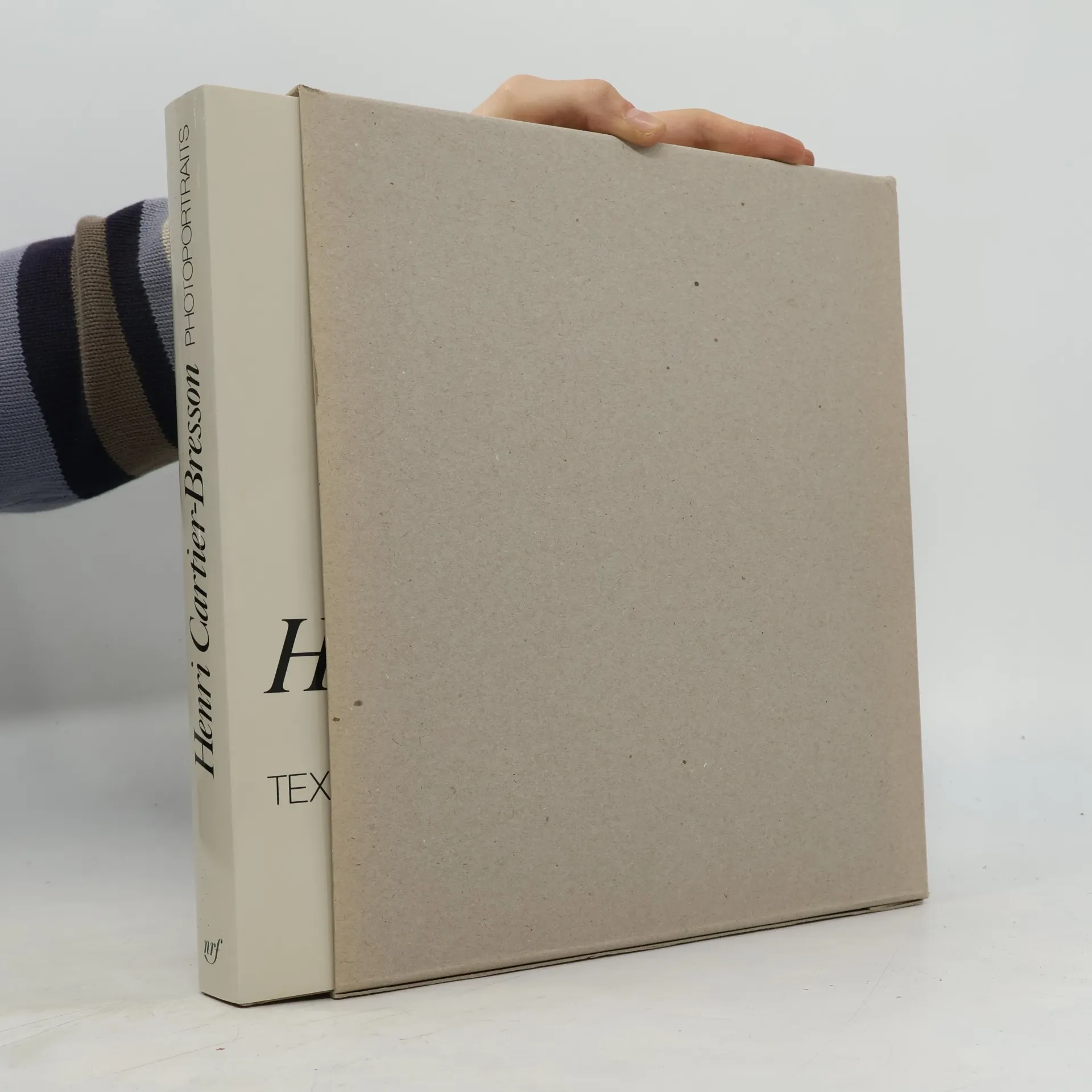
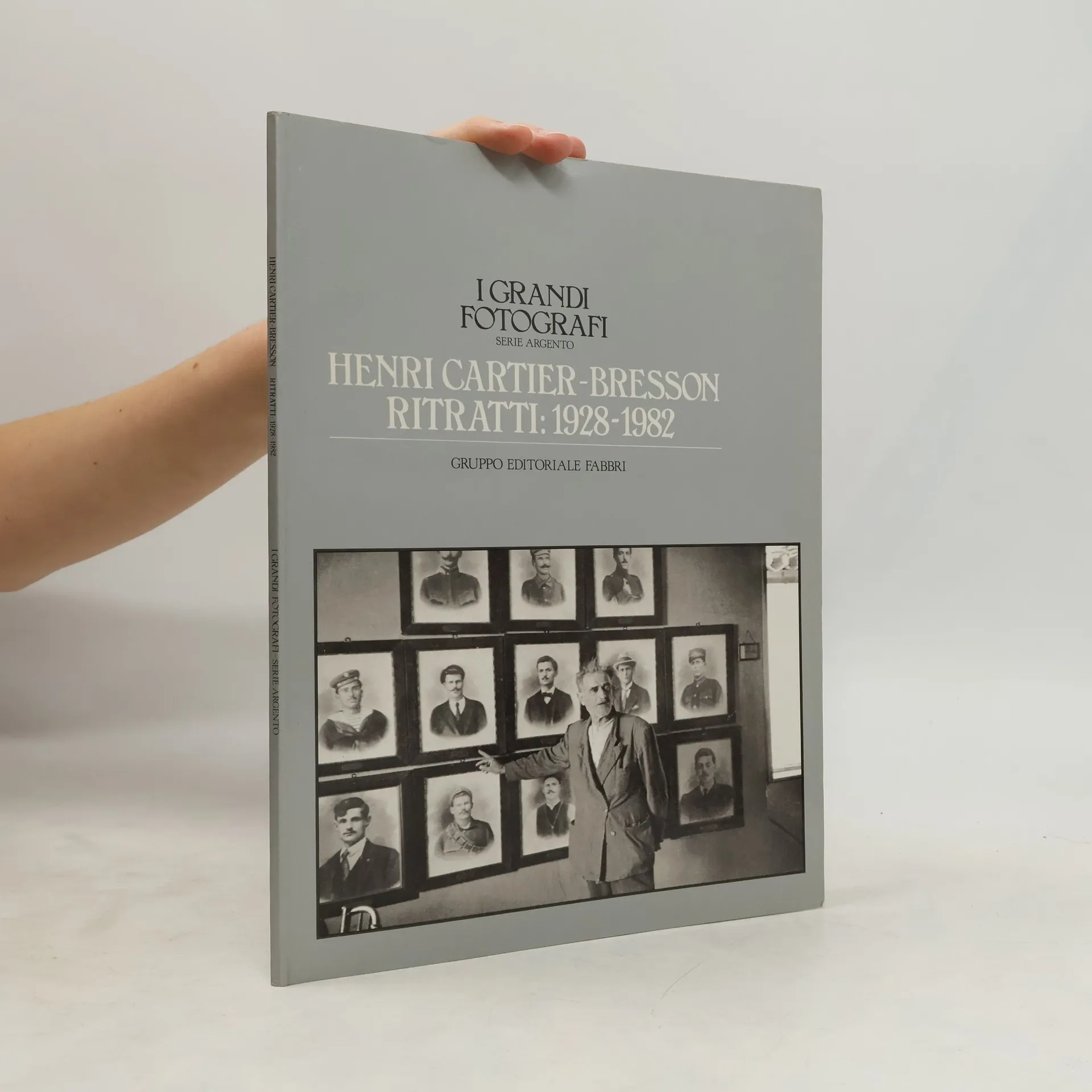
Henri Cartier-Bresson (1908 2004) was perhaps the finest and most influential image maker of the twentieth century, and his portraits are among his best-known work. Over a fifty-year period, he photographed some of the most eminent personalities of the era, as well as ordinary people, chosen as subjects because of their striking and unusual features. Originally published to coincide with an exhibition at the Fondation Henri Cartier-Bresson in Paris, this book features both well-known images and previously unpublished portraits: Ezra Pound, Andre Breton, Martin Luther King, Samuel Beckett, Truman Capote, Susan Sontag, Carl Jung, William Faulkner, Marilyn Monroe, Henri Matisse, and many more. Each photograph was chosen because it perfectly embodies Cartier-Bresson 's description of what he was attempting to communicate in his work: Above all I look for an inner silence. I seek to translate the personality and not an expression. The portraits reproduced here discreet, without artifice confirm once more the singular gift of Cartier-Bresson, who instinctively knew in which revealing fraction of a second to click the shutter.
In 1946, Cartier-Bresson traveled to New York with 300 prints, created a scrapbook, and presented it to MoMA's curators. This book is a facsimile of that iconic scrapbook.
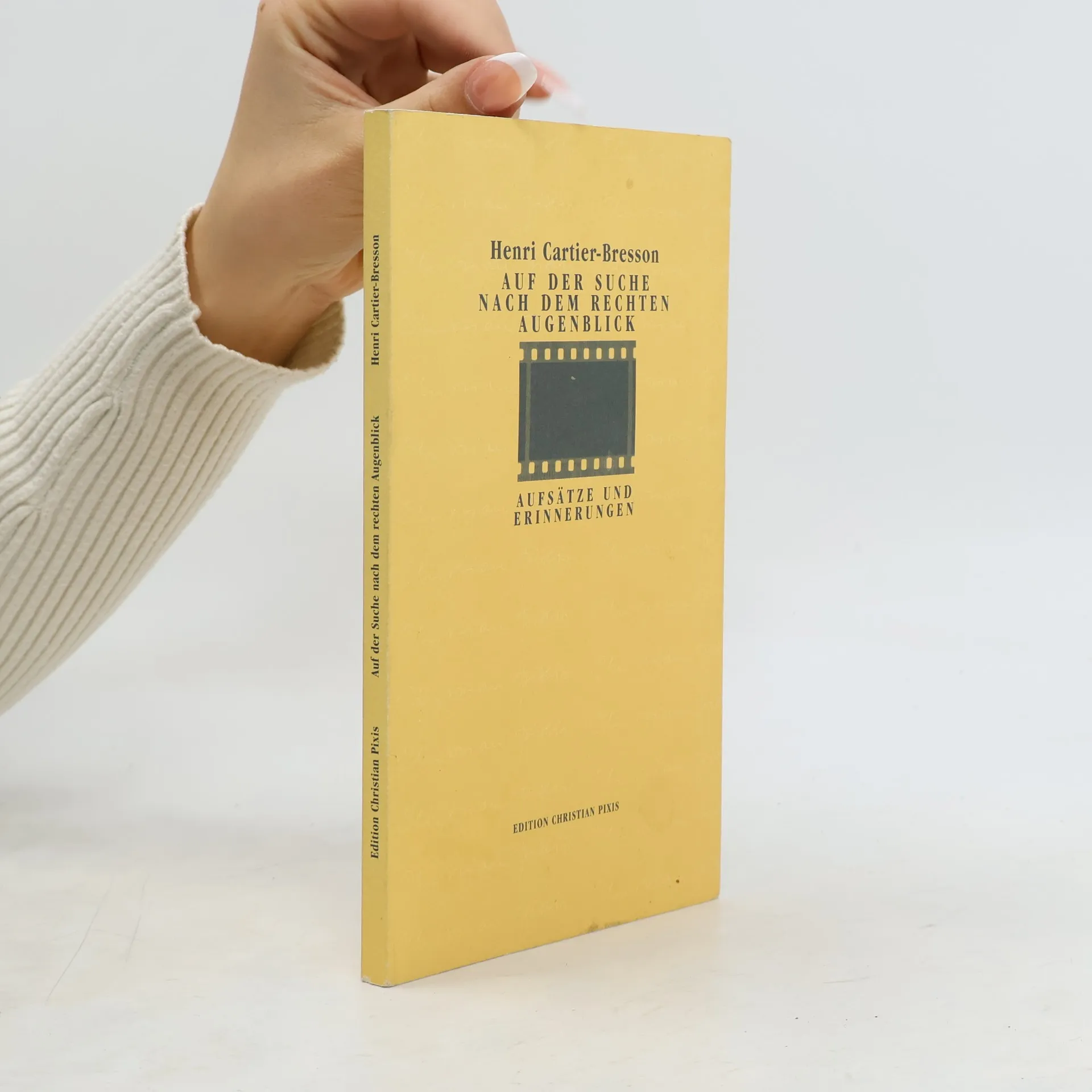
Henri Cartier-Bresson's writings on photography and photographers have been published sporadically over the past 45 years. His essays—several of which have never before been translated into English—are collected here for the first time. The Mind's Eye features Cartier-Bresson's famous text on "the decisive moment" as well as his observations on Moscow, Cuba and China during turbulent times. These essays ring with the same immediacy and visual intensity that characterize his photography.
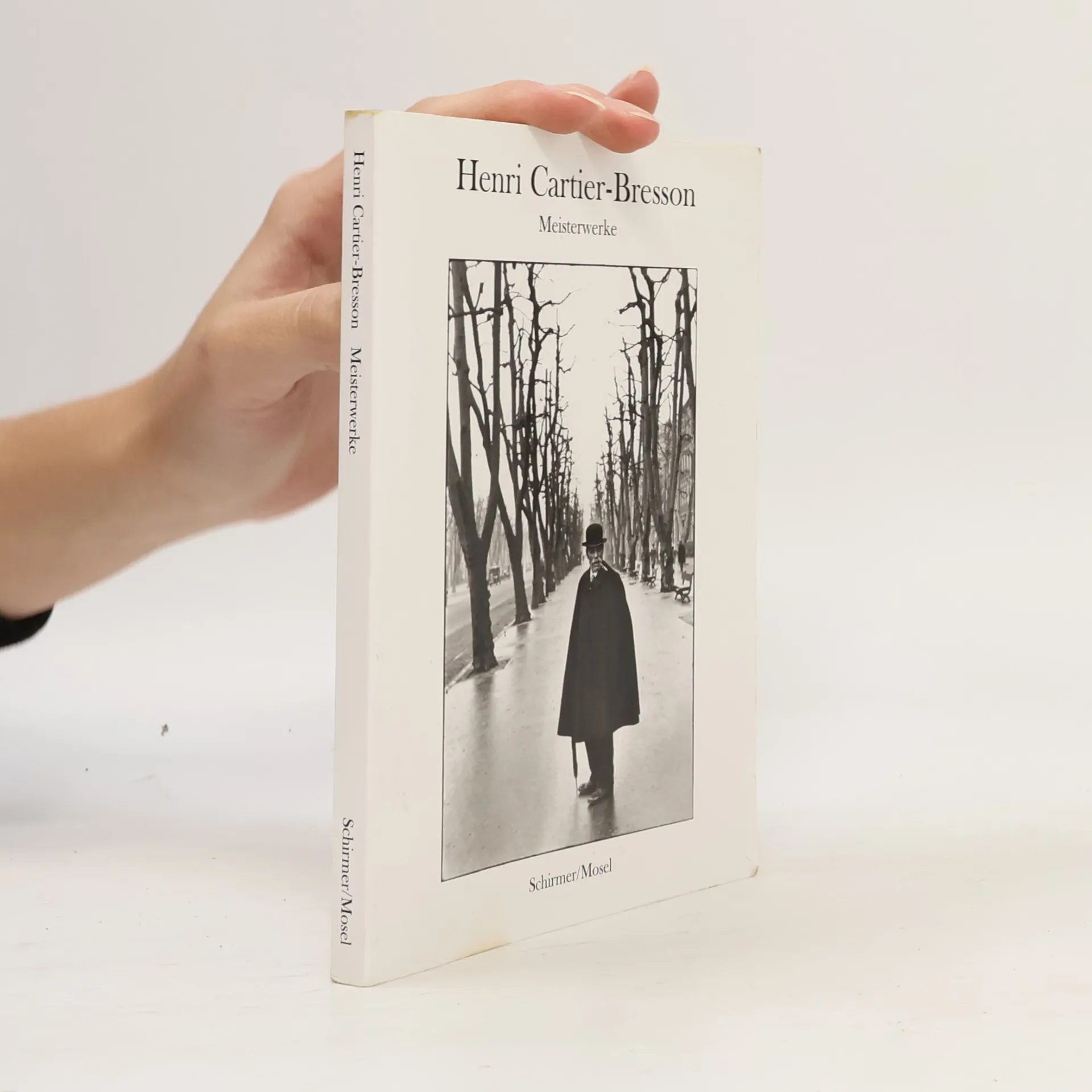
Von den 30er Jahren des vergangenen Jahrhunderts an hatte Henri Cartier-Bresson (1908–2004) immer wieder neue – und nach ihm selten erreichte – Maßstäbe gesetzt, wenn es darum ging, Photojournalismus und Photokunst miteinander zu verbinden. Sein Name, der untrennbar mit der von ihm mitbegründeten legendären Photoagentur Magnum verbunden ist, wurde zum Gütesiegel einer Bildberichterstattung, der künstlerischer Anspruch und humanes Interesse ebensoviel gelten wie der Informations- oder auch Sensationswert einer Photographie. Für alle, die sich einen repräsentativen Überblick über das Werk des Jahrhundertphotographen verschaffen wollen, bieten wir den in unserer Serie 'Meisterwerke' erschienenen, handlichen Band mit den berühmtesten HCB-Ikonen aus 50 Jahren neu an. Der begleitende Text stammt vom Meister selbst: Es ist seine 1952 verfaßte Definition des 'entscheidenden Augenblicks', die zur theoretischen Grundlage jedes engagierten Photojournalismus geworden ist. Mit fast 50.000 verkauften Exemplaren ist Henri Cartier-Bresson – Meisterwerke eines der erfolgreichsten Photobücher überhaupt
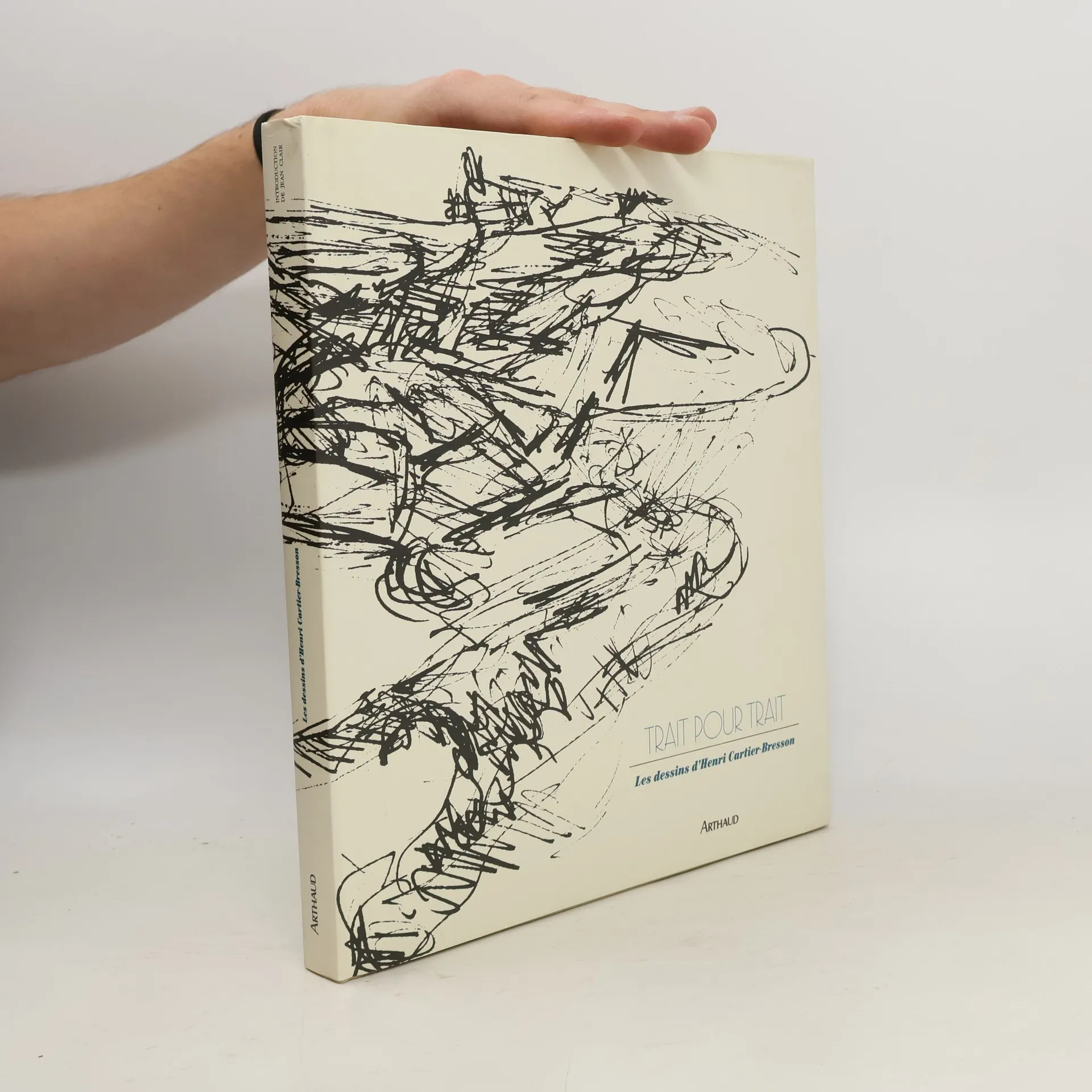
Over the last half century Henri Cartier-Bresson has photographed some of the most famous icons of the twentieth century, those few people among millions whose images pass into history. Tete a Tete is a remarkable arrangement of his most memorable portraits, including Pablo Picasso, Truman Capote, Marilyn Monroe, Lucien Freud, William Faulkner, Robert Kennedy, Che Guevara, Martin Luther King Jr., Coco Chanel, and the Dalai Lama. Beyond these famous names there are also anonymous portraits, chosen for their striking and unusual features, and a selection of pencil drawings, including a self-portrait. Cartier-Bresson supervised the design of the book and the juxtaposition of all the photographs. The result is a distinguished collection of his work, diverse in its range of extraordinary and ordinary personalities from the 1930s to the 1990s. Tete a Tete reveals Cartier-Bresson as a photographer who is as skillful in recording the subtleties of the individual portrait as he is renowned for his masterful ability to capture the decisive moment.
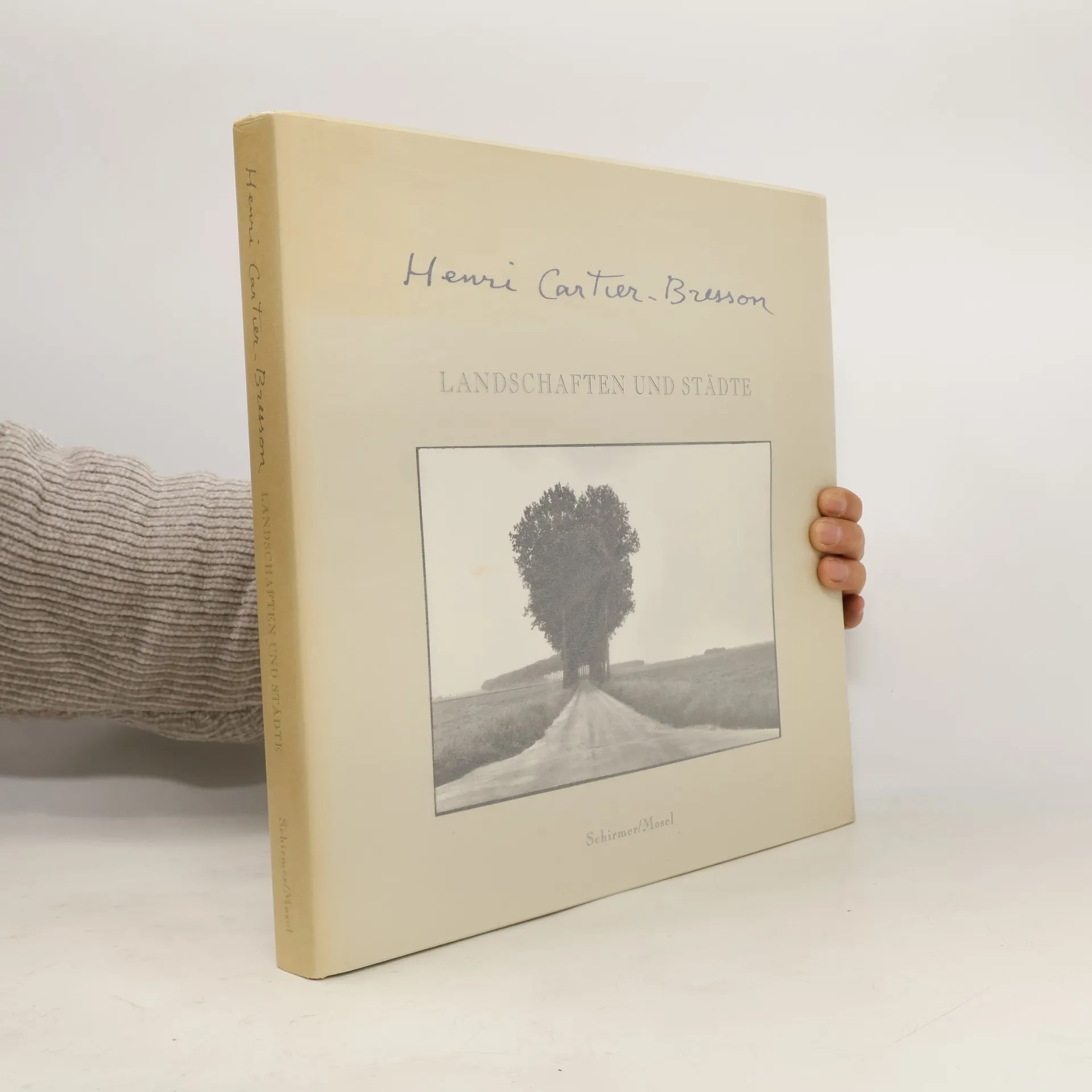
Henri Cartier-Bresson gehört zu den bedeutendsten Fotografen des 20. Jahrhunderts. Seine frühesten Bilder zeigen Europa in den 1930er und 1940er Jahren. Diese beeindruckende Sammlung des weltberühmten Fotografen fängt seine berühmten „entscheidenden Momente“ ein, die sowohl von Schönheit als auch von Unruhe geprägt sind. 200 Fotos.
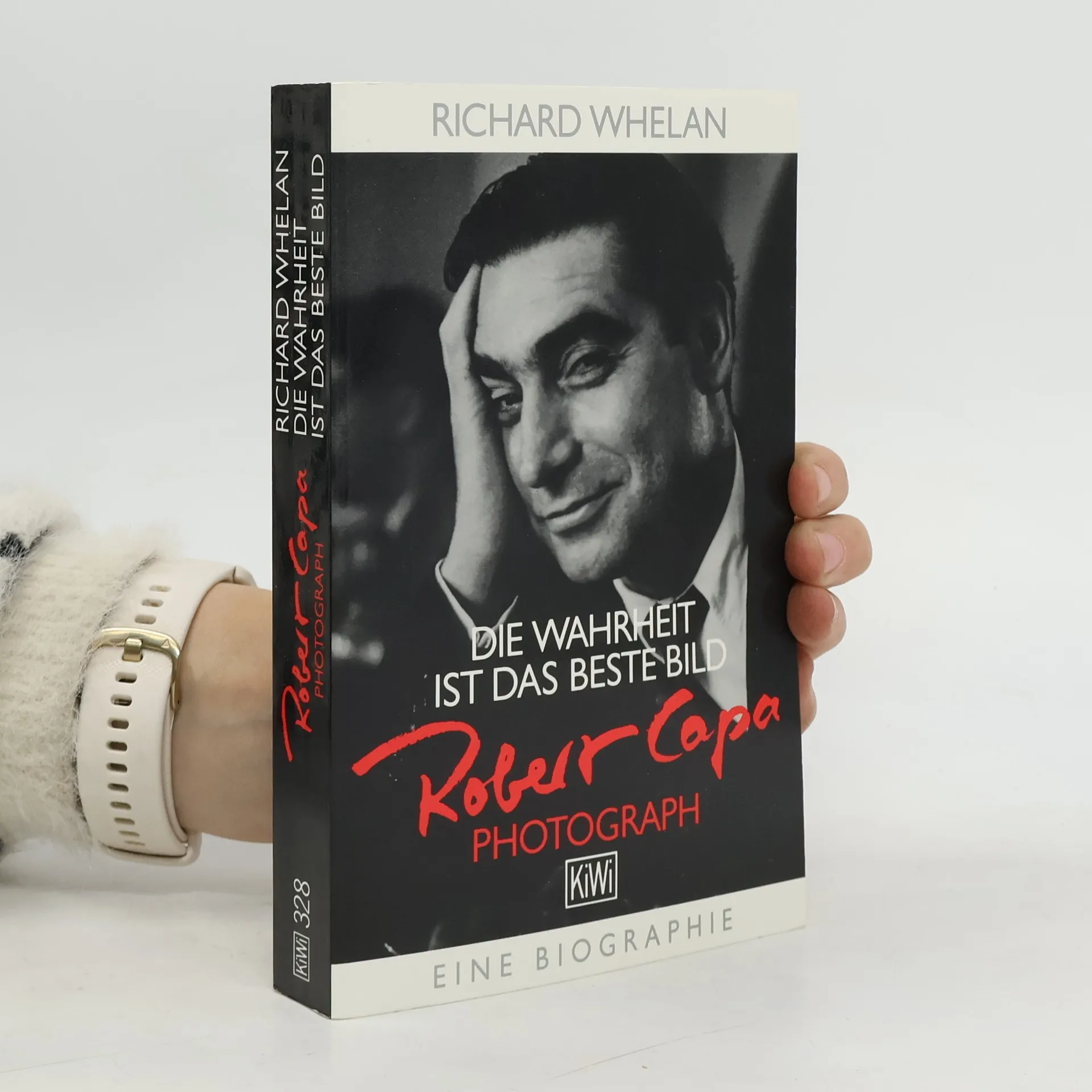
In fast romanhaftem Stil erzählen die Bilder – chronologisch präsentiert – ebenso viel über den Fotografen wie über die Zeiten, die Capa dokumentierte. Seine Berichterstattung über den Spanischen Bürgerkrieg festigte Capas Ruf als unübertroffenen Kriegsfotografen. Doch er war auch ein Mann, der es liebte, Bilder von schönen Frauen, berühmten Männern und großen Partys zu machen. Oft übersehen, wenn es um das Erbe Capas geht, waren auch diese Teil seines Lebenswerks. Beide Capas – der Geschichtenerzähler der High Society und der furchtlose Zeuge des Krieges – sind in "Robert Capa: Fotografien" evident. Die beiden Seiten von Capas Werk mögen unvereinbar erscheinen, sind es aber nicht. Er dokumentierte eine Welt. Seine eigene.
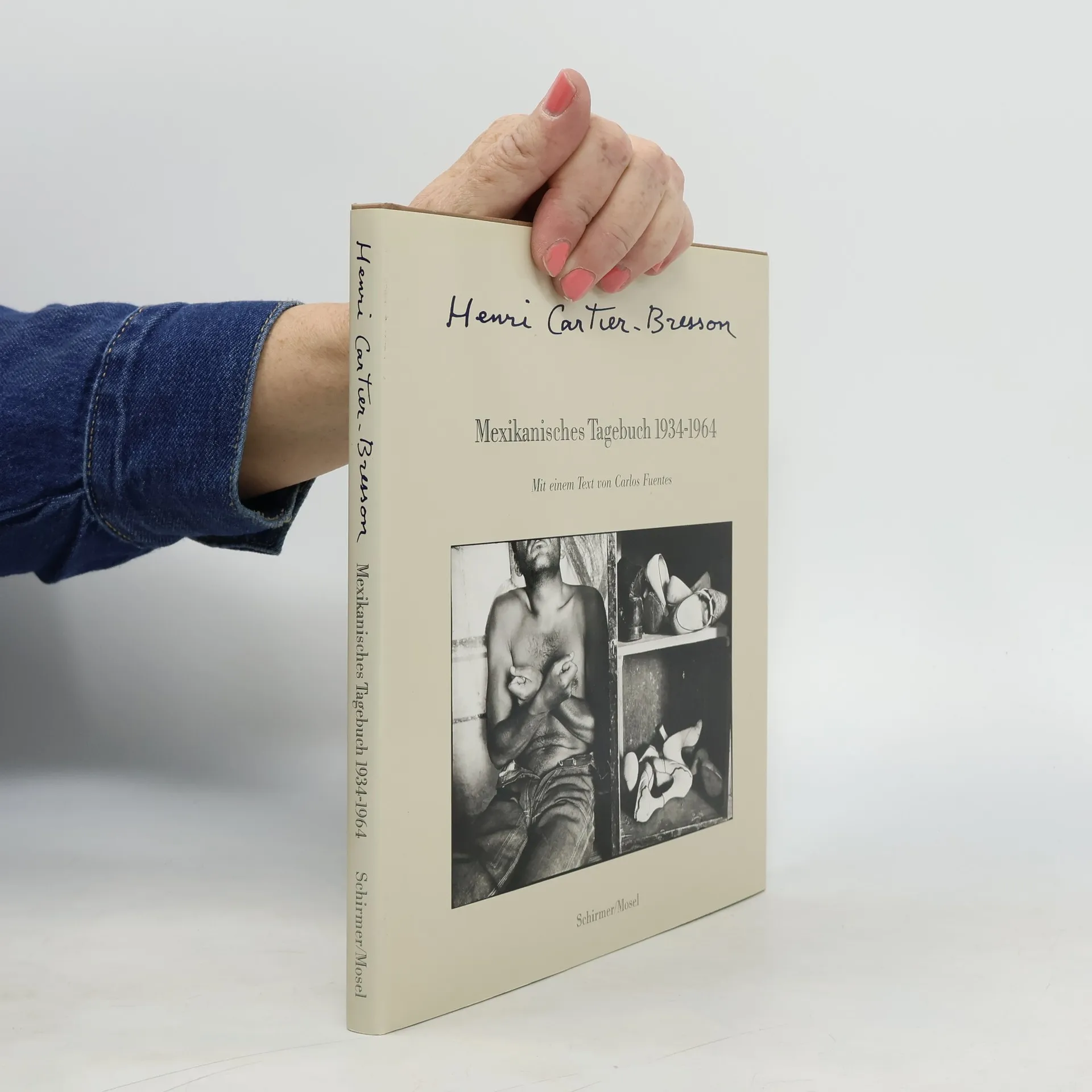
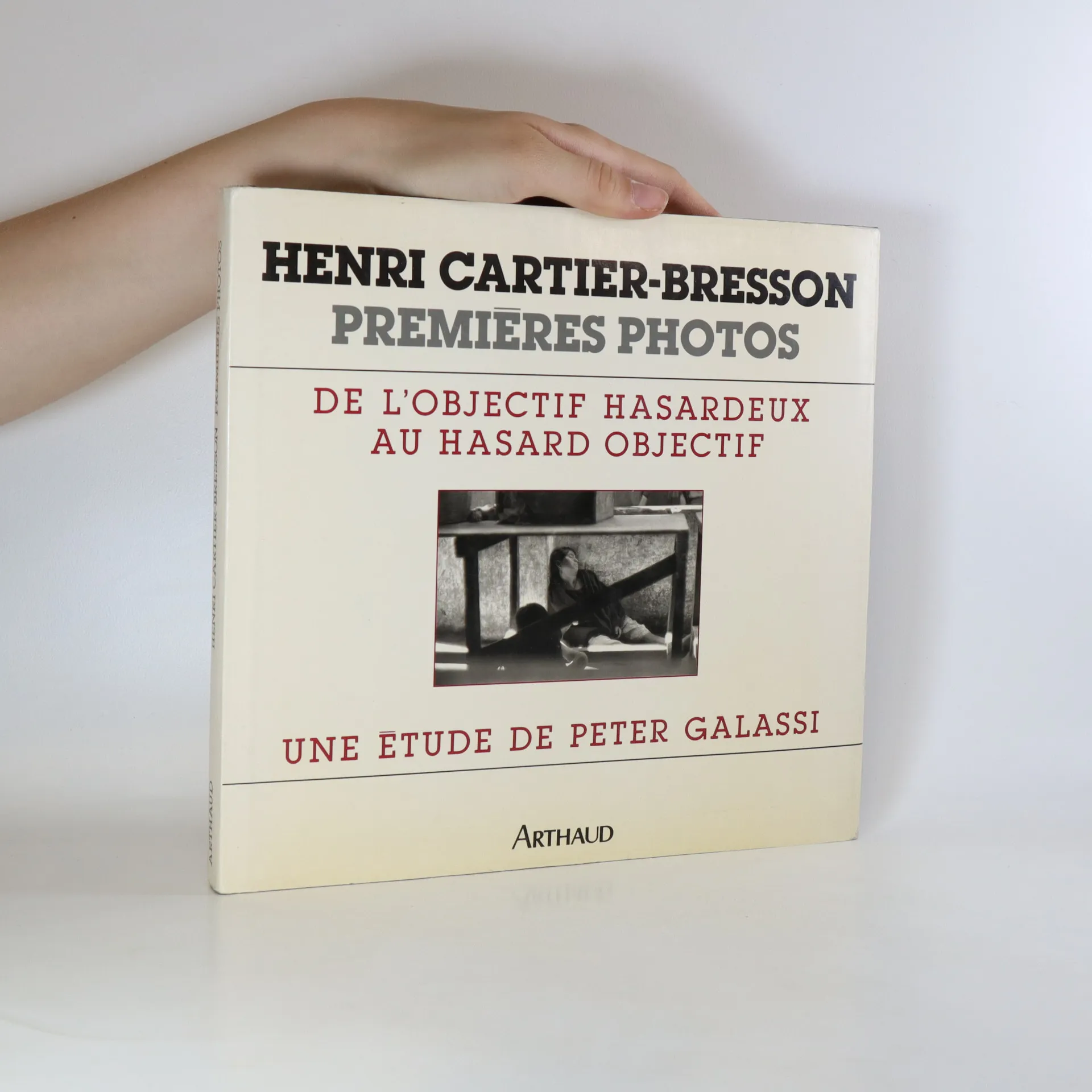
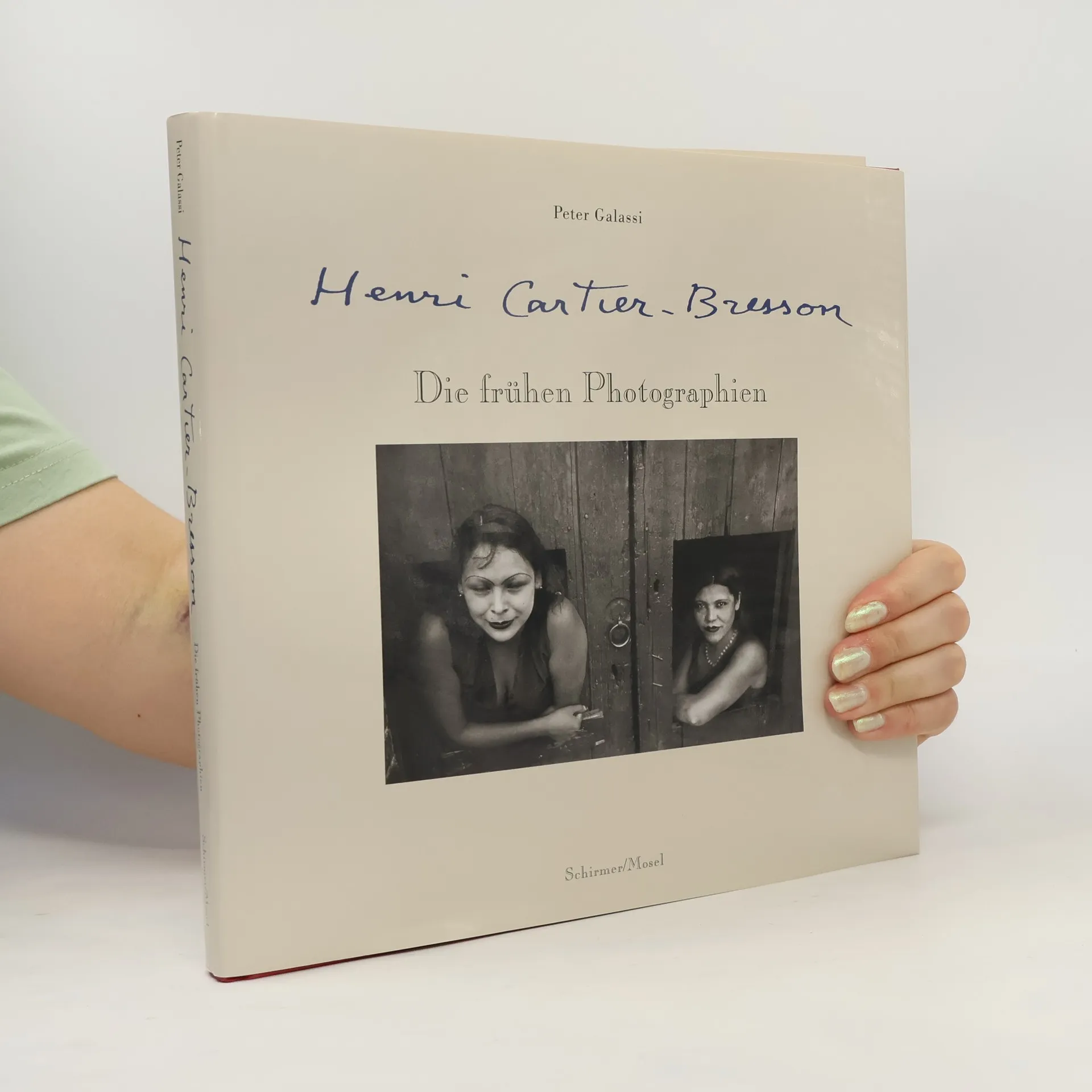
Diese Sammlung vereint Fotografien, die während zweier Besuche Cartier-Bressons in Mexiko entstanden sind – der erste 1934, als er seine fotografische Karriere begann, und der zweite etwa dreißig Jahre später. Die dramatischen Bilder dokumentieren mit brutaler Genauigkeit das Panorama des Alltagslebens – überfüllte Märkte, karge, staubige Landschaften, eine Hinrichtungswand – ein einzigartiges Dokument, das einige der bekanntesten und kraftvollsten Bilder dieses großen Fotografen umfasst. 53 Duotonfotos.
Mit den Augen eines von Zeit und Distanzen unbeirrten Liebhabers der Stadt stellte Cartier-Bresson seine Hommage an Paris zusammen – den Schauplatz seiner Jugend und seines Alters, über Jahrzehnte der geistige Orientierungspunkt, wo immer in der Welt er unterwegs war. In rund 130 Aufnahmen aus 50 Jahren lässt er eine traumhaft klare Vision der Stadt entstehen, fernab touristischer Klischees oder soziologischer Analysen.
Als Henri Cartier-Bresson (1908–2004) diesen Rückblick auf sein photographisches Werk zusammenstellte, hatte er sich schon wieder dem Zeichnen zugewandt. 1979 in Frankreich erstveröffentlicht, 1992 auf Deutsch bei uns erschienen, sollte es die letzte von ihm selbst konzipierte Monographie bleiben. Mit 155 Bildern seiner Wahl versammelt dieser Band die Höhepunkte eines halben Jahrhunderts leidenschaftlichen Photographierens, eines Lebens im Dienste des Photojournalismus und der Photokunst – ebenjener Kombination, für die Cartier-Bresson seit den 1930er Jahren immer wieder neue und nach ihm selten erreichte Maßstäbe setzte.
Henri Cartier-Bresson gehört zu den führenden Fotografen dieses Jahrhunderts. Seine frühesten Bilder zeigen Europa in den 1930er und 1940er Jahren. Diese beeindruckende Sammlung des weltbekannten Fotografen fängt seine berühmten „entscheidenden Momente“ ein, die sowohl von Schönheit als auch von Unruhe geprägt sind.
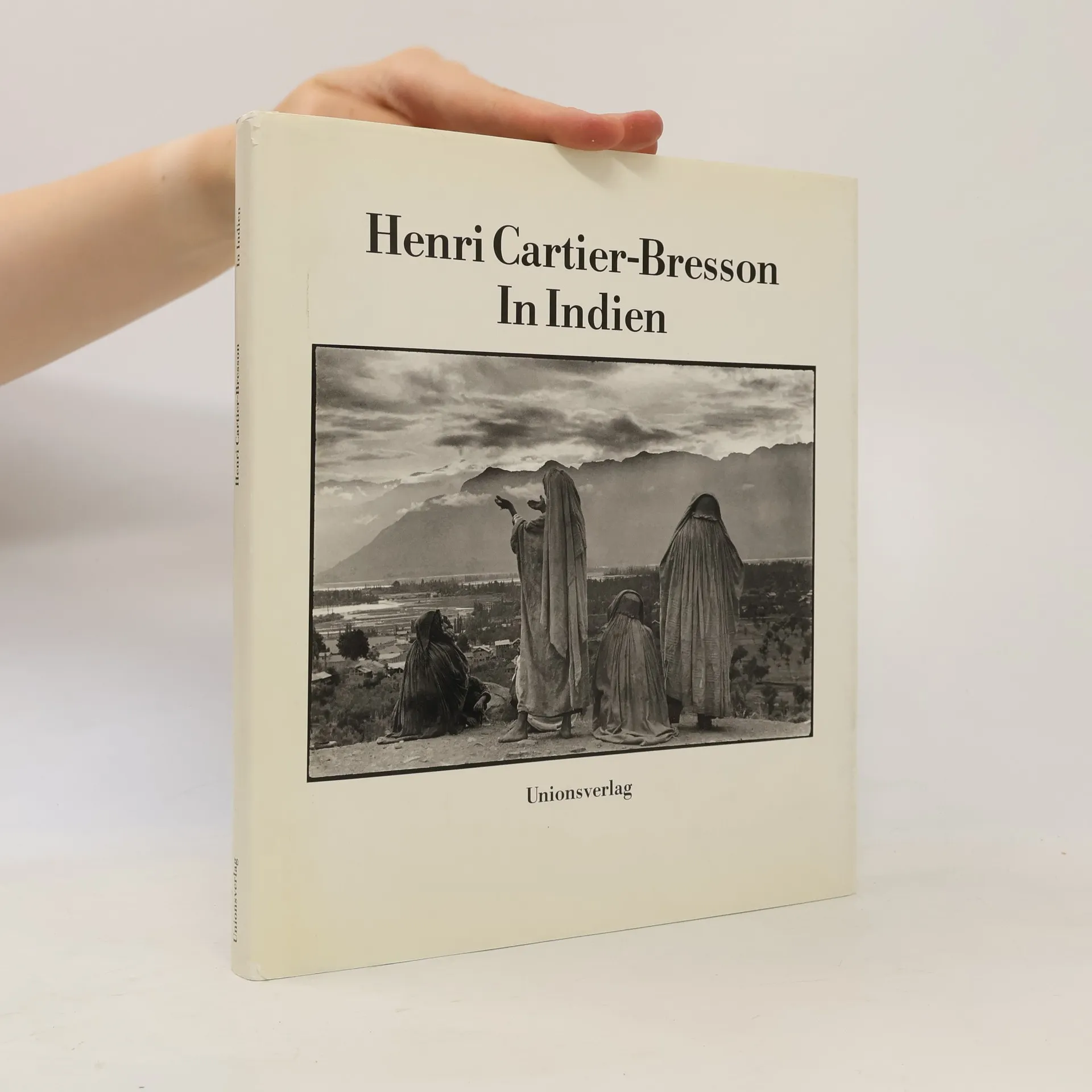
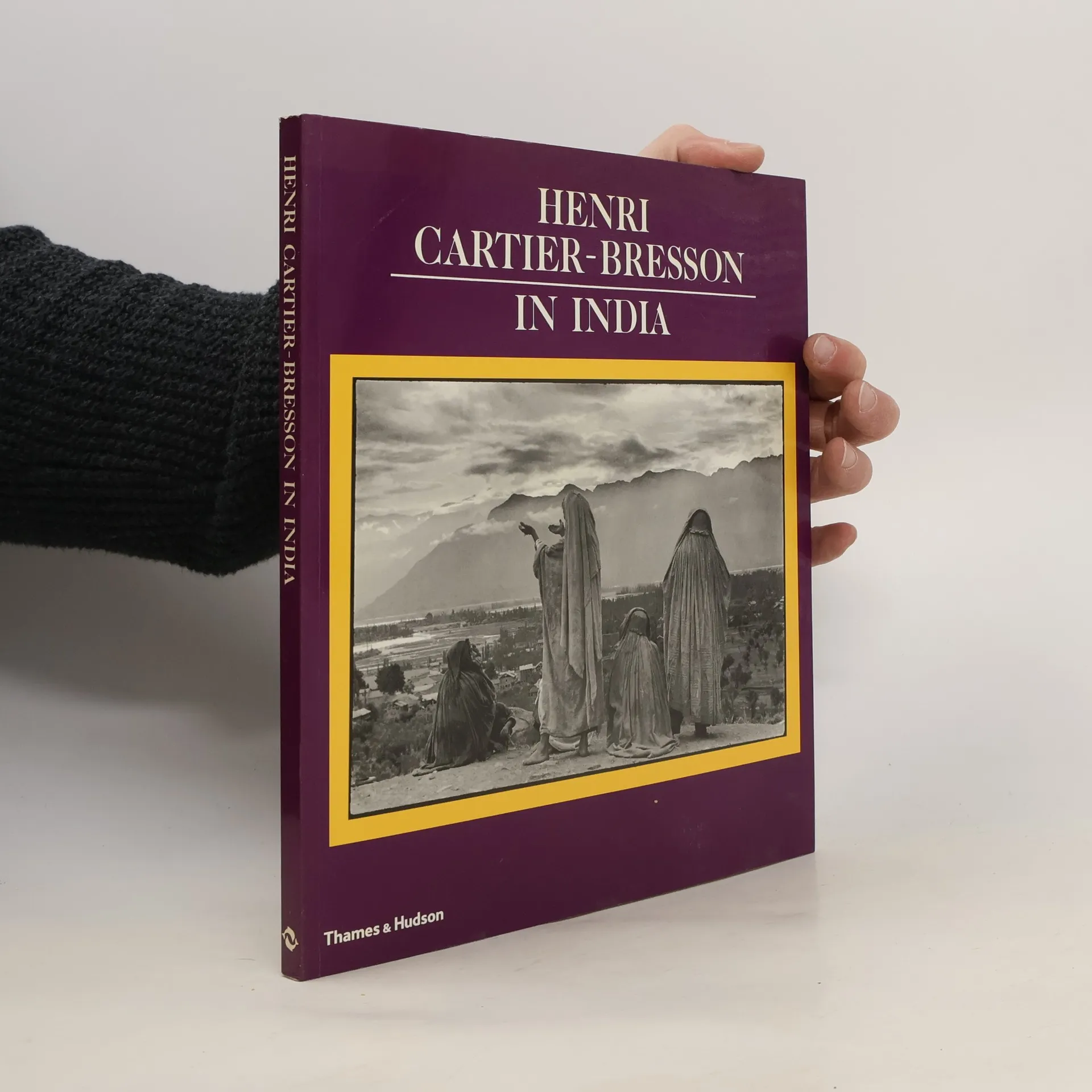
"Striking images of a land renowned for its contradictions and variety as viewed by one of the great artists of our century."— Houston PostHenri Cartier-Bresson's record of his fascination with India over half a lifetime contains the very best of his photographs of that country. Beginning in 1947 at the time of Independence and produced during six extended visits over a twenty-year period, these beautiful, dramatic images are shaped by an eye and a mind legendary for their intelligent empathy and for going to the heart of the matter.Cartier-Bresson's extraordinary gifts of observation and his famous "mantle of invisibility," as well as his good connections with Jawaharlal Nehru and others, allowed him to capture the quintessence of India. His pictures of Hindus in refugee camps after the Partition or beggars in Calcutta speak with the same passion and authority as those of the Maharaja of Baroda's sumptuous birthday celebrations or of the Mountbattens on the steps of Government House. Ample space is given to his famous reportages, such as the astonishing sequence on the death and cremation of Gandhi. But above all, it is the apparently ordinary faces and scenes from market, temple, or countryside that have the power to put us in direct touch with the spirit of a country and its people. 105 duotone illustrations.
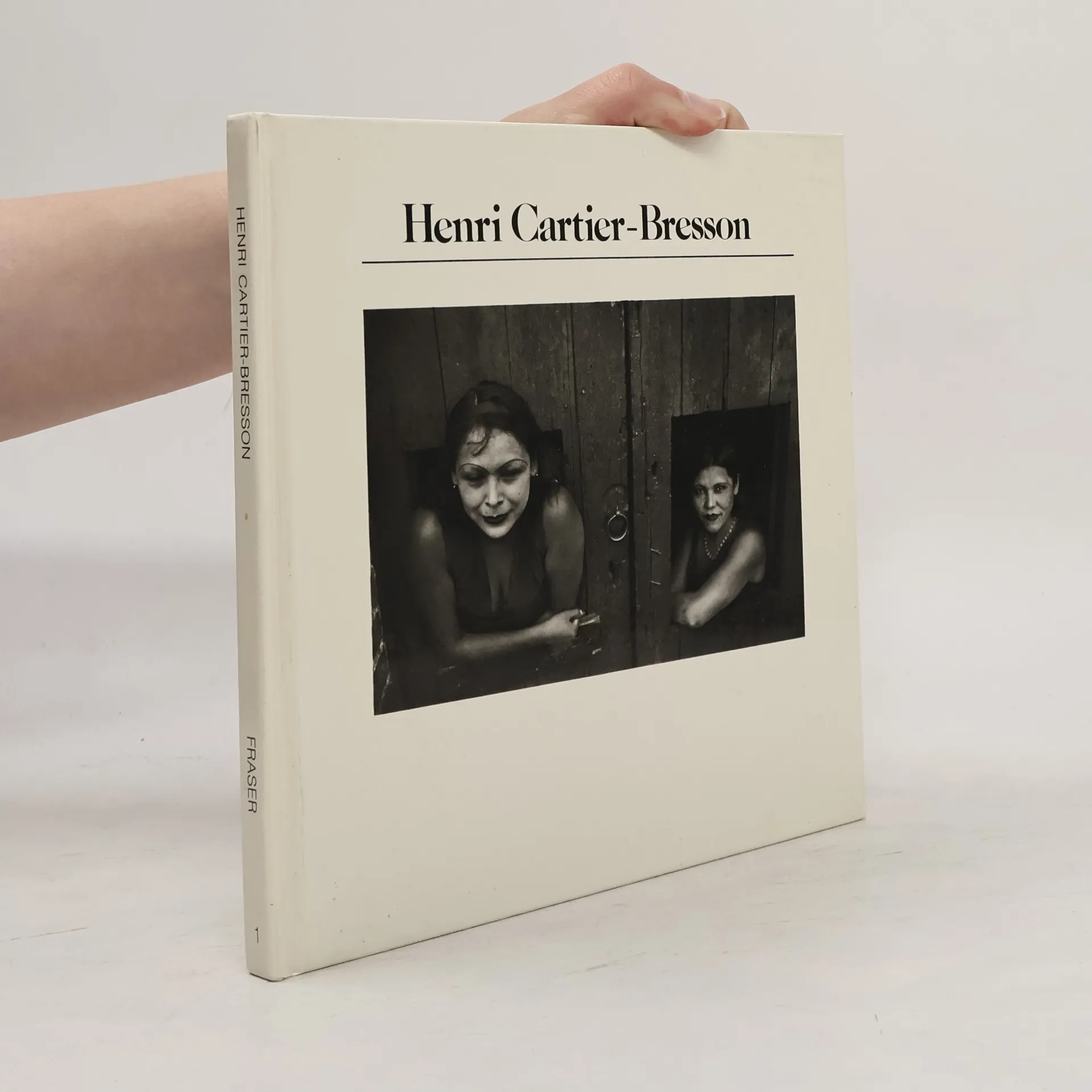
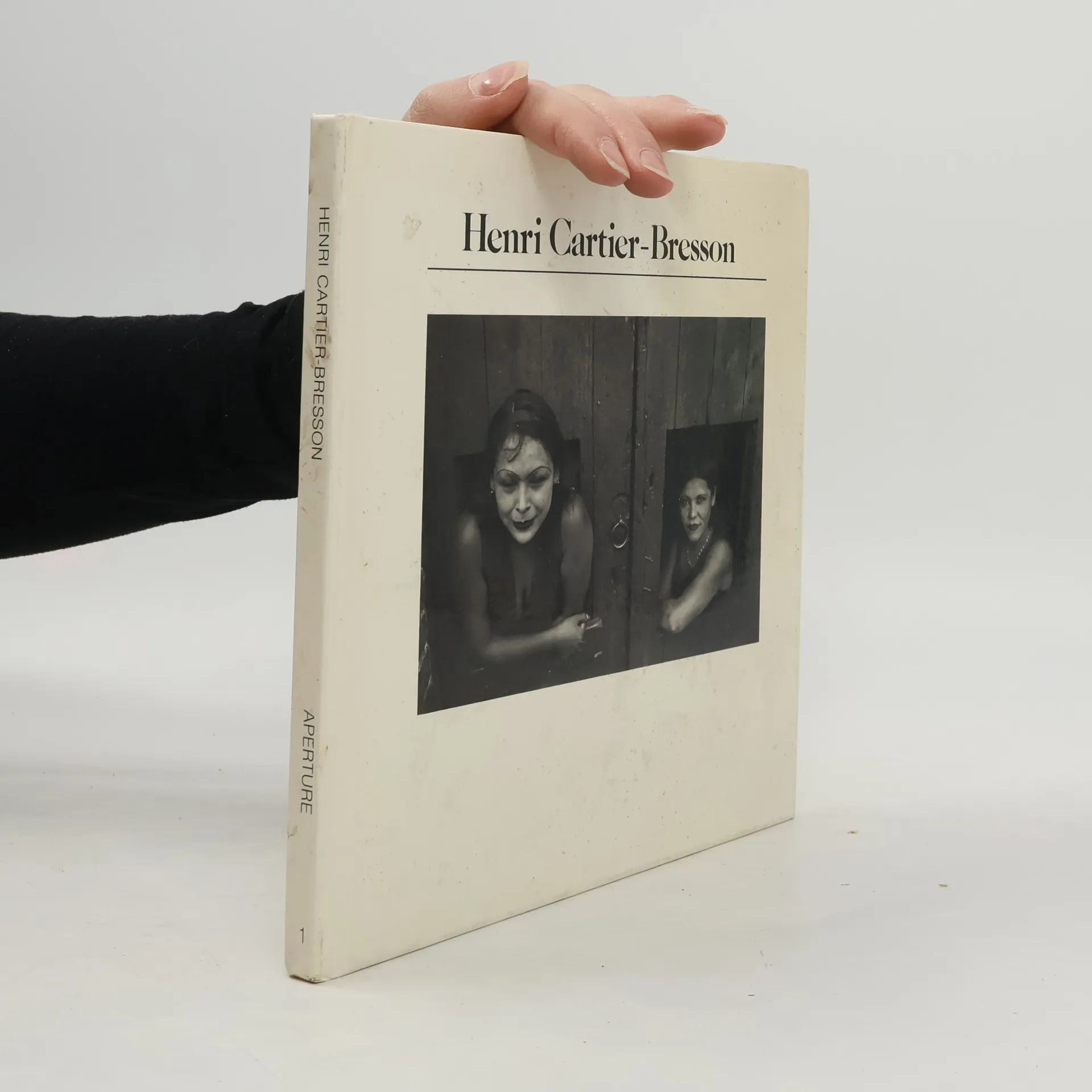
Henri Cartier-Bresson offenbart – wie nur wenige große Künstler es konsequent tun – die Vielfalt und den Reichtum menschlicher Erfahrungen im zwanzigsten Jahrhundert. Dieser Band der Masters of Photography-Serie von Aperture bestätigt das Genie des Fotografen, der mit den neuen, kleineren, handgehaltenen Kameras und schnelleren Filmen das Konzept des „entscheidenden Moments“ in der Fotografie prägte. Cartier-Bressons Bilder sind intim, aber vollkommen respektvoll gegenüber seinen Motiven. Auf seinen Reisen rund um die Welt hat er Einblicke in individuelle Leben in zahlreichen Ländern eingefangen. Zusammengenommen bilden Cartier-Bressons Werke eine persönliche Geschichte epischen Ausmaßes. Dieser Band präsentiert zweiundvierzig Fotografien des Künstlers, die alle als Meisterwerke des Mediums anerkannt sind. Darüber hinaus bietet Cartier-Bresson eine kurze Erklärung darüber, was seine Arbeit antreibt.
Henri Cartier-Bresson reveals--as only a few great artists have done consistently--the variety and richness of human experience in the twentieth century. This second volume of Aperture's Masters of Photography series confirms the genius of the photographer who--with the new, smaller, hand-held cameras and faster films--defined the idea of "the decisive moment" in photography. Cartier-Bresson's imagery is intimate but utterly respectful of his subjects. In his travels throughout the world, he has captured glimpses of individual lives in scores of countries. Taken together, Cartier-Bresson's works constitute a personal history of epic scope. This volume presents forty-two of the artist's photographs, each recognized as a masterpiece of the medium. In addition, Cartier-Bresson offers a brief statement about what drives his work.