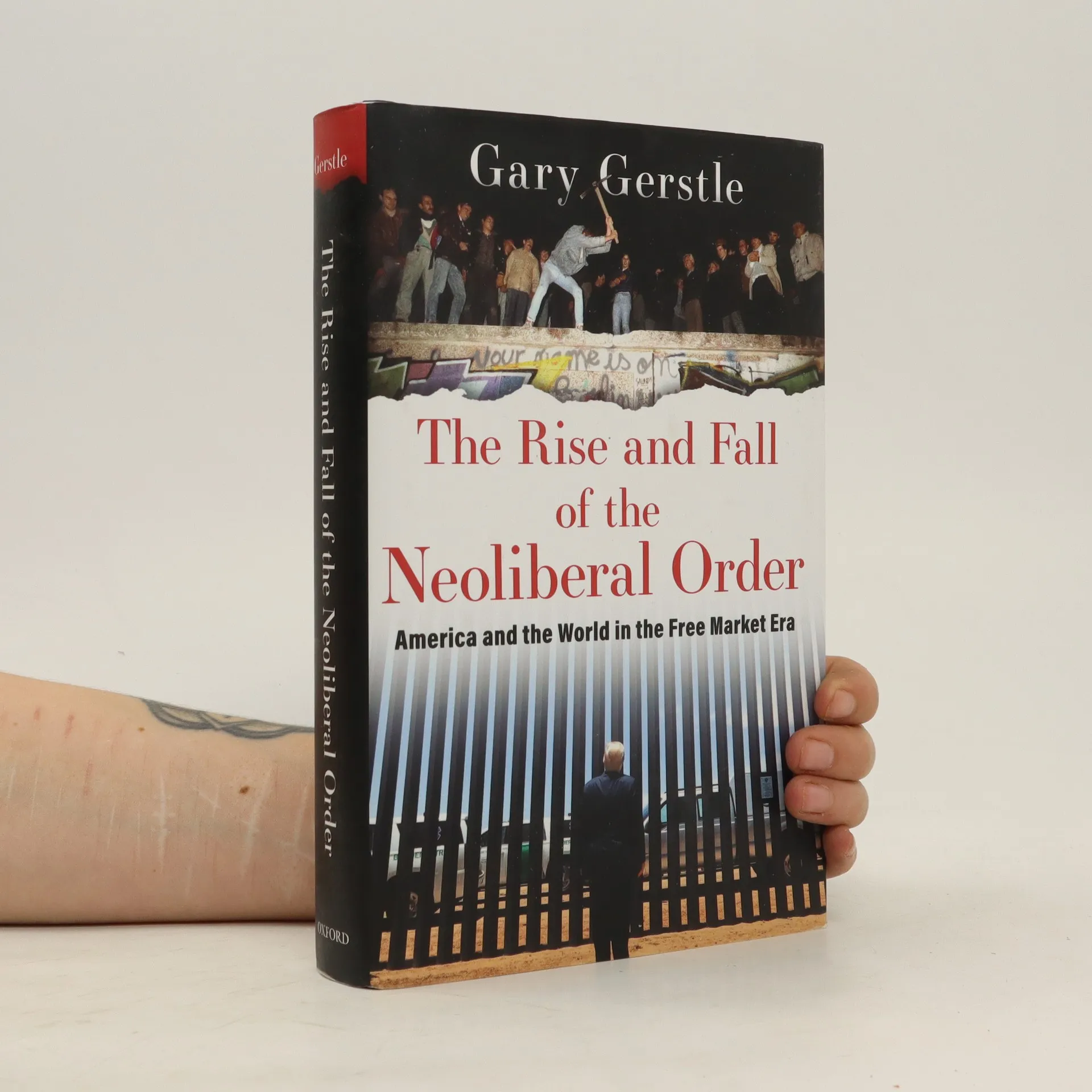
This account details how neoliberalism shaped American politics for nearly fifty years before facing challenges from Trumpism on the right and a new progressivism on the left. The shift toward neoliberalism began in the late 1970s in the U.S. and Great Britain, promoting policies that reduced government influence and shifted economic power to private markets. Today, "neoliberal" often denotes a range of policies criticized for prioritizing market principles over social welfare and pushing privatization in developing nations. While neoliberalism has been linked to rising income inequality, historian Gary Gerstle argues that such critiques overlook its broader implications and the reasons for its appeal across the political spectrum for three decades. He illustrates how the neoliberal order combined deregulation with personal freedoms, open borders with cosmopolitanism, and globalization with promises of prosperity. Gerstle also examines how the collapse of the Soviet Union facilitated neoliberalism's rise and charts its decline, beginning with the failed reconstruction of Iraq and the Great Recession, leading to the emergence of Trump and a revitalized left under Bernie Sanders in the 2010s. This analysis offers a comprehensive reinterpretation of the past fifty years, exploring the deep entrenchment of neoliberal ideology in American life and its implications for the future.
Gary Gerstle Bücher


Gary Gerstle provides a sweeping re-interpretation of the entire era - from the revival of market liberalism in the 1970s to the ruin generated by the 2008 global financial crisis - that places America at the center.--
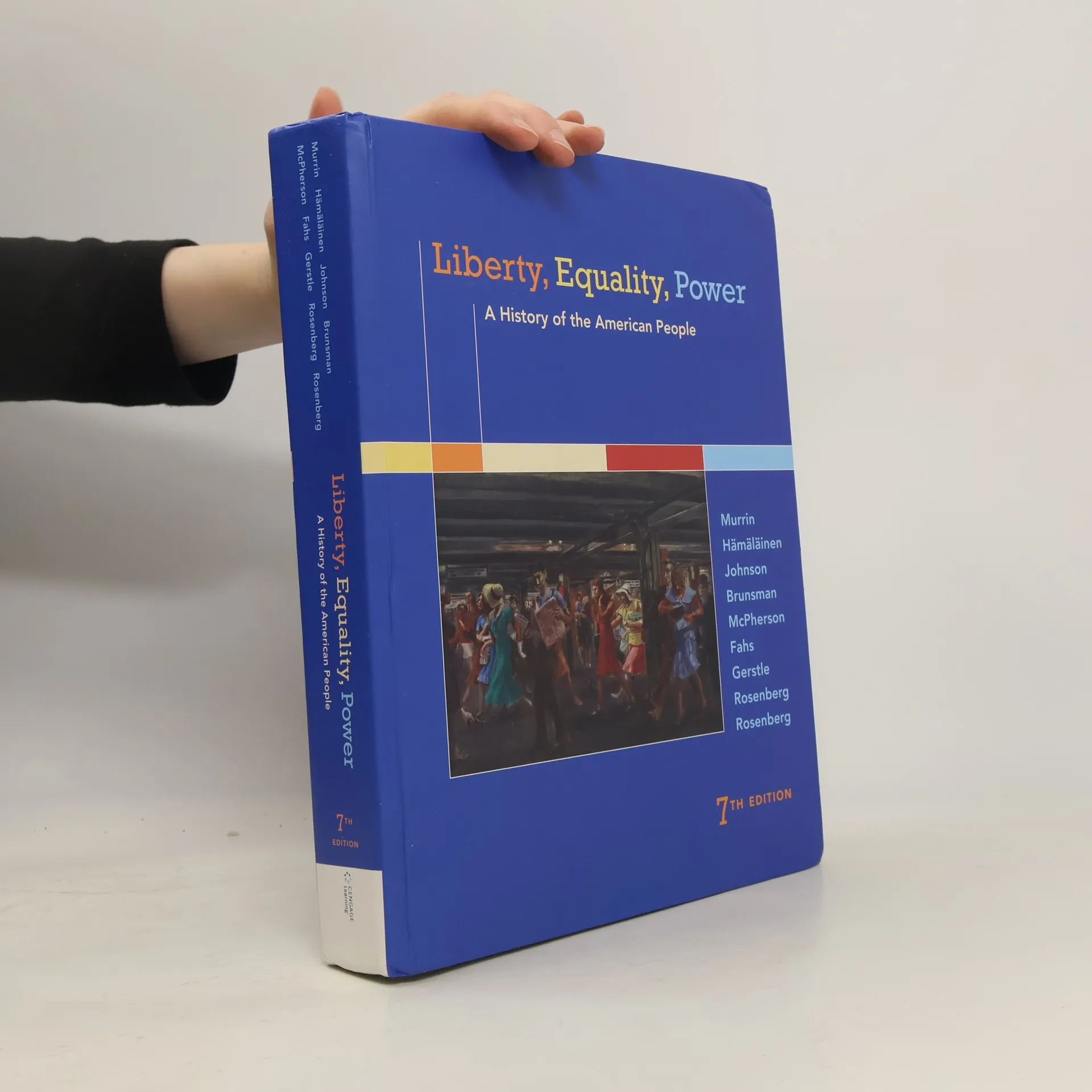
Understanding the past helps us navigate the present and future. This book teaches readers about American history and exposes them to movies and other forms of popular culture that tell the stories of the nation's past. A highly respected and thoroughly modern approach to U.S. history, LIBERTY, EQUALITY, POWER, Seventh Edition, shows how the United States was transformed, in a relatively short time, from a land inhabited by hunter-gatherer and agricultural Native American societies into the most powerful industrial nation on Earth. This approach helps readers understand the impact of the notions of liberty and equality, which are often associated with the American story, and recognize how dominant and subordinate groups have affected and been affected by the ever-shifting balance of power.