A peregrinação existencial registrada na poesia de Camões é uma busca por algo tão revolucionariamente moderno quanto a busca pela felicidade na terra. Seu majestoso poema épico, Os Lusíadas, centrado na viagem pioneira de Vasco da Gama ao Oriente, que abriu as portas do Humanismo renascentista para o mundo, é tanto a celebração de uma nação (Portugal) quanto uma representação autobiográfica de sua própria vida. A poesia lírica de Camões não é menos impressionante. A poesia de Camões nos ajuda a entender o tempo em que viveu, mas também o nosso próprio tempo.
Luís de Camões Reihenfolge der Bücher (Chronologisch)
1. Dezember 1524 – 10. Juni 1580
Luís Vaz de Camões gilt als der größte Dichter Portugals und der portugiesischen Sprache. Seine Verse, verglichen mit Meistern wie Shakespeare und Dante, zeichnen sich durch außergewöhnliche Beherrschung aus. Obwohl er sich lyrischer Poesie und Dramen widmete, ist er am bekanntesten für sein episches Werk, das die portugiesischen Seefahrer feiert. Sein Schaffen stellt einen Höhepunkt der portugiesischen Literatur dar.
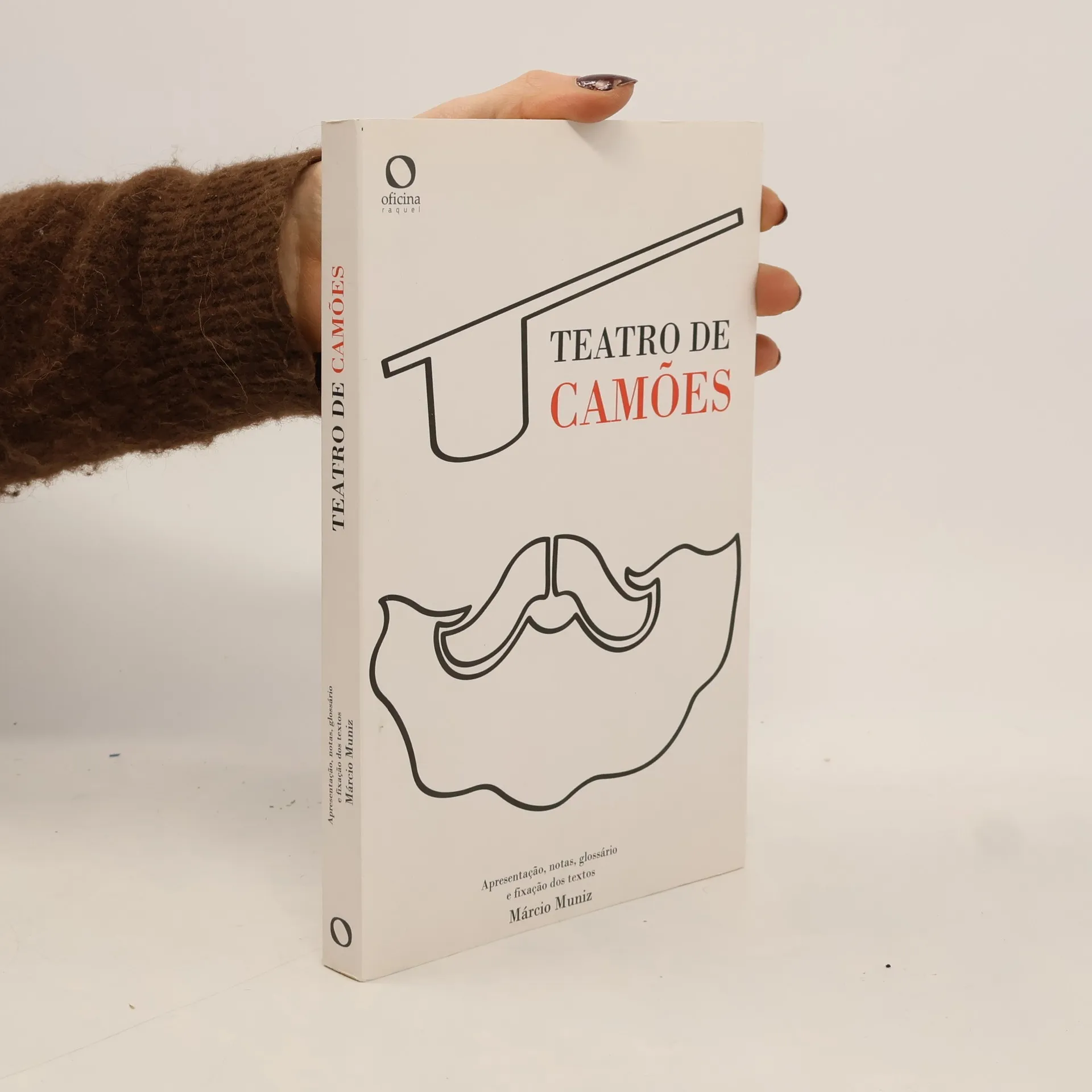
Camões mostra-se um mestre do verso e também do drama. A leitura do teatro camoniano é fundamental para uma compreensão mais abrangente da tão conhecida obra de Camões, e para inclusive um redimensionamento de sua poesia. Na contramão daqueles que defendem que o teatro é parte menos significativa da obra do poeta acredito que a produção dramática de Camões é obra do grande artista que ele foi, que deve ser lida e conhecida como suas poesias lírica e épica’, analisa Márcio Muniz.
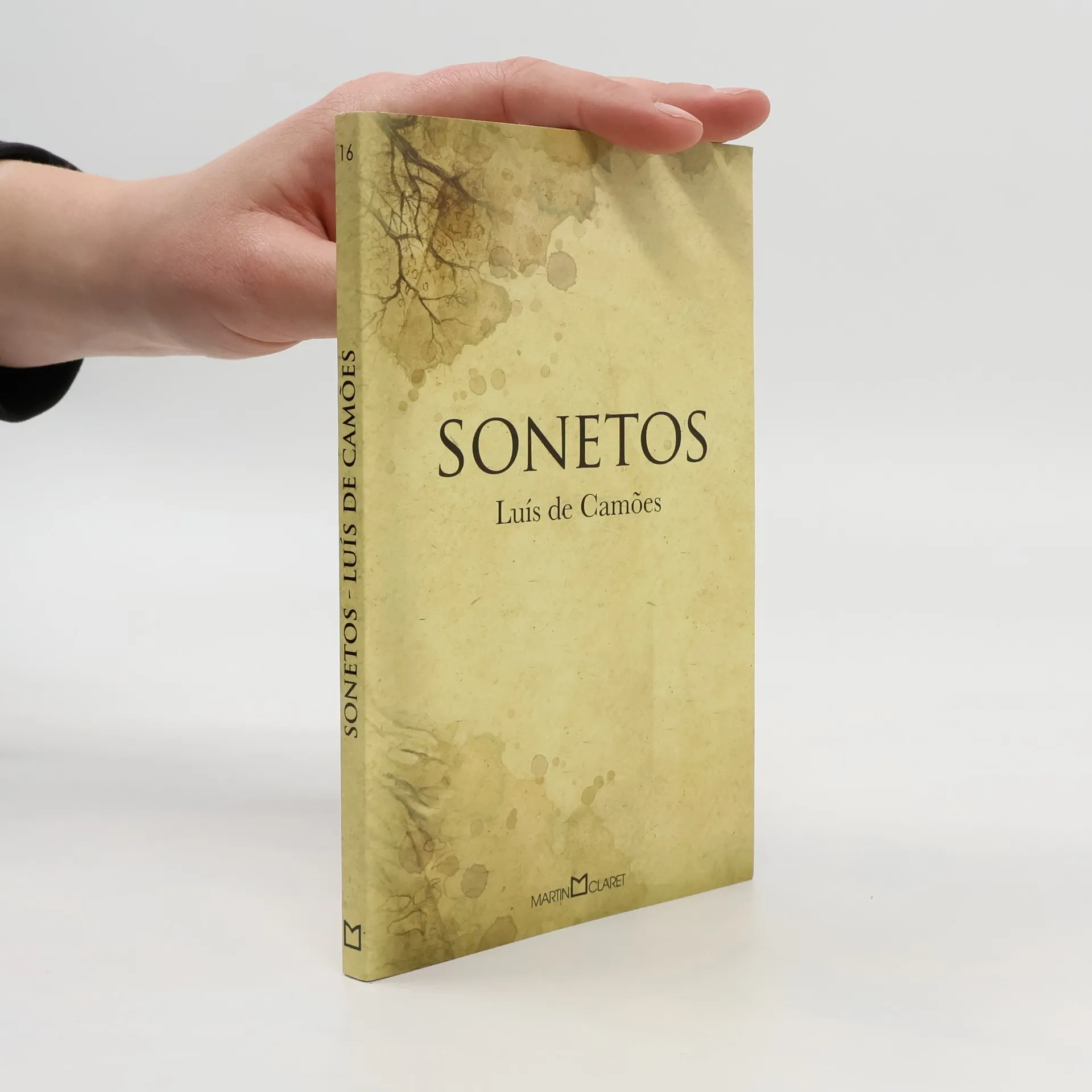
Sonetos
- 197 Seiten
- 7 Lesestunden
Camões é o maior poeta de língua portuguesa. Expressão acabada das glórias de sua terra e do homem renovado pela Renascença. Quer na lírica quer na épica, o poeta consolidou uma poesia universal. O gênio Camões magnetiza o leitor e o leva para outro estado de percepção. Como Dante, Petrarca – sua grande influência – foi mestre na arte de escrever sonetos. Nesta antologia de textos líricos, o imortal poeta português atinge a perfeição do conteúdo dos sonetos, com a elevação do sentimento Amor.
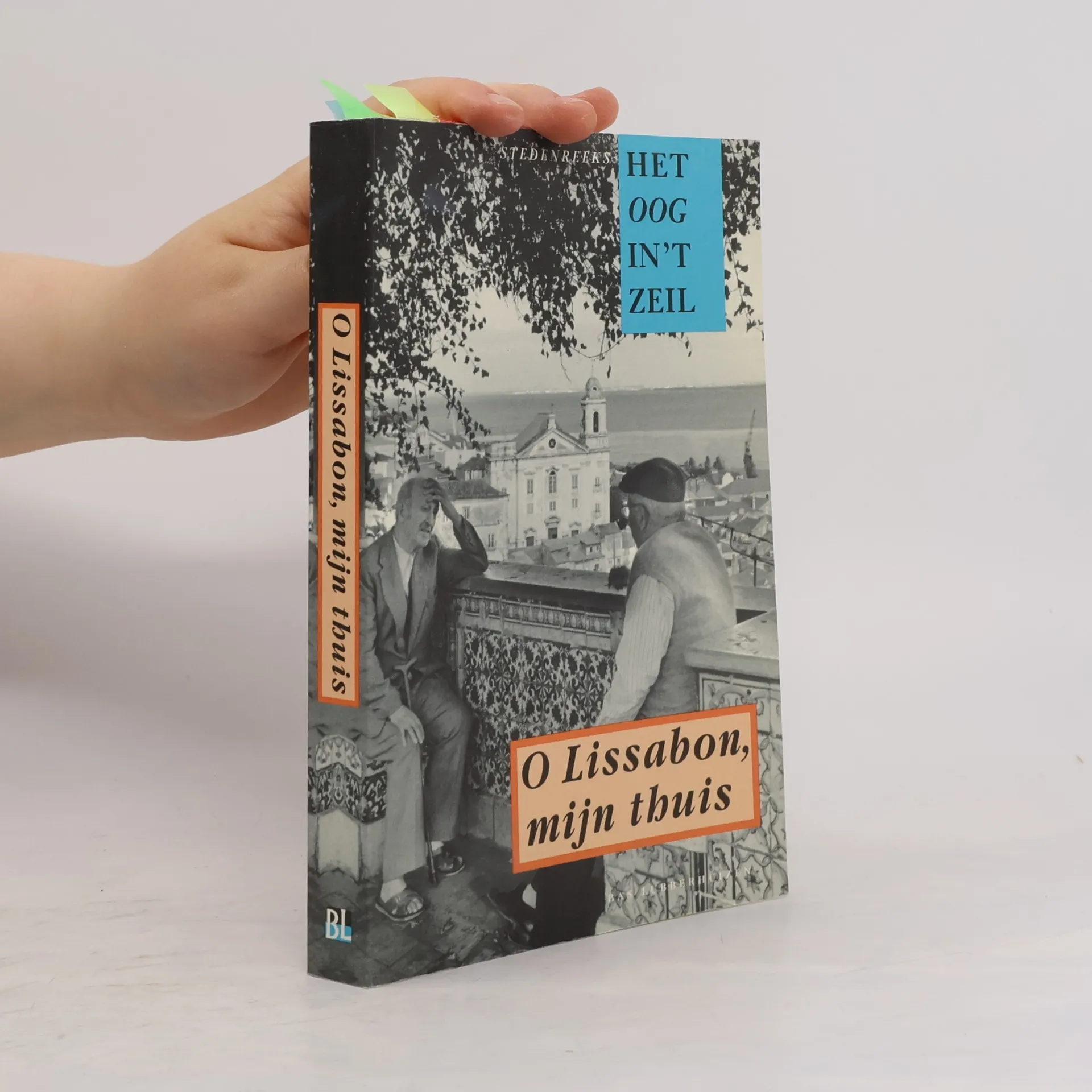
Wie aan Lissabon denkt, denkt aan Camões, Pessoa en Slauerhoff, drie schrijvers die in O Lissabon, mijn thuis ruimschoots aan bod komen. Maar de letterkundige geschiedenis van Lissabon is zoveel rijker. Wat hadden bijvoorbeeld William Beckford, Robert Southey en Lord Byron in de Portugese hoofdstad te zoeken? Wie was de dichter Cesário Verde, door Pessoa beschouwd als zijn 'Meester'? Hoe dacht Eça de Queiroz, Portugals grootste en venijnigste prozaschrijver, over Lissabon? Wat deden F.C. Terborgh en Antonio Tabucchi daar? Hoe voltrok zich de modernistische revolutie in de Portugese poëzie? En wat verbindt de schrijvers José de Almada Negreiros en José Cardoso Pires? Of José Saramago en António Lobo Antunes? De letterkundige opstellen - van o.a. August Willemsen, J. Rentes de Carvalho, Harrie Lemmens en Arie Pos - worden afgewisseld door beschouwingen over de mysterieuze kunstverzamelaar Calouste Gulbenkian, over azulejos, de typisch Portugese tegels, en over de fado, de niet minder typisch Portugese liedkunst. Bovendien bevat O Lissabon, mijn thuis, naast bijzondere foto's en schitterende tekeningen van Frits Müller, een schat aan vertaalde teksten van Camões, Pessoa, Mário de Sá-Carneiro en José de Almada Negreiros.
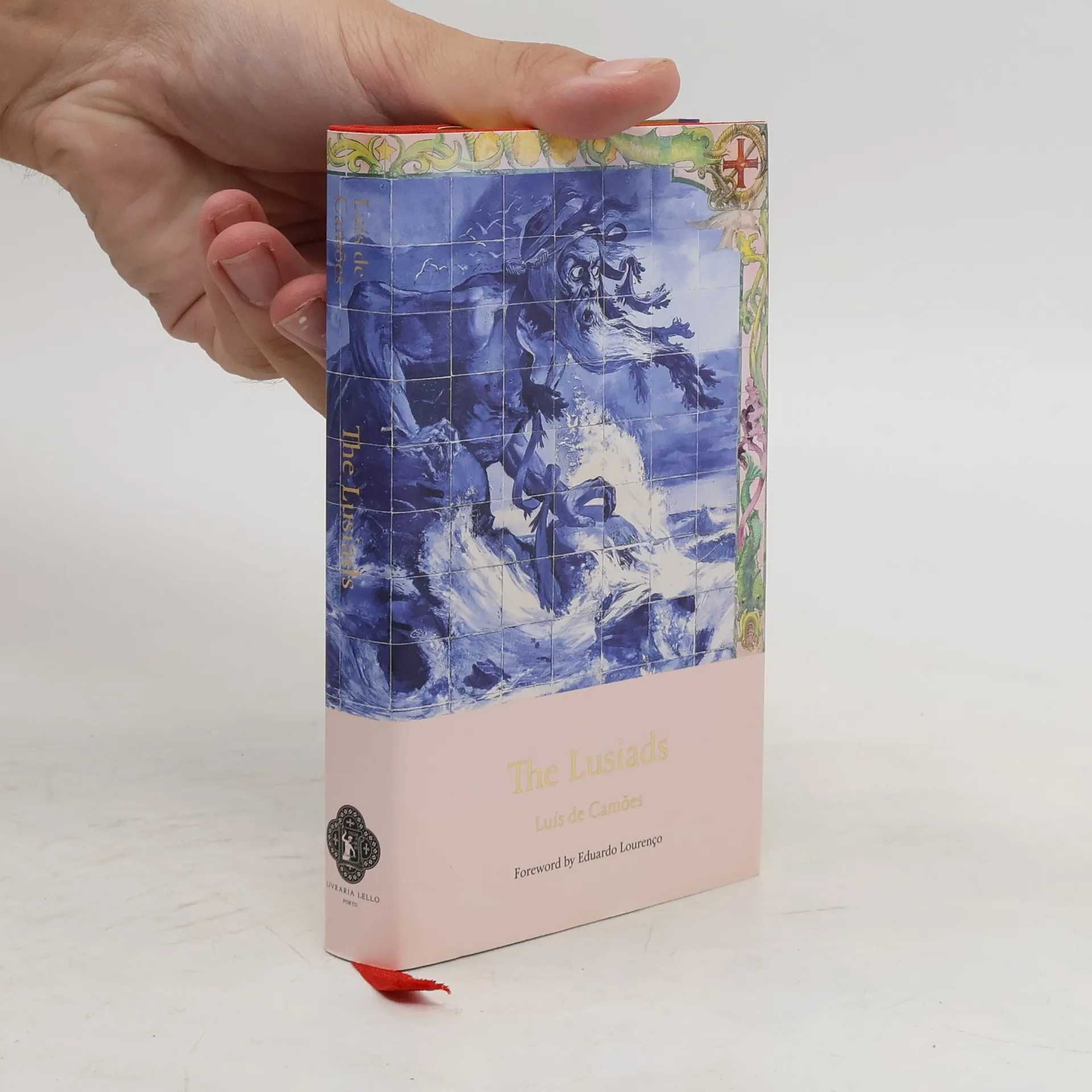
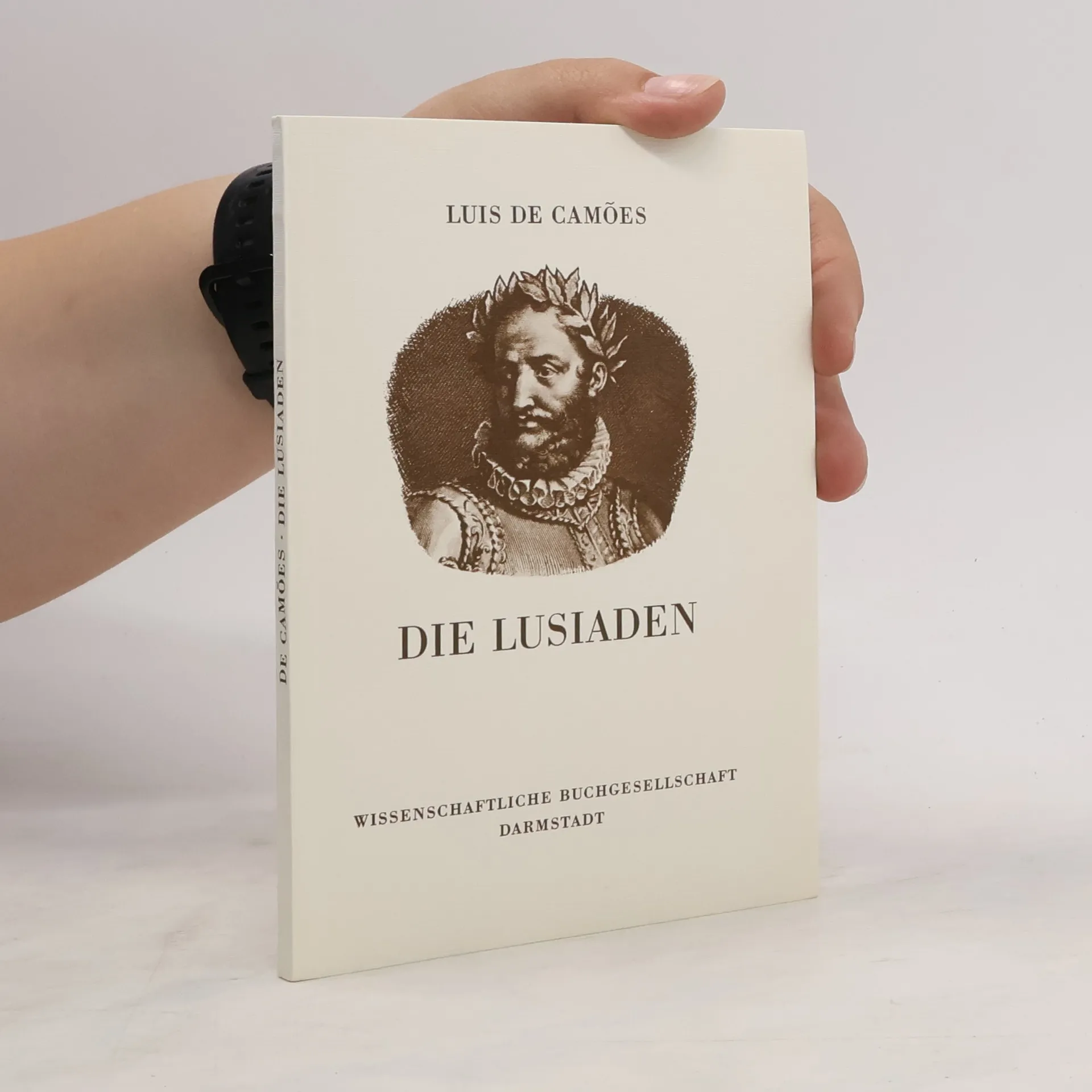
Die "Lusiaden" von Luís de Camões, ein Meisterwerk der portugiesischen Literatur, erzählt die Entdeckungsreisen Vasco da Gamas und die Geschichte eines heldenhaften Volkes. Mit einer Mischung aus historischer Wahrheit und Mythologie gilt das Epos als eines der großen Werke der Weltliteratur und prägt bis heute das portugiesische Nationalgefühl.
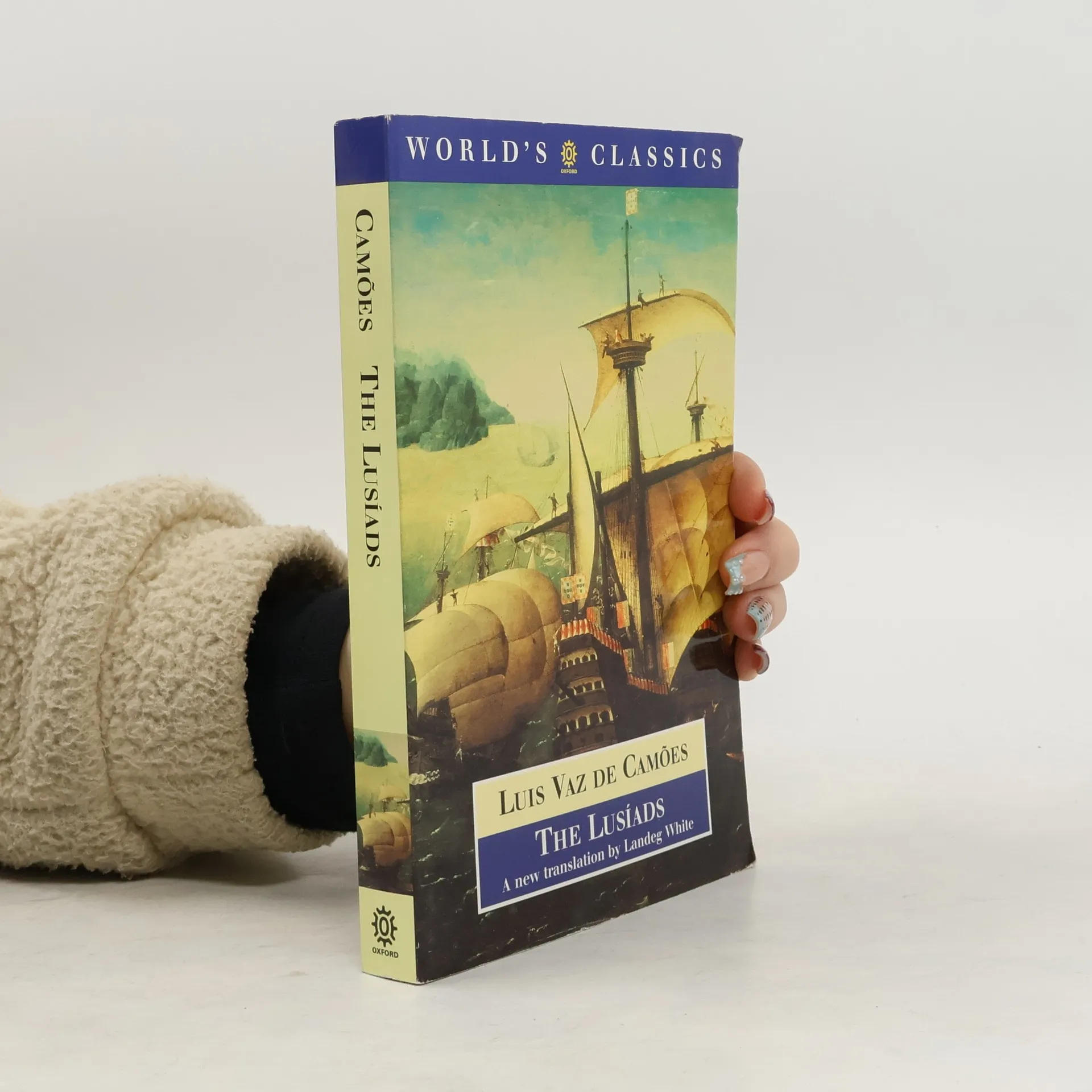
Oxford World's Classics: The Lusíads
- 258 Seiten
- 10 Lesestunden
First published in 1572, "The Lusíads" is one of the greatest epic poems of the Renaissance, immortalizing Portugal's voyages of discovery with an unrivalled freshness of observation. At the center of "The Lusíads" is Vasco da Gama's pioneer voyage via southern Africa to India in 1497-8. Camões was the first European artist to cross the equator, and his narrative reflects the novelty and fascination of that original encounter with Africa, India, and the Far East. The poem's twin symbols are the Cross and the Astrolabe, its celebration of a turning-point in mankind's knowledge of the world uniting the old map of the heavens with the newly discovered terrain on earth. Yet it speaks powerfully, too, of the precariousness of power, and of the rise and decline of nationhood, threatened not only from without by enemies, but from within by loss of integrity and vision. -- From publisher's description.
Výbor z lyriky největšího portugalského básníka a jednoho z velikánů evropské renesance je dalším z pokusů o adekvátní český převod geniálních veršů, v nichž se vyjádření milostného citu prolíná s platonskou filozofií a dospívá nakonec do náboženských poloh. Autorův bouřlivý život, plný intimních dobrodružství, předurčil také tematiku jeho básní, jímž je vášnivý, často i tragický vztah k ženě. Toto téma je pak zpracováno formou sonetů či klasického verše a svou vitalitou i citovým zaujetím dokáže okouzlit i moderního čtenáře. Doslov napsala Šárka Grauová....
Die Lusiaden. Portugies.-Dtsch.
- 132 Seiten
- 5 Lesestunden
Lusiadas de Luis de Camoens
- 627 Seiten
- 22 Lesestunden
"Kolibřík", celoplátěná vazba, uloženo v kartonovém obalu Svazek obsahuje výbor z veršů proslulého představitele portugalské renesance.
Lyrika největšího portugalského básníka vyniká tím, že dovedl na základě vlastních hlubokých zážitků geniálně spojit trojí ideovou a uměleckou oblast: lidovou básnickou tradici svého národa, kulturu antickou, jak ji právě tehdy oživila renesance, a citové i myšlenkové výboje poesie petrarkovské. Námětově i formálně pěstoval Camões nejrůznější druhy a své zážitky, touhy i útrapy v nich zachytil s neobyčejnou výrazností a krásou. První oddíl tohoto svazku tvoří redondily, takřka písňový útvar většinou s osmislabičnými trochejskými verši; další skupina sdružuje nejkrásnější z Camõesových sonetů a v závěrečných oddílech jsou zastoupeny ukázky rozsáhlejších forem.
First published in 1572, The Lusiads is one of the greatest epic poems of the Renaissance, immortalizing Portugal's voyages of discovery with an unrivalled freshness of observation. At the centre of The Lusiads is Vasco da Gama's pioneer voyage via southern Africa to India in 1497-98. The first European artist to cross the equator, Camões's narrative reflects the novelty and fascination of that original encounter with Africa, India and the Far East. 1998 is the quincentenary of Vasca da Gama's voyage via southern Africa to India, the voyage celebrated in this new verse translation.
Portugalské lásky
Výbor z milostné lyriky
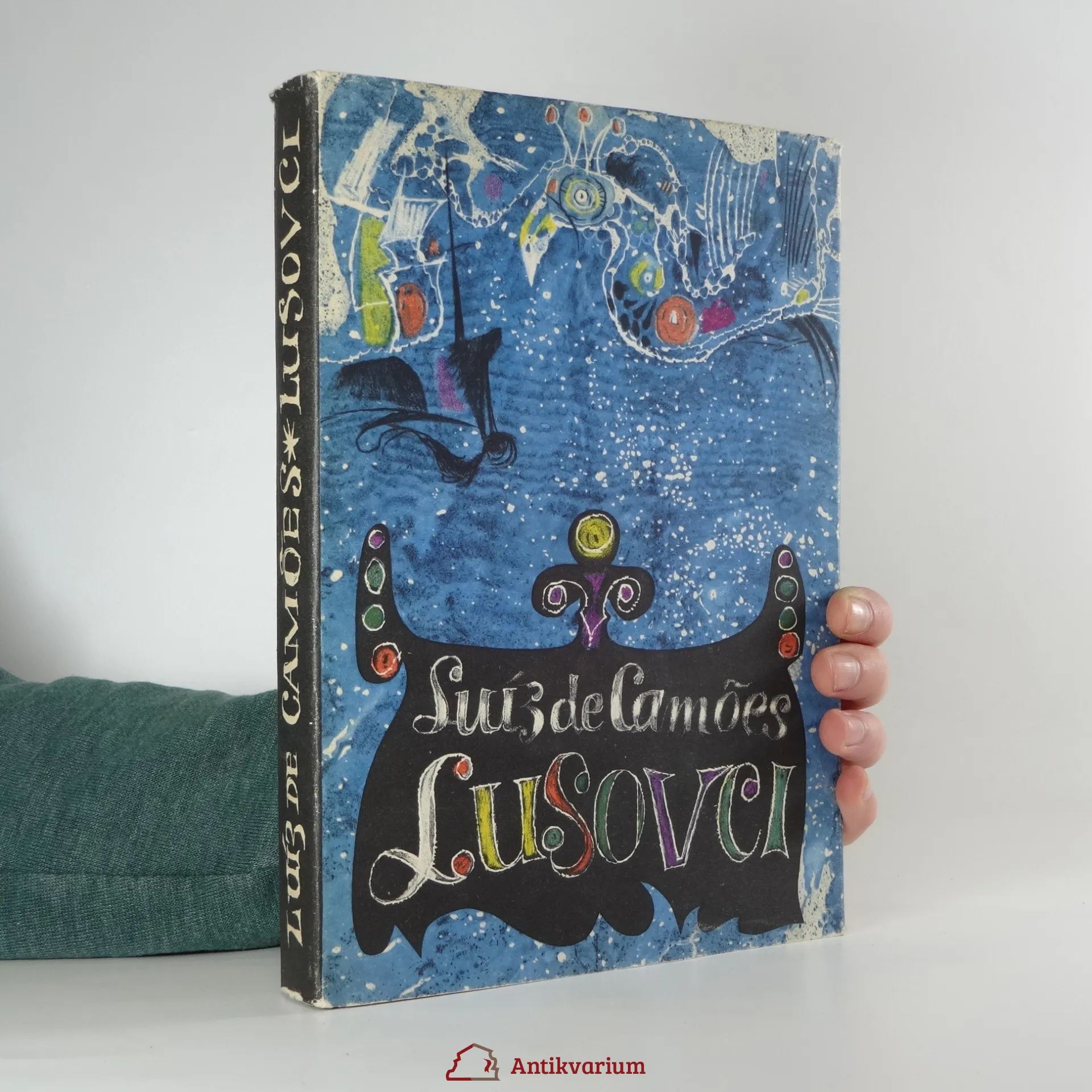
Lusovci (Os Lusíadas, Lusíadové), je klasické dílo portugalské literatury, epos básníka Luíse Vaze de Camõese, vydaný prvně roku 1572 (Lusíadové jsou obyvatelé Lusitanie, což je římské jméno pro Portugalsko). Dílo je neseno humanistickým duchem renesance a popisuje ve verších (po vzoru Homérovy Odysseje a Vergiliovy Aeneis) cestu Vasca da Gamy kolem afrických břehů do Indie a zpět, přižemž antičtí bohové svými zásahy jeho cestu ovlivňují, a to pozitivně i negativně: protivníkem Vasca de Gamy je Bacchus, zastánkyní Portugalců se stává Venuše. Zároveň obsahuje idealizovanou historii Portugalska od počátku až k časům Camõesovým, především portugalské zámořské objevy a kolonizaci v Asii. Obsahuje četné odkazy na mytologii a klasický starověk. Je uznáváno nejen pro svou vysokou literární kvalitu, ale také pro svůj velký patriotismus. Je věnováno portugalskému králi Sebastianovi I. Dílo sestává z deseti zpěvů o různém počtu slok. Dohromady je slok 1102 a obsahují 8816 veršů. Roku 1836 se o překlad pasáže tohoto díla pokusil Josef Bojislav Pichl, který svůj text zveřejnil v Časopisu společnosti Vlasteneckého Musea v Čechách. Výňatky z Lusovců publikoval středoškolský profesor František Doucha. První překlad Camõesových Lusovců vydal roku 1902 Jaroslav Vrchlický.