

Ed Park Reihenfolge der Bücher (Chronologisch)
Dieser Autor ist für seinen Debütroman und als Gründungsredakteur von THE BELIEVER bekannt. Seine Arbeit befasst sich tiefgehend mit menschlichen Beziehungen und gesellschaftlichen Erwartungen und bietet eine differenzierte Perspektive. Über seine Belletristik hinaus hat er durch aufschlussreiche Einführungen zu bedeutenden Werken und treffende Rezensionen, insbesondere von Graphic Novels für die New York Times Book Review, maßgeblich zum literarischen Diskurs beigetragen und ein breites Engagement für die zeitgenössische Kunst gezeigt.



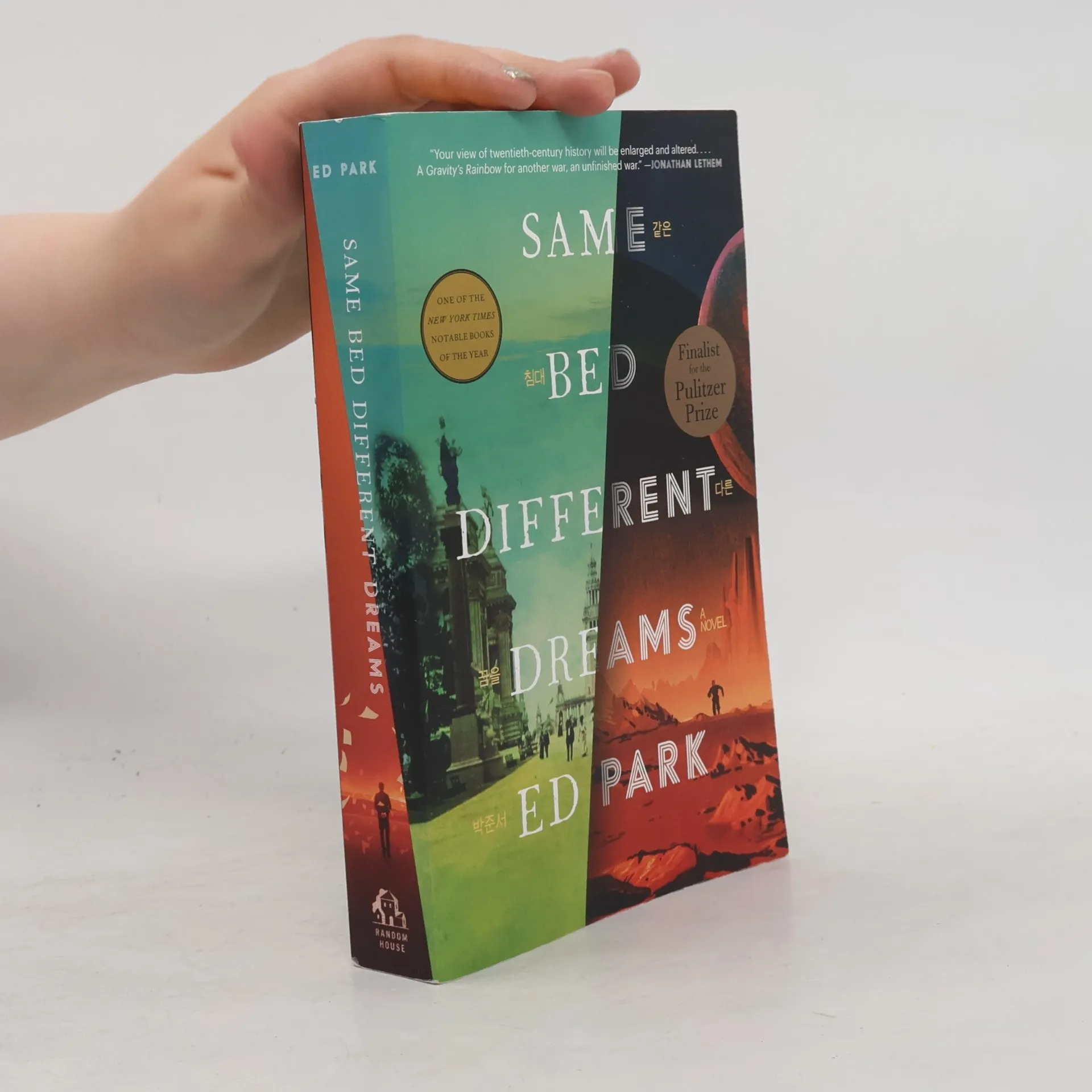
Same Bed Different Dreams
- 544 Seiten
- 20 Lesestunden
Set against an alternate secret history of Korea, this sweeping novel weaves together elements of assassins, mad poets, and pop culture. It explores the impact of RPGs, slasher films, and social media on contemporary society, creating a vibrant tapestry that reflects on the complexities of identity and history. The narrative is rich with unique characters and unexpected twists, offering a thought-provoking commentary on the past's influence on the present.
The Believer monthly books and culture magazine is three-time finalist for National Magazine Awards in General Excellence and Design. An amiable yet rigorous forum for books and book criticism, The Believer provides an alternative to the plot summary that has increasingly become synonymous with "book review," extending the ever-shortening shelf life of new books, reviving interest in books long overlooked, and stressing the interconnectivity of books to pop culture, politics, art, and music. To that end, each issue includes essays on these topics, as well as lengthy interviews with philosophers, politicians, and poets. Nick Hornby has a widely celebrated monthly books column, and Amy Sedaris (and well-known guest-columnists) offers an advice column comprised of hilariously bad advice. The celebrated graphic novelist Charles Burns illustrates the cover each month, and the magazine is littered with illustrations by a wide range of established and emerging artists, with regulars like Tony Millionaire, Marcel Dzama, and others.
Personal Days
- 256 Seiten
- 9 Lesestunden
In an unnamed New York-based company, the employees are getting restless as everything around them unravels. Rich with Orwellian doublespeak, filled with sabotage and romance, this astonishing literary debut is at once a comic delight and a narrative tour de force.