

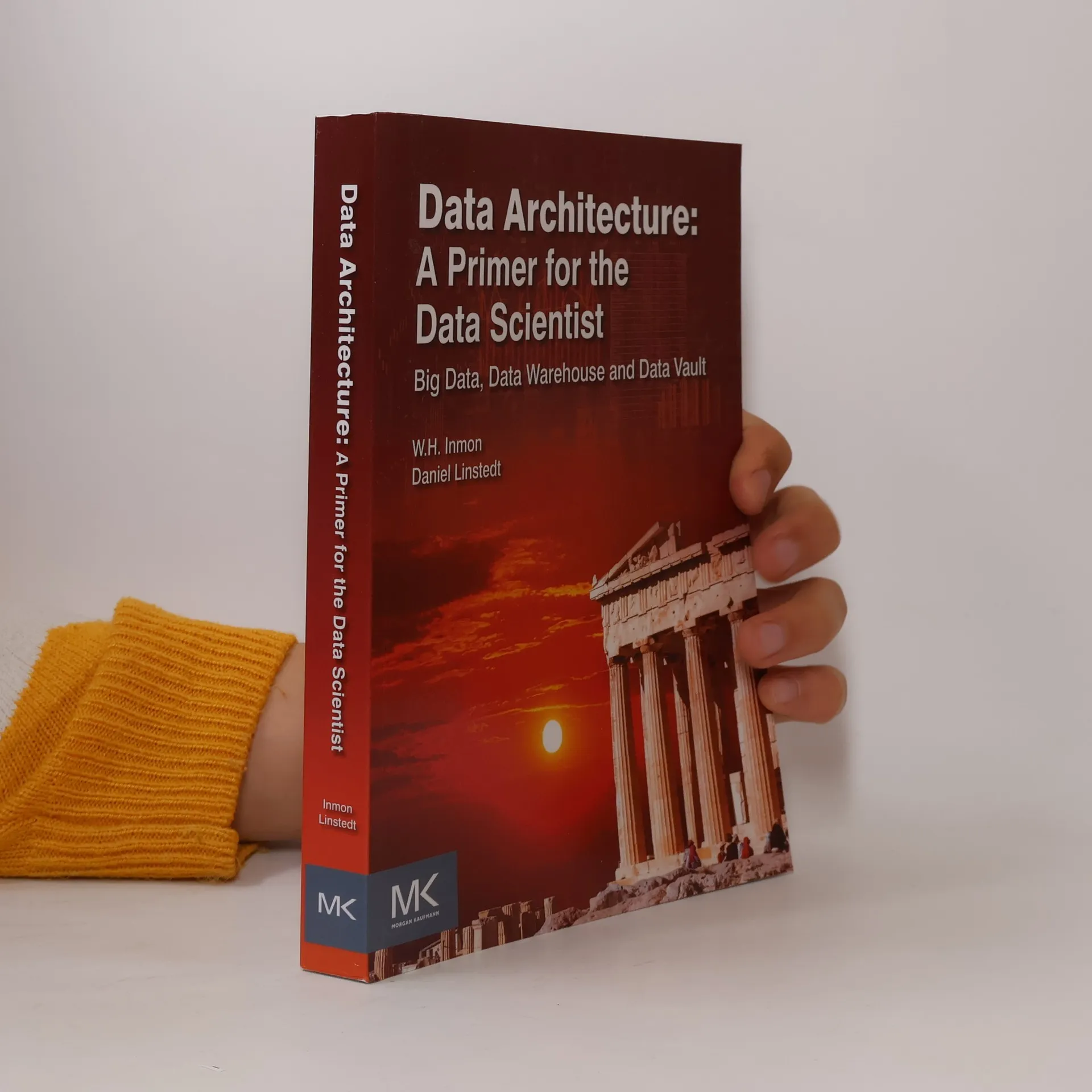
Today, the world is trying to create and educate data scientists because of the phenomenon of Big Data. And everyone is looking deeply into this technology. But no one is looking at the larger architectural picture of how Big Data needs to fit within the existing systems (data warehousing systems). Taking a look at the larger picture into which Big Data fits gives the data scientist the necessary context for how pieces of the puzzle should fit together. Most references on Big Data look at only one tiny part of a much larger whole. Until data gathered can be put into an existing framework or architecture it can't be used to its full potential. Data Architecture a Primer for the Data Scientist addresses the larger architectural picture of how Big Data fits with the existing information infrastructure, an essential topic for the data scientist. Drawing upon years of practical experience and using numerous examples and an easy to understand framework. W.H. Inmon, and Daniel Linstedt define the importance of data architecture and how it can be used effectively to harness big data within existing systems. You'll be able to: Turn textual information into a form that can be analyzed by standard tools. Make the connection between analytics and Big Data Understand how Big Data fits within an existing systems environment Conduct analytics on repetitive and non-repetitive data
Dan Linstedt Reihenfolge der Bücher (Chronologisch)
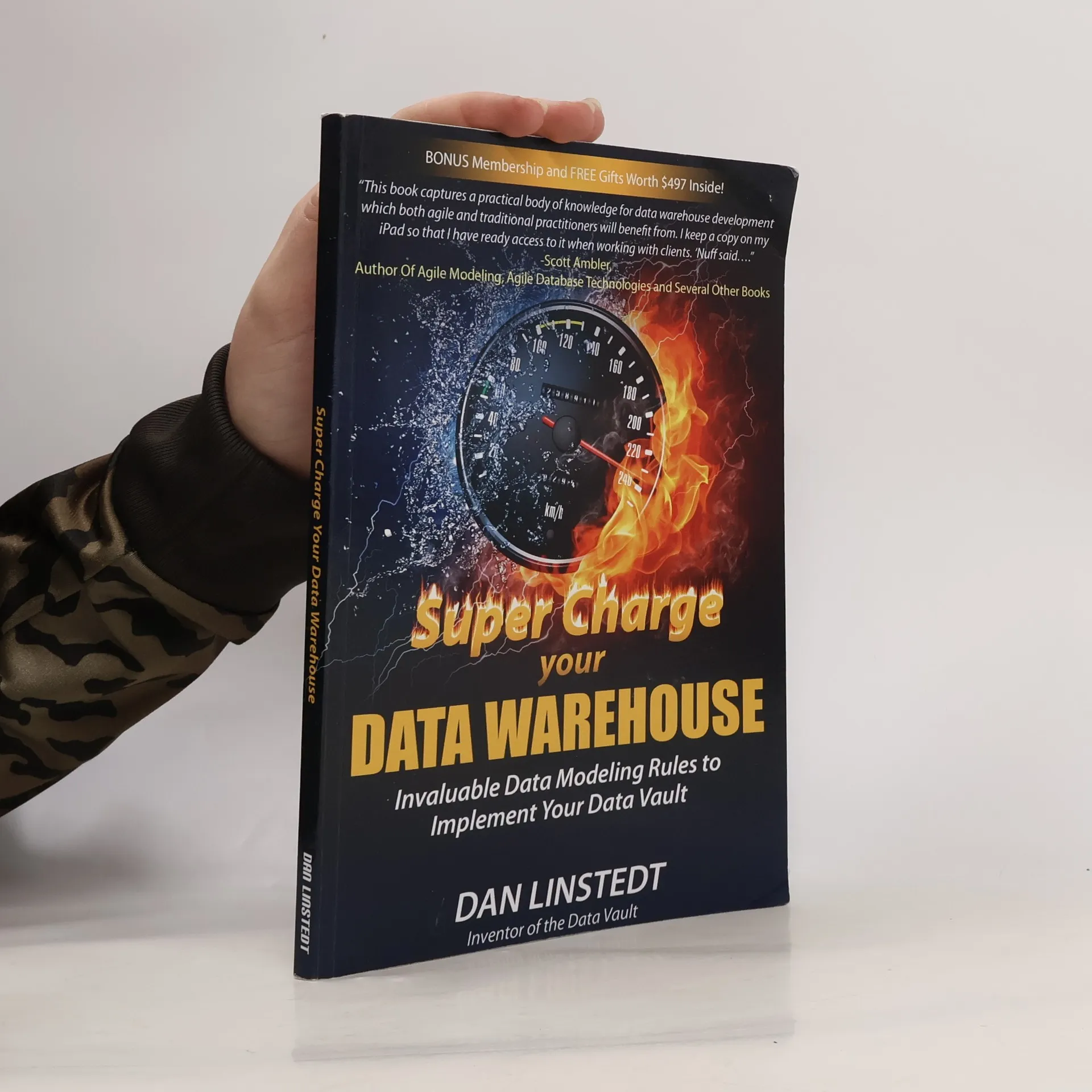
Super Charge Your Data Warehouse
Invaluable Data Modeling Rules to Implement Your Data Vault
- 126 Seiten
- 5 Lesestunden
Is your data warehouse flexible, scalable, secure, and built to endure? The Data Vault revolutionized the data warehouse landscape upon its release in 2001, offering unparalleled scaling, flexibility, and security. Industry leaders have praised the Data Vault for its strengths: Bill Inmon, known as the Father of Data Warehousing, calls it the optimal choice for modeling the Enterprise Data Warehouse within the DW 2.0 framework. Stephen Brobst, CTO of Teradata, describes it as an exceptionally scalable architecture. Doug Laney from Deloitte Analytics Institute suggests it should be a standard for RDBMS-based analytic data management, emphasizing its flexibility and performance. Howard Dresner, a leading research analyst, commends the author's contributions to Business Intelligence and Data Warehousing, recommending this work for both data professionals and end users. This book encapsulates 20 years of experience in building data warehouses, showcasing the Data Vault model and methodology's effectiveness across diverse sectors such as Insurance, Crime-Fighting, Defense, Retail, Finance, and more. Discover techniques to expedite your data warehouse development while ensuring it is designed for growth and scalability, regardless of future demands. Are you ready to supercharge your data warehouse?