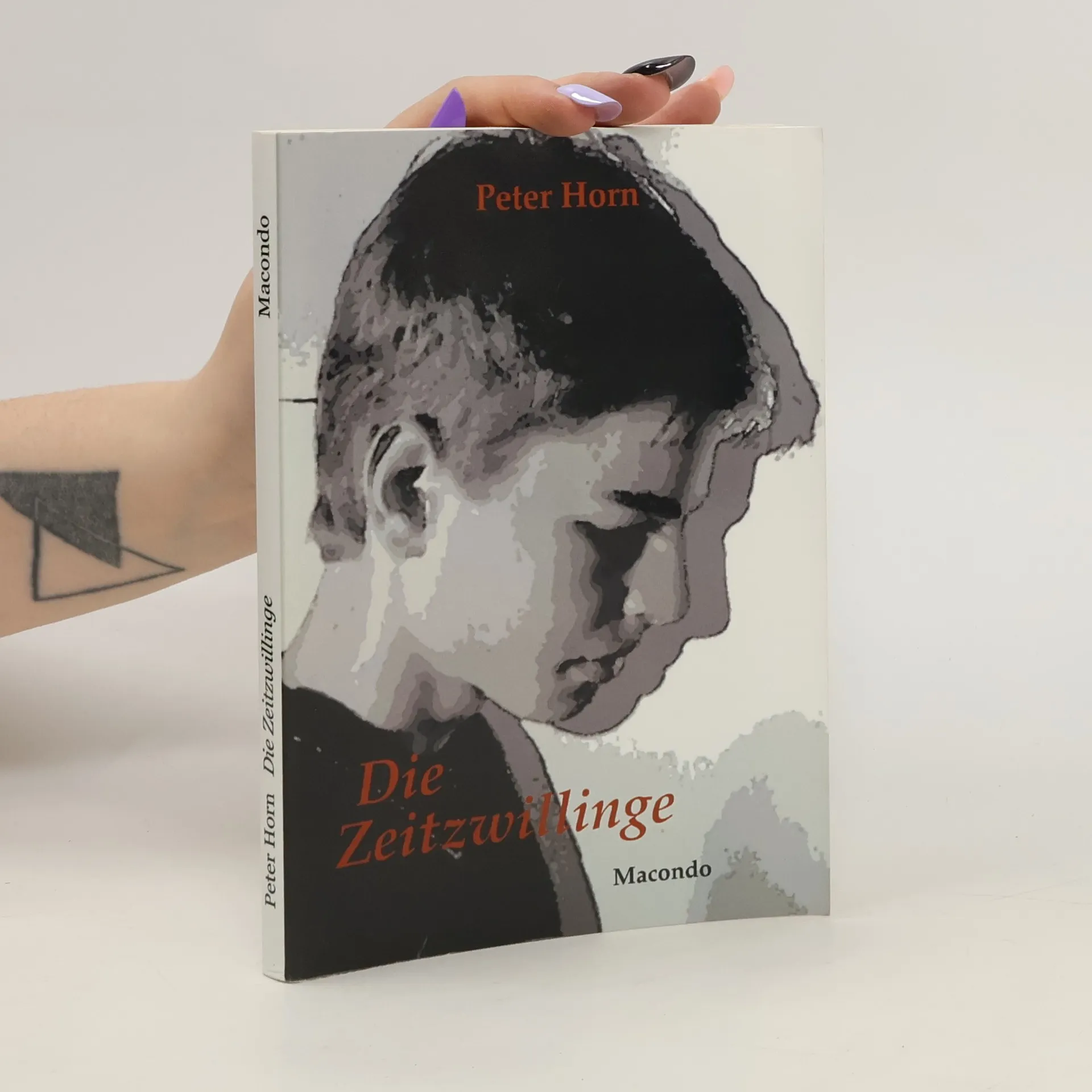
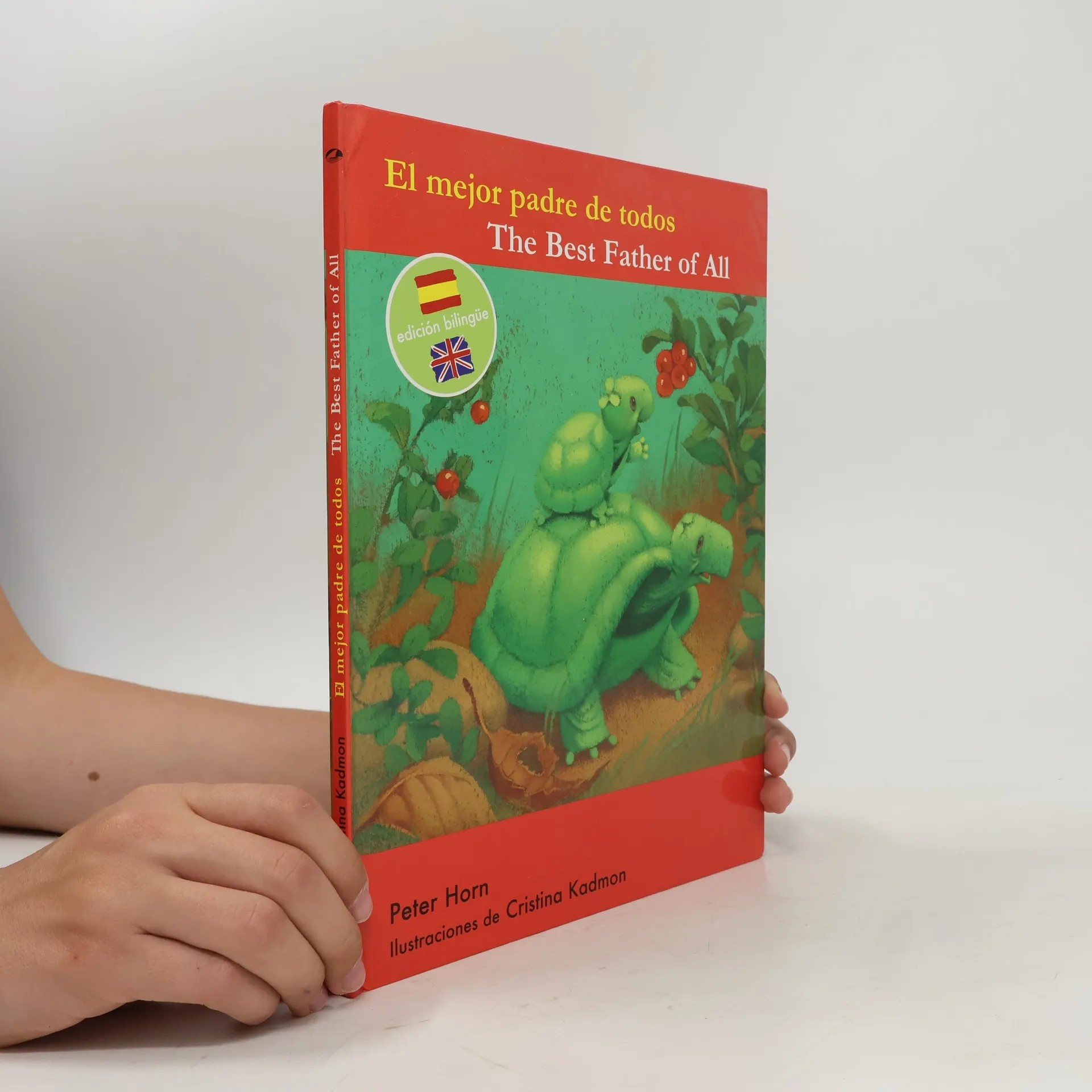
Die Schildkröte Sebastian und sein Papa erleben einen gemeinsamen Tag, treffen auf verschiedene Tiere und entdecken deren besondere Eigenschaften. Am Ende kuscheln sie sich in einen Laubhaufen. Der liebevolle Text von Peter Horn und die warmherzigen Illustrationen von Jessica Meserve betonen die besondere Vater-Kind-Bindung.
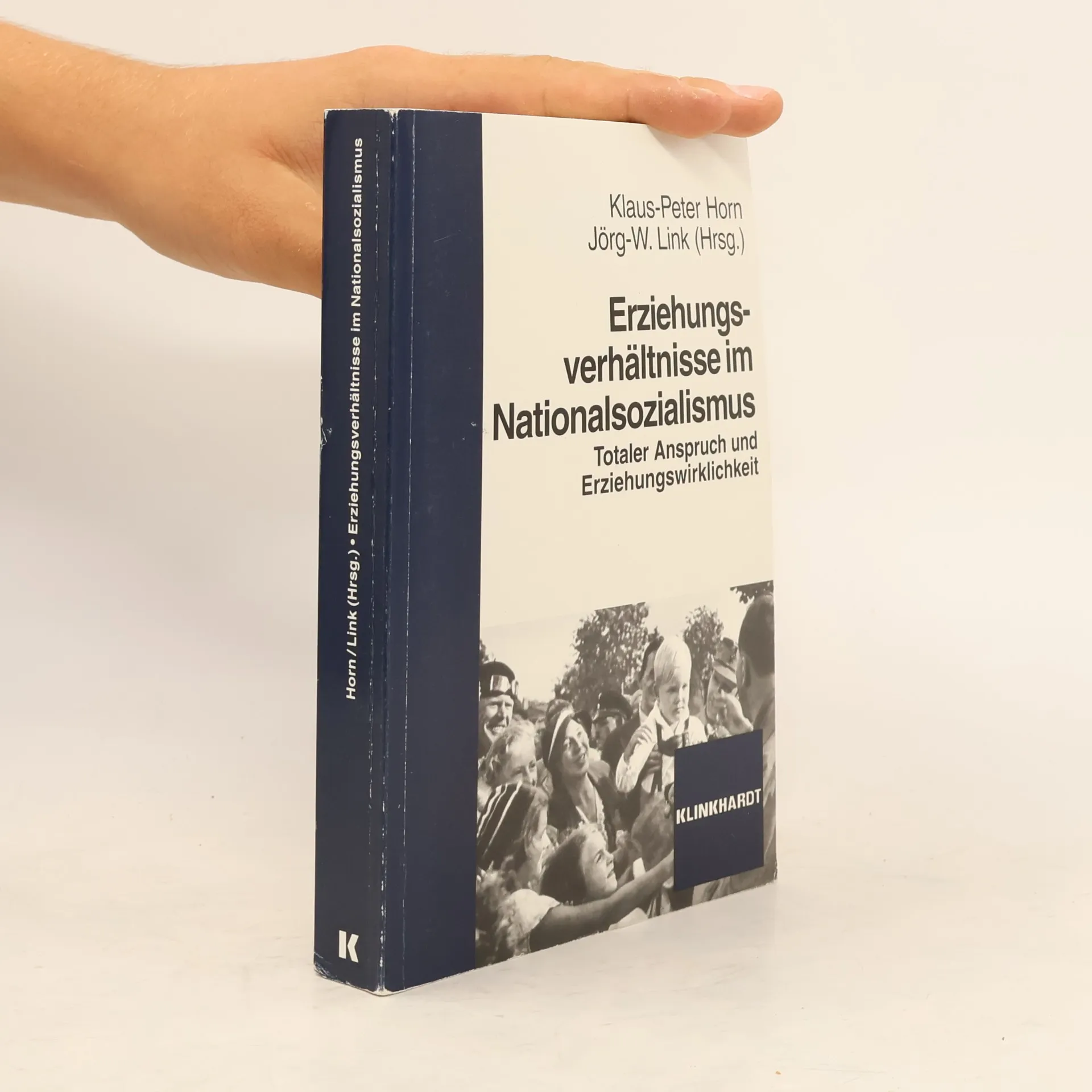
Mehr als 75 Jahre nach der „Machtergreifung“ ist das Thema Erziehung im Nationalsozialismus immer noch aktuell. Die 15 Beiträge des Bandes geben auf der Grundlage der einschlägigen Forschung einen umfassenden und zugleich differenzierten Überblick über die Erziehungsverhältnisse im Nationalsozialismus zwischen totalem Anspruch und Erziehungswirklichkeit. Als Auswahlprinzip für die Themen sowie als Ordnungsprinzip der Darstellung wurde die Lebenslaufperspektive gewählt. Die Beiträge folgen also dem Leben des „deutschen, erbgesunden, arischen Menschen“ und stellen die Erziehungsprogrammatiken und Normierungen, die institutionellen und organisatorischen Umsetzungen sowie die jeweiligen Erziehungspraktiken vor. Dabei werden zugleich sowohl die Geschlechterperspektive als auch die Erfahrungen der ausgegrenzten Gruppen der Bevölkerung berücksichtigt, denn die Ausgrenzung kann letztlich nicht ohne den Blick auf die Eingegrenzten thematisiert werden – et vice versa.
Immer schon war der 'Wahnsinn' das Kennzeichen des wahren Dichters. Selten hat man allerdings die psychiatrische Realität dieses Wahnsinns in ihrer Beziehung zum dichterischen Text untersucht. Paul Celan verbrachte den Großteil seiner letzten Lebensjahre in der Psychiatrie und beging 1970 Selbstmord. Dieses Buch geht den Fragen nach, welche individuellen Ursachen zu seiner Krankheit führten, welche Traumata in Celans Lyrik ihren Niederschlag gefunden haben und in welcher Weise die manisch-depressive Krankheit den Stil und den Inhalt vor allem seiner späten Lyrik geprägt hat. Wie die 'Psychose' als Sprachstruktur und Thema in den Texten Paul Celans als Widersinnigkeit, Sinnlosigkeit und das Unaussprechliche dennoch zu einem Fascinosum seiner Lyrik in der Zeit der Gegenmenschlichkeit wird, ist Kern dieser Untersuchung.
Wie hängen Spiritualität und Selbsterkenntnis mit persönlichen Themen und Verstrickungen zusammen? Ist ein spiritueller Weg auch mit beruflichem Erfolg oder familiärem Glück vereinbar? Dieses Buch geht einen entscheidenden Schritt über traditionelle und modische Glaubenssysteme hinaus, indem es Bewusstseinsentwicklung mit Methoden systemischen Coachings verbindet. Denn wer mit sich selbst in Einklang kommen möchte, braucht mehr als einen weltabgewandten Weg, der die Ego-Persönlichkeit verdammt und Gehorsam zu einem Meister oder einer Kirche fordert. In praktischen Coachingbeispielen wird deutlich, wie eine zeitgemäße spirituelle Didaktik funktionieren kann.
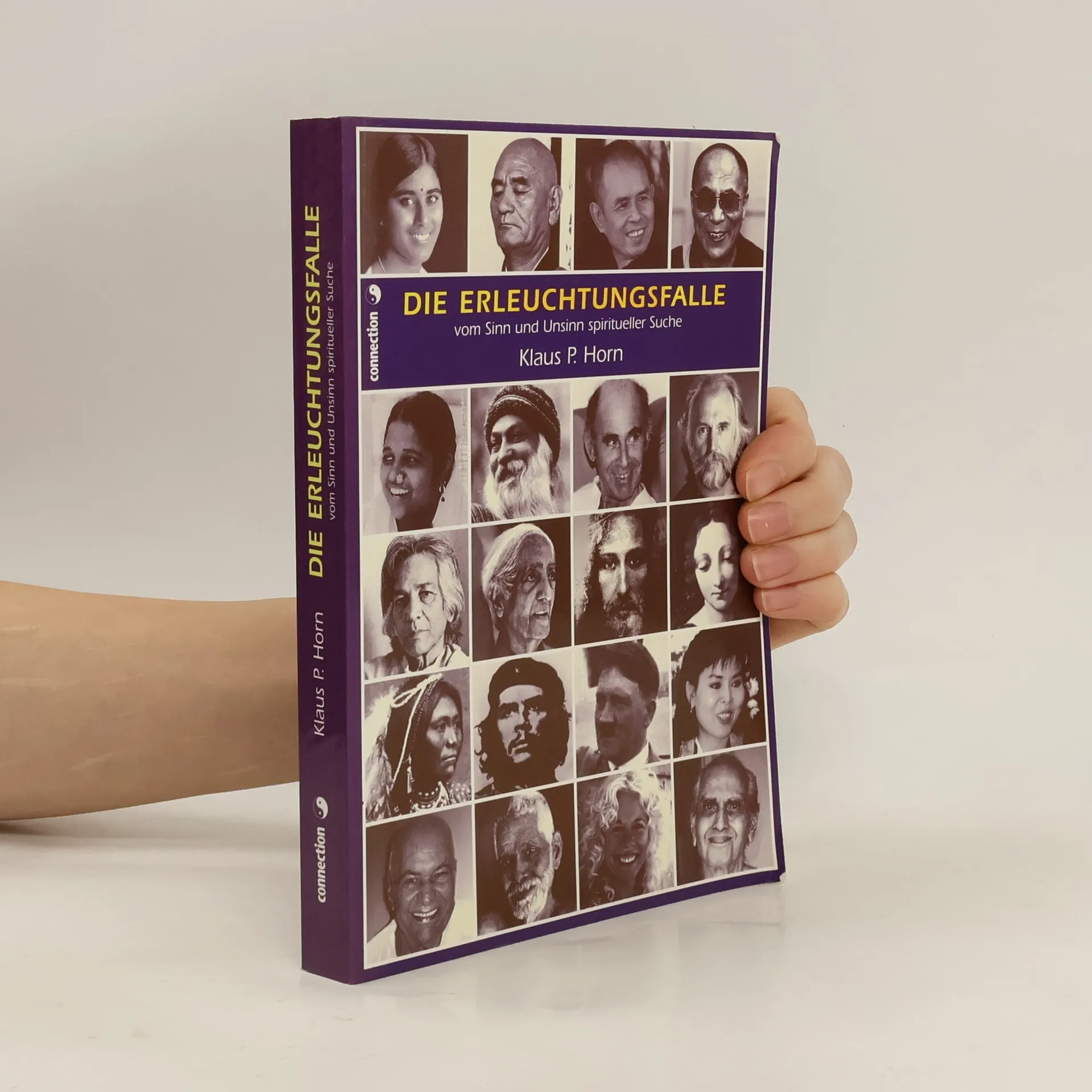
Die Suche nach einer erleuchteten Erkenntnis, die alles verändert, ist so alt wie die Menschheit. Viele Meister und Gurus bieten sich dem Suchenden als Lehrer an und verheißen die Befreiung von der Lebensangst und den Durchbruch zum inneren Frieden. Doch welchem Weg wir auch folgen, die Suche nach der Erleuchtung wird schnell zur Falle. Erlösung bleibt ein kindlicher Traum. Der Weg zur Vollständigkeit liegt nicht in der Suche nach Erleuchtung, sondern im Kennenlernen und Annehmen aller Facetten der menschlichen Natur.
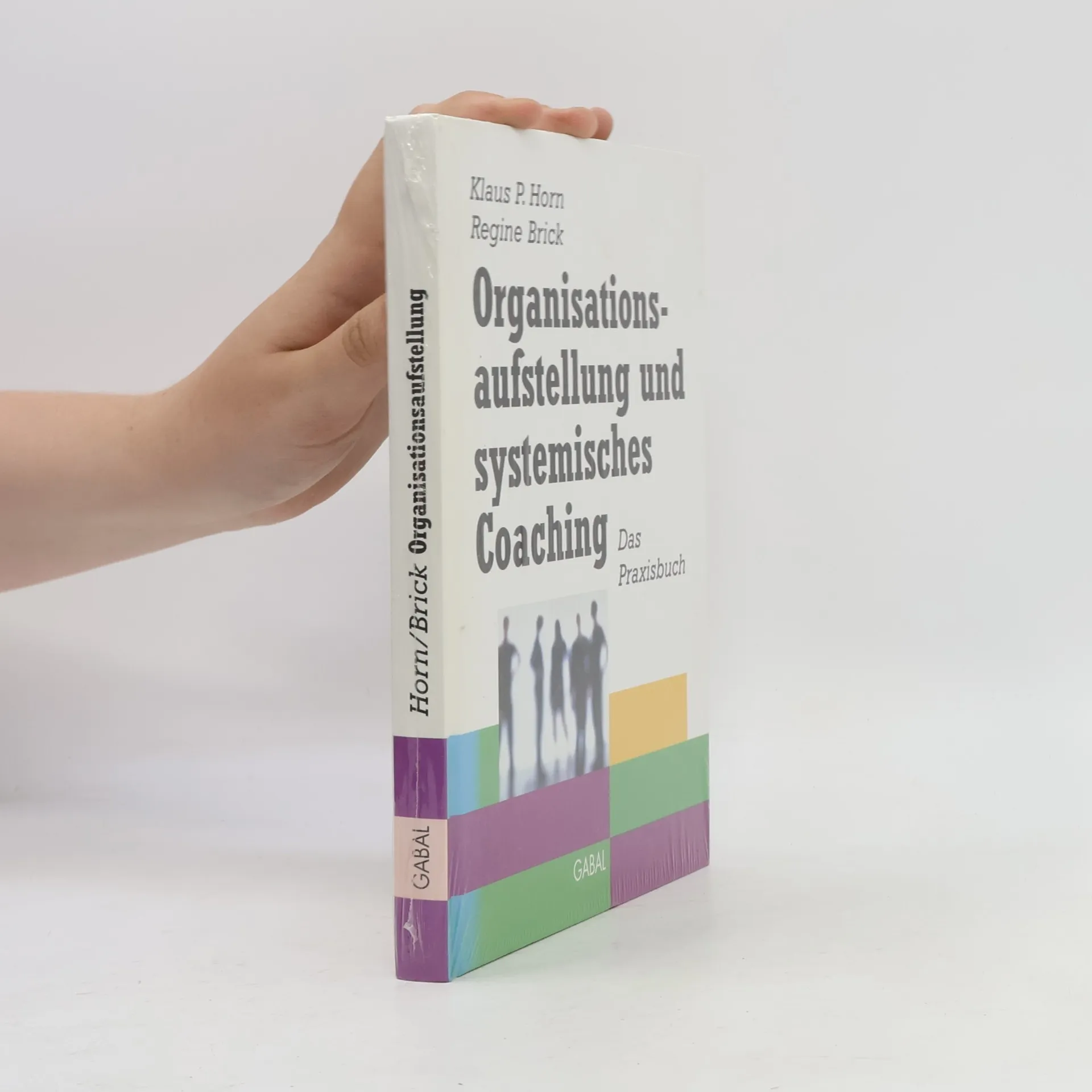
Der „State of the Art“ des systemischen Aufstellens Klaus P. Horn und Regine Brick, die Autoren von „Das verborgene Netzwerk der Macht“, dem ersten Managementbuch über die systemische Aufstellungsmethode, geben in ihrem neuen Buch einen vertieften Einblick in ihre Praxis. In Klientengeschichten, spannend wie ein Krimi, zeichnen sie ein breites Spektrum von Anwendungsfeldern nach. Die systemischen Hintergründe missglückter Fusionen und Schwindel erregender Abstürze in der IT-Branche, schier unlösbarer Teamkonflikte und verwickelter Mobbingfälle werden in der Aufstellung sensibel und respektvoll beleuchtet - und auf manchmal erstaunlich einfache Weise gelöst. In einem ebenso fundierten wie unterhaltsamen Streifzug durch die Welt angewandter Wirtschaftspsychologie erlebt der Leser den „State of the Art“ des systemischen Aufstellens und Coachings.
Systematische Aufstellung in Unternehmen und Organisationen
Systemische Aufstellung in Unternehmen und Organisationen
Die Methode der systemischen Aufstellung - von Bert Hellinger ursprünglich für die Familientherapie angewendet - wird mittlerweile verstärkt auch in Unternehmen und Organisationen angewendet. Bei einer systemischen Aufstellung (auch Organisationsaufstellung genannt) versucht man, die Struktur einer Gruppe mittels Stellvertretern abzubilden. Dadurch erhält man Aufschluss über Spannungen, Krisenfelder oder Machtverteilung innerhalb dieser Gruppe - beispielsweise einer Abteilung oder Firma. Menschen, Teams und Unternehmen sind erfolgreich, wenn sie - ähnlich wie beim Fußball - „gut aufgestellt“ sind, also an ihrem richtigen Platz stehen und entsprechend ihrer Leistung und Position anerkannt werden. Systemische Stimmigkeit erzeugt Synergie.
Dieses Buch zeigt Ihnen anhand zahlreicher Praxisbeispiele, wie Sie die verborgene Intelligenz der systemischen Ebene für Ihr Unternehmen, Ihr Team nutzen können. Darüber hinaus erhalten Sie Anregungen für das systemische Coaching, mit dem das Makrosystem Unternehmen mit dem Mikrosystem Persönlichkeit verbunden werden kann.
„Das Buch macht mit einer psychologischen Methode bekannt, die vielleicht eine Alternative bieten könnte zu harten Einschnitten in betriebliche Systeme. Es besticht der zutiefst menschliche Ansatz.“(Süddeutsche Zeitung)
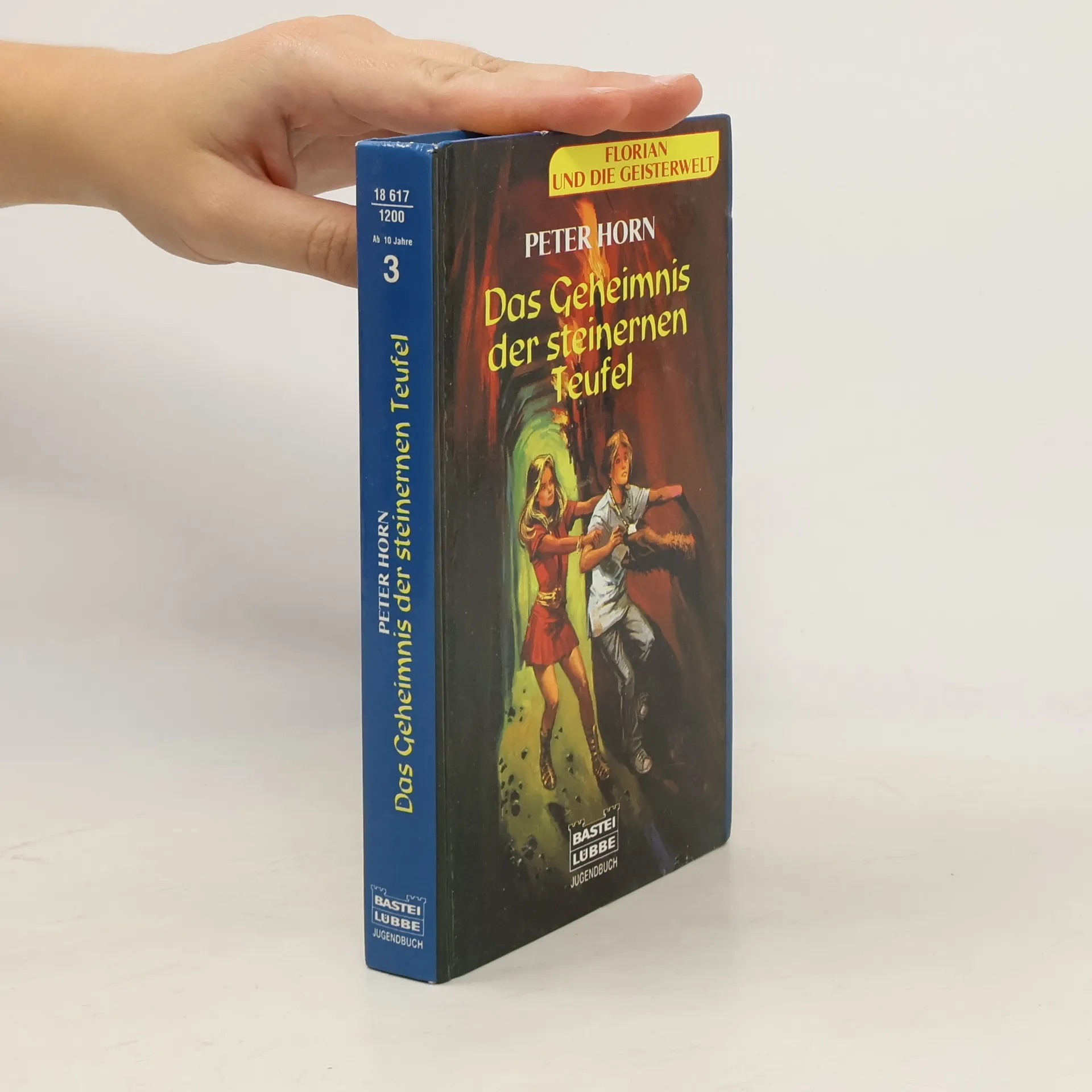
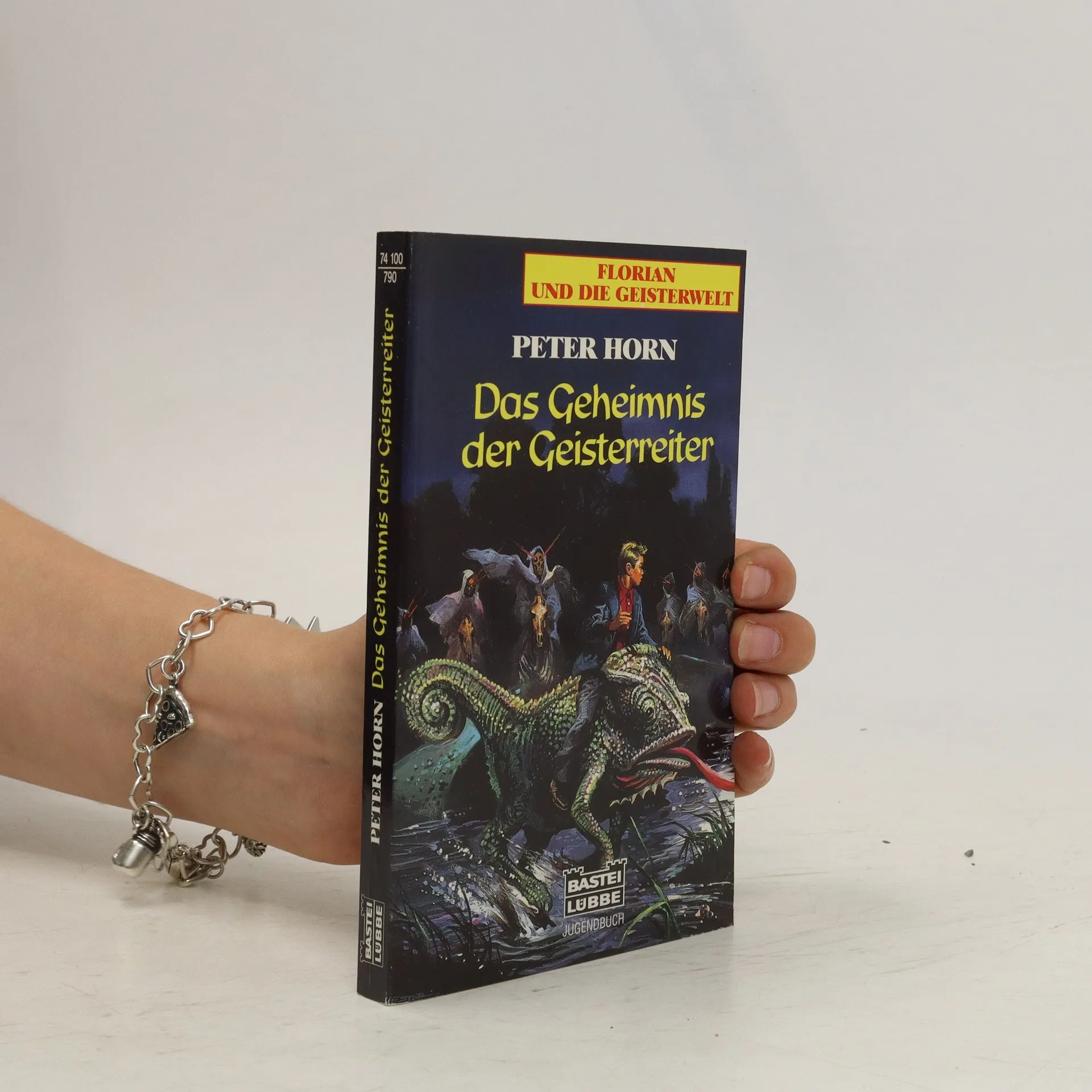
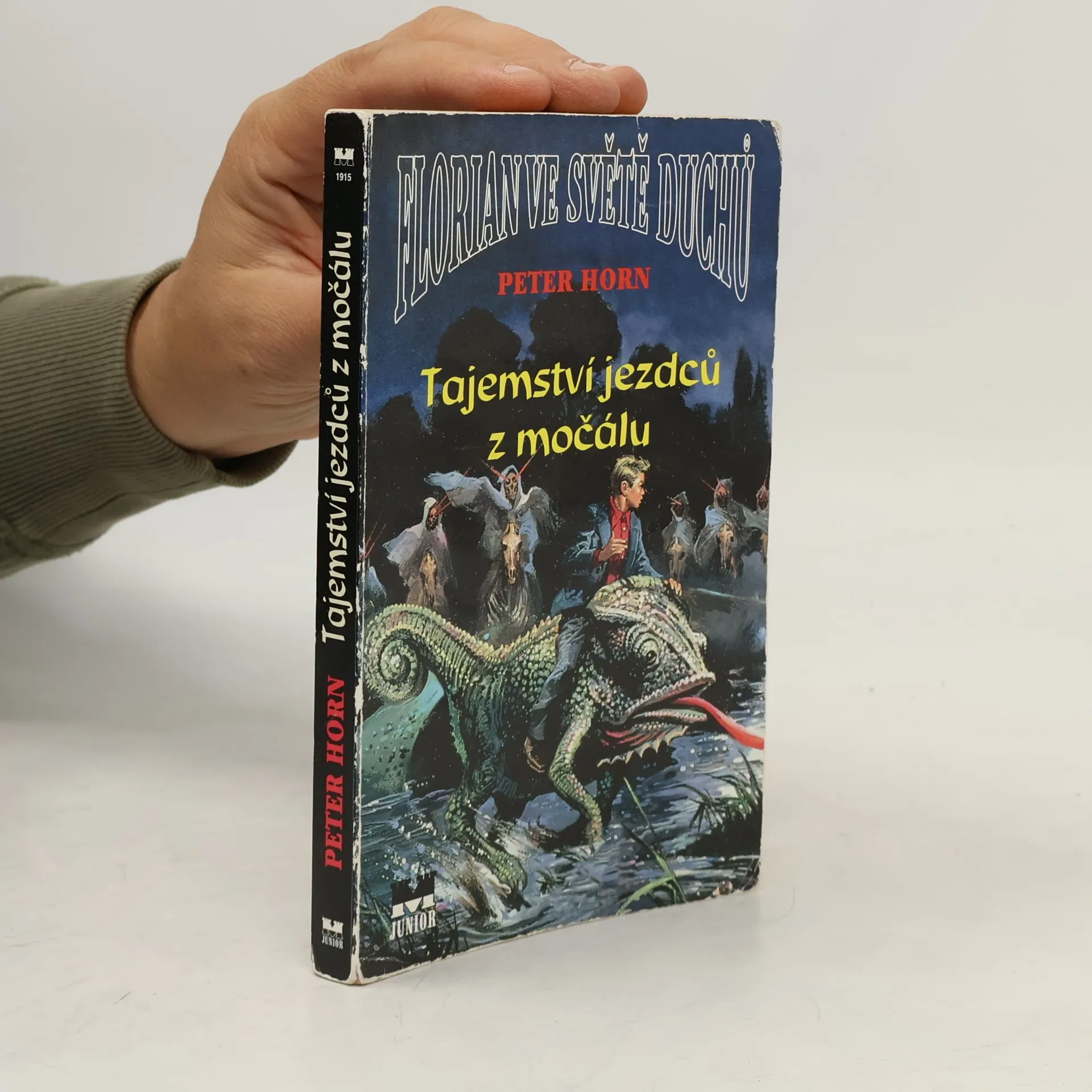
Když Florian obdržel od svého přítele Žvanila pozvání na žvanilovskou výroční slavnost, vydal se podruhé do Říše duchů. Florian je čestným hostem na této slavnosti, a i kvůli němu se sem sjíždějí hosté ze všech částí Říše duchů; konečně Florian přece osvobodil močál od příšerných jezdců a vlkodlaků. Druhým čestným hostem je proslulý kouzelník Xarthos, tajemstvím obestřený muž, který, jak se obecně soudí, patří v Říši duchů mezi „dobré“. Avšak soutěž, ke které Xarthos Floriana vyzve, se záhy změní v souboj na život a na smrt. Jedno je jasné: Xarthos není ve skutečnosti takový dobrák, za jakého se vždycky vydával. Je to čaroděj sloužící zlu, jež si žádá Florianovu smrt. A Florian během zápasu odhaluje Xarthosovo děsivé tajemství…
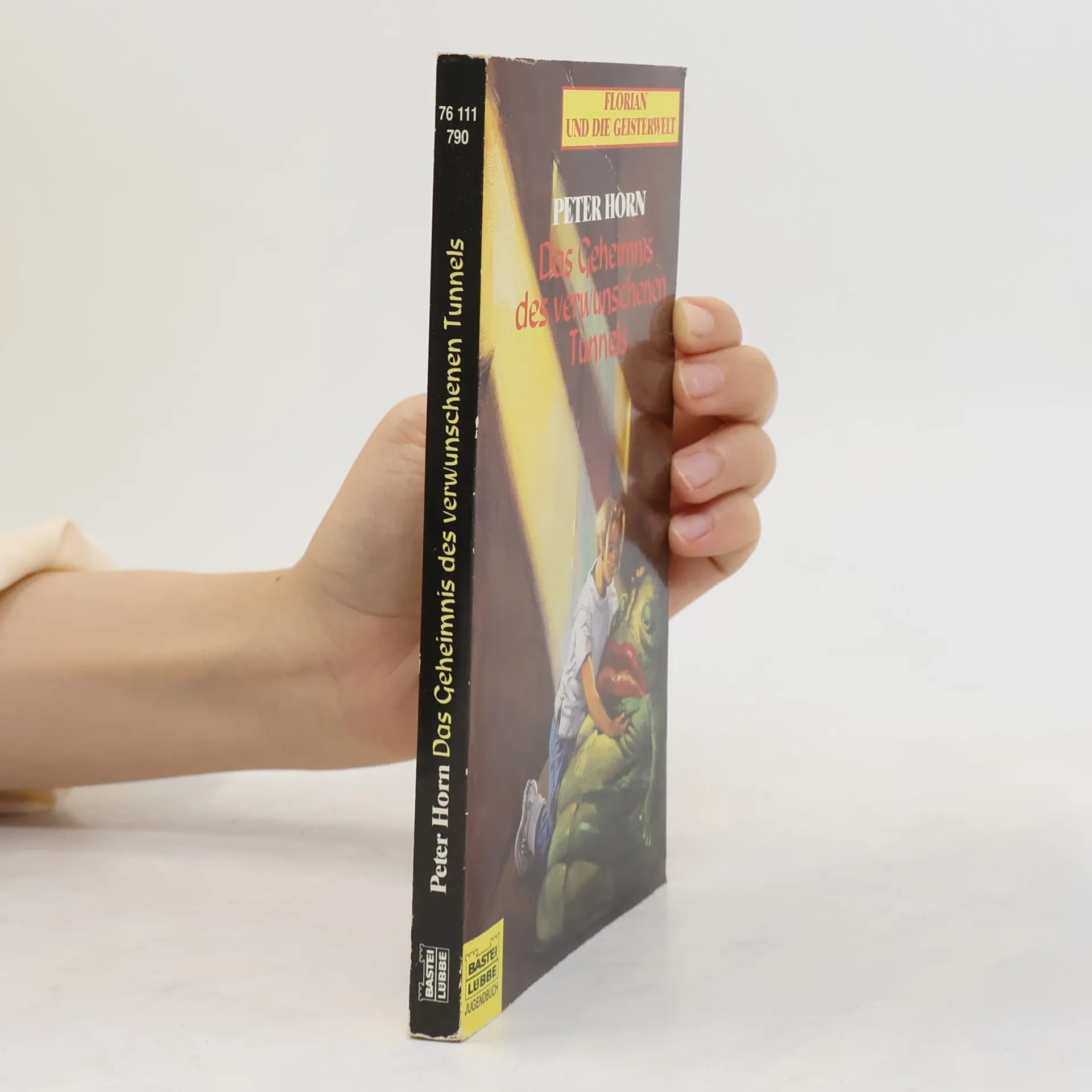
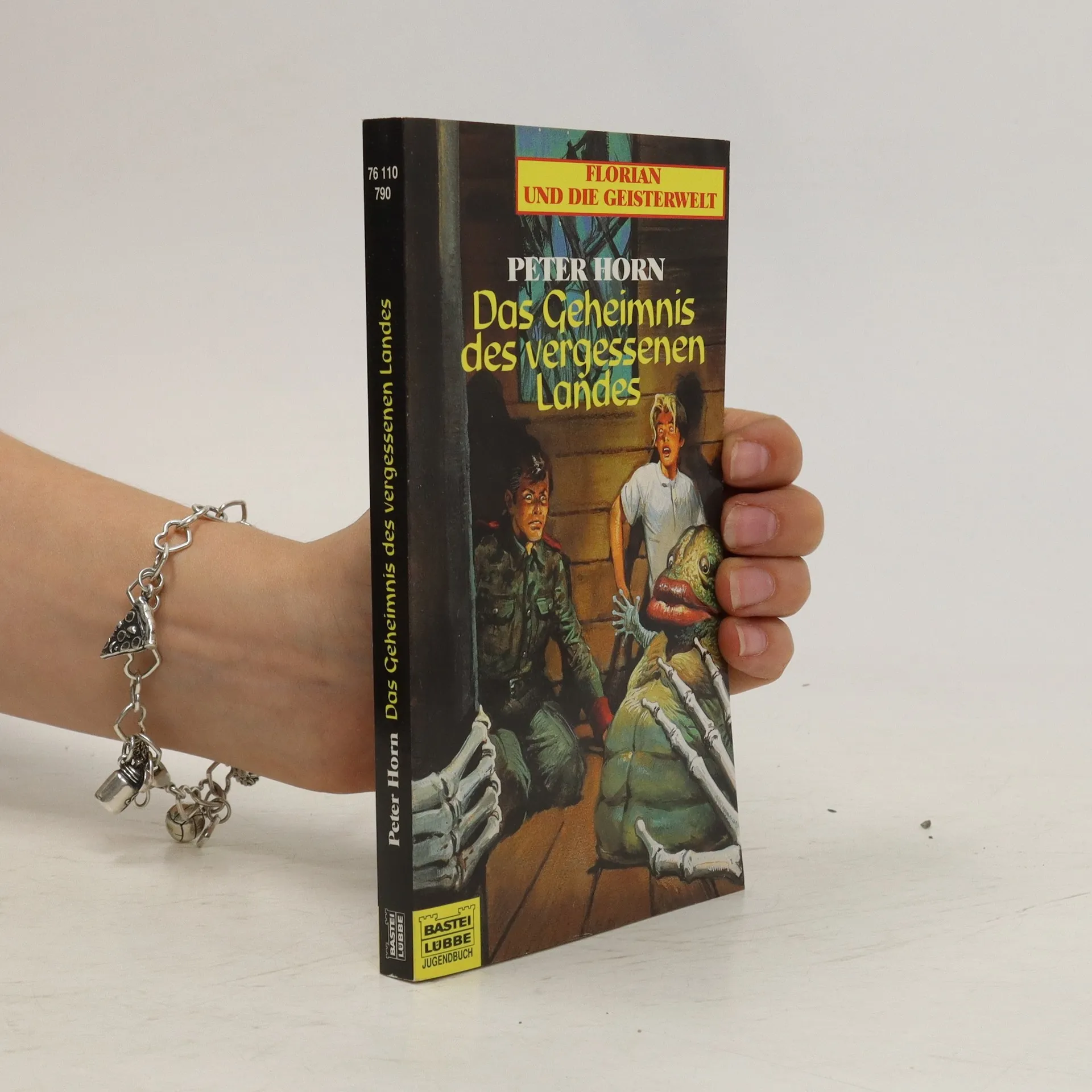
Babičky jsou už takové – nesnášejí komiksy, a ty hororové už vůbec ne. Proto si Florian jeden ze svých sešitů schová u paty starého keltského kříže – a zažije ohromné překvapení, když si ho chce vzít nazpět: sešit je pryč zato však Floriana cosi chytne za ruku a stáhne ho dolů. Tak se dostává Florian do světa duchů a s úžasem hledí na podivného tvora, který ho tam stáhl. Ale taky Žvanil, jak si tento tvor říká, je celkem slušně zaražen. Oba se však rychle spřátelí a Florianovi začíná skvělé dobrodružství…