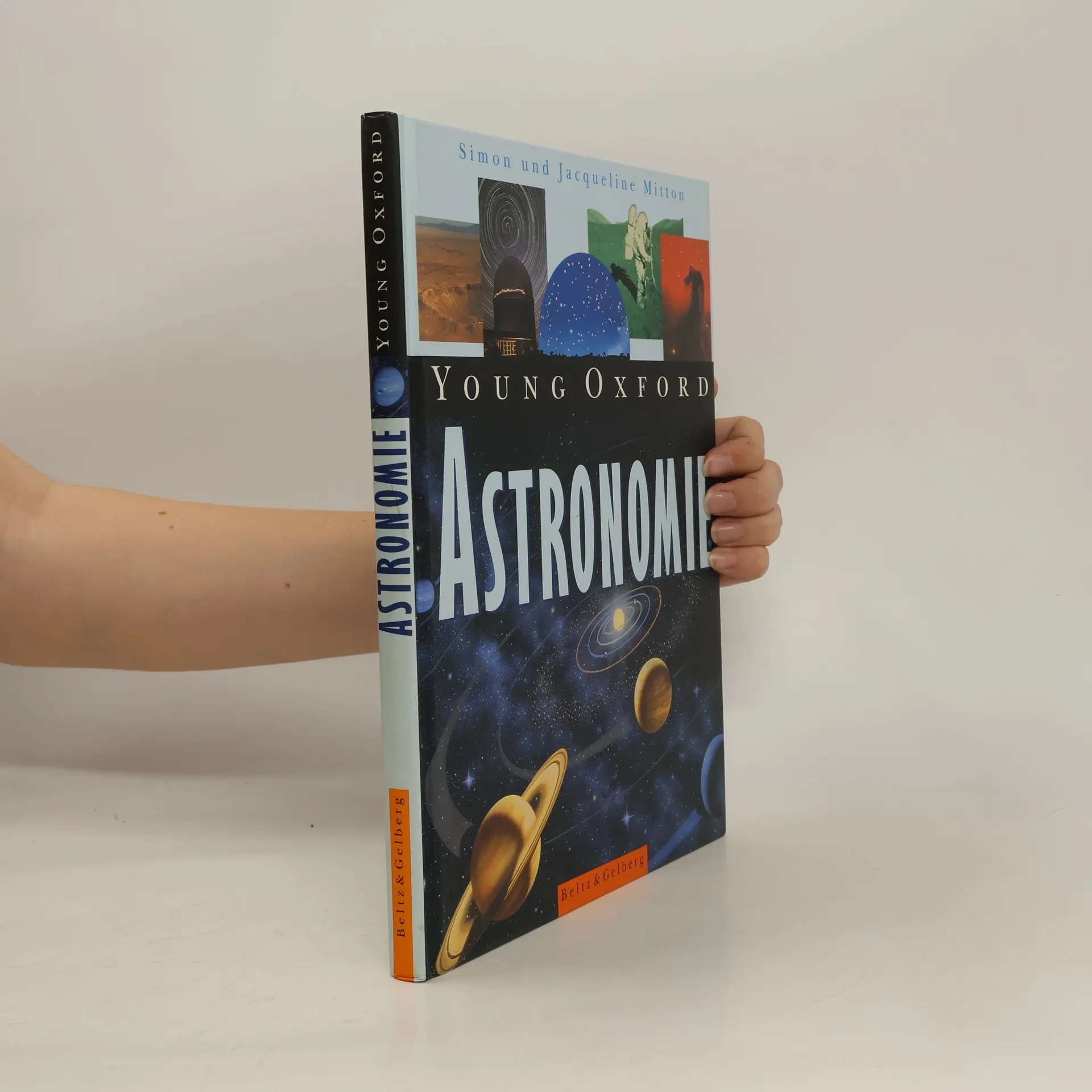


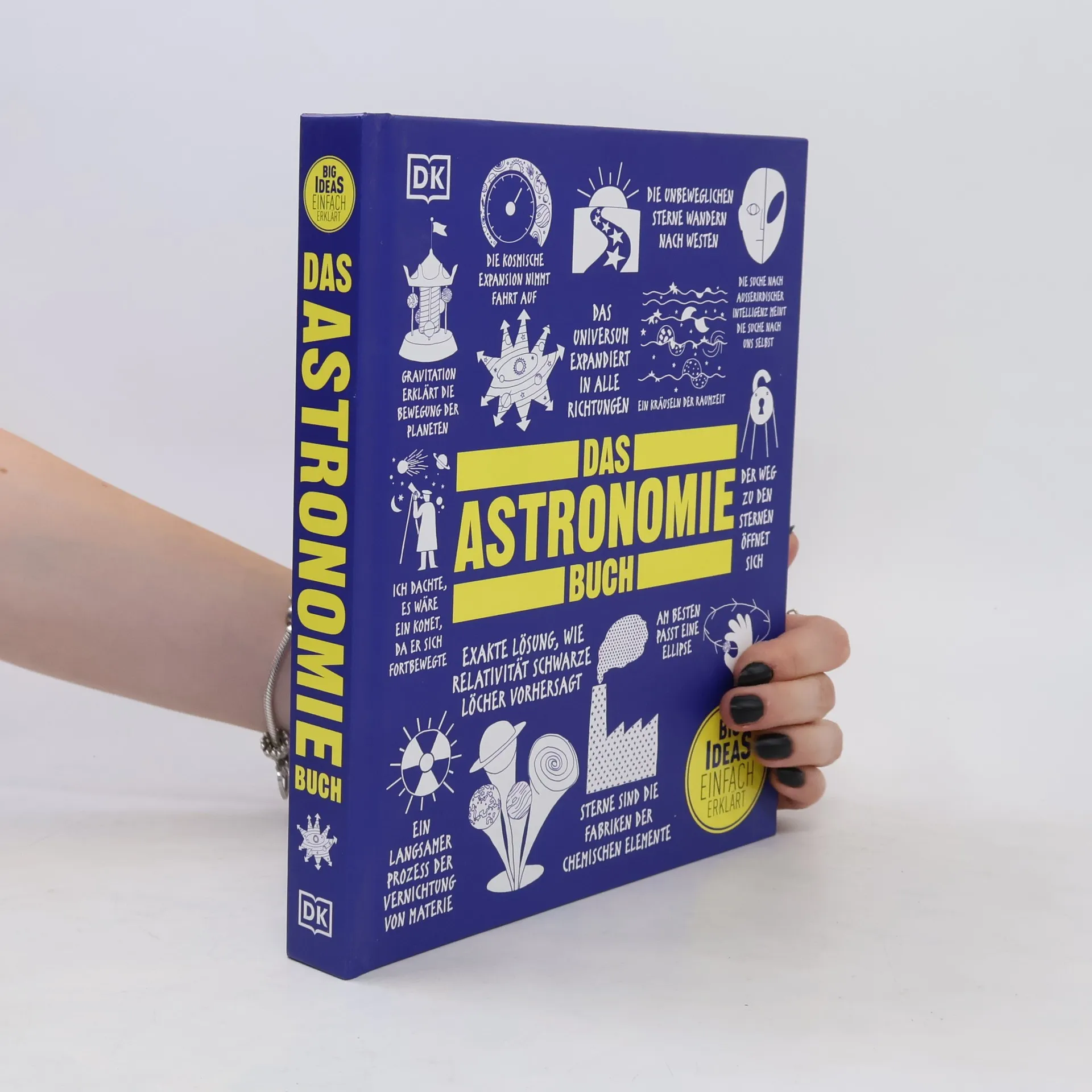
In diesem innovativen Astronomie-Buch werden astronomische Theorien, die Geschichte der Raumfahrt und über 100 zentrale Ideen der Astronomie galaktisch-gut erklärt. Schritt-für-Schritt-Diagramme, witzige Illustrationen und tolle Fotografien visualisieren komplexe Sachverhalte anschaulich und verständlich. Außerdem machen Sie Bekanntschaft mit den berühmtesten Wissenschaftlern des Universums! Einsteins Relativitätstheorie durchschauen, die Geheimnisse schwarzer Löcher ergründen, den Urknall verstehen und die Biografie von Stephen Hawking kennen lernen: Jeder, der die Wissenschaft hinter Sternen, Planeten oder dem Sonnensystem begreifen will, braucht dieses ausgezeichnete Astronomie-Buch. Es blickt in den Himmel und lädt dazu ein, den Weltraum genau zu betrachten und gedanklich auf der Milchstraße spazieren zu gehen. In den sieben großen Kapiteln des Astronomie-Buchs – vom Mythos der Wissenschaft bis zum Triumph der Technologie – wird es spannend. Die bekanntesten Astronomen der Geschichte begleiten auf der rasanten Reise durch die Galaxie. Blicken Sie durch Ihr Teleskop und entdecken Sie die Weiten des Kosmos!
Jacqueline Mitton Bücher


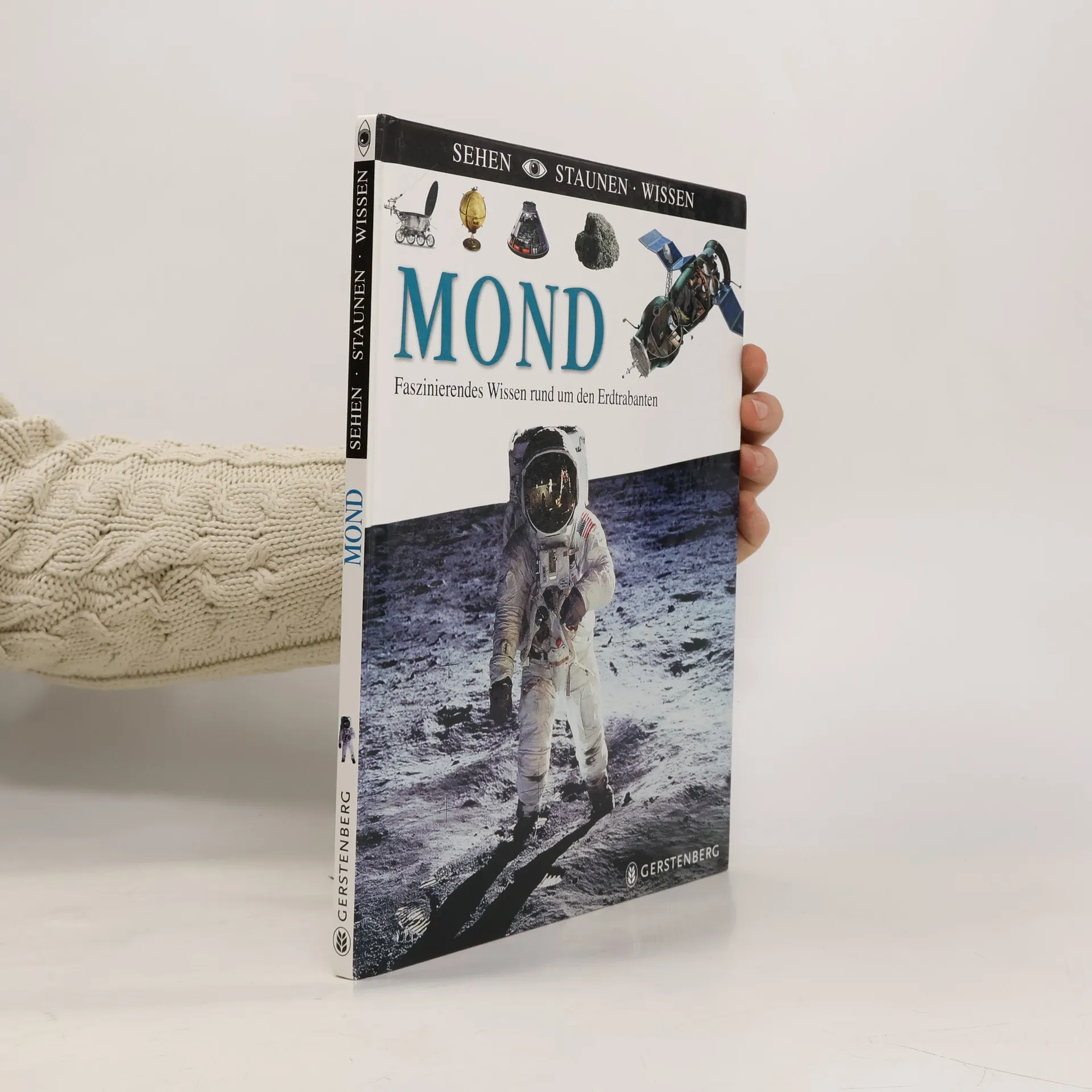
Der Mond fasziniert uns Menschen seit Anbeginn der Zeiten, und bis heute hat der Erdtrabant nichts von seiner Faszination verloren. Dieser Band führt uns auf Entdeckungsreise zum nächsten Nachbarn der Erde! Beinahe jede Nacht ist er am Himmel zu sehen, mal als dünne Sichel, mal als runde Scheibe - der Mond. Viele Mythen und Geschichten ranken sich um diesen Himmelskörper, der die Menschen zu immer neuen Vorstößen in den Weltraum veranlasst hat. Dabei hat die Wissenschaft in den letzten fünfzig Jahren grandiose Fortschritte gemacht: Als am 21. Juli 1969 Neil Armstrong als erster Mensch seinen Fuß auf die Oberfläche des Mondes setzte, saß die ganze Welt gebannt vor dem Fernseher und hielt den Atem an. Dieser Band bietet viele spannende Informationen rund um den Erdtrabanten und seine Erforschung durch den Menschen: Wie lange braucht der Mond für seinen Umlauf um die Erde? Welchen Einfluss hat er auf die Gezeiten? Und wie verlief der dramatische Wettlauf zwischen den USA und der Sowjetunion auf dem Weg ins Weltall? Ein sachkundiges und durch die reichhaltige Bebilderung äußerst eindrucksvolles Buch - nicht nur für Mondsüchtige!
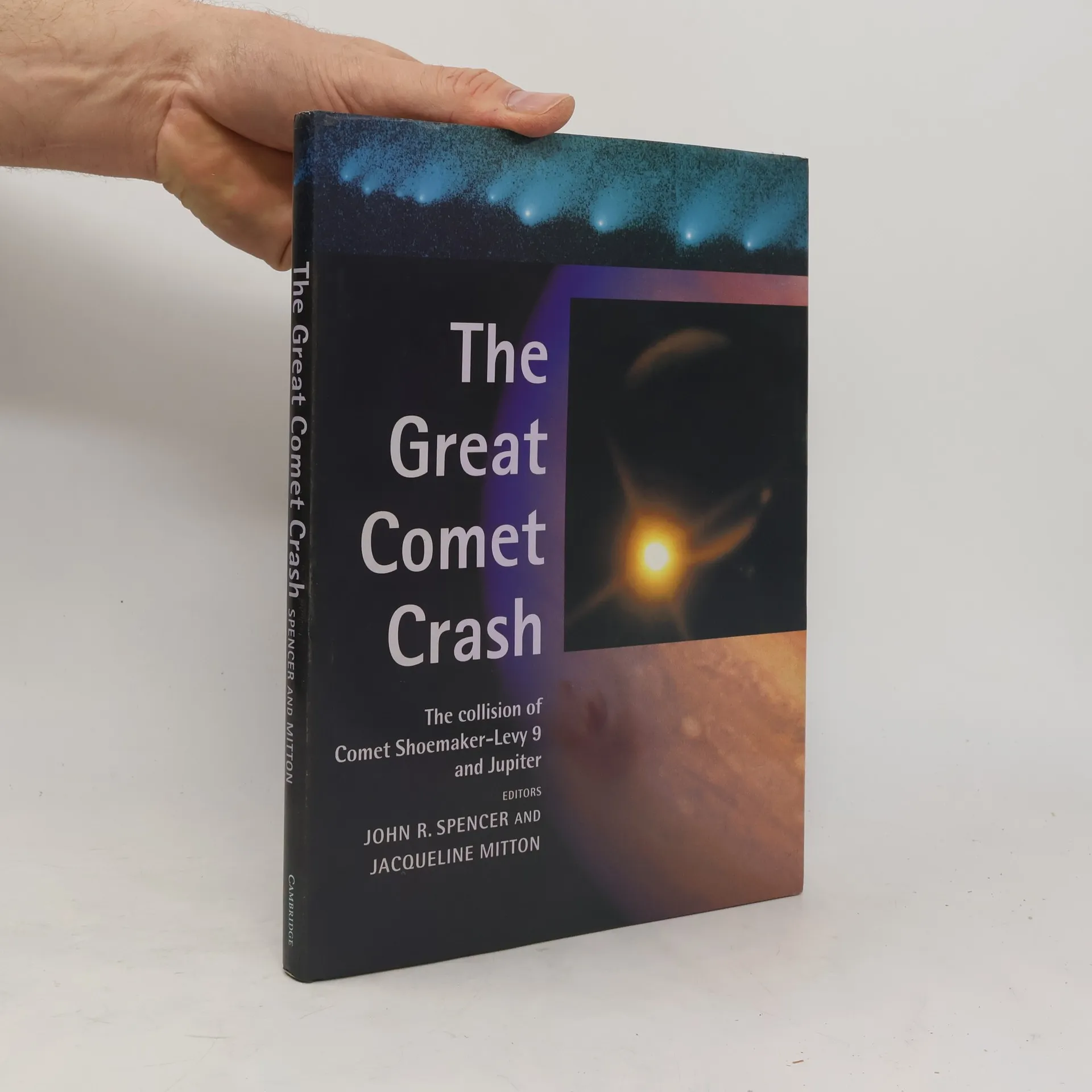
The Great Comet Crash
- 128 Seiten
- 5 Lesestunden
The Great Comet Crash is a record of the spectacular collision between Comet Shoemaker-Levy 9 and the giant planet Jupiter in July 1994. Researchers who were involved in all aspects of observing and interpreting the encounter give personal narratives of the events, from the discovery of the comet through to the dramatic effects on the appearance of Jupiter in the hours, days and months after the collision. The chapters are all by distinguished researchers who personally participated in the international teams who recorded the events. The book is illustrated in colour throughout by the very best images selected from professional observatories around the world. The Great Comet Crash is the definitive illustrated account by professional astronomers of the collision and its consequences.
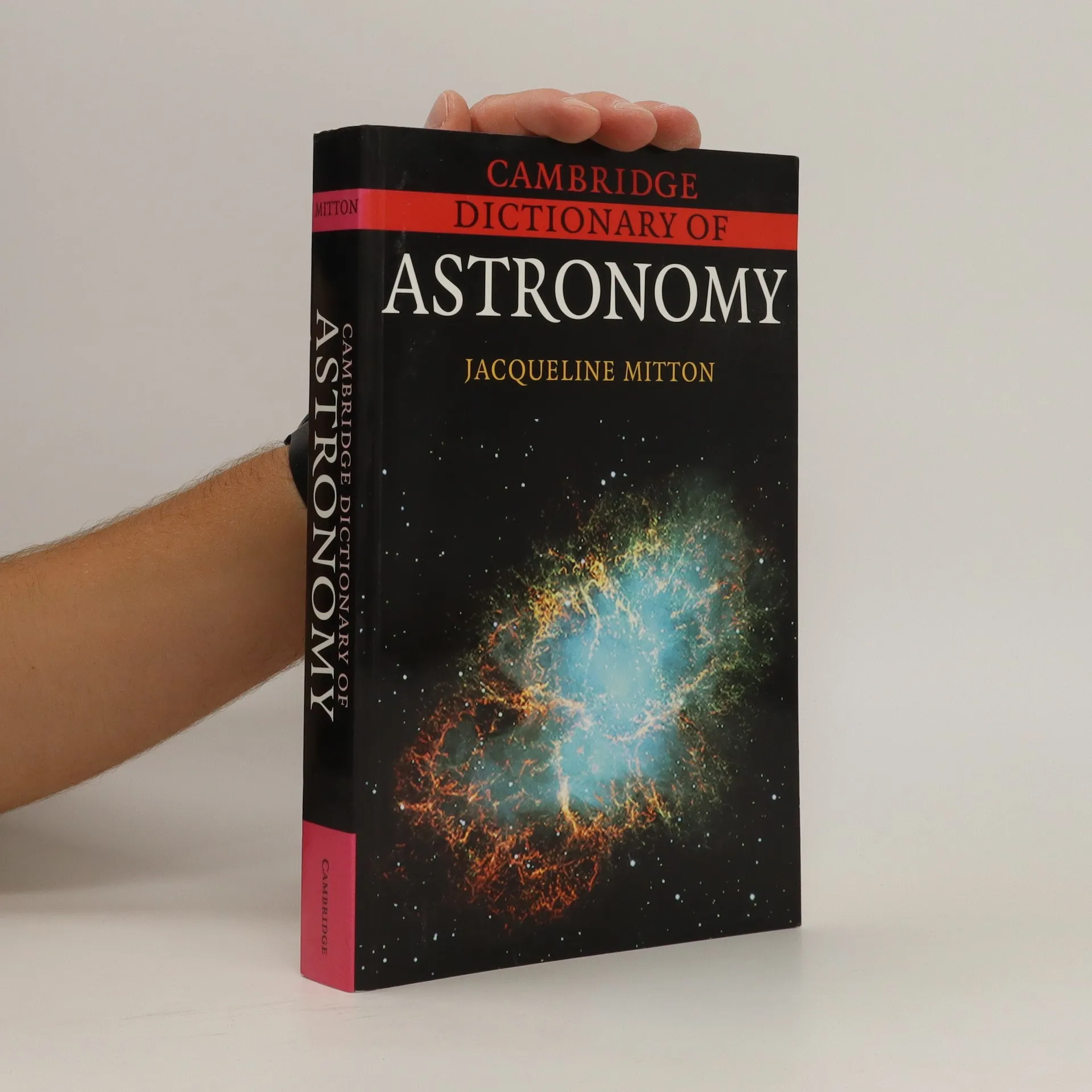
Cambridge dictionary of astronomy
- 466 Seiten
- 17 Lesestunden
Struggling with heliopause or the flatness problem? The Cambridge Astronomy Dictionary is your solution to astronomical jargon! This essential reference features over 3,200 clearly defined terms, names, and abbreviations used in both amateur and professional astronomy. It encompasses a wide range of topics, including modern and classical astronomy, specialist terms, all constellations, planets, and moons of the solar system, as well as comets, stars, asteroids, nebulae, and galaxies. It also covers telescopes, observatories, spacecraft, and space missions. Previously published as The Penguin Dictionary of Astronomy, this classic reference work has been thoroughly revised and updated with numerous new entries. Whether you're a professional astronomer or a hobbyist, you'll find this dictionary to be an invaluable resource. Jacqueline Mitton's passion for astronomy began in childhood with her first telescope. She earned a degree in physics from the University of Oxford and a PhD in astronomy from the University of Cambridge. In 1989, she became the Press Officer of the Royal Astronomical Society and is a Fellow of the Royal Astronomical Society, as well as a member of the International Astronomical Union and the Division of Planetary Sciences of the American Astronomical Society. Mitton has authored or co-authored 16 astronomy books and writes for both children and adults.
"Jacqueline Mitton and Simon Mitton offer the first biography of Vera Rubin, an astronomer who made vital contributions to our understanding of dark matter. An outstanding scientist herself, Rubin also championed women in science, by mentoring, advocating for hiring women faculty, disseminating their research, and recognizing their achievements"-- Provided by publisher
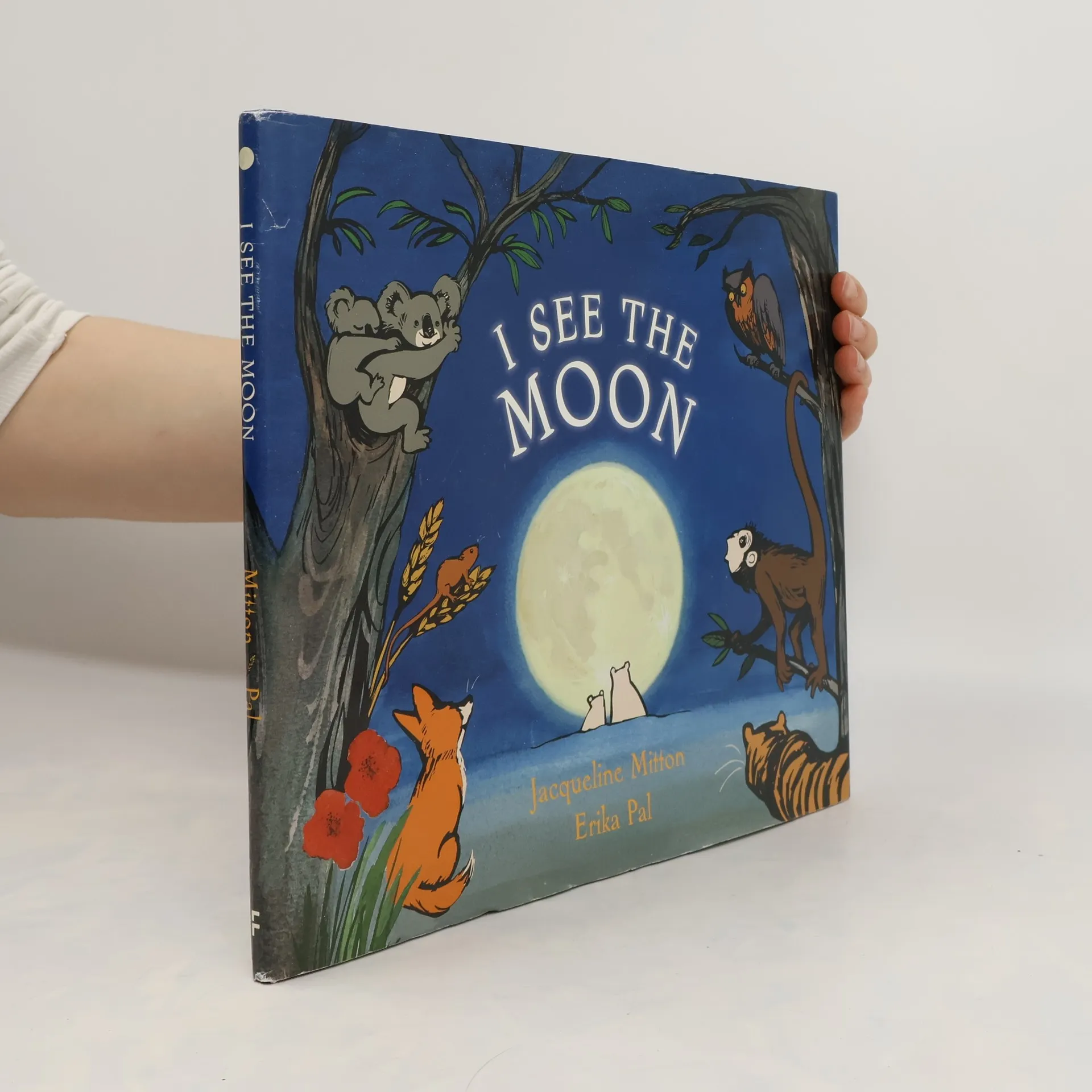
I See the Moon
- 32 Seiten
- 2 Lesestunden
What is the Moon like tonight? Will it look as round as a shiny balloon, floating way up high? Or will there be a crescent like a silver saucer low down in the sky? Come on – let’s take a peep outside. But let’s be quiet. Others might be looking too.Turn the pages to see the Moon's many enchanting phases – from a horned crescent to the plump-faced Man in the Moon, from the icy crystal ring round the Moon to a dark orange eclipse – watched by Owl, Beaver, Koala, Spider Monkey and other creatures around the globe. The final scene has a surprise in store! Brief science notes make this a perfect introduction to the night sky 0for very young readers.The book includes end notes on What is the Moon?, Phases of the Moon, Moonlight, Eclipses of the Moon, and Exploring the Moon.
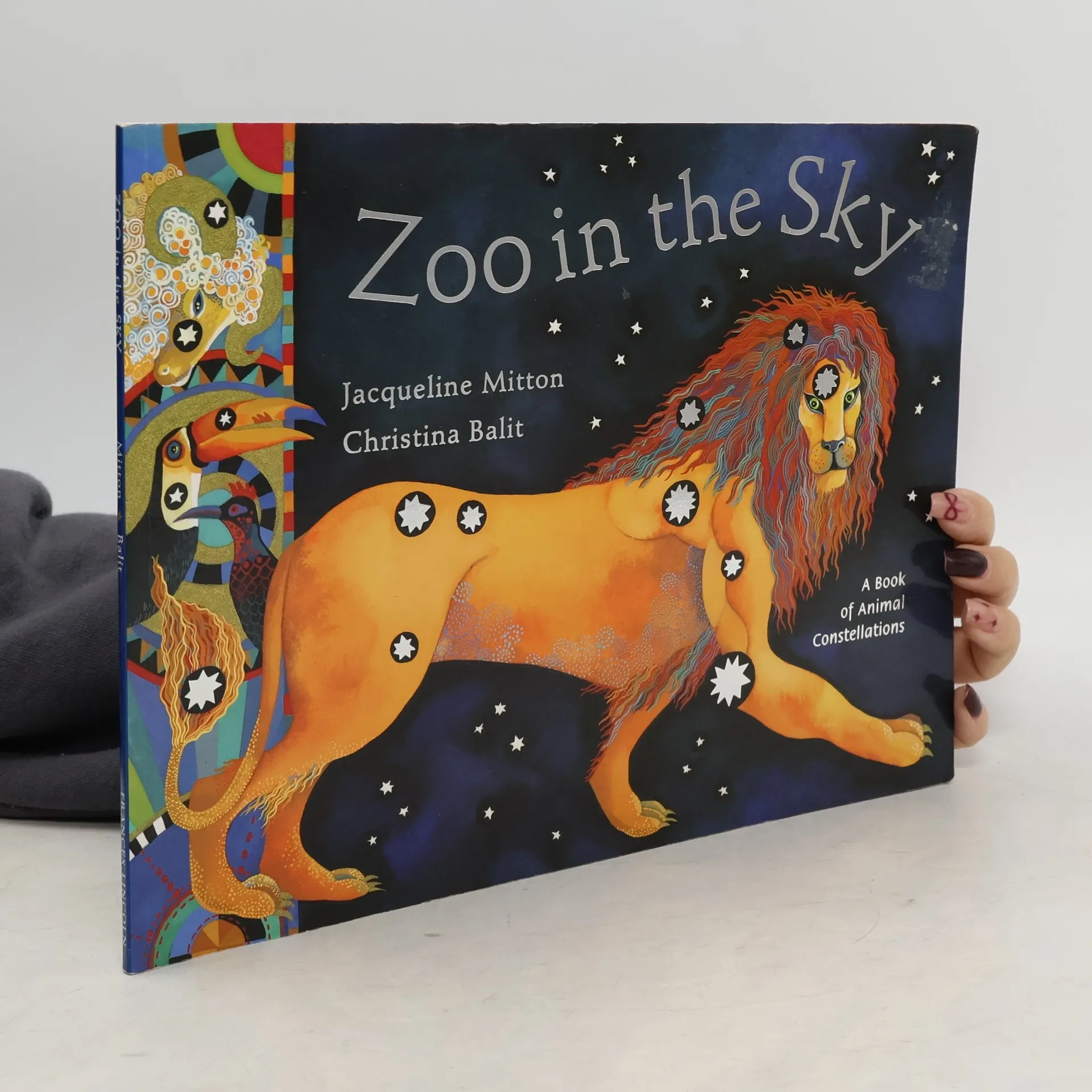
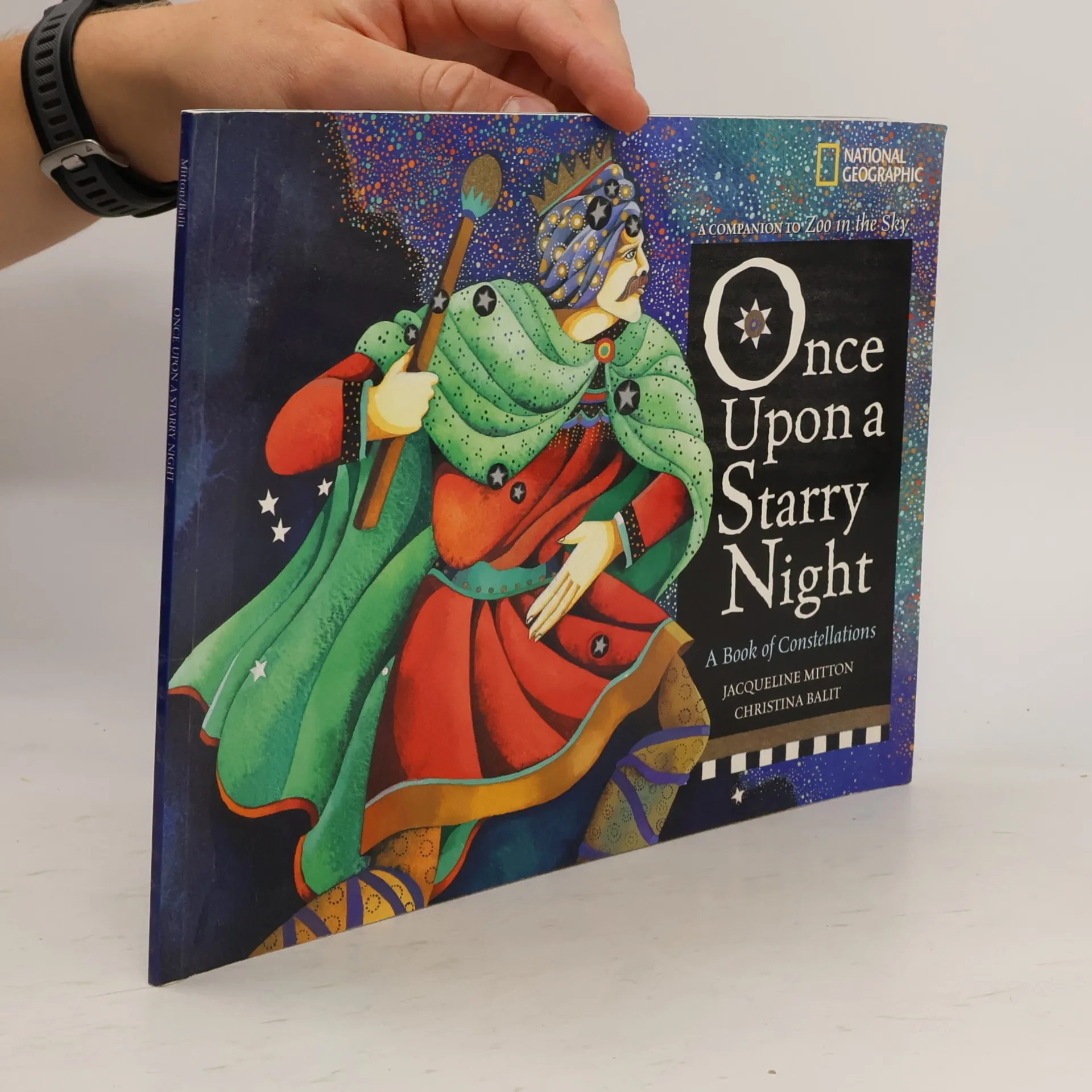
A magical book introducing the myths and facts about the animal constellations.
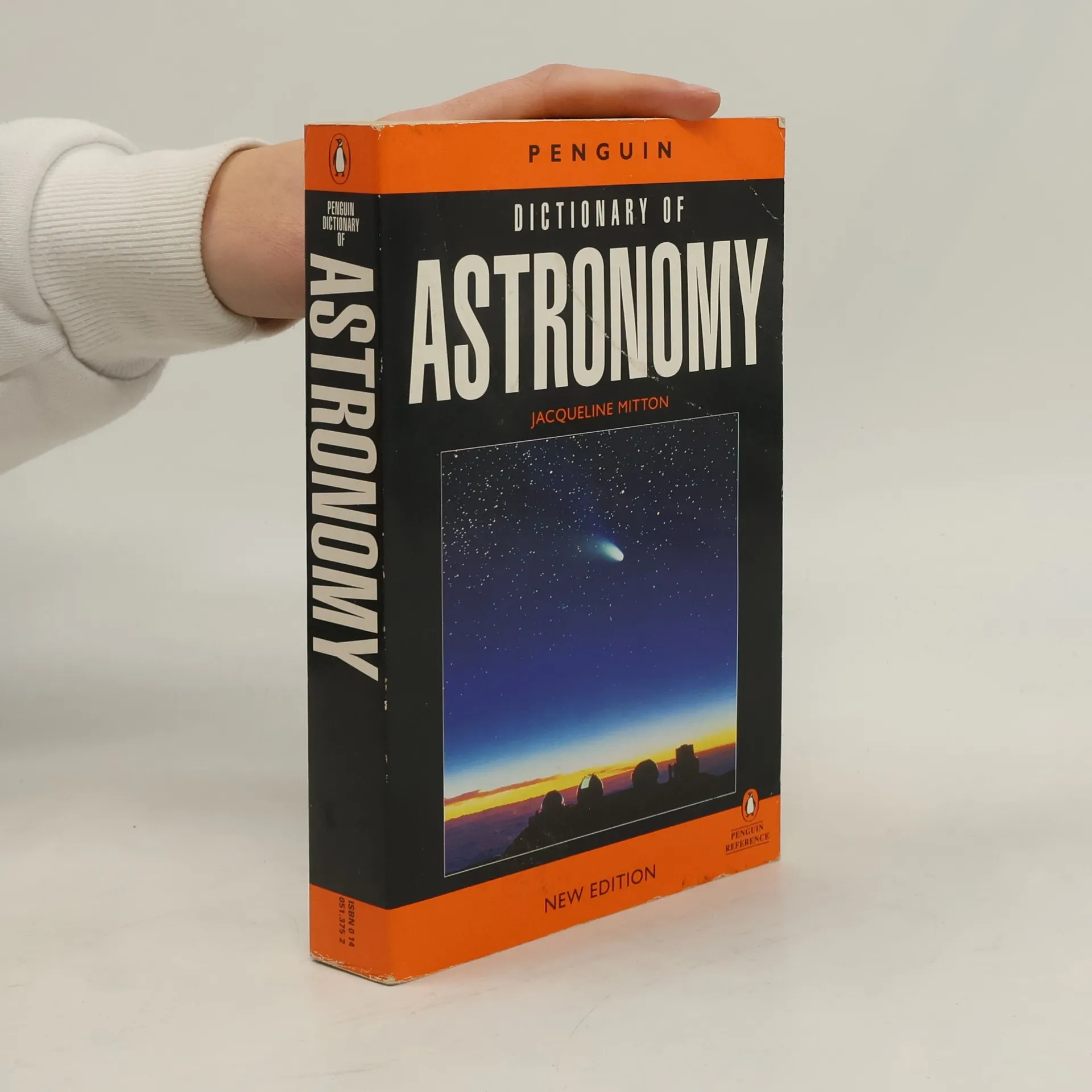
The Penguin Dictionary of Astronomy
- 431 Seiten
- 16 Lesestunden
The second edition of this classic reference work has been revised and updated to contain all the recent advances in this fast-developing field of study. Cutting through a maze of technical language, it provides: over 2,800 clear and concise entries with full cross-referencing; coverage of modern and classical astronomy; names of constellations, stars, galaxies, asteroids, comets, and nebulae; terms relating to astrophysics and cosmology; entries on telescopes and observatories; and explanation of abbreviations and acronyms; and information on space missions. Comprehensive and accessible, The Penguin Dictionary of Astronomy is the work of its kind for students and professionals.
Astronomie
- 160 Seiten
- 6 Lesestunden
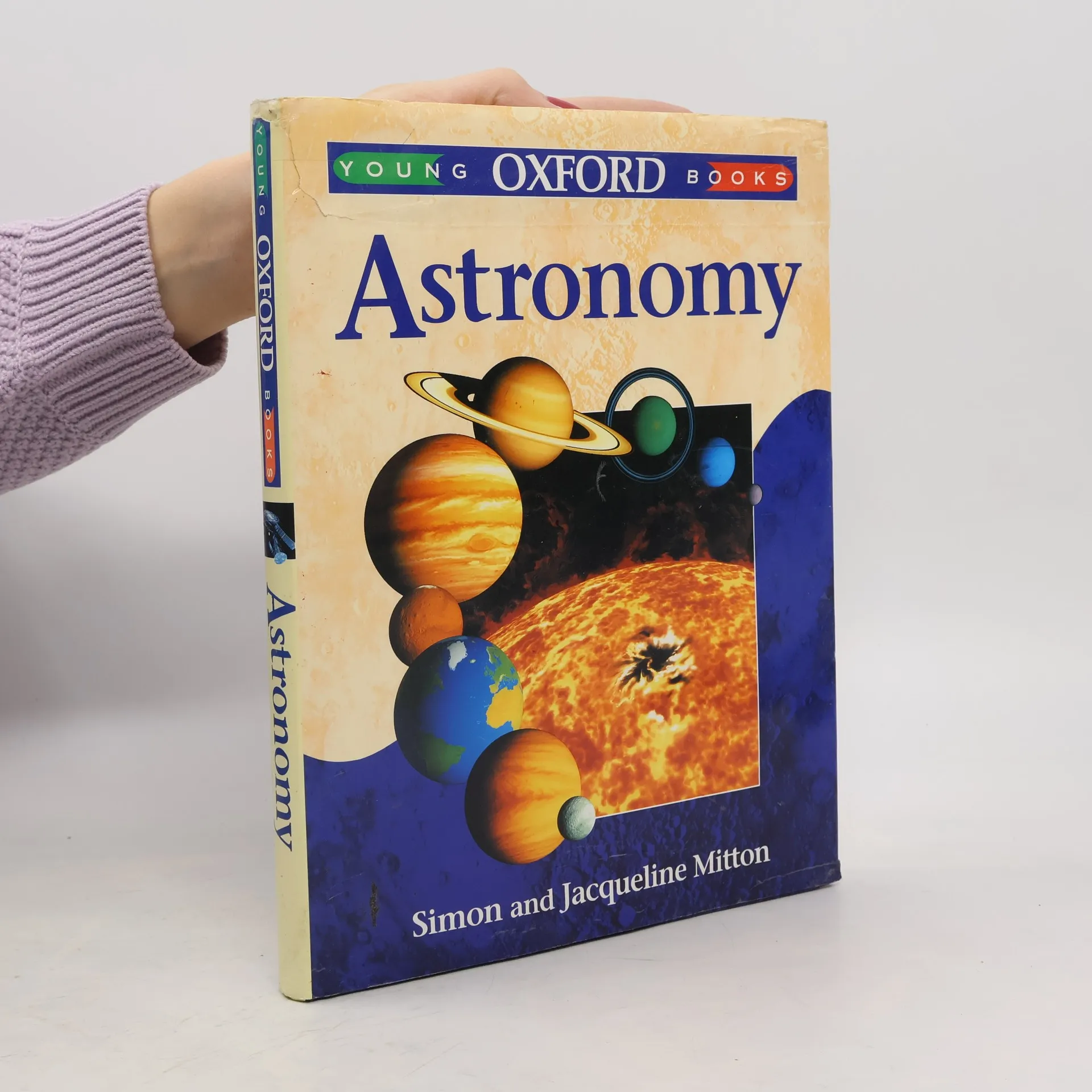
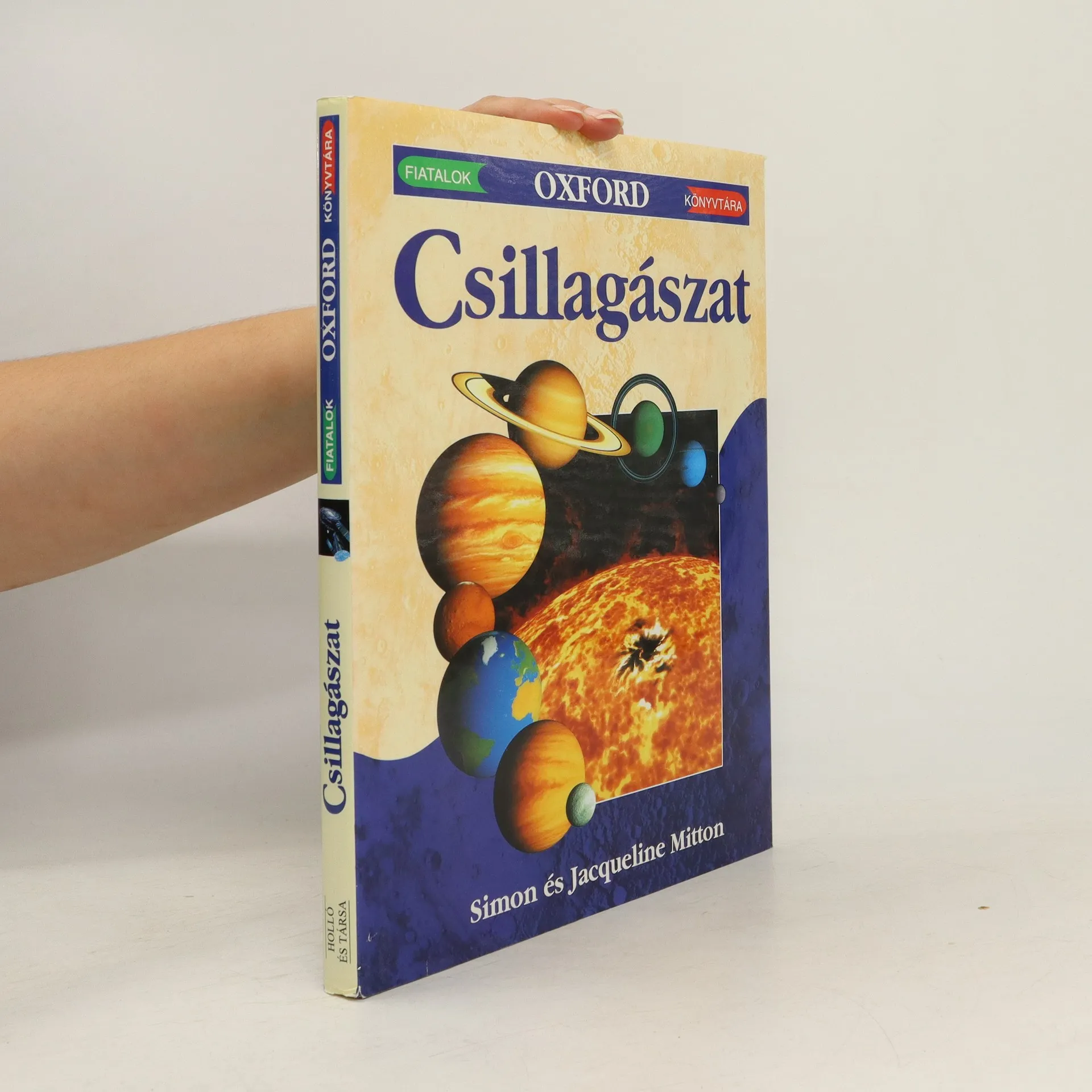
Vom Urknall zur Zukunft des Universums - eine Einführung in die faszinierende Welt der Astronomie. Für junge Leser und alle, die spannend und leicht verständlich auf den neuesten Stand der Wissenschaft gebracht werden möchten. Was sind Rote Riesen und Weiße Zwerge? Was meinen Astronomen, wenn sie von Schwarzen Löchern reden? Wo kommen Kometen her? Wie viele Galaxien gibt es im Universum? Hat dieses Universum einen Anfang und ein Ende? - Das Young Oxford Buch der Astronomie erzählt die große Geschichte des Universums, vom Werden und Vergehen von Planeten, Sternen und Galaxien. Es berichtet klar und verständlich von der Arbeit der Astronomen, von den verblüffenden Ergebnissen ihrer Forschungen und den vielen Rätseln, die ihnen das Universum immer noch aufgibt. Die Young Oxford Bücher entstehen im Verlag der Universität von Oxford. Diese Herkunft garantiert nicht nur größte fachliche Solidität; Oxford-Autoren zählen auch unbestritten zu den Besten, wenn es darum geht, komplizierte Sachverhalte einem größeren Publikum zugänglich zu machen. Dem Autorenpaar Mitton wurde für seine Verdienste auf diesem Gebiet eine besondere Ehre zuteil: Man hat einen Asteroiden nach ihnen benannt.