Mark OConnellReihenfolge der Bücher (Chronologisch)
Dieser Autor befasst sich durch seine klinische Praxis und seine Schriften mit der komplexen Landschaft der menschlichen Psyche. Seine Arbeit erforscht vielschichtige Themen wie Beziehungen und Identität, wobei oft einzigartige Lebenserfahrungen beleuchtet werden. Er übersetzt diese Erkenntnisse für ein breites Publikum, indem er sowohl in Fachzeitschriften als auch in den Massenmedien publiziert. Sein Ansatz zeichnet sich durch eine interdisziplinäre Perspektive und ein tief persönliches Engagement für zeitgenössische gesellschaftliche Anliegen aus.
1957's International Geophysical Year and the Future of Our Planet
248 Seiten
9 Lesestunden
Focusing on the pivotal events of the 1957 International Geophysical Year, Mark O'Connell explores the challenges and achievements of that era while connecting them to contemporary environmental science. Through interviews with prominent scientists, the book advocates for a new global environmental initiative, emphasizing the urgency and relevance of collective action in addressing current ecological issues.
Focusing on a notorious figure in modern Irish history, this gripping narrative blends true crime with literary flair. The author delves into the scandalous life and crimes of a murderer, offering a compelling exploration of morality and societal implications. The book stands out not only for its captivating storytelling but also for its subversive approach, challenging traditional narratives within the true crime genre.
What does it mean to write about a killer? From an award-winning author comes
a tale of a notorious double-murder, a political scandal, and a writer who
found himself entangled in this strange, true story.
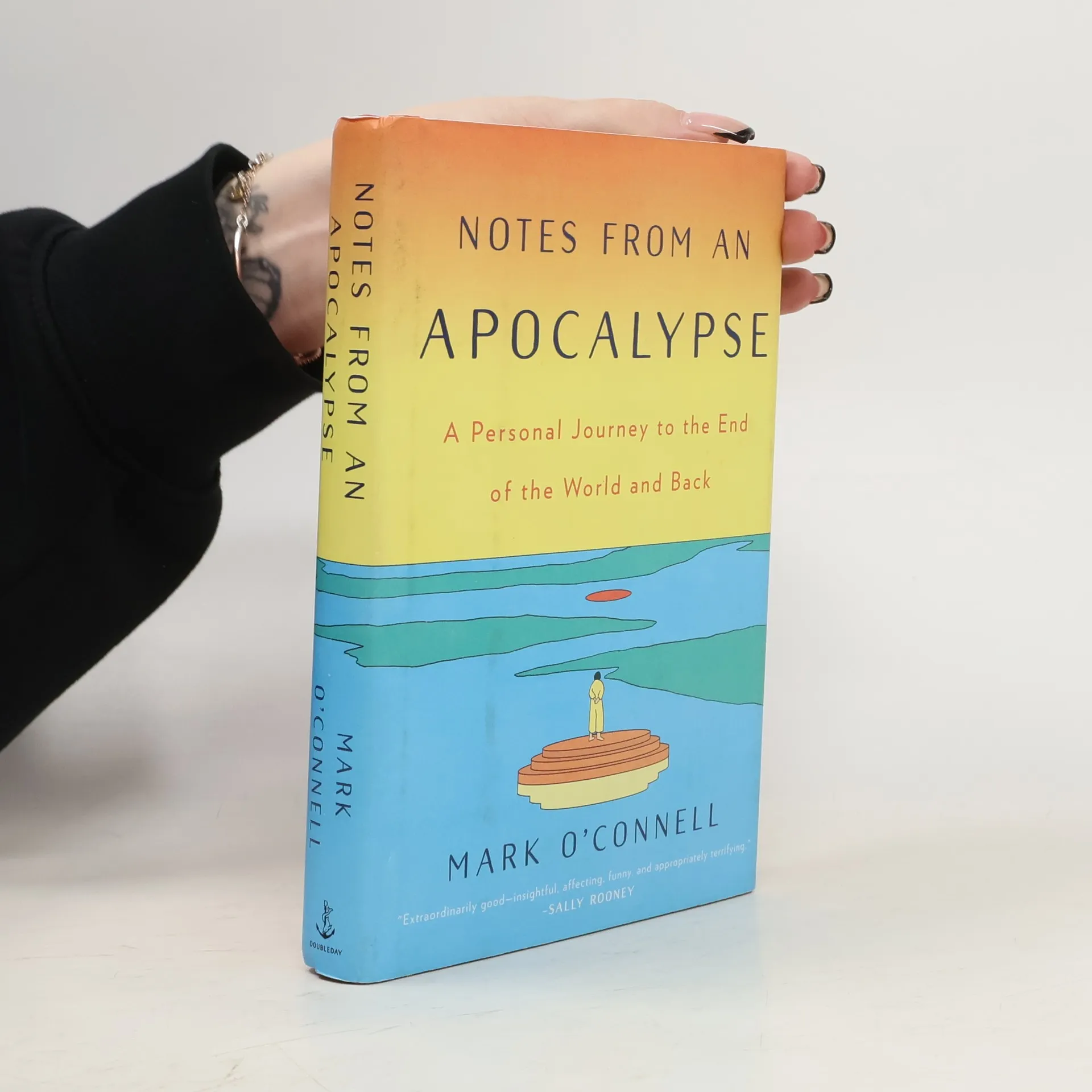
A Personal Journey to the End of the World and Back
272 Seiten
10 Lesestunden
In a time marked by anxiety and uncertainty, the author explores our worst-case scenarios, from bizarre weather patterns to crumbling alliances. Amidst these ominous signs, he grapples with profound questions about living in the shadow of a grim future and the implications of bringing children into such a world. As a father of two, these concerns resonate deeply with him. His journey takes him around the globe, visiting survival bunkers in South Dakota and New Zealand—an escape for billionaires anticipating civilization's collapse. He interacts with individuals preparing for various apocalyptic scenarios, including Mars colonists and conspiracy theorists, while also reflecting on places like Chernobyl, where the future has already unfolded. Through these experiences, he seeks answers and ultimately finds a resolution. This investigation is both personal and universal, offering a humorous yet hopeful perspective on contemporary anxieties. With insight and wit, the author challenges readers to reconsider the notion of an impending apocalypse, suggesting that perhaps the end of the world isn’t as definitive as it seems.
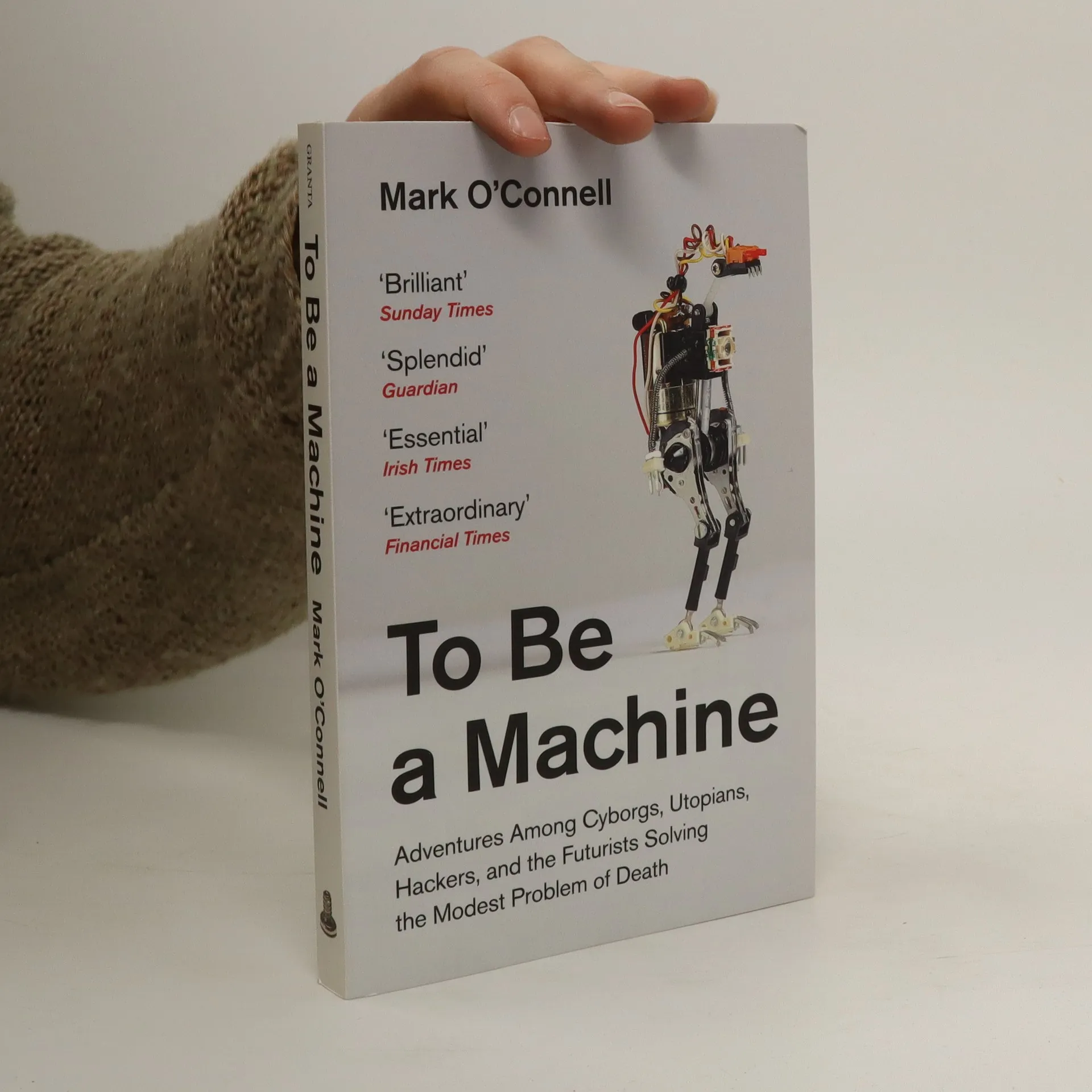
Putování mezi kyborgy, utopisty, hackery a futuristy, kteří řeší skromný problém lidské smrtelnosti.
„Všechny příběhy začínají od našeho konce: vymýšlíme si je, protože umíráme. Už od prvního okamžiku, kdy jsme příběhy začali vyprávět, do nich vplétáme touhu uniknout ze svých lidských těl a stát se něčím lepším než zvířaty (jimiž jsme).“
Lidstvo vždy fascinovala představa nesmrtelnosti a asi nikdy ho fascinovat nepřestane. Už několik tisíc let starý bájný Epos o Gilgamešovi zmiňuje touhu nalézt recept na věčný život a tato touha přetrvává dodnes.
Mezi nejznámějšími miliardáři, špičkovými programátory nebo univerzitními profesory jsou ale tací, kteří od úvah přecházejí k činům. Nazývají se transhumanisty. Experimentují na vlastních tělech, mnohdy se snaží získat vlastnosti strojů, ale přitom si zachovat lidství.
Spisovatel Mark O’Connell se vydává na strhující pouť napříč jejich laboratořemi, konferencemi nebo jen sklepy zasvěcených fanoušků a skeptickýma očima prozkoumává futuristické oblasti vědy, o kterých většina z nás nemá ani tušení.
Přispěvatel prestižních časopisů The New Yorker nebo The New York Times Magazine Mark O’Connell napsal už několik knih, ve kterých se věnuje technologiím. Žádná z nich ovšem nezaznamenala tak obrovský úspěch jako kniha Být tak strojem, nominovaná na několik prestižních světových cen (vítěz Wellcome Book Prize 2018) a přeložená do více než 10 jazyků.
Mark O'Connell presents us with an exploration of transhumanism: its philosophical and scientific roots, its key players and possible futures. From charismatic techies seeking to enhance the body to immortalists who believe in the possibility of 'solving' death; from computer programmers quietly re-designing the world to vast competitive robotics conventions. O'Connell paints a vivid portrait of an international movement driven by strange and frequently disturbing ideas and practices, but whose obsession with transcending human limitations can be seen as a kind of cultural microcosm, a radical intensification of our broader faith in the power of technology as an engine of human progress.
Von Ikarus bis zu da Vincis mechanischem Ritter – seit jeher träumt der Mensch davon, seine natürlichen Grenzen zu überwinden. Doch erst im 21. Jahrhundert arbeiten Utopisten daran, Mensch und Maschine tatsächlich zu verschmelzen. Mark O’Connell nimmt uns mit zur dunklen Seite des Silicon Valley – wo die Technik zur Religion geworden und alles einem einzigen Ziel untergeordnet ist: den Tod zu besiegen. In einer großen Reportage lässt O’Connell eine Welt entstehen, die einem Science-Fiction-Film zu entstammen scheint: eine Welt, in der Köpfe in Lagerhallen darauf warten, zum Leben erweckt zu werden, Menschen zu Cyborgs geworden sind und Tech-Milliardäre fieberhaft daran arbeiten, unsterblich zu werden.
Zamysleli jste se někdy nad tím, proč nám červená barva připomíná oheň nebo nebezpečí? Zastavili jste se někdy před neznámými dveřmi a říkali si, že nejspíš vedou do tajemného domu nebo zahrady? A divili jste se jako děti, proč jsou v pohádkách vždycky tři princezny nebo tři úkoly? Na tyto a podobné otázky vám nabídne odpověď naše kniha.
This comprehensive and beautiful new book describes, discusses and illustrates thousands of fascinating visual elements, and assesses their position in language, art, literature, mythology, magic, religion and psychology.