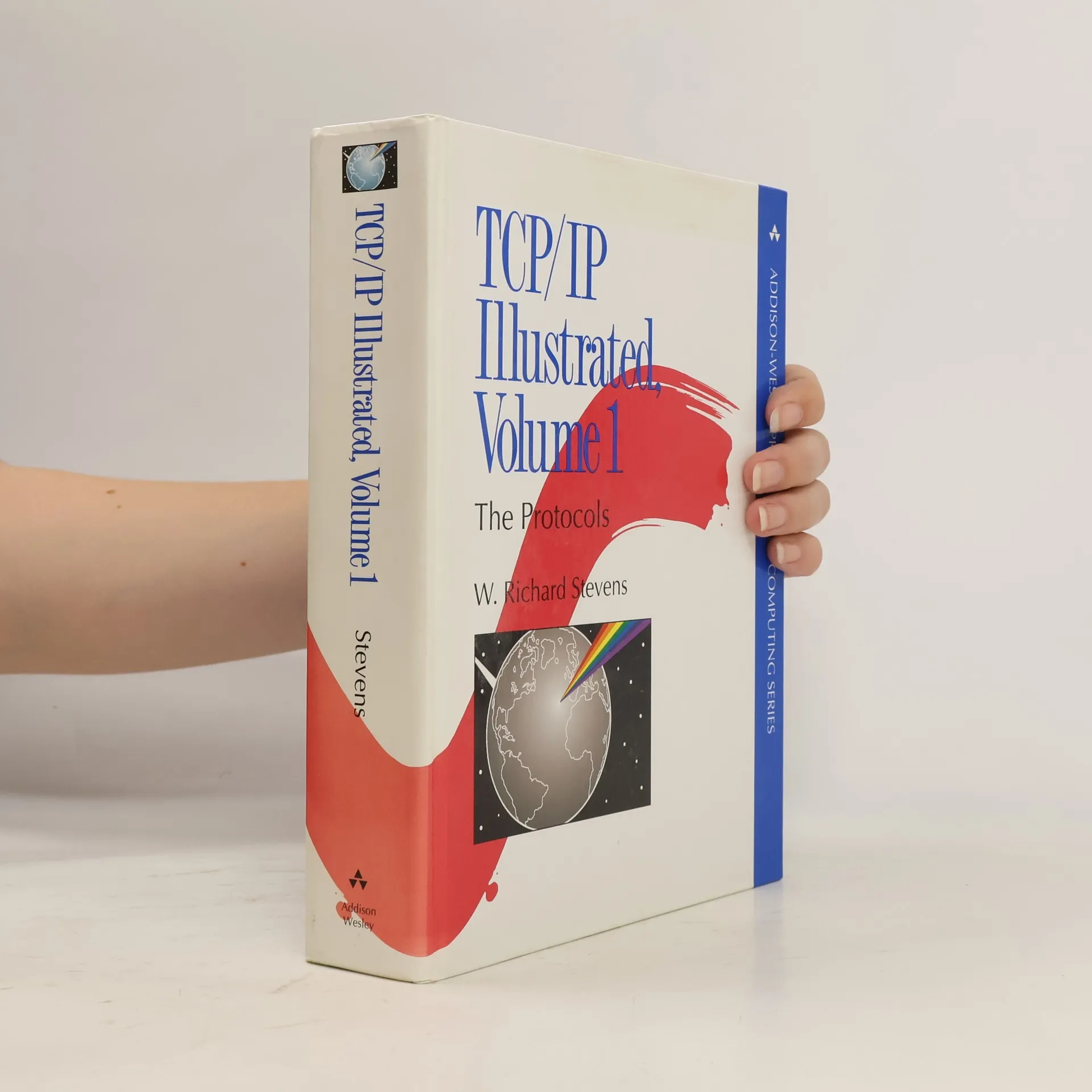
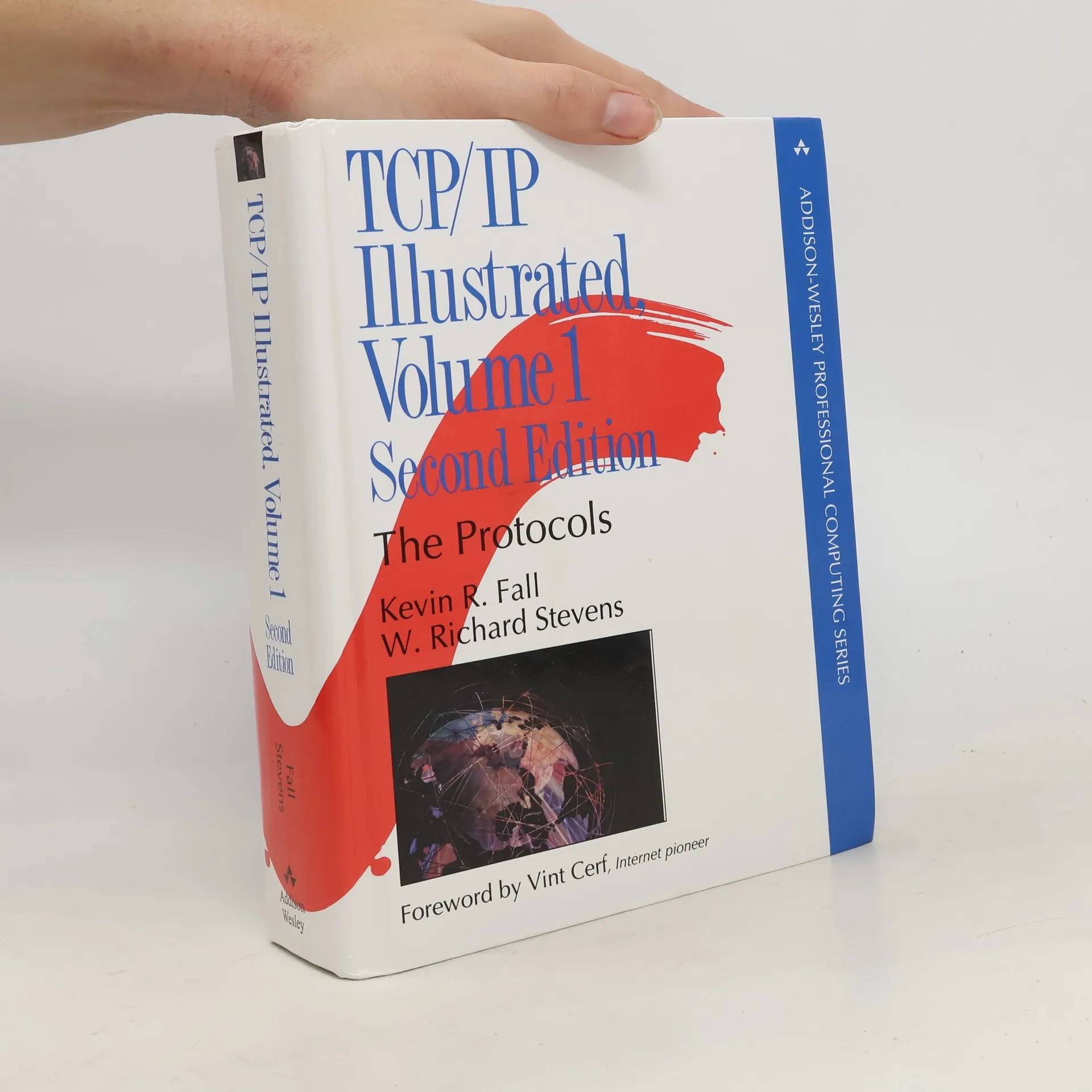
TCP/IP Illustrated, Volume 1, Second Edition, is a detailed and visual guide to today?s TCP/IP protocol suite. Fully updated for the newest innovations, it demonstrates each protocol in action through realistic examples from modern Linux, Windows, and Mac OS environments. There?s no better way to discover why TCP/IP works as it does, how it reacts to common conditions, and how to apply it in your own applications and networks. Building on the late W. Richard Stevens? classic first edition, author Kevin R. Fall adds his cutting-edge experience as a leader in TCP/IP protocol research, updating the book to fully reflect the latest protocols and best practices. He first introduces TCP/IP?s core goals and architectural concepts, showing how they can robustly connect diverse networks and support multiple services running concurrently.
W. Richard Stevens Reihenfolge der Bücher (Chronologisch)
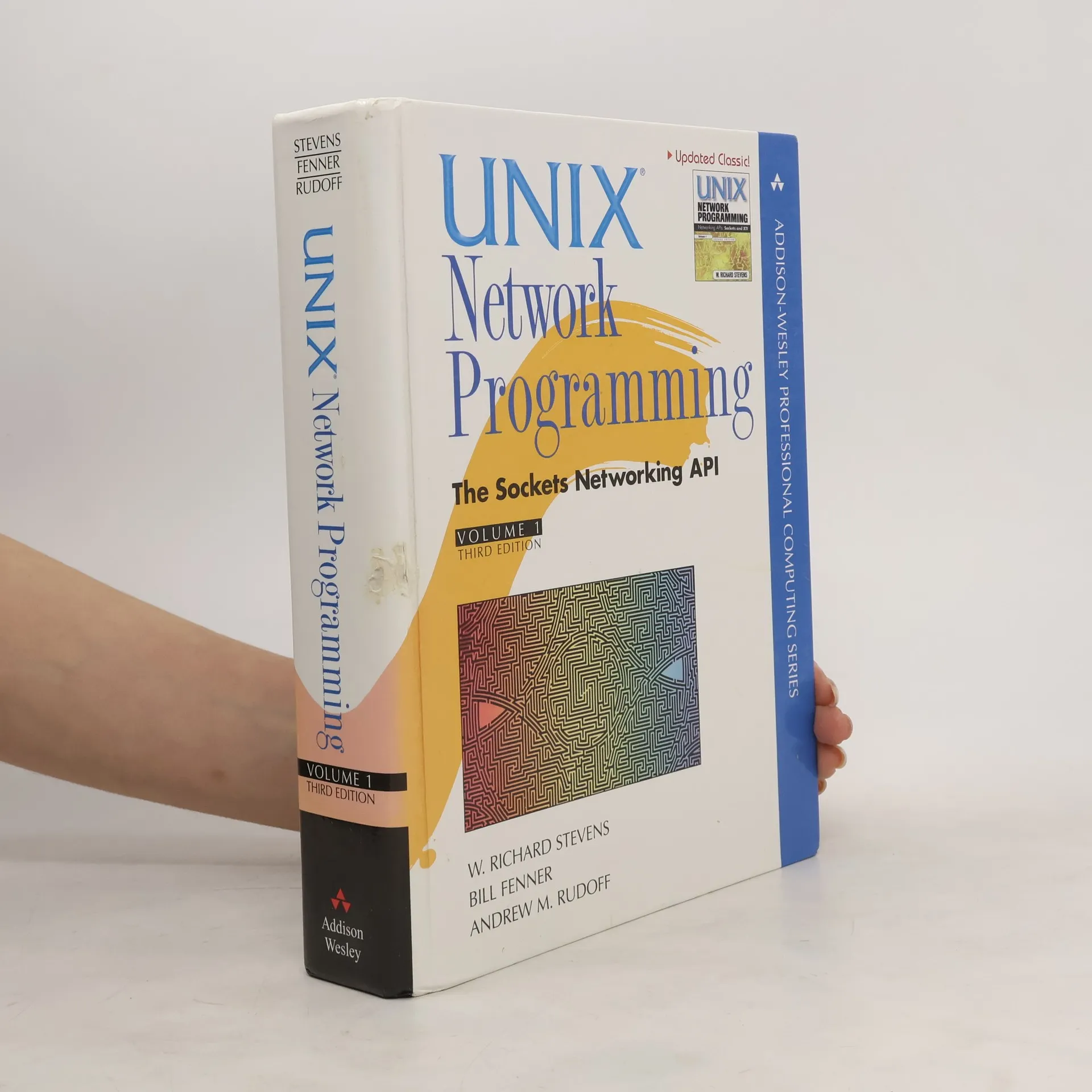
UNIX network programming. Volume 1, The sockets networking API
- 1024 Seiten
- 36 Lesestunden
This is THE guide to UNIX network programming APIs. Whether you write Web servers, client/server applications, or any other network software, you need to understand networking APIS-especially sockets in greater detail than ever before. You need UNIX Network Programming, Volume 1, Third Edition. In this book, the Authors offer unprecedented, start-to-finish guidance on making the most of sockets, the de facto standard for UNIX network programming with APIs - as well as extensive coverage of the X/Open Transport Interface (XTI).
TCP-IP
- 696 Seiten
- 25 Lesestunden
Presents a comprehensive guide to every form of IPC, including message passing, synchronization, shared memory, & Remote Procedure Calls (RPC). Text contains extensive new source code - all carefully optimized & available on the Web. Unix (Computer file).
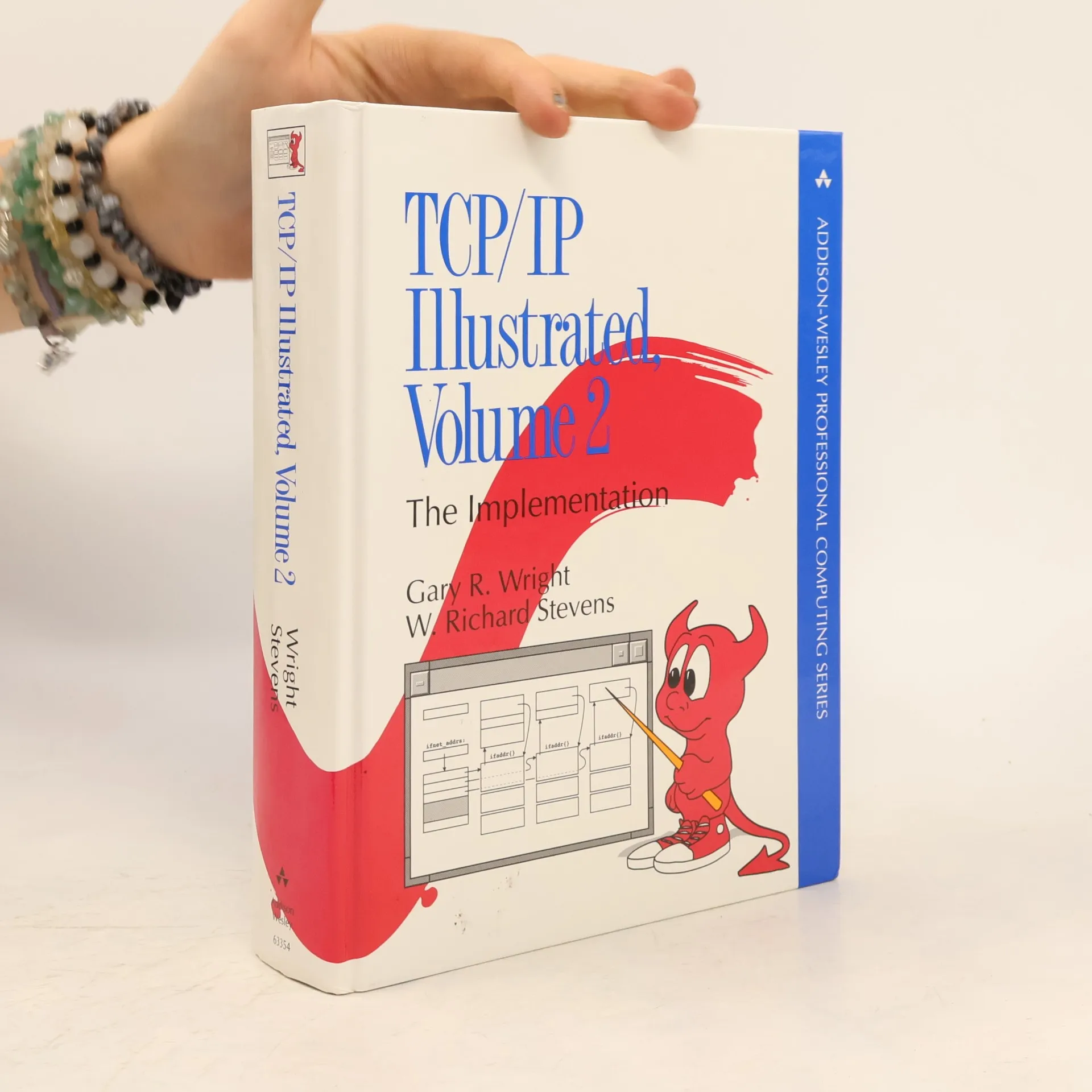
TCP/IP Illustrated , an ongoing series covering the many facets of TCP/IP, brings a highly-effective visual approach to learning about this networking protocol suite. TCP/IP Illustrated, Volume 2 contains a thorough explanation of how TCP/IP protocols are implemented. There isn't a more practical or up-to-date bookothis volume is the only one to cover the de facto standard implementation from the 4.4BSD-Lite release, the foundation for TCP/IP implementations run daily on hundreds of thousands of systems worldwide. Combining 500 illustrations with 15,000 lines of real, working code, TCP/IP Illustrated, Volume 2 uses a teach-by-example approach to help you master TCP/IP implementation. You will learn about such topics as the relationship between the sockets API and the protocol suite, and the differences between a host implementation and a router. In addition, the book covers the newest features of the 4.4BSD-Lite release, including multicasting, long fat pipe support, window scale, timestamp options, and protection against wrapped sequence numbers, and many other topics. Comprehensive in scope, based on a working standard, and thoroughly illustrated, this book is an indispensable resource for anyone working with TCP/IP.
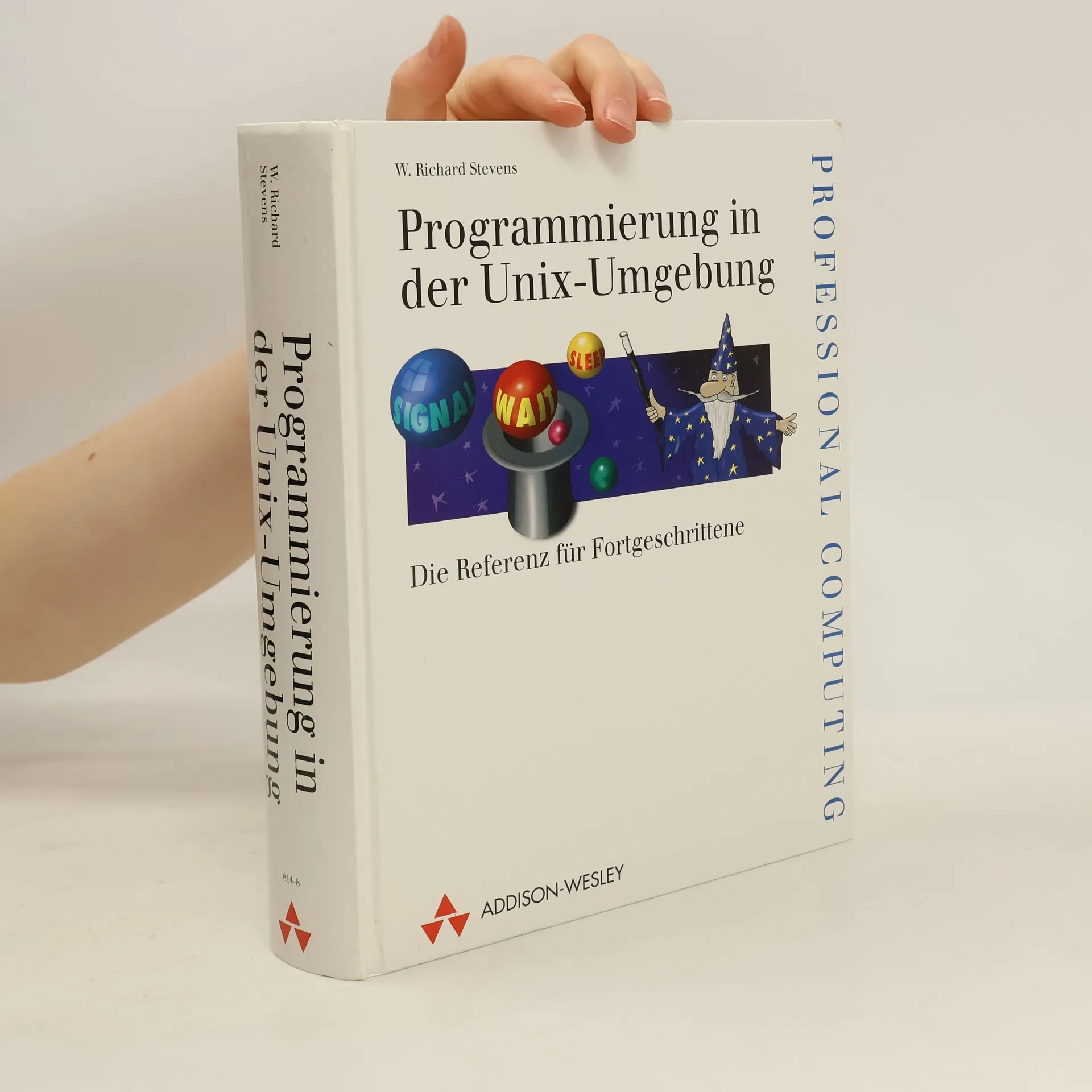
Programmierung in der UNIX-Umgebung
- 804 Seiten
- 29 Lesestunden
Bietet ein Tutorial zur Systemaufrufschnittstelle und den wichtigen Funktionen der ANSI C-Bibliothek. Der Autor beschreibt mehr als 200 Systemaufrufe und Funktionen. Er bietet Beispiele, die zeigen, wie man eine Datenbankbibliothek, einen PostScript-Druckertreiber, einen Modemwähler und ein Programm erstellt, das andere Programme unter einem Pseudo-Terminal ausführt.
Finally, programmers that need to truly understand the TCP/IP protocol suite have a resource to turn to, TCP/IP Illustrated. Instead of merely describing the RFC's, bestselling author Rich Stevens takes an innovative "visual" approach which, combined with his writing style, results in an accessible "understandable" guide to TCP/IP.