
Gratis Versand in ganz Österreich
Bookbot

Genna Sosonko

    Genna Sosonko
    Tal a další eseje
    Evil-Doer: Half a Century with Viktor Korchnoi
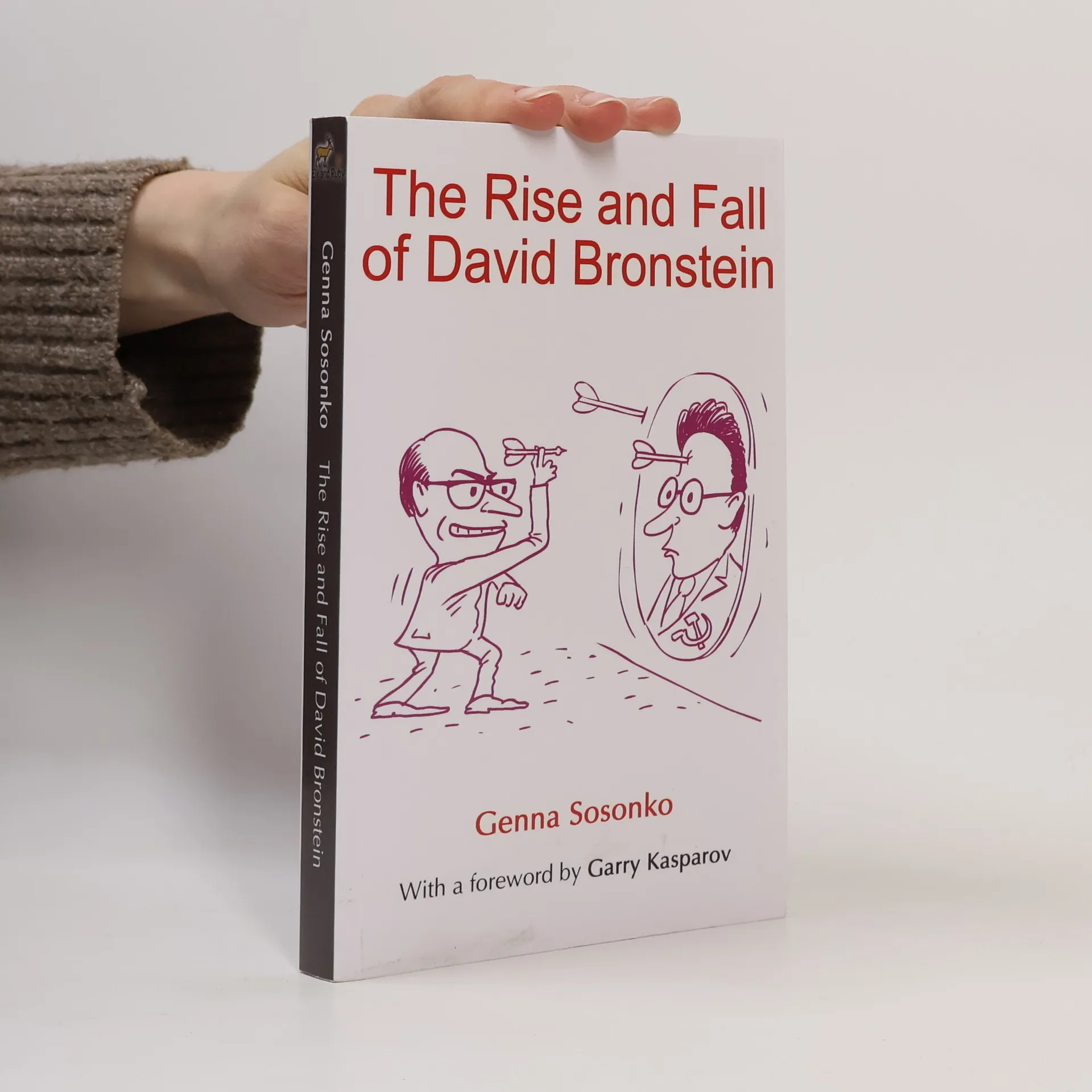
    The Rise and Fall of David Bronstein
    The Essential Sosonko
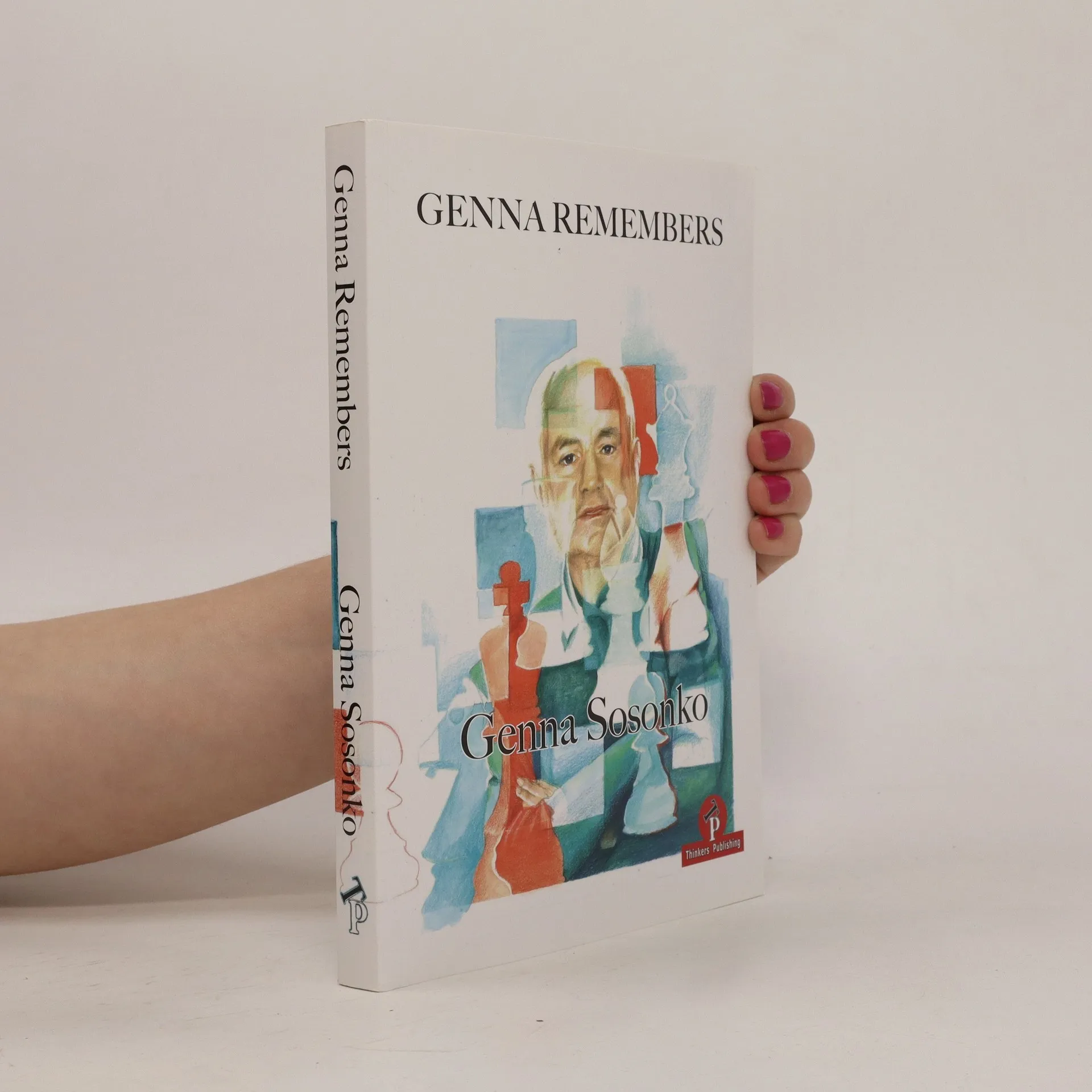
    Genna Remembers
    Smyslov on the Couch
    • In his third full-length memoir about one of the world’s greatest ever chess players Genna Sosonko portrays a warm picture of the seventh world champion Vasily Smyslov, with whom he spent considerable time over the board, during tournaments and while meeting at each other’s homes. Smyslov the man was far more balanced and spiritual than most of his contemporaries, capable of a relaxed and yet principled approach to life. Unlike most top players he was able to reach a very high standard in his chosen hobby – in his case, classical singing – even while playing chess at the very top. His natural inclination to see the best in people was, however, challenged as the world around him underwent fundamental changes late in his life. The new freedoms of the post-Soviet era also engendered one of the most extraordinary polemics in chess history – David Bronstein’s article ‘Thrown’ Games in Zurich (2001) – bringing accusations against Smyslov that forced him to defend himself at the age of eighty, by which time many witnesses to the events in Zurich were already deceased. In this book, Genna focuses in particular on that polemic, places it in the wider context of the so-called Soviet Chess School, and asks whether Bronstein’s hurt and accusations were justified.
      Smyslov on the Couch
    • Genna Remembers

      • 258 Seiten
      • 10 Lesestunden
      4,5(4)Abgeben

      Half a century ago I left a country, the red color of which dominated a large portion of the world map. One way or another, the fate of almost every single person described in this book is forever linked with that now none-existent empire. Many of them ended up beyond its borders too. Cultures and traditions, and certainly not least of all a Soviet mentality, couldn’t have just left them without a trace. Having been transplanted into a different environment, they had to play the role of themselves apart from certain corrections with regard to the tastes and customs of a new society. Nevertheless, every one of them, both those who left the Soviet Union, and those who stayed behind, were forever linked by one common united they all belonged to the Soviet school of chess. This school of chess was born in the 20’s, but only began to count its true years starting in 1945, when the representatives of the Soviet Union dominated an American squad in a team match. Led by Mikhail Botvinnik, Soviet Grandmasters conquered and ruled the world, save for a short Fischer period, over the course of that same half century. In chess as well as ballet, or music, the word “Soviet” was actually a synonym for the highest quality interpretation of the discipline. The Soviet Union provided unheard of conditions for their players, which were the sort of which their colleagues in the West dare not even dream. Grandmasters and even Masters received a regular salary just for their professional qualifications, thereby raising the prestige of a chess player to what were unbelievable heights. It was a time when any finish in an international tournament, aside from first, was almost considered a failure when it came to Soviet players, and upon their return to Moscow they had to write an official explanation to the Chess Federation or the Sports Committee. The isolation of the country, separated from the rest of the world by an Iron Curtain, was another reason why, talent and energy often manifested themselves in relatively neutral fields. Still if with music, cinematography, philosophy, or history, the Soviet people were raised on a strict diet, that contained multiple restrictions, this did not apply to chess. Grandmasters, and Masters, all varied in terms of their upbringing, education, and mentality and were judged solely on their talent and mastery at the end of the day. Maybe that’s why the Soviet school of chess was full of such improbable variety not only in terms of the style of play of its representatives, but also their different personality types. Built was a gigantic chess pyramid, at the base of which were school championships, which were closely followed by district ones. Later city championships, regions, republics, and finally-the ultimate cherry on top-the national event itself. The Championships of the Soviet Union were in no way inferior to the strongest international tournaments, and collections of the games played there came out as separate publications in the West. That huge brotherhood of chess contained its very own hierarchy within. Among the millions, and multitudes of parishioners-fans of the game-there were the priests-candidate masters. Highly respected were the cardinals-masters. As for Grandmasters though well…they were true Gods. Every person in the USSR knew their names, and those names sounded with just as much adoration, and admiration as those of the nation’s other darlings-the country’s best hockey players. In those days the coming of the American genius only served to strengthen the interest and attention of society towards chess, never mind the fact that by that point it had already been fully saturated by it. The presence of tons of spectators at a chess tournament in Moscow as shown in the series “The Queen’s Gambit” is in no way an exaggeration. That there truly was the golden age of chess. Under the constant eye, and control of the government, chess in the USSR was closely interwoven with politics, much like everything else in that vanished country. Concurrently, the closed, and isolated society in which it was born only served to enable its development, creating its very own type of culture-the giant world of Soviet chess. I was never indifferent to the past. Today, when there is that much more of it then the future, this feeling has become all the sharper. The faster the twentieth century sprints away from us, and the thicker the grass of forgetting grows, soon enough, and under the verified power of the most powerful engines that world of chess will be gone as well. It was an intriguing, and colorful world, and I saw it as my duty to not let it disappear into that empty abyss. Genna Sosonko - May 2021

      Genna Remembers
    • The Essential Sosonko

      Collected Portraits and Tales of a Bygone Chess Era

      • 840 Seiten
      • 30 Lesestunden

      The book offers a unique insider's perspective on the intertwining of chess and ideology during the Cold War in the Soviet Union. Genna Sosonko reflects on his experiences with legendary players like Mikhail Tal and Viktor Korchnoi, capturing the nostalgia of his youth while providing critical insights into how chess became a symbol of socialist excellence. His narrative reveals the personal and political dimensions of the game, highlighting the significance of chess in Soviet culture and its role as an ideological weapon.

      The Essential Sosonko
    • The Rise and Fall of David Bronstein

      • 272 Seiten
      • 10 Lesestunden

      First published in Russian in 2014 and written by Genna Sosonko - widely recognized as the number one writer on the history of Soviet chess - this is a truly unique book about the life and destiny of the great chess player David Bronstein (1924-2006). Emerging from a challenging background - he narrowly escaped the holocaust in WWII, during which he starved, and his father spent seven years in a gulag - Bronstein faced Botvinnik in the world championship match in 1951 and nearly defeated him. But this 'nearly' inflicted a wound on David so deep that it would not heal for the rest of his life. Sosonko knew Bronstein well. Their conversations - many of which have made it into this book - not only portray the thoughts and character of one of history's most original grandmasters but also take us back to a time unlike any other in world history. This is not a biography in the traditional sense of the word. Rather, Sosonko's fascinating book asks eternal questions which don't have neat and simple answers. With a foreword to the English edition by Garry Kasparov.

      The Rise and Fall of David Bronstein
    • Viktor Korchnoi was one of the leading grandmasters of the 20th century, coming within one game of winning the world championship in 1978. His battles with Karpov for the world crown were among the most important chess matches ever played. A man with a unique - and in many ways tragic - life and career, Korchnoi's defection to the West in 1976 was a major event in Cold War politics. Grandmaster Genna Sosonko was Korchnoi's coach and second during tournaments and candidates matches in 1970-71 and then a close friend of Korchnoi for decades. Indeed, Sosonko's emigration to the West in 1972, which is described in detail in this memoir, had a key impact on Korchnoi's decision to defect four years later. They would meet up at tournaments and at home and discuss chess, politics, and just about everything else. Their conversations constitute an important part of this book, in which Sosonko tackles difficult questions about Korchnoi's personality and places much of his often challenging behavior into its historical context. This book, like Sosonko's previous masterpiece The Rise and Fall of David Bronstein, contains no games but focuses on Korchnoi's life, from his early childhood to his final years. Further, it includes many previously unpublished photos from the private collections of Sosonko and the Korchnoi family.

      Evil-Doer: Half a Century with Viktor Korchnoi
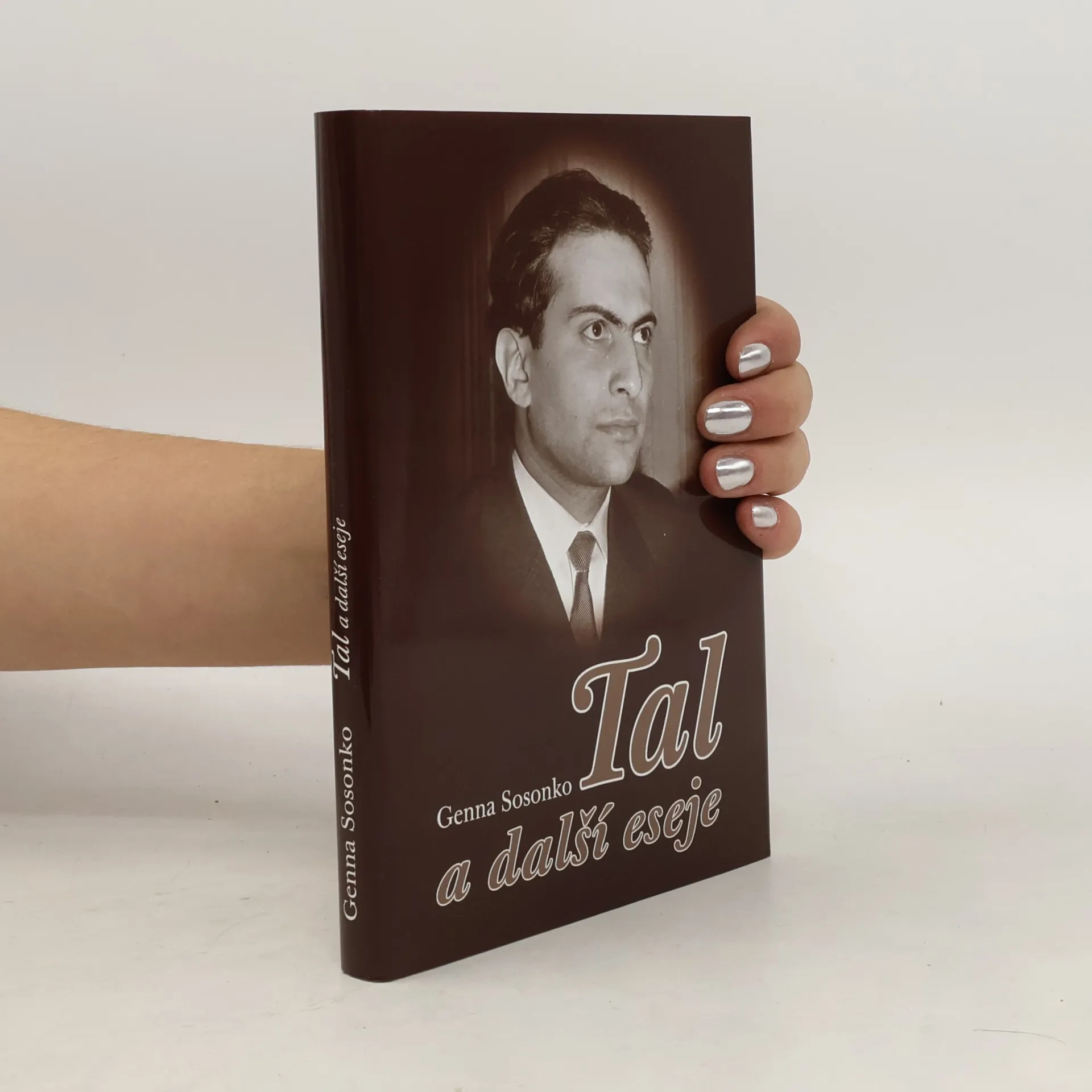
    • Sosonkova kniha obsahuje výběr toho nejlepšího z jeho bohaté tvorby, převážně však eseje o nejlepších šachistech světa.

      Tal a další eseje
    • Znal jsem Capablanku...

      • 214 Seiten
      • 8 Lesestunden
      4,3(7)Abgeben

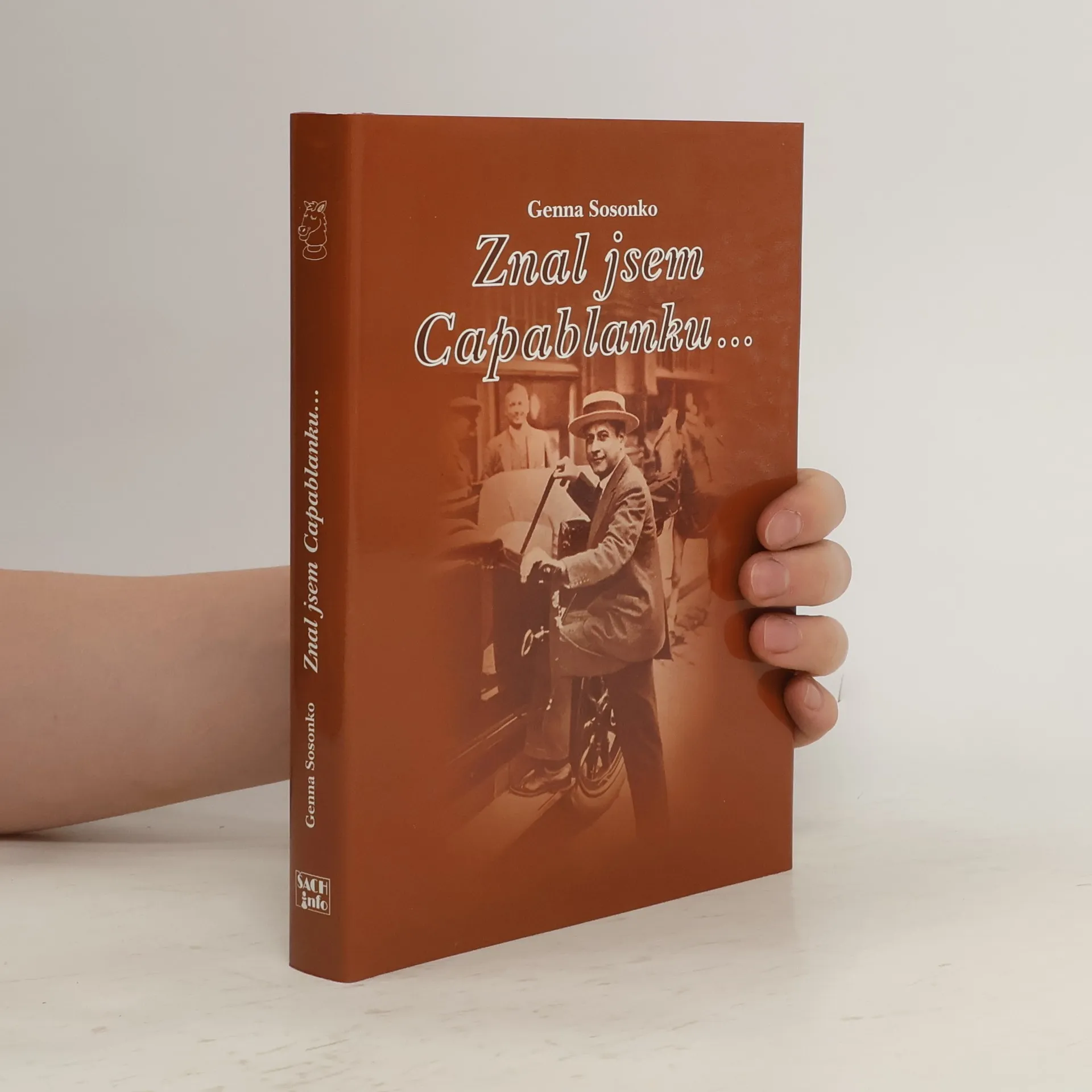
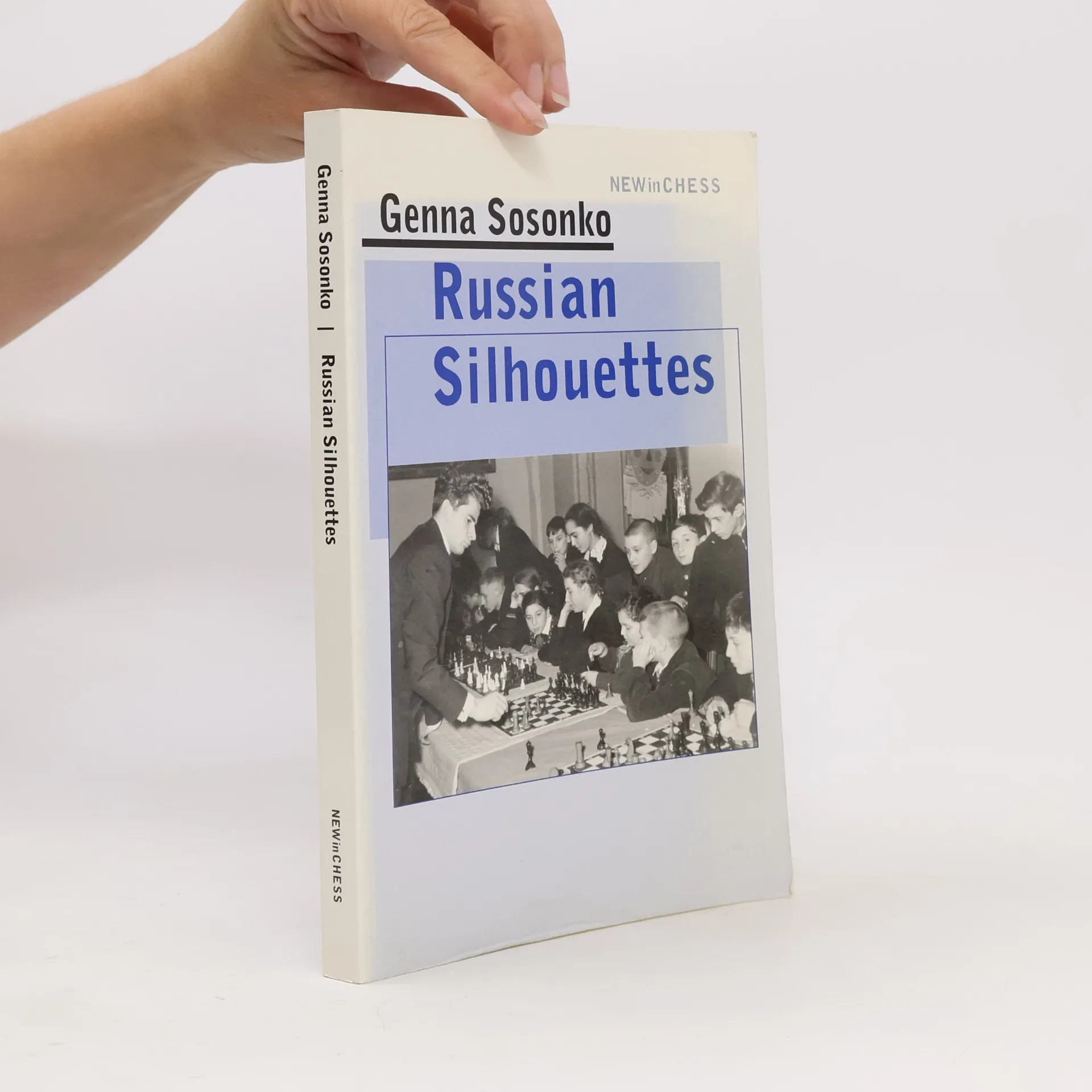
      Vzpomínková kniha současného nizozemského velmistra Genny Sosonka líčí svět šachových hráčů, jakými byli Tal, Botvinnik, Smyslov, Geller, Lasker a další. Autor citlivě zaznamenává osobní přátelství a zážitky, atmosféru turnajů i okamžiky plné emocí. Jako pozdější emigrant popisuje neoddělitelnost sovětského šachu od politiky a ukazuje, jaký vliv měla uzavřenost společnosti na rozvoj sovětského šachu. Součástí knihy je kapitola, která vznikla na základě zaznamenaného setkání s vdovou po kubánském velmistru Capablankovi.... celý text

      Znal jsem Capablanku...
    • Nejen o Salo Flohrovi

      • 206 Seiten
      • 8 Lesestunden
      4,0(1)Abgeben

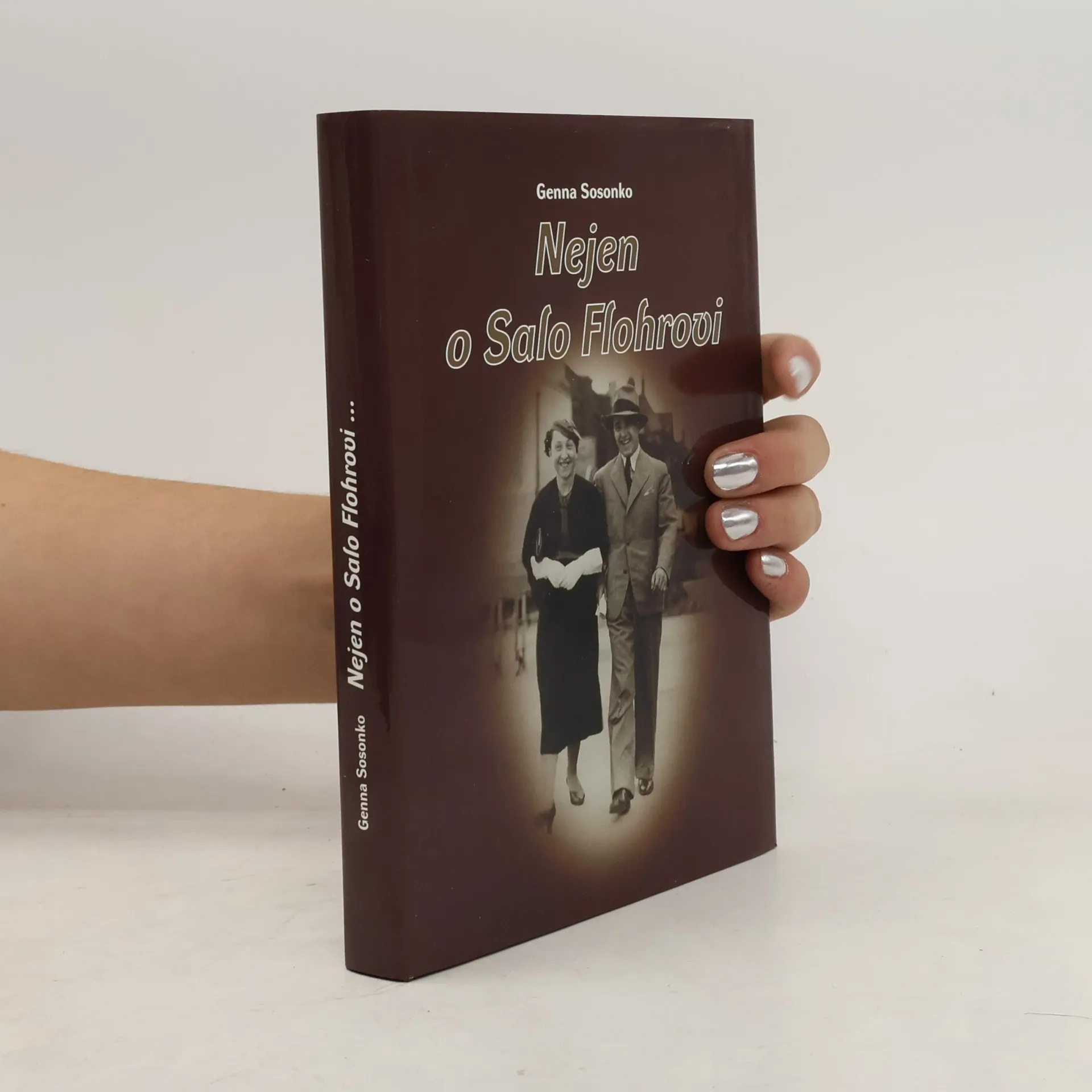
      Kniha vypráví o šachových velikánech: Salo Flohrovi, Maxovi Euwem, Baturinském, Bagirovovi, Gufeldovi, Korčném, Lutikovi, Milesovi, Timmanovi a Vaganjanovi.

      Nejen o Salo Flohrovi