Der Kaiser von Amerika
- 156 Seiten
- 6 Lesestunden
Bishop, G.W.: Ein Spaziergang und ein Gespräch mit Bernard Shaw.


George Bernard Shaw war ein irischer Dramatiker und Sozialist, dessen Stücke meisterhaft Komödie mit gesellschaftlicher Kritik verbinden. Er befasste sich mit drängenden Problemen seiner Zeit wie Bildung, Ehe, Religion und Klassenungerechtigkeit, wobei jedes seiner umfangreichen dramatischen Werke diese Themen mit unerschrockenem Witz und Scharfsinn untersuchte. Als glühender Sozialist und Redner setzte sich Shaw für eine gerechtere Gesellschaft ein, befürwortete gleiche Rechte für Frauen und kämpfte gegen die Ausbeutung der Arbeiterklasse. Seine Werke, die sich durch scharfe Intelligenz und eine einzigartige Perspektive auszeichnen, hallen bis heute mit ihrer Relevanz und literarischen Brillanz nach.




Bishop, G.W.: Ein Spaziergang und ein Gespräch mit Bernard Shaw.
Für Liebhaber des boshaften Humors: George Bernard Shaw. »Die Beziehung des Vorgesetzten zum Untergebenen schließt gute Manieren aus.«
Im Zentrum Bernard Shaws Anliegens stehen nun nicht mehr, wie bei den früheren Werken, Kritik an den gesellschaftlichen Bedingungen und Aufruf zur Veränderung der äußeren Welt, sondern die inneren Möglichkeiten und notwendigen Bewußtseinsveränderungen des einzelnen, der seine Chance zur individuellen Erfahrung ergreifen muß, um die vitalisierende Kraft des eigenen Lebens zu spüren, die wir als Glück empfinden. schovat popis
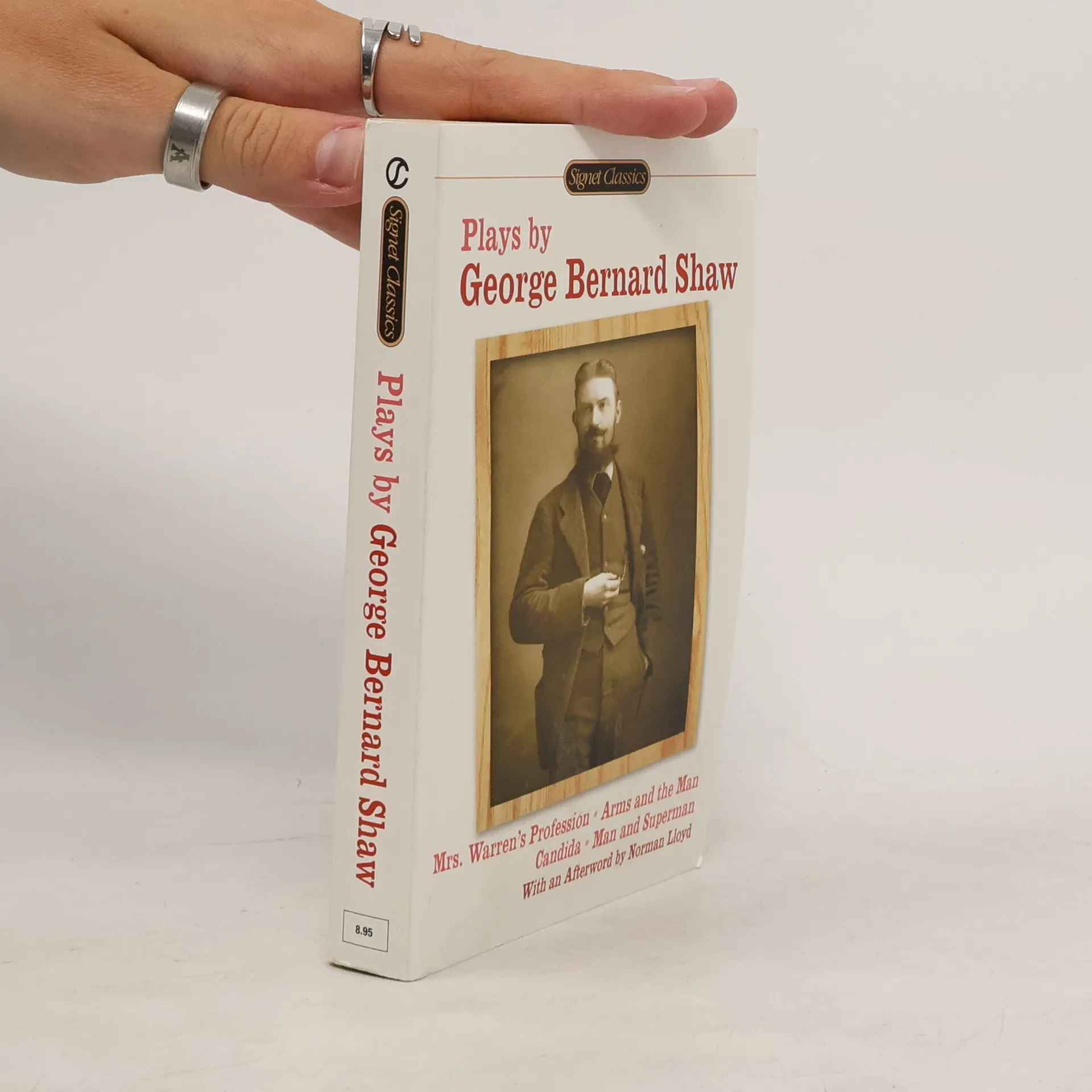
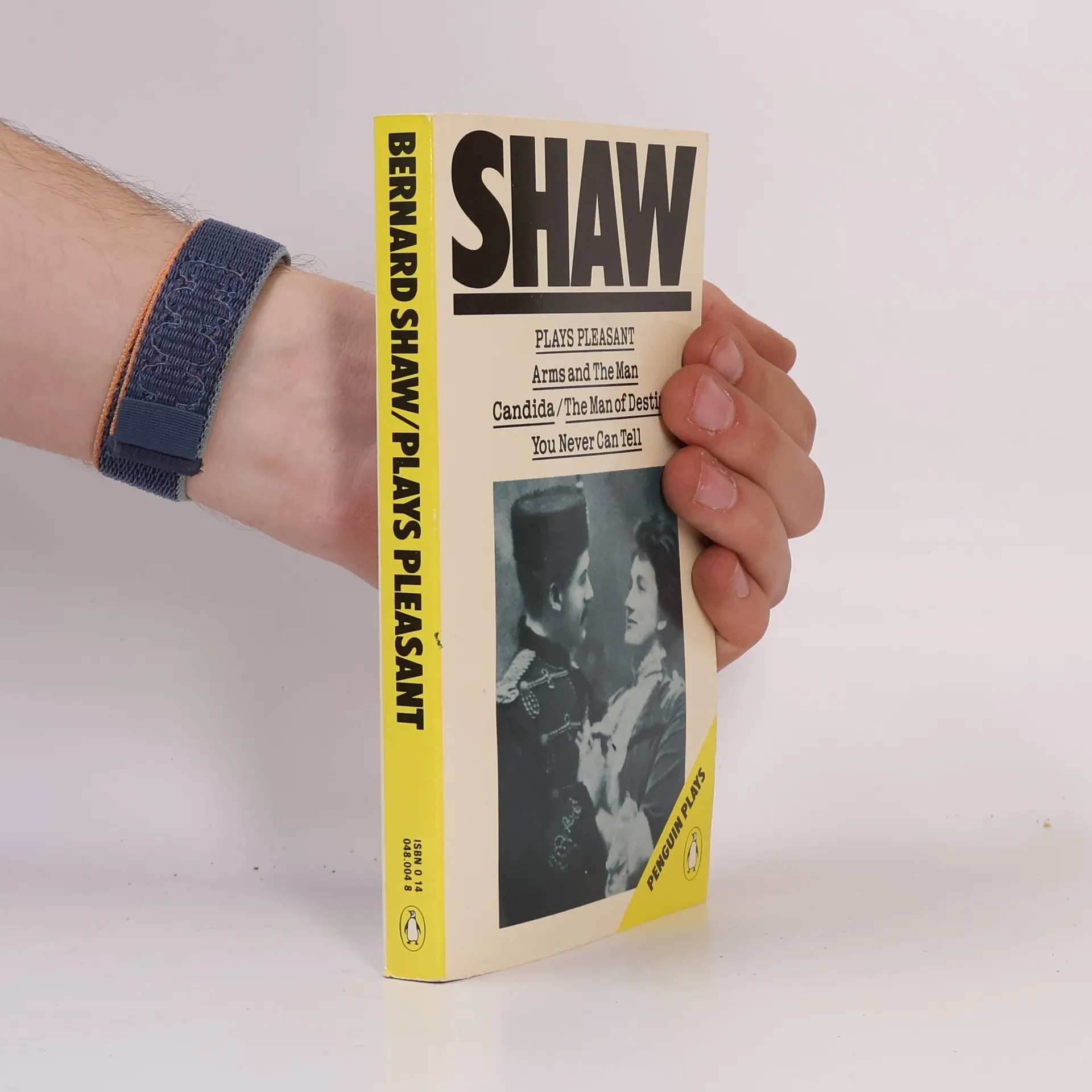
Features four plays that satirize such issues as marriage, civilization, military bravery, and the pursuit of man by woman.
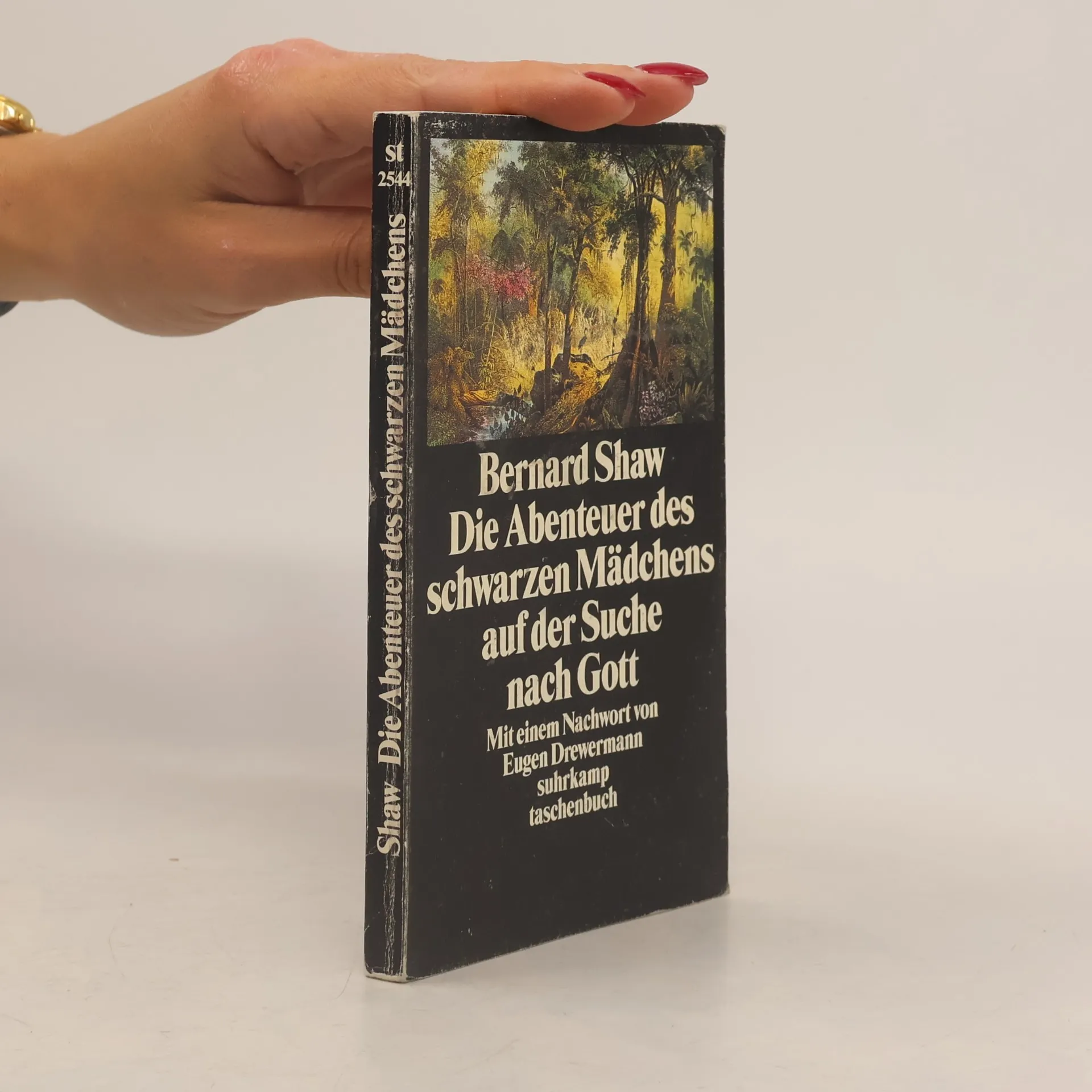
Dieser Band enthält George Bernard Shaws Sammlung von Kurzgeschichten mit dem Titel "Das schwarze Mädchen auf der Suche nach Gott und einige kleinere Erzählungen". "Das schwarze Mädchen auf der Suche nach Gott" ist eine Kurzgeschichte, die einem jungen Mädchen folgt, das neu zum Christentum konvertiert ist und sich auf eine wörtliche Suche nach Gott begibt. Auf ihrem Weg trifft sie auf eine Reihe von religiösen Figuren, die versuchen, sie zu ihren eigenen Glaubensrichtungen zu bekehren. Diese wunderbar sarkastische Allegorie hebt Shaws unorthodoxe Ideen zu Glauben und Rasse hervor und war bei ihrer Erstveröffentlichung sehr umstritten.
George Bernard Shaw wurde am 26. Juli 1856 als Sohn eines Beamten in Dublin geboren. 1876 zog er nach London, wo er sich als einer der führenden Musik- und Theaterkritiker etablieren konnte. Shaw betätigte sich auch auf politischer Bühne und wurde u. a. Mitglied der Fabian Society. Seine schriftstellerische Laufbahn begann er mit fünf erfolglosen Romanen, wandte sich dann dem Schreiben von Dramen – darunter vielen Komödien – zu, die sich durch die Verbindung von Ironie, Satire und Kritik an gesellschaftlichen und politischen Mißständen auszeichnen. Shaws Gesamtwerk umfaßt über 60 Dramen. 1925 wurde er mit dem Literaturnobelpreis ausgezeichnet. Er starb am 2. November 1950 in Ayot Saint Lawrence.
This scarce antiquarian book is a facsimile reprint of the original. Due to its age, it may contain imperfections such as marks, notations, marginalia and flawed pages. Because we believe this work is culturally important, we have made it available as part of our commitment for protecting, preserving, and promoting the world's literature in affordable, high quality, modern editions that are true to the original work.
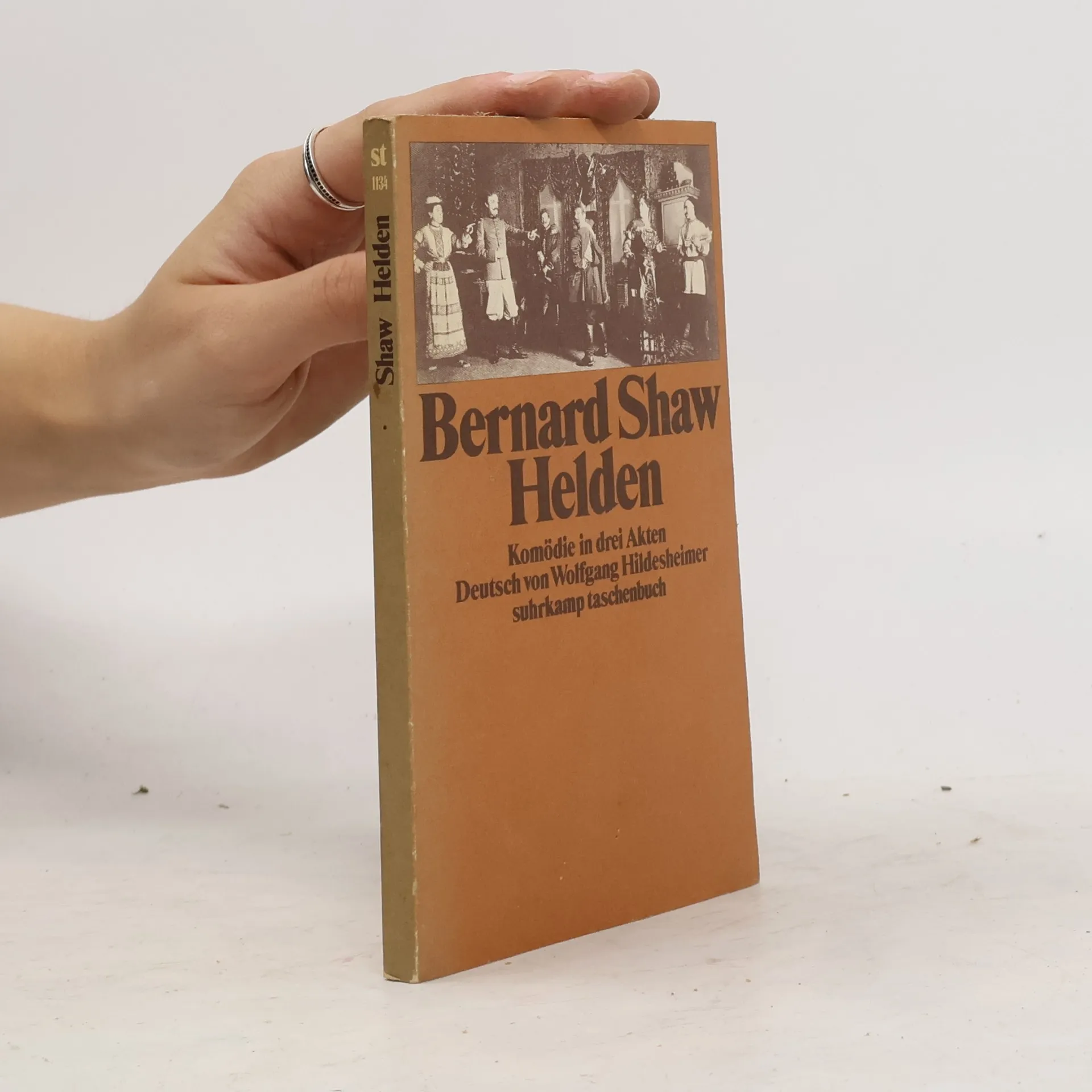
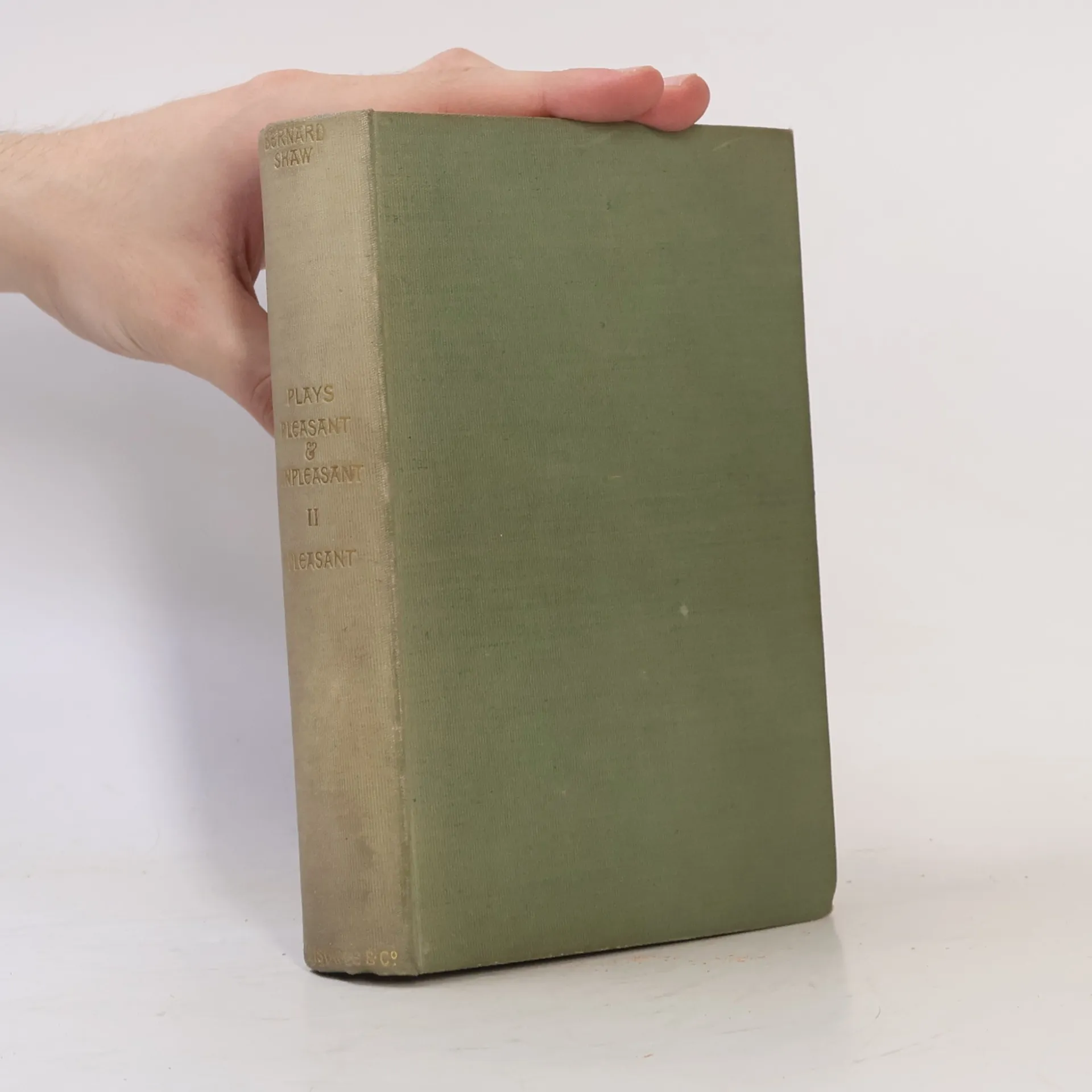
Eine der glänzendsten Komödien von Bernard Shaw, "Arms and the Man", ist eine Burleske über viktorianische Einstellungen zu Heldentum, Krieg und Imperium. Im Kontrast zwischen Bluntschli, dem Söldnersoldaten, und dem tapferen Anführer Sergius wird die wahre Natur des Mutes offenbart. Shaw verspottet illusorischen Idealismus in "Candida", als ein junger Dichter sich in die Frau eines sozialistischen Predigers verliebt. "The Man of Destiny" ist ein witziger Wortkrieg zwischen Napoleon und einer 'seltsamen Dame', während in der exuberanten Farce "You Never Can Tell" eine gespaltene Familie durch Zufall wieder vereint wird. Obwohl Shaw beabsichtigte, dass "Plays Pleasant" sanftere Komödien als die im Begleitband "Plays Unpleasant" sind, bleibt ihre prophetische Satire scharf und provokant.
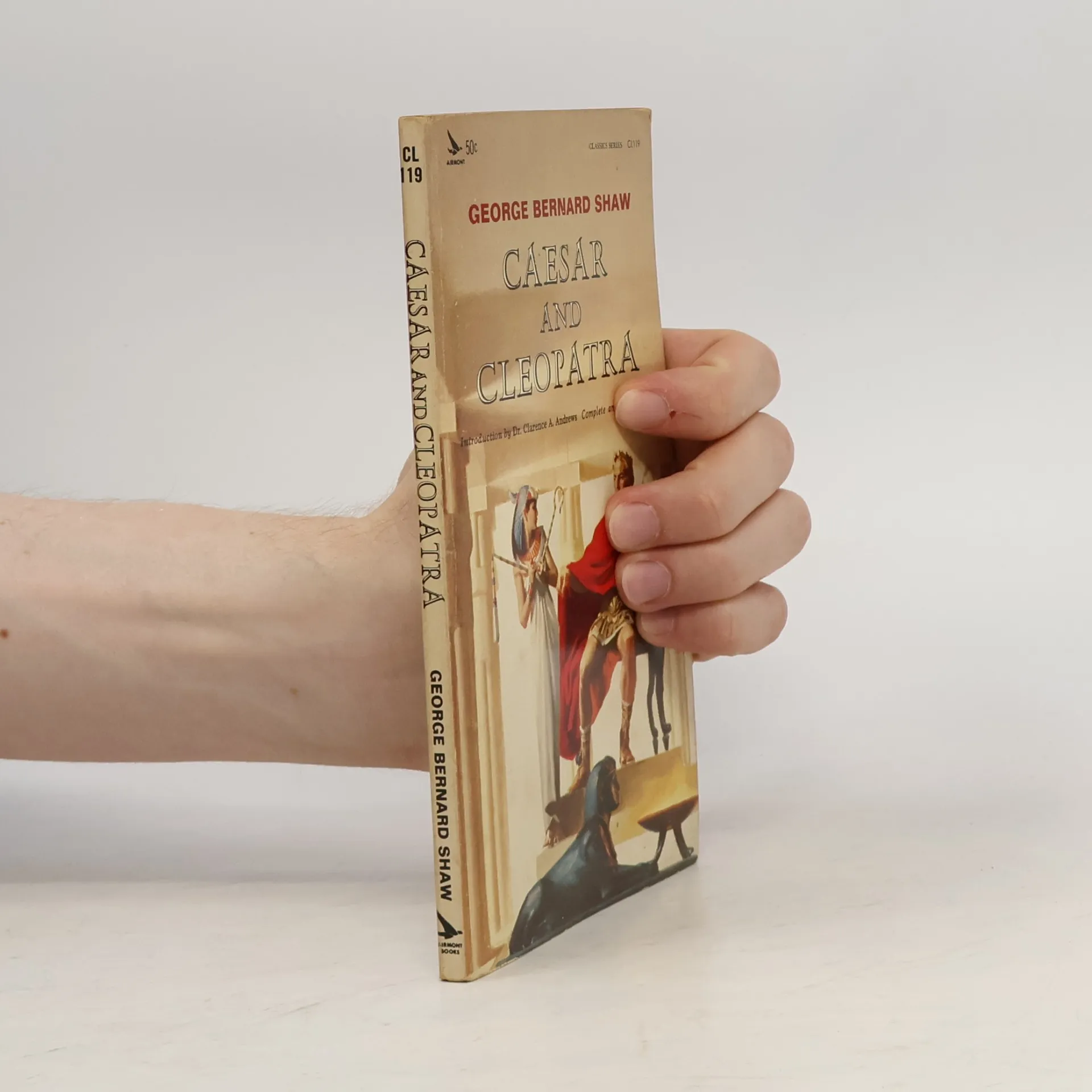
Challenging puritanical values, this collection features three distinct plays. "The Devil's Disciple" unfolds during the American Revolution, where a man embraces a mistaken identity as a rebel. "Caesar and Cleopatra" offers a historical exploration of the complex relationship between the iconic figures in ancient Egypt. In "Captain Brassbound's Conversion," a wealthy woman seeks revenge in North Africa but finds herself converted to Islam instead. Each play provokes thought and reflection on societal norms, showcasing Shaw's wit and critique of conventional beliefs.
Raises doubts on how seriously we can take Shaw as a political thinker. This title states that despite writing in the 1930s, he has little to say of the nature of totalitarianism. It shows that although he satirises Fascist dictators in Geneva, the satire is disappointingly mild.
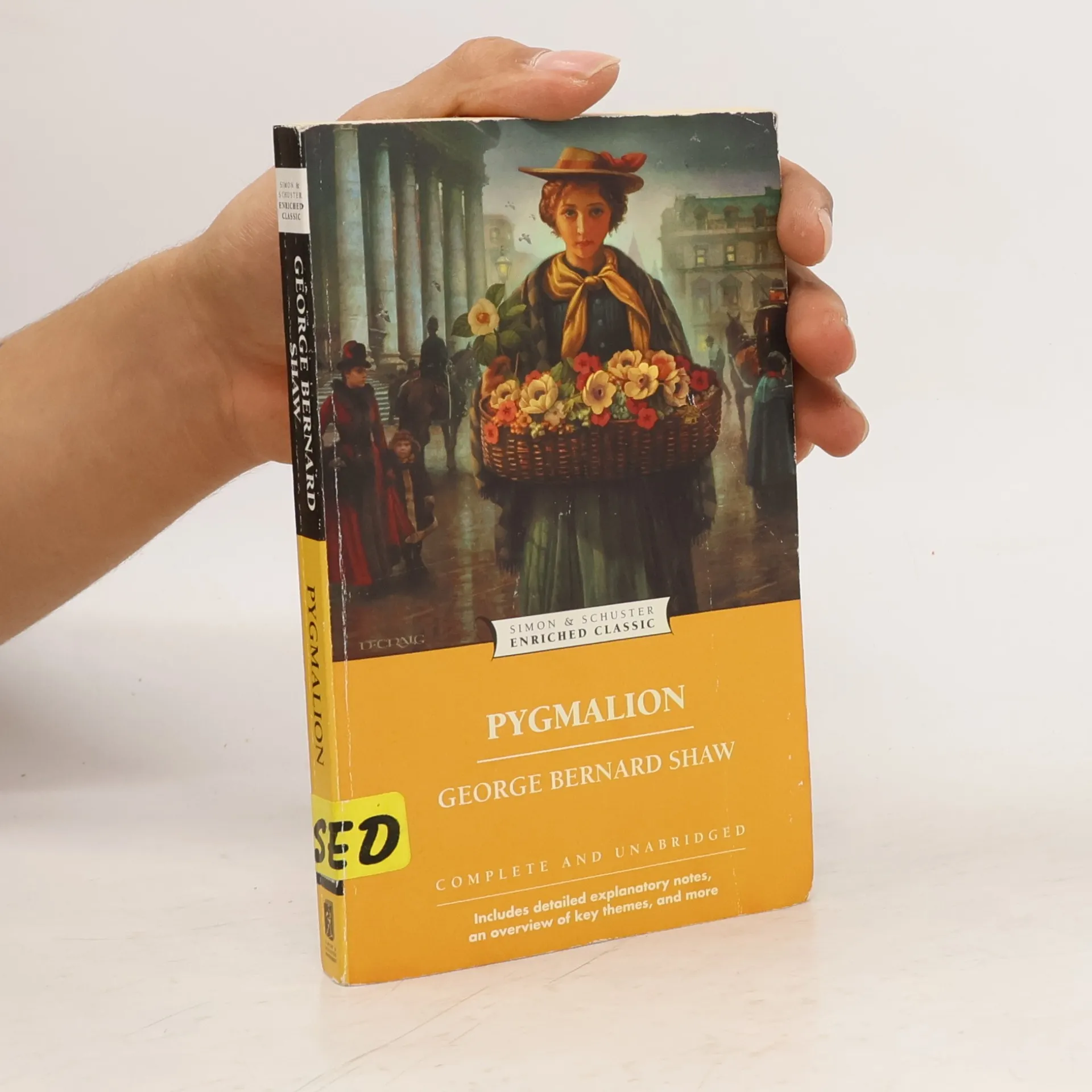
The plot revolves around a bet between Professor Henry Higgins and Colonel Pickering, where Higgins takes on the challenge of transforming Eliza Doolittle, a flower girl from the streets, into a refined lady who can speak like a Duchess. As Eliza undergoes this transformation, her relationship with Freddy blossoms, and she ultimately seeks her own identity and social independence. This engaging narrative combines humor with a poignant love story, making it a timeless classic that resonates with readers across generations.
Exclusive to Penguin Classics: the definitive text of the first great twentieth-century English play and a classic exposé of the eternal struggle between the sexes—part of the official Bernard Shaw Library A Penguin Classic After the death of her father, Ann Whitefield becomes the joint ward of two men: the respectable Roebuck Ramsden and John Tanner, author of “The Revolutionist’s Handbook.” Believing marriage would prevent him from achieving his higher intellectual and political ambitions, Tanner is horrified to discover that Ann intends to marry him, and he flees to Spain with the determined young woman in hot pursuit. The chase even leads them to the underworld, where the characters’ alter egos discuss questions of human nature and philosophy in a lively debate in a scene often performed separately as “Don Juan in Hell.” In Man and Superman, Shaw combined seriousness with comedy to create a satirical and buoyant exposé of the eternal struggle between the sexes. This is the definitive text produced under the editorial supervision of Dan H. Laurence. The volume also includes Shaw’s preface of 1903 and his appendix, “The Revolutionist’s Handbook”; the cast list from the first production of Man and Superman; and a list of his principal works.
Play first produced in Vienna, Austria in 1913.
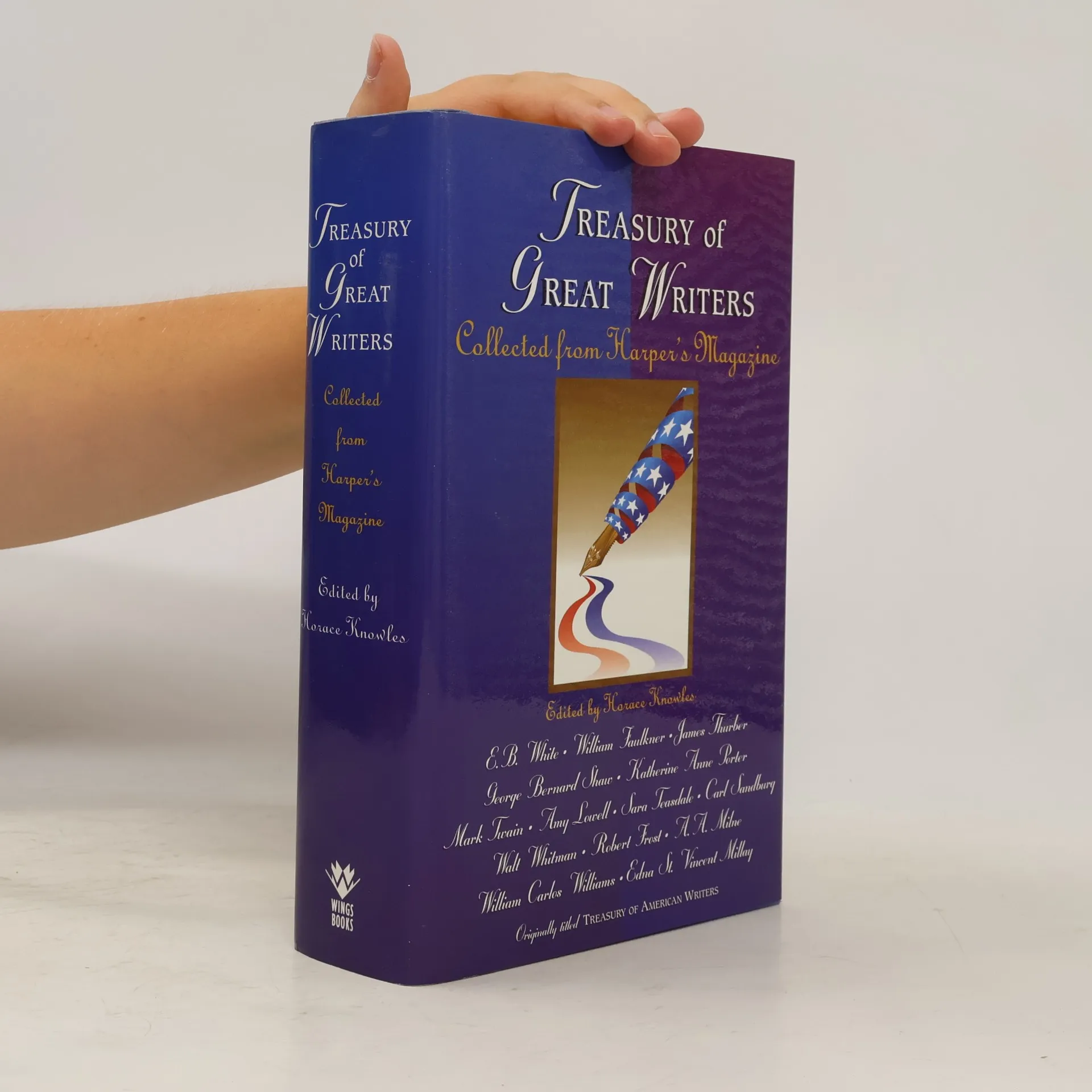
A diverse collection of essays by famous writers is culled from the pages of Harper's Magazine, and includes William Faulkner on integration, John Kenneth Galbraith on the Wall Street crash, and James Thurber on women.
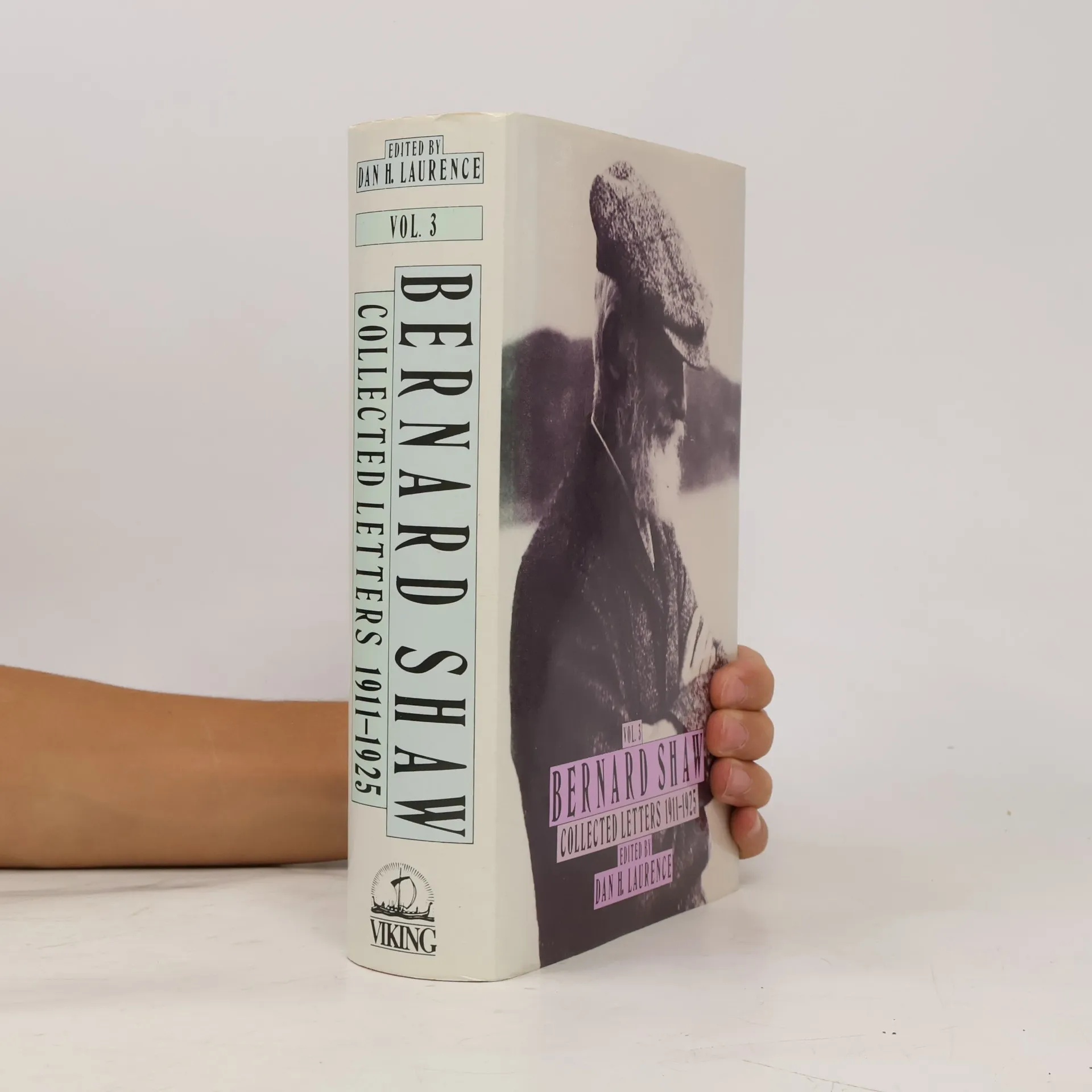
New Viking, 1985. First American Edition. Octavo, 989 pp. Red cloth, gilt spine imprinting, photopictorial jacket. About Near Fine; nice copy. Book shows unidentifiable stain at bottom page edges (probably not a remainder); jacket shows small area of adhesive stain from a removed sticker at top right of cover, has very small-scale edge curling, small scrapes on rear panel; Very Good. Volume three (only) of Laurence's scholarly four-volume aggregation of "Shavian" correspondence, published over more than twenty years. L-46n
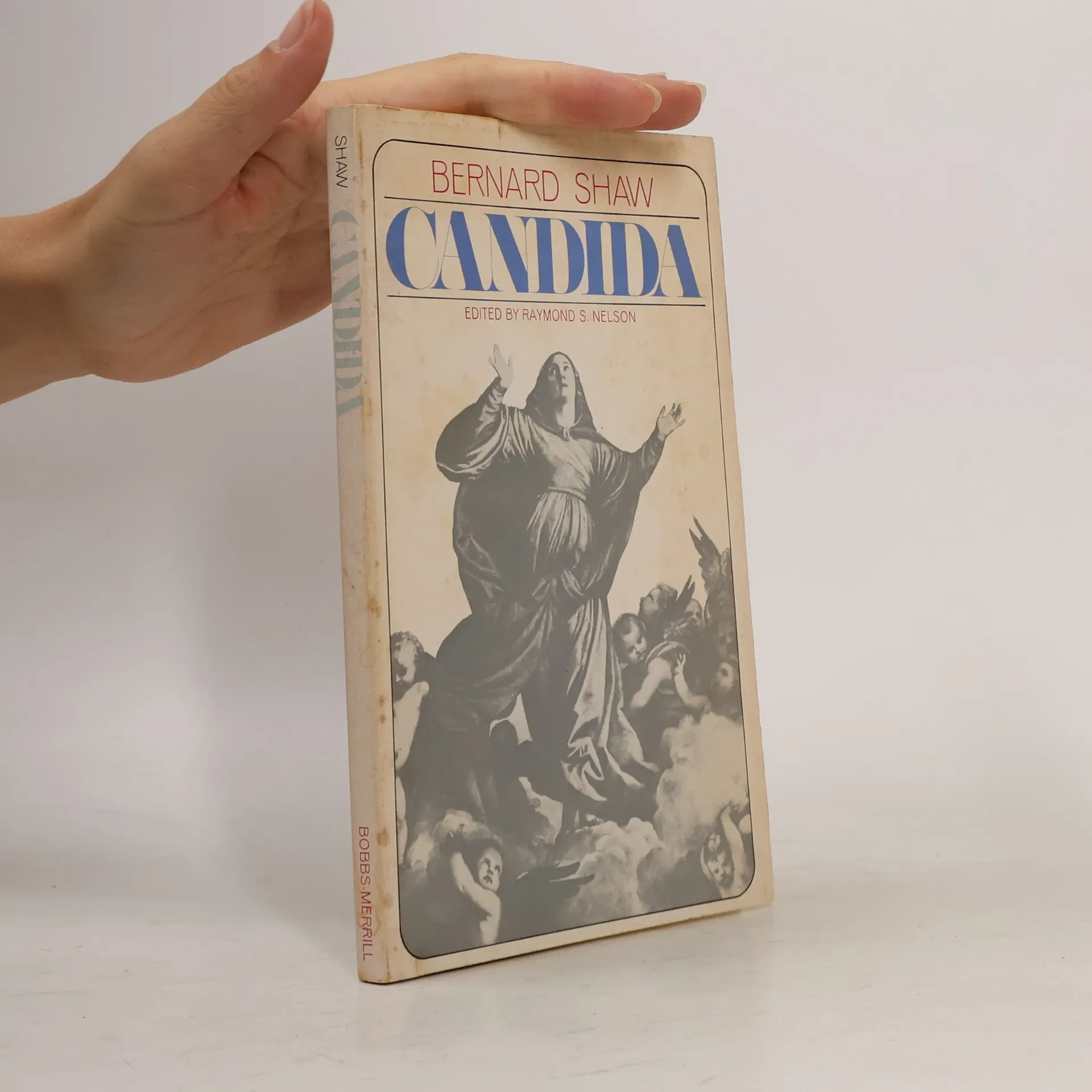
"Candida" is the story of its title character, a woman who is married to the Reverend Morell. Candida is a woman of many talents and her husband has his wife to thank for much of his success. When a young man by the name of Marchbanks professes his love for Candida, Morell must reexamine his relationship with his wife and ultimately discovers a side to her that he never knew existed. "Candida" is a play written during a time of great empowerment of women and Shaw brilliantly offers up Candida as an example of a strong and intelligent woman.
Two plays deal with the trial of an accused horse thief, and marriage, parenthood, women's rights, and middle class morality
Arms and The Man. Candida/The Man of Destiny. You Never Can Tell