
Typically the United States is said to have declared war on Great Britain in 1812 because of the Royal Navy's impressment of American seamen and the British desire to create an Indian buffer state. An Englishman William Cobbett, described the real cause of the conflict: 'There seemed to be wanting just such a war as this to complete the separation of England from America; and to make the latter feel that she had no safety against the former but in the arms of her free citizens.' Regardless of the reasons, however, on 4 June 1812, U.S.President James Madison, asked Congress to declare war
Katcher Philip Bücher


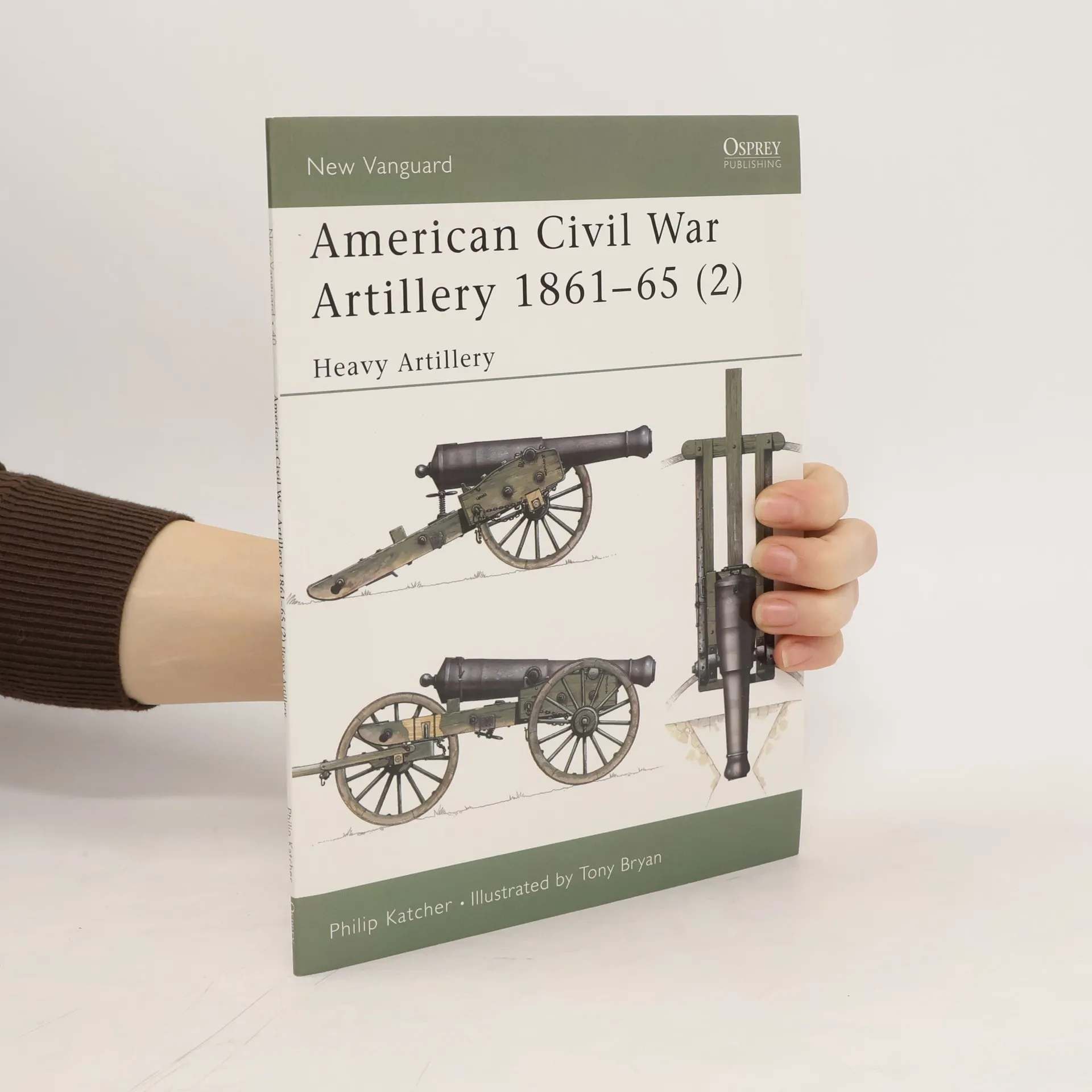
Because of the length of the coastline of the United States, from the beginning American ordnance and engineers placed an emphasis on heavy artillery mounted in coastal defences. The Union army organised its 'Heavy Artillery' into separate regiments, uniformed and equipped differently. While the Field Artillery was assigned across the fighting fronts Heavy Artillery units served the big guns in the forts and the defences of Washington. The Confederates did not differentiate types of artillery and those that became known as Heavy Artillery did so through informal association rather than formal designation. This book details the development and usage of the big guns.
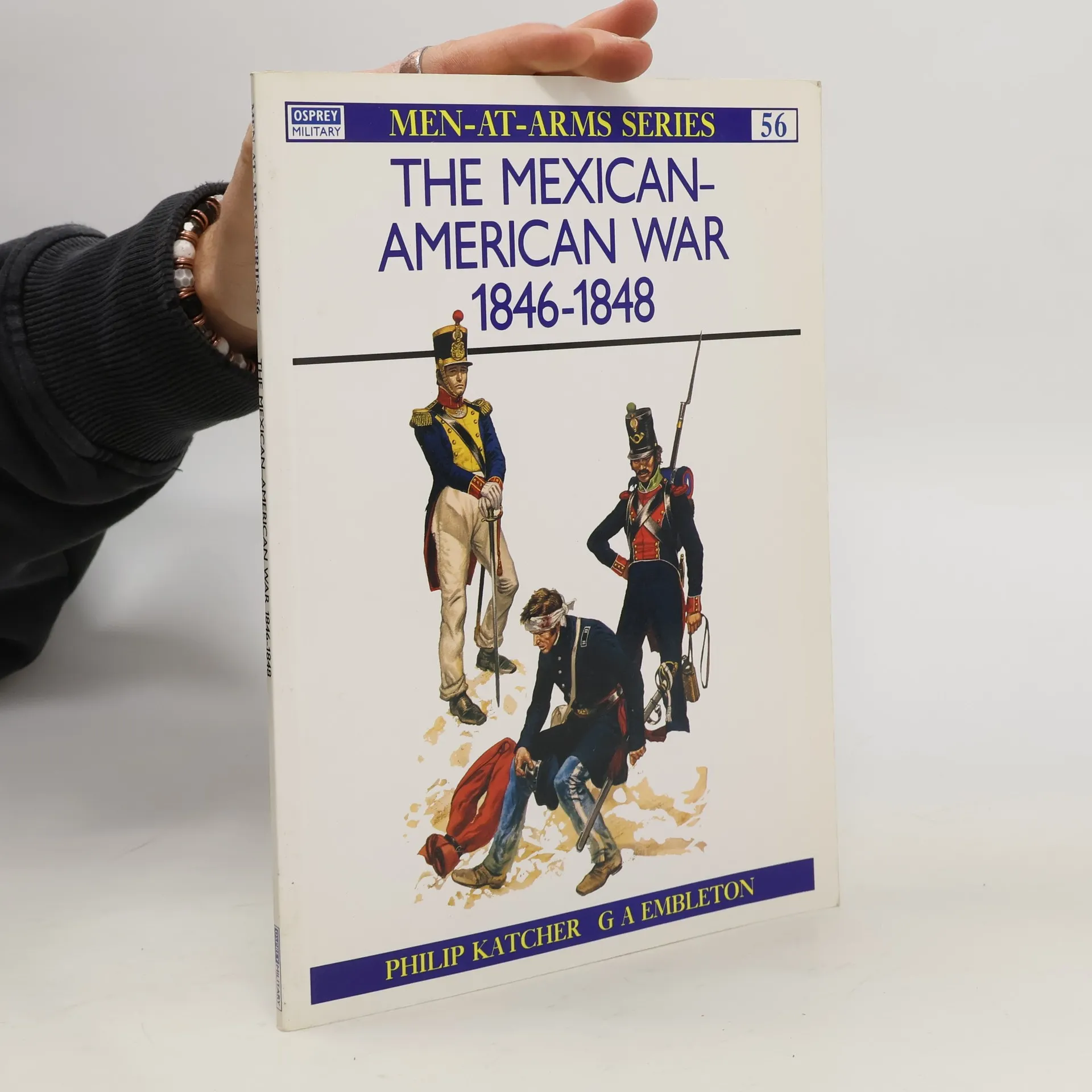
The Mexican-American War 1846-1848
- 8 Seiten
- 1 Lesestunde
'There never was so fine an American army,' wrote second-lieutenant, John Sedgwick, in describing the troops under Major-General Zachary Taylor in 1846. Another then second-lieutenant, destined to see many more armies; U.S. Grant, also thought highly of them: 'The rank and file were probably inferior … to the volunteers that participated in all the later battles of the war; but they were brave men, and then drill and discipline brought out all there was in them.' Philip Katcher writes the story of the regulars and volunteers who fought in the Mexican-American War, detailing the infantry, cavalry, artillery and staff of both the American and Mexican armies.
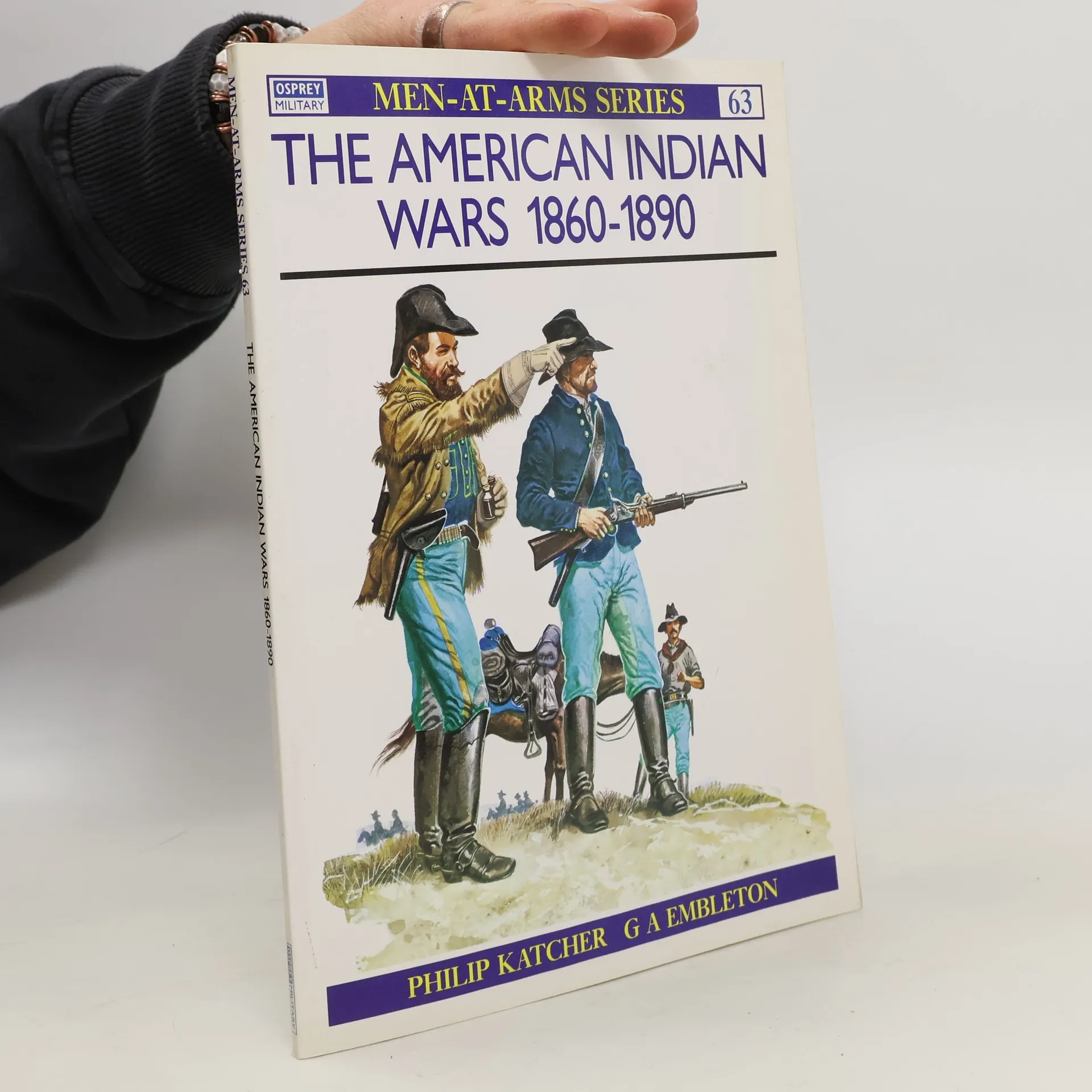
The American Indian Wars, the most famous of which were fought on the great Western plains between 1860 and 1890, were among the most tragic of all conflicts ever fought. To the victor went no less than the complete domination of the continent, to the loser total extinction. Accustomed only to small scale skirmishing and raiding, the Indians were doomed from the start. They had never fought a European-style war with its constant pressure and co-ordinated strategies. Philip Katcher details the armies of both sides, paying particular attention to their organization and uniforms.