

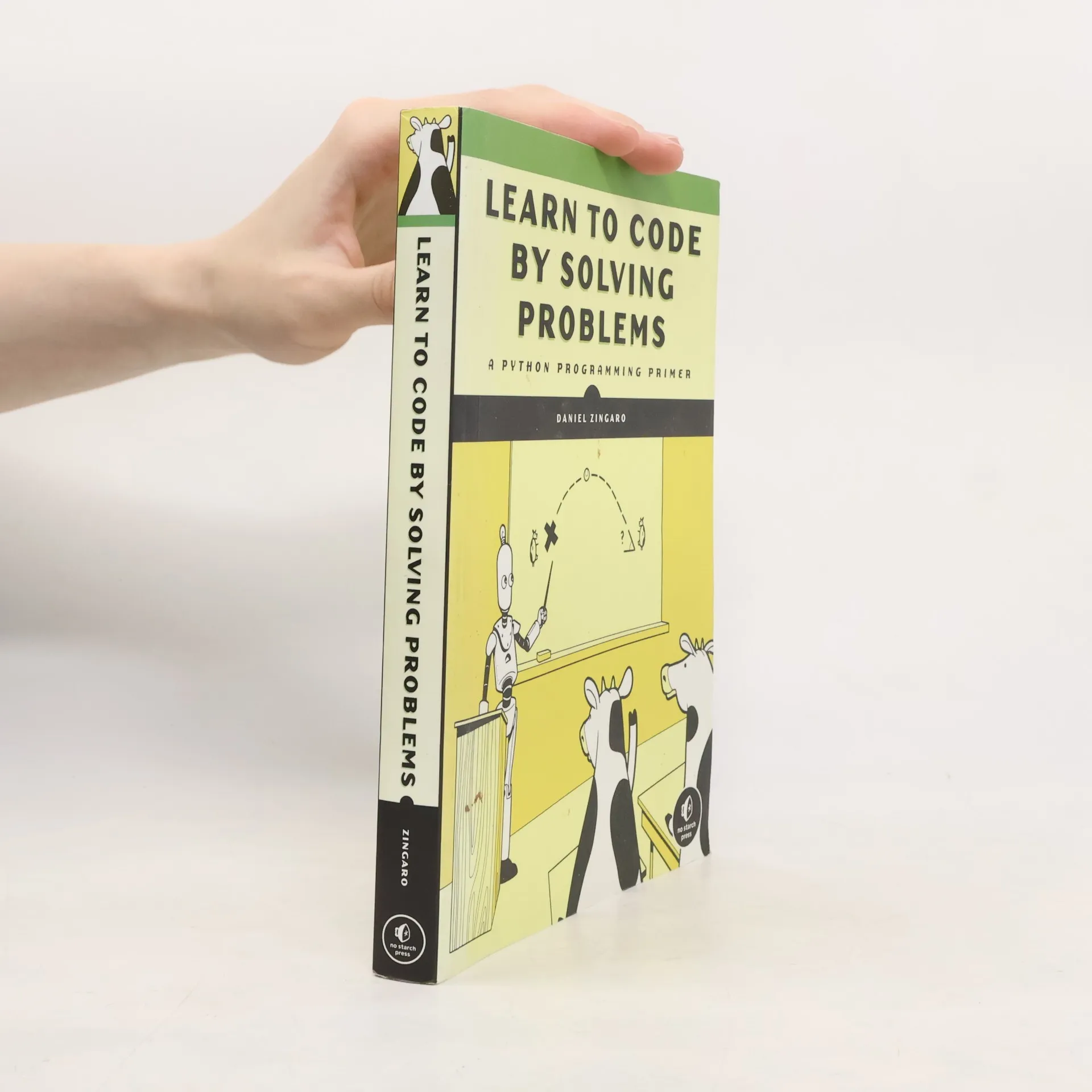

Algorithmen kapieren
- 256 Seiten
- 9 Lesestunden
Visuelle Erläuterungen mit über 400 Bildern und zahlreichen Übungen machen das Lernen von Algorithmen unterhaltsam und verständlich. Dieses Buch bietet eine anschauliche Einführung in die wichtigsten Algorithmen, die du in der Programmierung täglich benötigst. Du beginnst mit grundlegenden Aufgaben wie Sortieren und Suchen und bist damit gut gerüstet, um komplexere Themen wie dynamische Programmierung und Künstliche Intelligenz zu erkunden. Der Autor erklärt die Funktionsweise der Algorithmen anhand einfacher Beispiele, wie dem Unterschied zwischen Arrays und verketteten Listen, um das Finden freier Plätze in einem Kinosaal zu verdeutlichen. Solche praktischen Beispiele zeigen, wie und wofür die Algorithmen effektiv eingesetzt werden können. Zu den Erläuterungen gibt es anschauliche Bilder, Diagramme und ausführlich kommentierten Beispielcode in Python. Wenn du Algorithmen verstehen möchtest, ohne dich mit komplizierten Beweisen abmühen zu müssen, ist dieses Buch ideal. Die Themen umfassen Such-, Sortier- und Graphenalgorithmen, Performance-Analyse (Landau-Notation), Arrays, verkettete Listen, Rekursion, Quicksort, Dijkstra-Algorithmus, Approximationsalgorithmen, Greedy-Algorithmen und dynamische Programmierung sowie Klassifikation und Regression mit dem k-Nächste-Nachbarn-Algorithmus.