
Gratis Versand in ganz Österreich
Bookbot

Romila Thapar

    Romila Thapar ist eine indische Historikerin, deren Werk die sozialen Kräfte erforscht, die Indiens frühe Geschichte geprägt haben. Sie untersucht die Entwicklung religiöser und historischer Narrative und bietet aufschlussreiche Einblicke, wie kollektives Gedächtnis und gesellschaftliche Strukturen interagieren. Ihr Ansatz betont die dynamische Natur der Geschichte und den fortlaufenden Prozess der Neuinterpretation der Vergangenheit. Thapar trägt zu einem tieferen Verständnis historischer Prozesse und ihrer zeitgenössischen Echos bei.

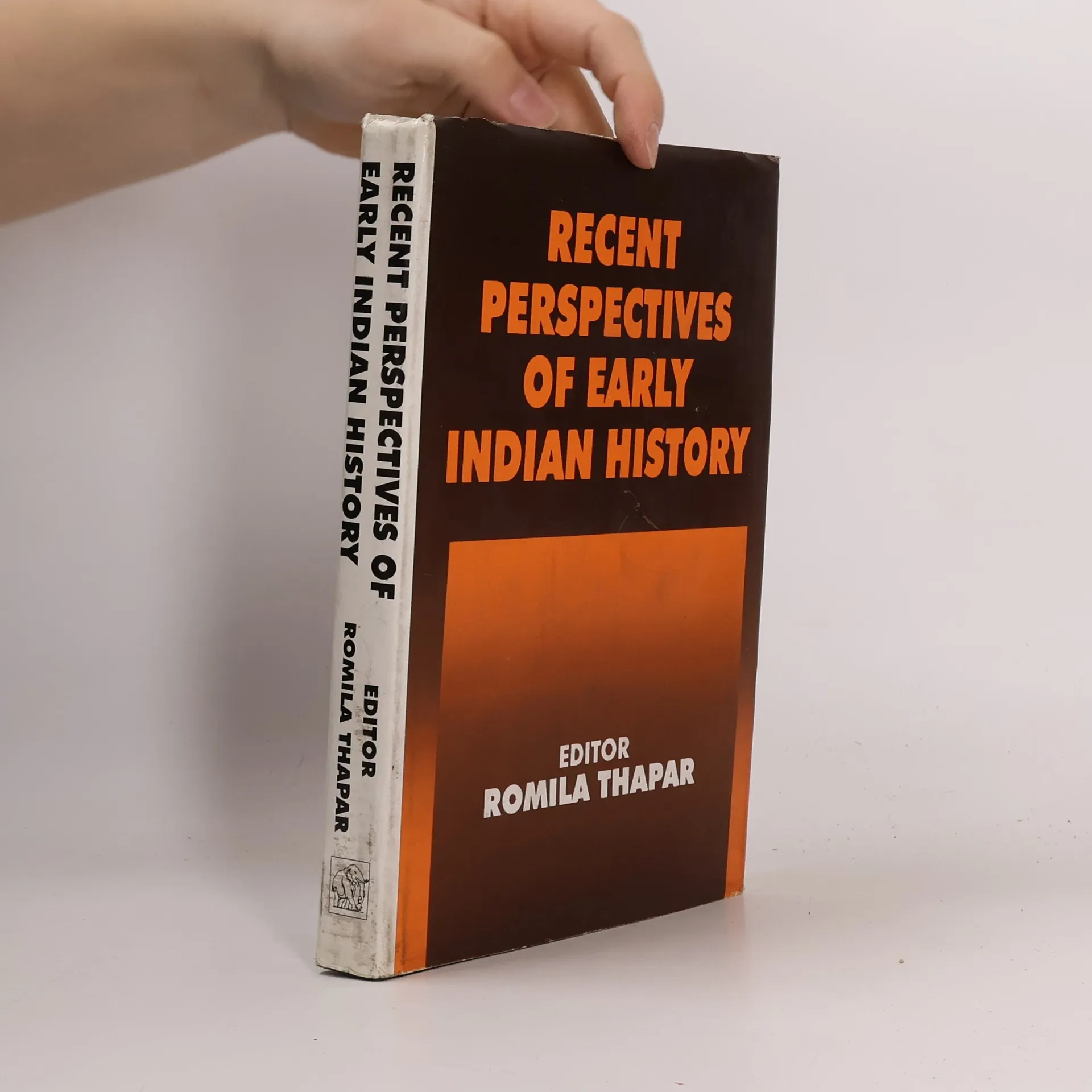
    WHICH OF US ARE ARYANS?: RETHINKING THE CONCEPT OF OUR ORIGINS
    The Idea of India
    The Penguin History of Early India. From the Origins to AD 1300
    On Nationalism
    Ancient Indian Social History
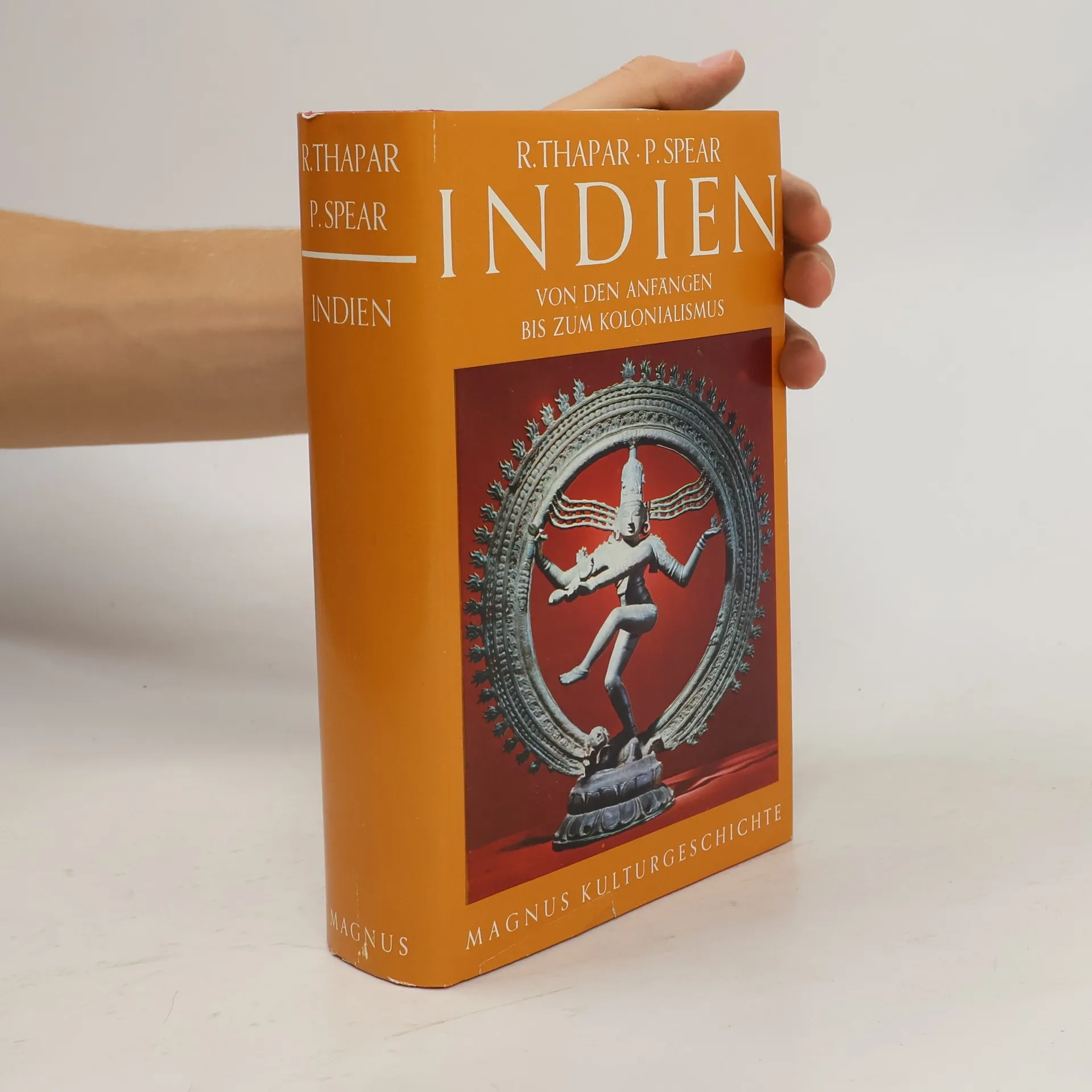
    Indien. Von den Anfängen bis zum Kolonialismus
    • 2024

      The Idea of India

      A Dialogue

      • 77 Seiten
      • 3 Lesestunden
      3,6(12)Abgeben

      The book features a dynamic dialogue between historian Romila Thapar and theorist Gayatri Chakravorty Spivak, exploring the complexities of Indian identity. Through anecdotes and reflections, they navigate the historical narratives that have shaped the notion of India, addressing the challenges of essentialism and exclusion. The authors highlight the importance of education in fostering an inclusive understanding of the nation's diverse history, while tackling themes of nationalism and religion. Ultimately, they pose a critical question about contemporary Indian identity.

      The Idea of India
    • 2021

      Gazing Eastwards

      • 296 Seiten
      • 11 Lesestunden

      In 1957, renowned Indian historian Romila Thapar visited China, where, together with Sri Lankan art historian Anil de Silva, she worked at two cave sites that were the locations of Buddhist monasteries and shrines from the first millennium CE. The first site was the then lesser known Maijishan in north China, and the second was the famous site of Dunhuang on the edge of the Gobi desert in Northwest China. Now, decades later, she is supplementing the academic work that emerged from that trip with a captivating travelogue: Gazing Eastward takes readers back to midcentury China, through the observations that Thapar made in her diary during her time at the two archaeological sites and her trips there and to other sites. Traveling by train or truck, Thapar met people from throughout the country and all stations in society, from peasants on a cooperative farm to Chairman Mao himself. An enchanting document of a long-lost era, Gazing Eastward is a marvel, a richly observed work of travel writing that brings a time and a place fully to life.

      Gazing Eastwards
    • 2021

      A powerful history of the long tradition of political dissent in India published at a moment when the very idea of dissent is under attack.

      Voices of Dissent: An Essay
    • 2019

      The question of which of us is Aryan is one of the most contentious in India today. In this eye-opening book, scholars and experts critically examine the Aryan issue by analysing history, genetics, early Vedic scriptures, archaeology and linguistics to test and challenge various hypotheses, myths, facts and theories that are currently in vogue.Romila Thapar tackles the definition of the ‘Aryan’ in her inimitable style by tracing the origins and progression of the ‘Aryans’ from old Iranian texts such as the Zend-Avesta, archaeological excavations and colonial interpretations made by Max Müeller. She also touches upon the following fields of enquiry: historiography, archaeology, linguistics, comparative mythology, social anthropology and, more recently, genetics.Michael Witzel investigates the origins of the early ‘Aryans’ within and outside India. Jaya Menon examines data from excavations of Harappan culture. Kai Friese lucidly explains the Rakhigarhi research which has been talked about a lot in the recent past.Razib Khan provides insights arising from research into genetics.

      WHICH OF US ARE ARYANS?: RETHINKING THE CONCEPT OF OUR ORIGINS
    • 2019

      The Past as Present

      • 336 Seiten
      • 12 Lesestunden

      Pt. I. History and the public. 1. Interpretations of early Indian history ; Historical perspectives of nation-building ; 3. Of histories and identities ; 4. In defence of history ; 5. Writing history textbooks: a memoir ; 6. Glimpses of a possible history from below: early India -- pt. II. Concerning religion and history. 7. Communalism: a historical perspective ; 8. Religion and the secularizing of Indian society ; 9. Syndicated Hinduism -- pt. III. Debates. 10. Which of us are Aryans ; 11. Dating the epics ; 12. The epic of the Bharatas ; 13. The Ramayana syndrome ; 14. In defence of the variant ; 15. Historical memory without history ; 16. The many narratives of Somanatha -- pt. IV. Our women-then and now. 17. Women in the Indian past ; 18. Becoming a Sati - the problematic widow ; 19. Rape within a cycle of violence.

      The Past as Present
    • 2016

      The rich oeuvre of historical literature that Romila Thapar has authored holds a mirror to her remarkable personality. Like her writings do, she exudes confidence, conviction and commitment. She is honest, forthright and passionate. These qualities have made her the most articulate advocate of secularism and nationalism. She is neither a feminist nor a Marxist, but a humanist in whom all isms enter into a dialogue. -K.N. Panikkar

      Indian Society and the Secular: Essays
    • 2016

      On Nationalism

      • 178 Seiten
      • 7 Lesestunden
      4,0(47)Abgeben

      Exploring the complex concepts of nationalism, patriotism, and cultural freedom, this book delves into the distinctions between true nationalism and its pseudo forms. It questions the significance of nationalist slogans and the ongoing relevance of sedition laws in a democratic society. By examining the implications of these themes, the author prompts readers to reflect on the vision for India and the identity of its citizens, encouraging a critical dialogue on the values that shape the nation’s future.

      On Nationalism
    • 2014

      The Past as Present

      Forging Contemporary Identities Through History

      • 344 Seiten
      • 13 Lesestunden
      3,8(208)Abgeben

      The book critically examines commonly accepted historical narratives, questioning their validity and exploring significant events and ideologies that have shaped Indian society. It delves into the consequences of the Somanatha temple raid, the complexities of identity regarding Aryans and Dravidians, the importance of secularism, and the rise of communalism. Additionally, it investigates the roots of patriarchal attitudes contributing to violence against women and the motivations behind fundamentalist attempts to alter historical records.

      The Past as Present