
Gratis Versand in ganz Österreich
Bookbot

Rachel Armstrong

    Dr. Rachel Armstrong ist eine Schriftstellerin und Dozentin, die sich auf die Zukunft der menschlichen Gesellschaft konzentriert. Sie tritt regelmäßig im Fernsehen auf, um ihre Ideen und die Auswirkungen aktueller technologischer Trends auf unsere Kultur zu diskutieren. Ihre Arbeit untersucht, wie wir uns angesichts einer sich ständig verändernden technologischen Landschaft entwickeln, und bietet aufschlussreiche Kommentare zu gesellschaftlichen Veränderungen.

    The Gray's Anatomy
    Safe as Houses
    Soft Living Architecture
    Where is Abuela's Prenda?
    The Pub with No Food
    • The Pub with No Food

      • 216 Seiten
      • 8 Lesestunden

      The story revolves around a strong publican determined to rescue the devoted nurse he has always loved from a grinch's grasp. As Christmas approaches, he strives to create the holiday she has always dreamed of, blending themes of love, sacrifice, and festive spirit. The narrative promises a heartfelt journey filled with challenges and the pursuit of happiness during the holiday season.

      The Pub with No Food
    • The story follows an afro-latino boy on a quest to locate his Abuela's cherished prenda. Throughout his journey, he encounters various treasures, but ultimately discovers that the true value lies in the bonds of family. This heartfelt adventure emphasizes the significance of love and connection over material possessions.

      Where is Abuela's Prenda?
    • Soft Living Architecture explores the invention of new architectures based on living processes. It crafts a unique intersection between two fast-developing disciplines: biomimicry and biodesign in architecture, and bioinformatics and natural computing in the natural sciences.This is the first book to examine both the theory and methodology of architecture and design working directly with the natural world. It explores a range of approaches from the use of life-like systems in building design to the employment of actual growing and living cell and tissue cultures as architectural materials - creating architecture that can change, learn and grow with us. The use of 'living architecture' is cutting-edge and speculative, yet it is also inspiring a growing number of designers worldwide to adopt alternative perspectives on sustainability and environmental design. The book examines the ethical and theoretical issues arising alongside case-studies of experimental practice, to explore what we mean by 'natural' in the Anthropocene, and raise deep questions about the nature of design and the design of nature.This provocative and at times controversial book shows why it will become ever more necessary to embrace living processes in architecture if we are to thrive in a sustainable future.

      Soft Living Architecture
    • This book examines the notion of the home in the context of the pandemic and lockdown, as they relate to environmental concerns and how we live with viruses and bacteria. It argues that, in order to decrease our vulnerability to infective agents, we need to acknowledge the link between people, space, daily routines and microbes and explore how the predominantly benign microbial world might be harnessed to combat and boost out immunity to future pathogens. Suggesting more than environmental home improvements, it explores new innovations and new materials which incorporate microbes for more ecological designs, such as ceramic tiles, concrete bio-receptive surfaces, building skins, fabrics, waste management and alternative energy supplies. A series of drawings which reveal the evolution of microbial technologies, infrastructures, spaces, dwellings, and architectures sets out a prototype for an ecological home for post pandemic times. Identifying the lessons that COVID-19 has brought us, the book highlights the need for humans to consider and take microbes into account in future built environments.

      Safe as Houses
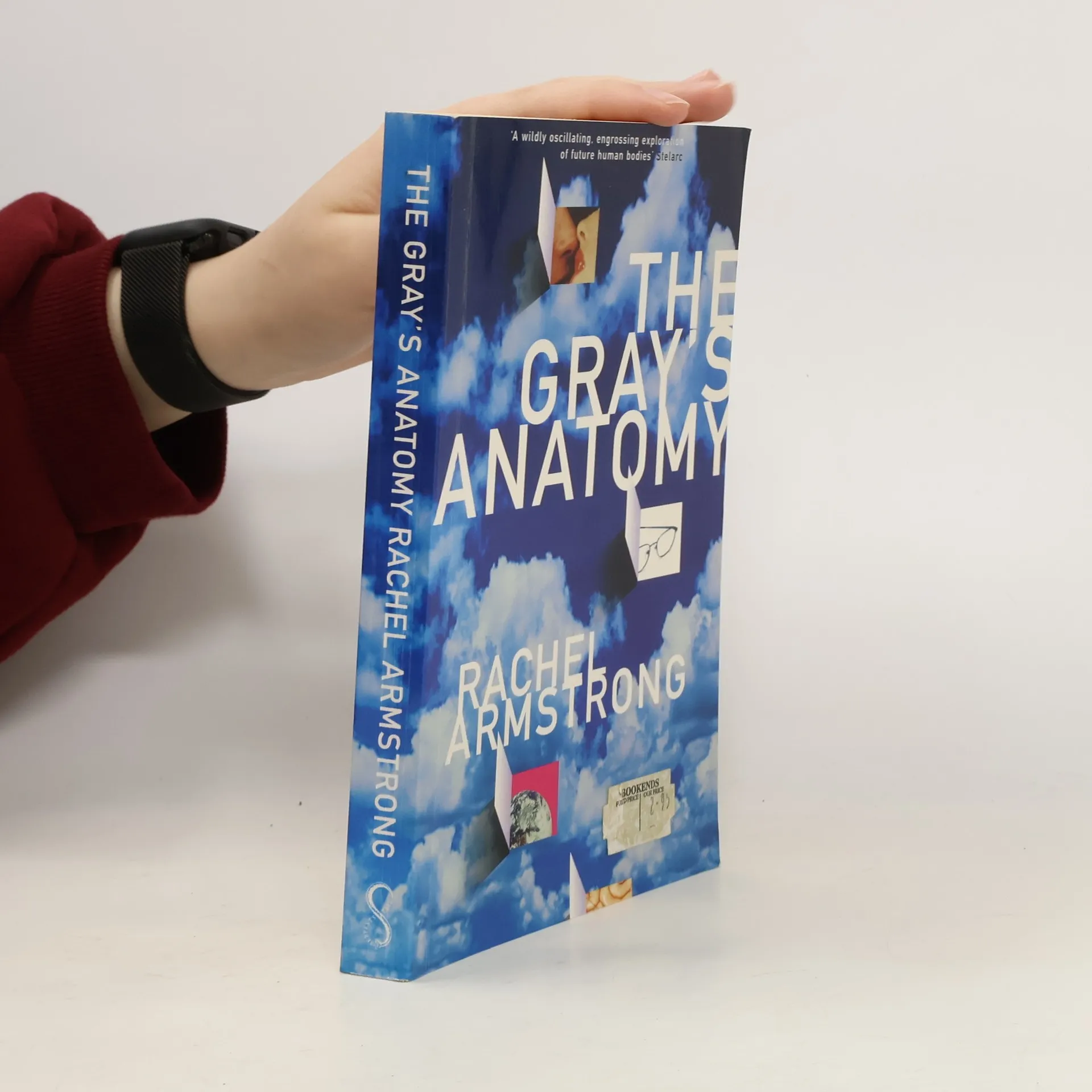
    • The Gray's Anatomy

      • 256 Seiten
      • 9 Lesestunden

      On a distant planet, Rune 66, an experimental biologist called the Chronicler fortuitously makes contact with humankind. All kinds of trouble break out. The Grays' exploratory encounters with Earthlings lean towards the blatantly sexual. Broadcast live on the alien planet's "Anatomy Channel" these assorted bouts of interplanetary perversion become a ratings phenomenon. In time, senior Grays start to worry that the humanoids' way of living and loving poses a serious threat to the identity of a species that prides itself on intellectual prowess and the denial of carnal ways. "This is a wildly oscillating, engrossing exploration of future human bodies in a time of alien contact, of extra-ordinary space travel and in a climate of suppressed terror"-Stelarc Dr Rachel Armstrong lives in London. She lectures and writes about the future. She is the author of Sci/Fi Aesthetics and Space Architecture.

      The Gray's Anatomy