

Jeder von uns trägt in sich das Potenzial zu wachsen. Jeder kann seine Ziele erreichen, seine Wünsche erfüllen. Ängste, Sorgen, Liebe, Kummer, Wut und Trauer sind Emotionen, die uns den Weg zeigen. Sie gehören zu uns, machen uns zu Menschen. Wenn wir einmal gelernt haben stehen zu bleiben und uns diesen Emotionen zu stellen, zeigen Sie uns den Weg in die Freiheit. Sie führen uns zur Erkenntnis, zu einem bewussten Leben und damit zur Erfüllung unserer Wünsche und Bedürfnisse. Zum Erfolg im privaten und beruflichen Leben. Alles wird möglich. Alles kann erreicht werden. Der Verstand ist still, kein Kopfkino, kein Verweilen im Gestern oder Morgen. Erwachen ist möglich. Bewusstes Leben. Transformation. Heilung von Körper und Seele sind möglich. Wahre Liebe entsteht. Dieses Buch ist mein Wegweiser zu persönlichem Wachstum in der heutigen technifizierten Welt. Zu einem an unser modernes Leben angepassten Lebensweg.
Jaspreet Singh Bücher
Jaspreet Singh ist ein kanadischer Schriftsteller, dessen Werk von seinen Erfahrungen und seinem Hintergrund geprägt ist. Sein Schreiben erforscht Themen wie Identität, Migration und kulturelle Überschneidungen. Singhs Stil zeichnet sich durch seine lyrische Qualität und tiefe Einblicke in die menschliche Psyche aus. Durch seine Erzählungen bietet er eine einzigartige Perspektive auf die Komplexität des modernen Lebens.
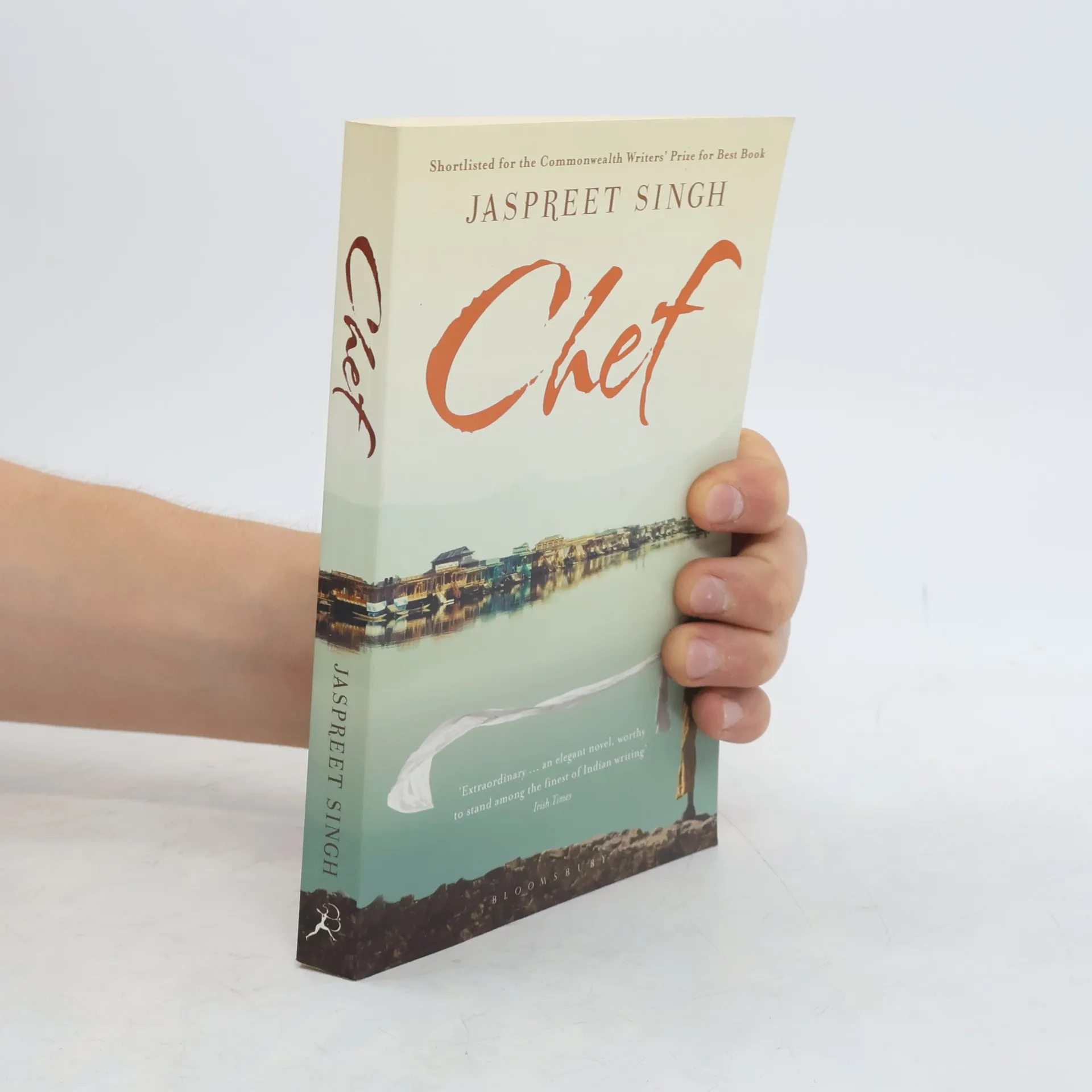

Chef
- 256 Seiten
- 9 Lesestunden
Shortlisted for the 2009 Commonwealth Prize for Best Book and nominated for the 2010 International IMPAC Dublin Literary Award.
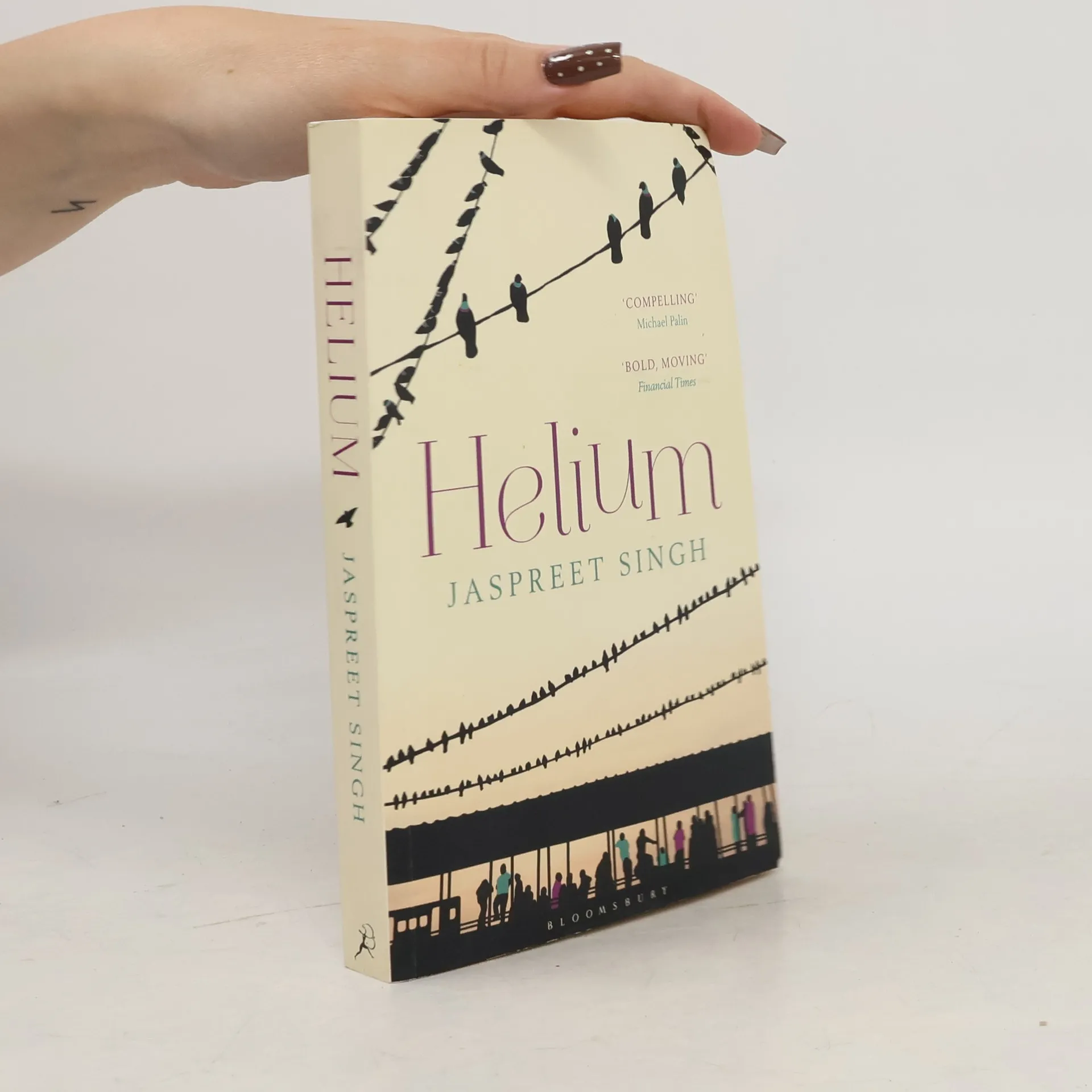
Helium
- 304 Seiten
- 11 Lesestunden
On November 1st 1984, a day after the assassination of Indian Prime Minister Indira Gandhi, a nineteen-year-old student travels back from a class trip with his mentor and chemistry teacher, Professor Singh. As the group disembark at Delhi station a mob surrounds the professor, douses him in petrol and sets him alight. Years later the student, Raj, is compelled to find his professor's widow, the beautiful Nelly. As the two walk through the misty mountains of Shimla, Nelly comes up against a nation in denial and Raj faces the truth about his father's role in the terrible pogrom against the Sikhs.
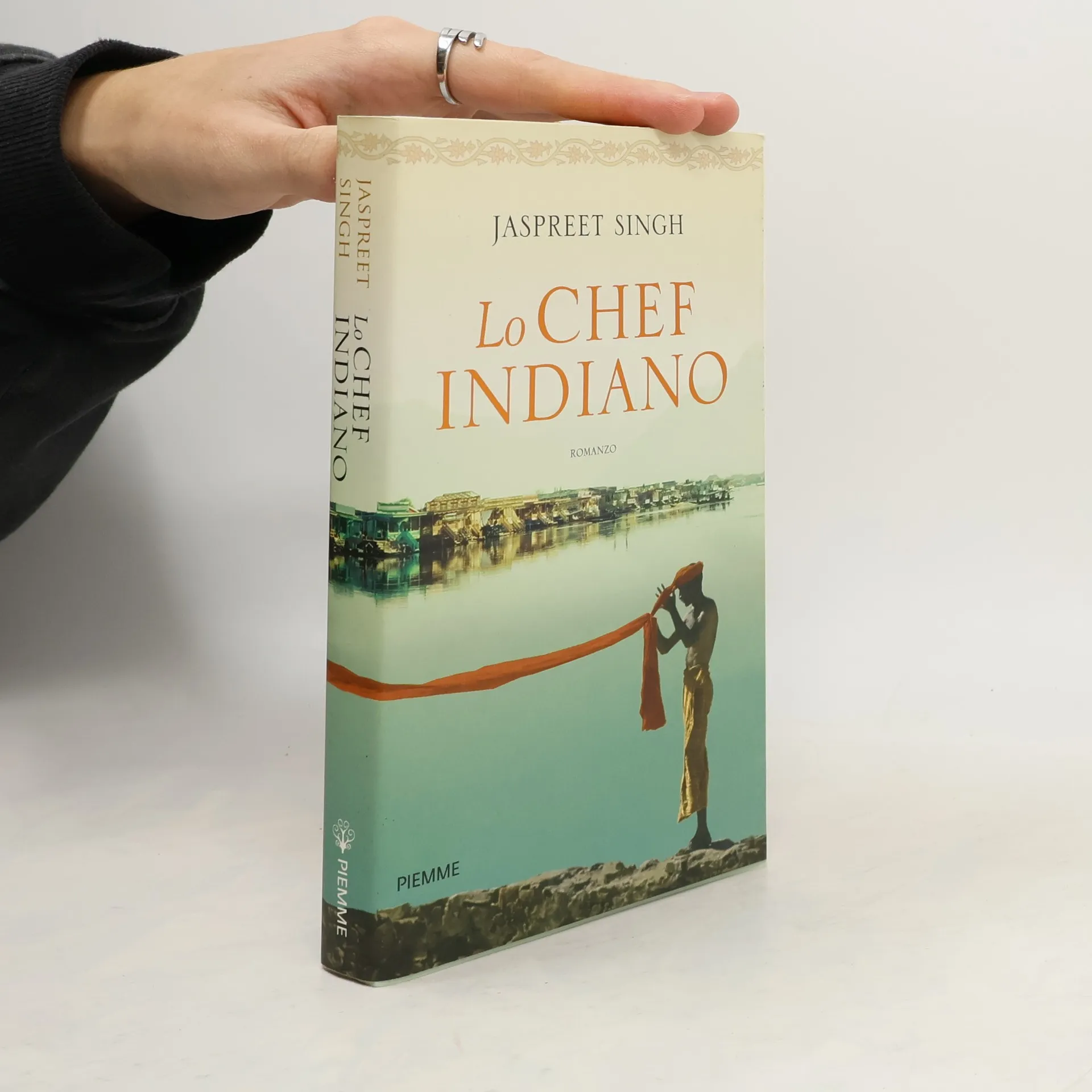
Lo chef indiano
- 290 Seiten
- 11 Lesestunden