

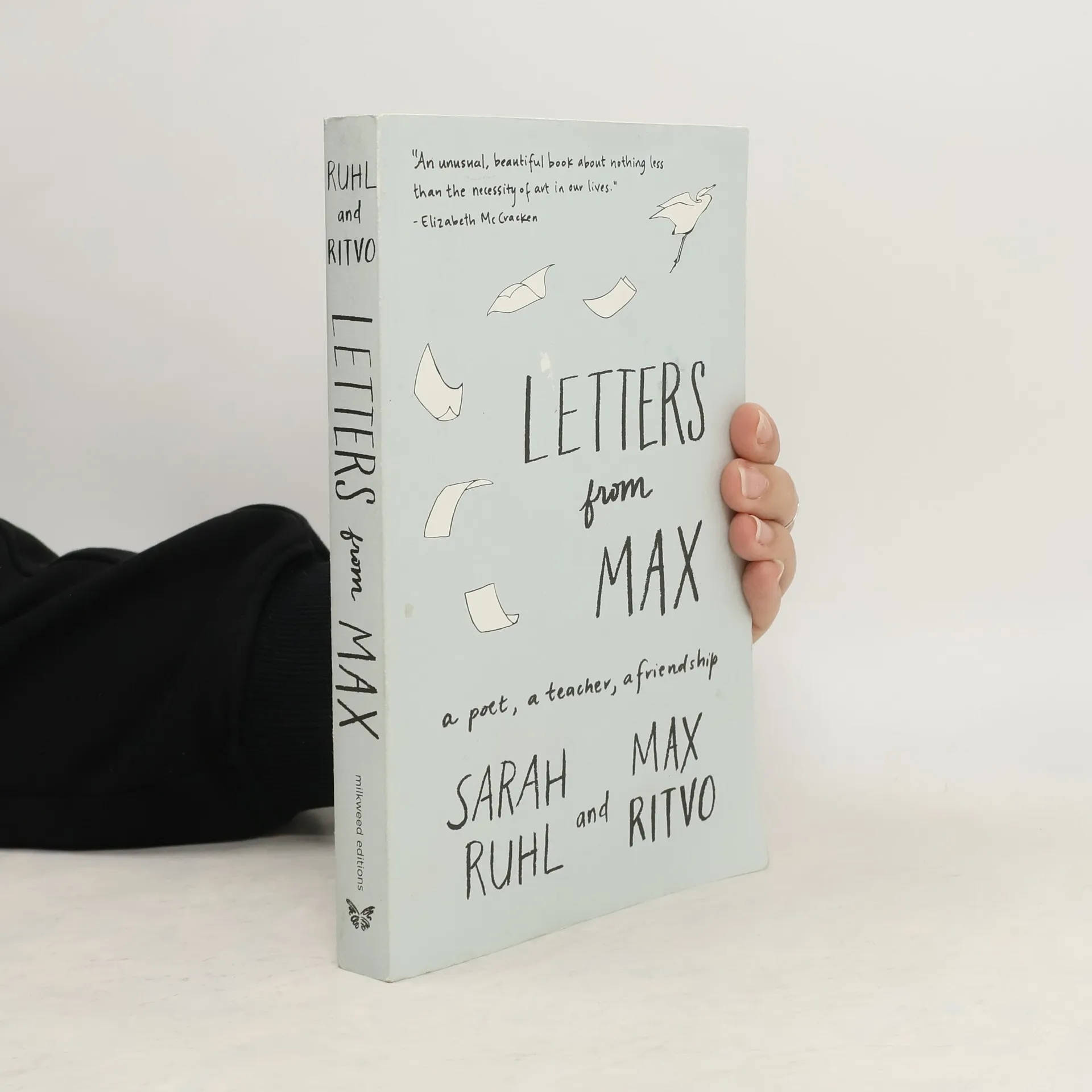
In 2012, Sarah Ruhl was a distinguished author and playwright, twice a finalist for the Pulitzer Prize. Max Ritvo, a student in her playwriting class at Yale University, was an exuberant, opinionated, and highly gifted poet. He was also in remission from pediatric cancer. Over the next four years--in which Ritvo's illness returned and his health declined, even as his productivity bloomed--the two exchanged letters that spark with urgency, humor, and the desire for connection. Reincarnation, books, the afterlife as an Amtrak quiet car, good soup: in Ruhl and Ritvo's exchanges, all ideas are fair, nourishing game, shared and debated in a spirit of generosity and love. "We'll always know one another forever, however long ever is," Ritvo writes. "And that's all I want--is to know you forever." Studded with poems and songs, Letters from Max is a deeply moving portrait of a friendship, and a shimmering exploration of love, art, mortality, and the afterlife.
Sarah Ruhl Bücher
Sarah Ruhl ist eine Dramatikerin, die lebendige und abenteuerliche Theaterwerke schafft. Ihr Schreiben stellt die alltäglichen Aspekte des Lebens auf bewegende Weise mythischen Themen wie Liebe und Krieg gegenüber und erzeugt so einen eindrucksvollen Kontrast. Der Einfluss ihrer poetischen Anfänge zeigt sich in ihrer reichen und metaphorischen Sprachverwendung in ihren Stücken. Ruhl schafft Theatererlebnisse, die sowohl abenteuerlich als auch tief bewegend sind.

Smile
- 224 Seiten
- 8 Lesestunden
The extraordinary story of one woman's ten-year odyssey that brought her physical, creative, emotional, and spiritual healing. With a play opening on Broadway, and every reason to smile, Sarah Ruhl has just survived a high-risk pregnancy when she discovers the left side of her face is completely paralyzed. She is assured that 90 percent of Bell's palsy patients experience a full recovery, like her own mother. But Sarah is in the unlucky ten percent. And for a woman, wife, mother, and artist working in theatre, the paralysis and the disconnect between the interior and exterior brings significant and specific challenges. So she begins an intense decade-long search for a cure while simultaneously grappling with the reality of her new face - one that, while recognisably her own, is incapable of accurately communicating feelings or intentions. Smile is Ruhl's piercing, witty, lucid chronicle of her journey. She explores the struggle of a body yearning to match its inner landscape, the pain of postpartum depression, the story of a marriage, being a playwright and working mother to three small children, and the desire for a resilient spiritual life in the face of illness. Brimming with insight, humility, warmth and humour, Smile is a triumph: an intimate examination of loss and reconciliation, and above all else, the importance of perseverance and hope in the face of adversity.
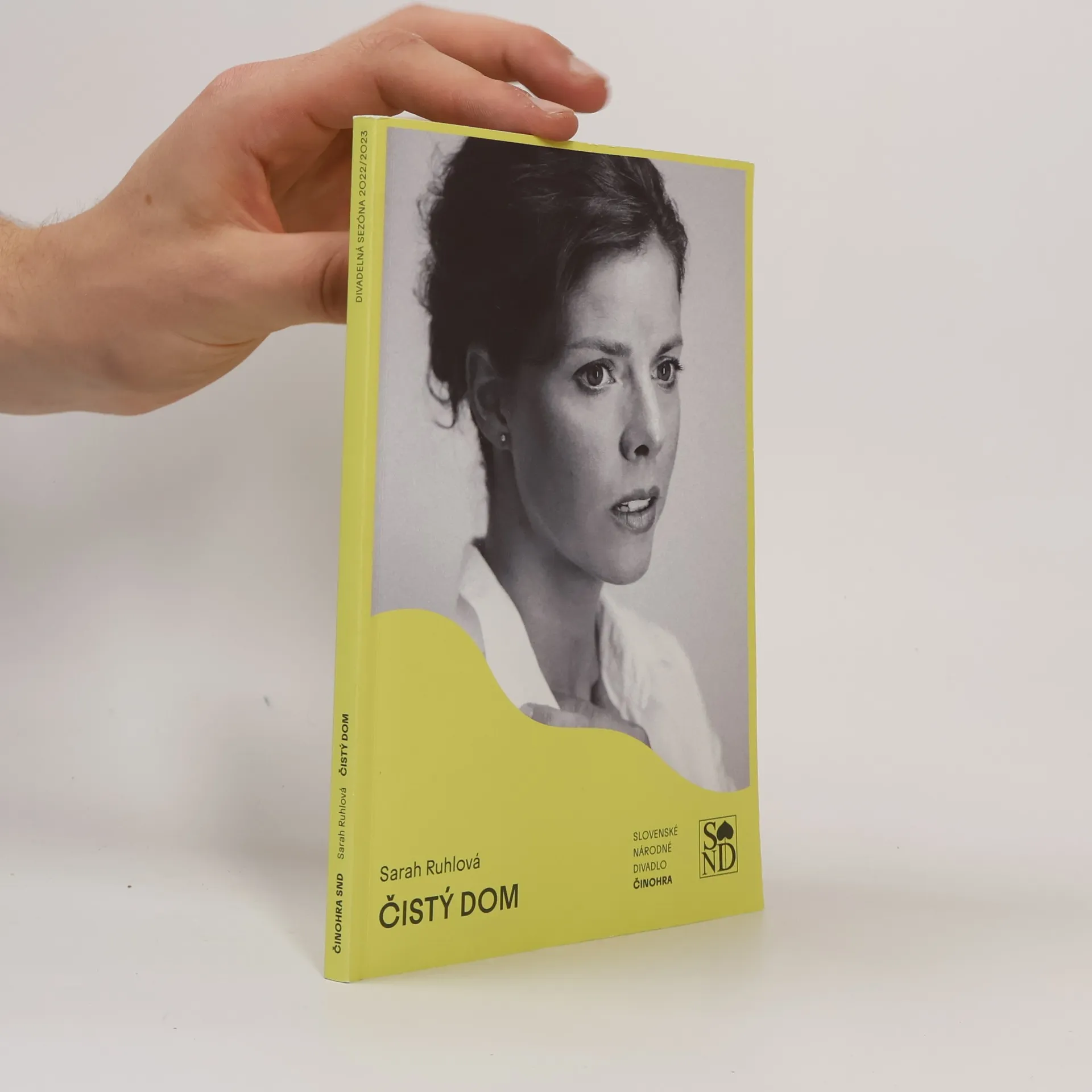
The Clean House
- 91 Seiten
- 4 Lesestunden
The play takes place in what the author describes as "metaphysical Connecticut," mostly in the home of a married couple who are both doctors. They have hired a housekeeper named Matilde, an aspiring comedian from Brazil who's more interested in coming up with the perfect joke than in house-cleaning. Lane, the lady of the house, has an eccentric sister named Virginia who's just nuts about house-cleaning. She and Matilde become fast friends, and Virginia takes over the cleaning while Matilde works on her jokes. Trouble comes when Lane's husband Charles reveals that he has found his soul mate, or "bashert" in a cancer patient named Anna, on whom he has operated. The actors who play Charles and Anna also play Matilde's parents in a series of dream-like memories, as we learn the story about how they literally killed each other with laughter, giving new meaning to the phrase, "I almost died laughing." This theatrical and wildly funny play is a whimsical and poignant look at class, comedy and the true nature of love.