Persian Blues, Psychoanalysis and Mourning
- 158 Seiten
- 6 Lesestunden
In Persian Blues, Psychoanalysis and Mourning, Gohar Homayounpour plays a theme and variations on loss, love, and family against the backdrop of Iran's chaotic recent past.



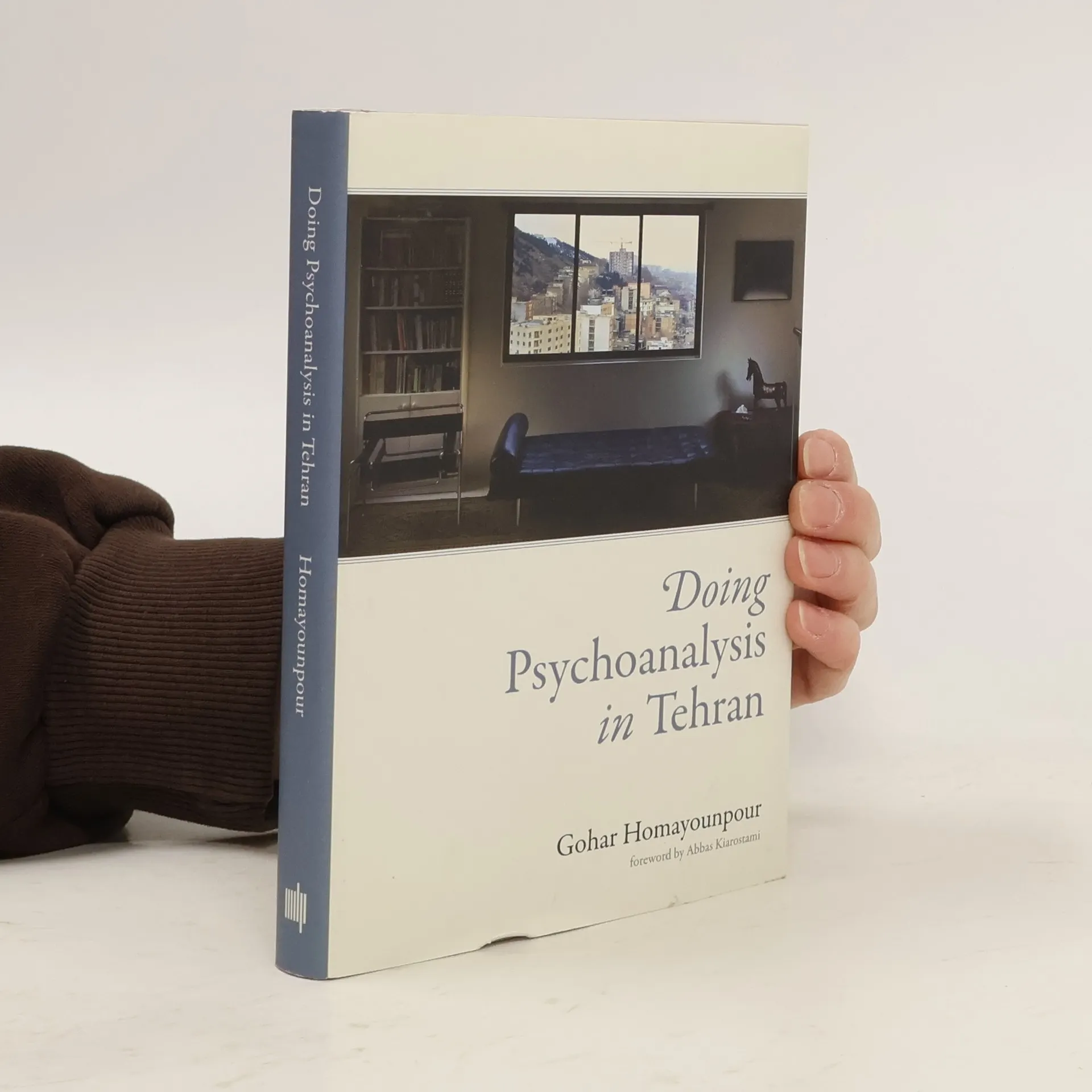
In Persian Blues, Psychoanalysis and Mourning, Gohar Homayounpour plays a theme and variations on loss, love, and family against the backdrop of Iran's chaotic recent past.
Is psychoanalysis possible in the Islamic Republic of Iran? This question drives Gohar Homayounpour's memoir of displacement, nostalgia, love, and pain. After twenty years abroad, the Iranian, Western-trained psychoanalyst returns to Tehran to establish her practice. When an American colleague doubts Iranians can free-associate, Homayounpour asserts that they do nothing but, as their culture is steeped in storytelling. This sets the stage for a rich narrative that mirrors a psychoanalytic session. Homayounpour shares the complexities of returning to her homeland, her admiration for Milan Kundera's work, and her intricate relationship with her father, who translated Kundera into Persian. She also explores the anxieties of influence and disobedience among Iranians. Interwoven are candid glimpses of her sometimes challenging sessions with patients: Ms. N, a renowned artist, grapples with abandonment; a young woman in a chador feels shame after losing her virginity; and a suicidal young man struggles with his desire to live. As a psychoanalyst, Homayounpour recognizes that each story shared often conceals another untold narrative. Through her work, she connects the spoken and unspoken experiences of ordinary Iranians, revealing the depth of their lives in the limited time of each session.