One of the 21st century's most brilliant sociologists confronts his own mortality.
Erik O. Wright Bücher
Erik Olin Wright war ein einflussreicher analytischer marxistischer Soziologe, der sich auf soziale Schichtung und egalitäre alternative Zukünfte des Kapitalismus spezialisierte. Seine Arbeit konzentrierte sich hauptsächlich auf die Untersuchung sozialer Klassen und auf die Aktualisierung und Ausarbeitung des marxistischen Klassenbegriffs. Wright bemühte sich, Klassenkategorien zu entwickeln, die den Vergleich und die Kontrastierung von Klassenstrukturen und -dynamiken in verschiedenen fortgeschrittenen kapitalistischen und postkapitalistischen Gesellschaften ermöglichen würden. Sein Ziel war es zu verstehen, wie Klasse die materiellen Interessen, Lebenserfahrungen und kollektiven Handlungen der Menschen beeinflusst.


Erik Olin Wright, one of the most important sociologists of his time, takes us along on his intimate and brave journey toward death, and asks the big questions about human mortality. Human life is a wild, extraordinary phenomenon: elements are brewed in the cen-ter of stars and exploding supernova, spewed across the universe; they eventually clumped into a minor planet around a modest star; then after some billions of years this "stardust" became complex molecules with self-replicating capacities that we call life. More billions of years pass and these self-replicating molecules join together into more complex forms, evolve into organisms which gain awareness and then consciousness, and finally, eventually, consciousness of their consciousness. Stardust turned into conscious living matter aware of its own existence. And with that comes consciousness of mortality. . . . That I, as a conscious being will cease to exist pales in significance to the fact that I exist at all. I don 't find that this robs my existence of meaning; it 's what makes infusing life with meaning possible.
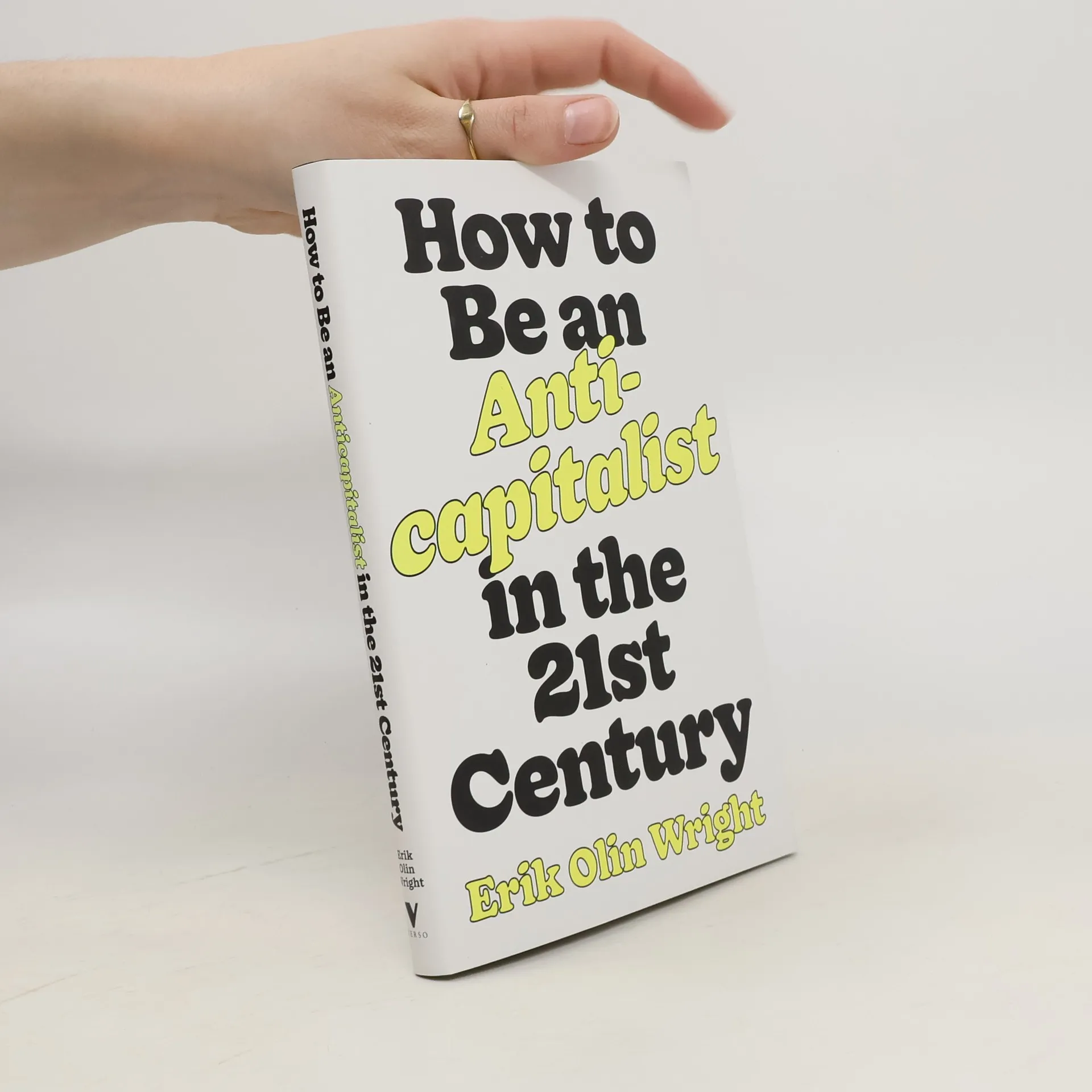
How to Be an Anticapitalist in the Twenty-First Century
- 176 Seiten
- 7 Lesestunden
What is wrong with capitalism, and how can we change it?

The foundational sociological text on class in a modern capitalist economy