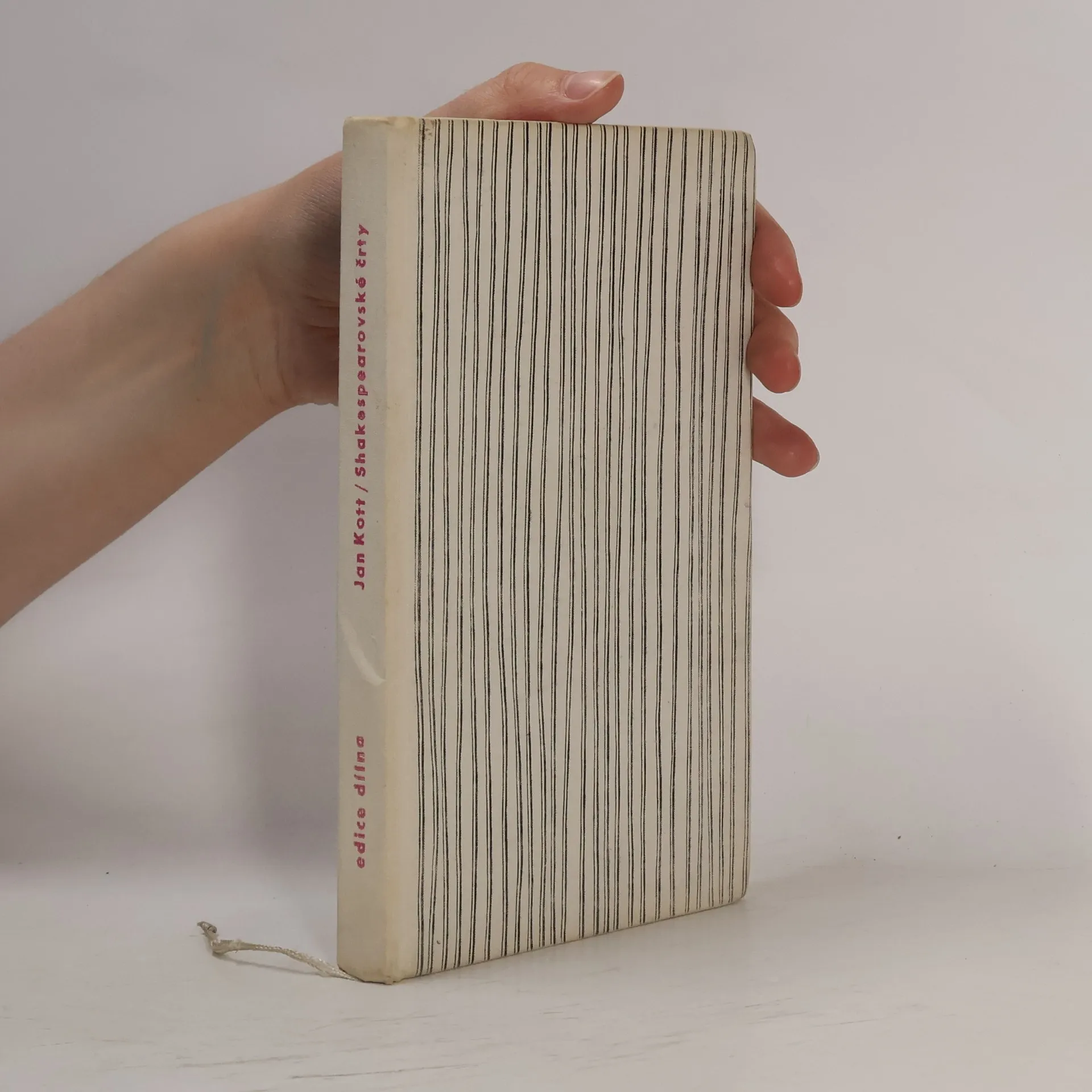
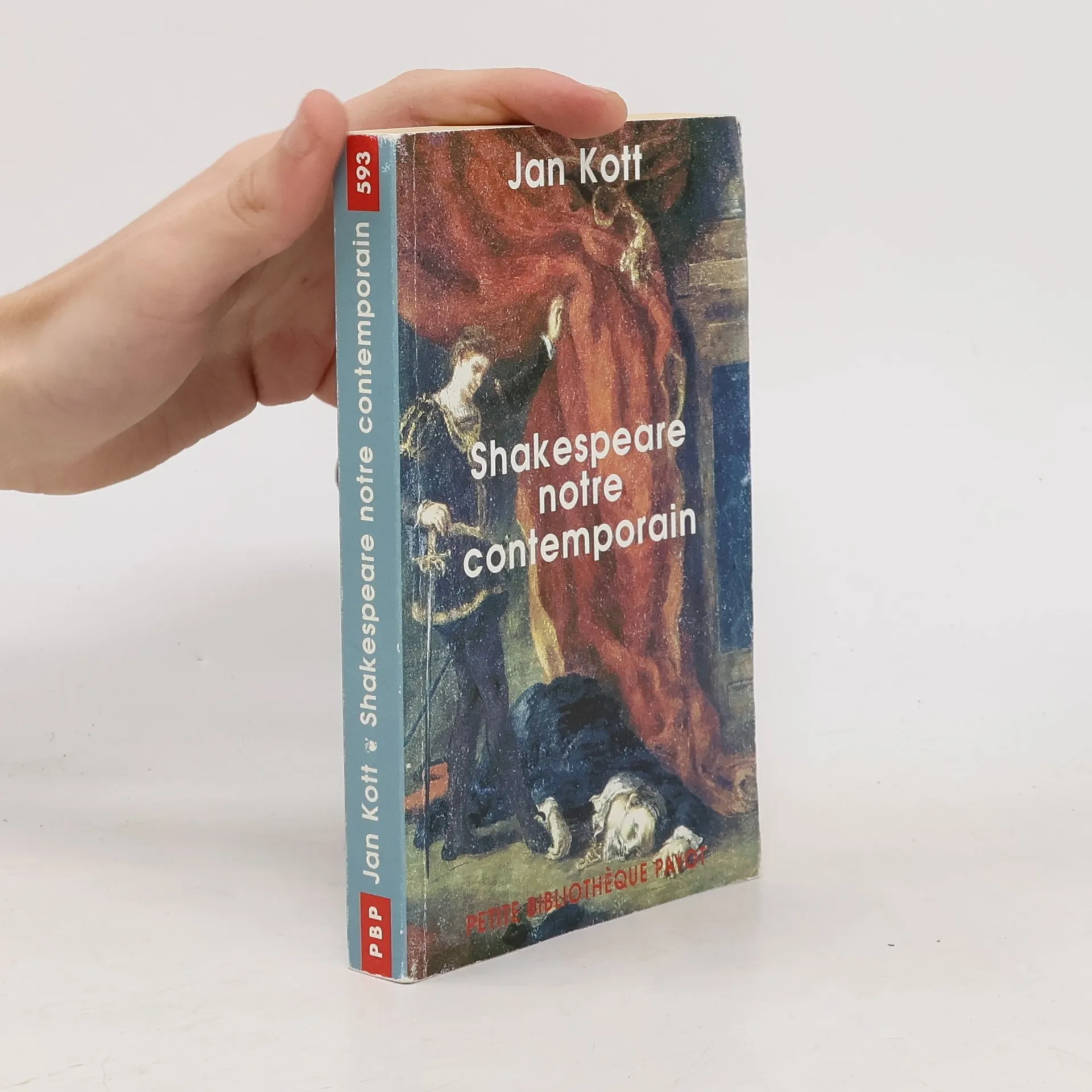
Der Literaturwissenschaftler Jan Kott wurde 1914 in Polen geboren; 1967 emigrierte er aus Polen, seit 1969 lebt und unterrichtet er in den USA.
Jan Kott Bücher
27. Oktober 1914 – 23. Dezember 2001


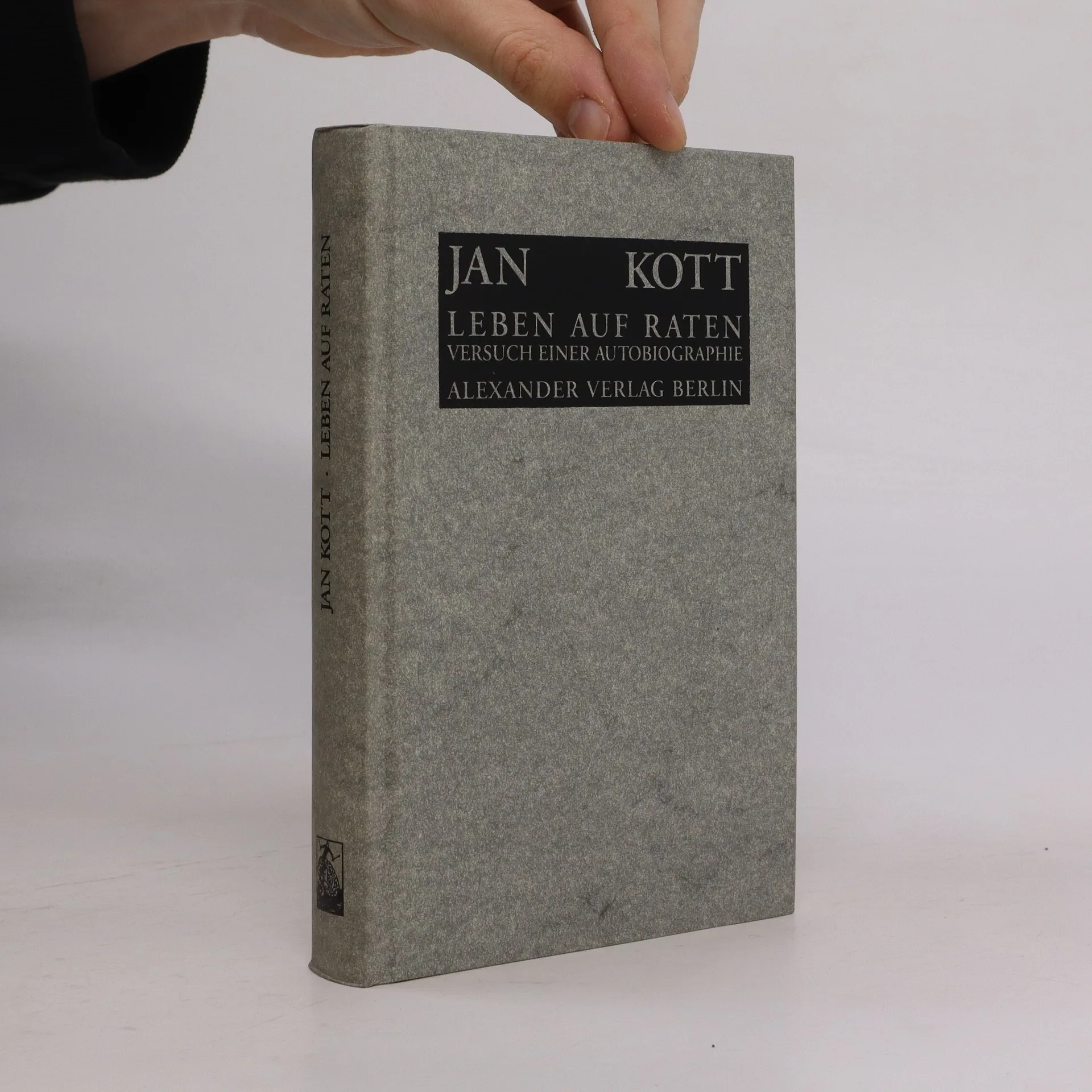
Leben auf Raten
Versuch einer Autobiographie
Die Autobiographie des polnischen Literaturwissenschaftlers und Kritikers. „Daß sein Shakespeare heute, sein Gott-Essen nicht nur Erfindungen eines gewaltbesessenen Literaturwissenschaftlers sind - wir hatten es geahnt. Wie direkt sie eigene Erfahrungen widerspiegeln, das belegt diese Autobiographie mehrfach. Es ist auch ein Gedenkbuch, kaum zählbar die Namen derer, die Jan Kott kannte und die umgebracht wurden: von Deutschen und Sowjets, von den eigenen Landsleuten. Das Buch ist atemberaubend spannend, wenn Kott Grenzsituationen schildert: den Brand im Warschauer Ghetto, die Flucht aus dem Transport ins Nirgendwo, die Partisanenzeit und die erbitterten Anstrengungen, unter Hammer und Sichel wenigstens ein Minimum an (innerer) Freiheit zu bewahren.“ Roland Wiegenstein, Frankfurter Rundschau
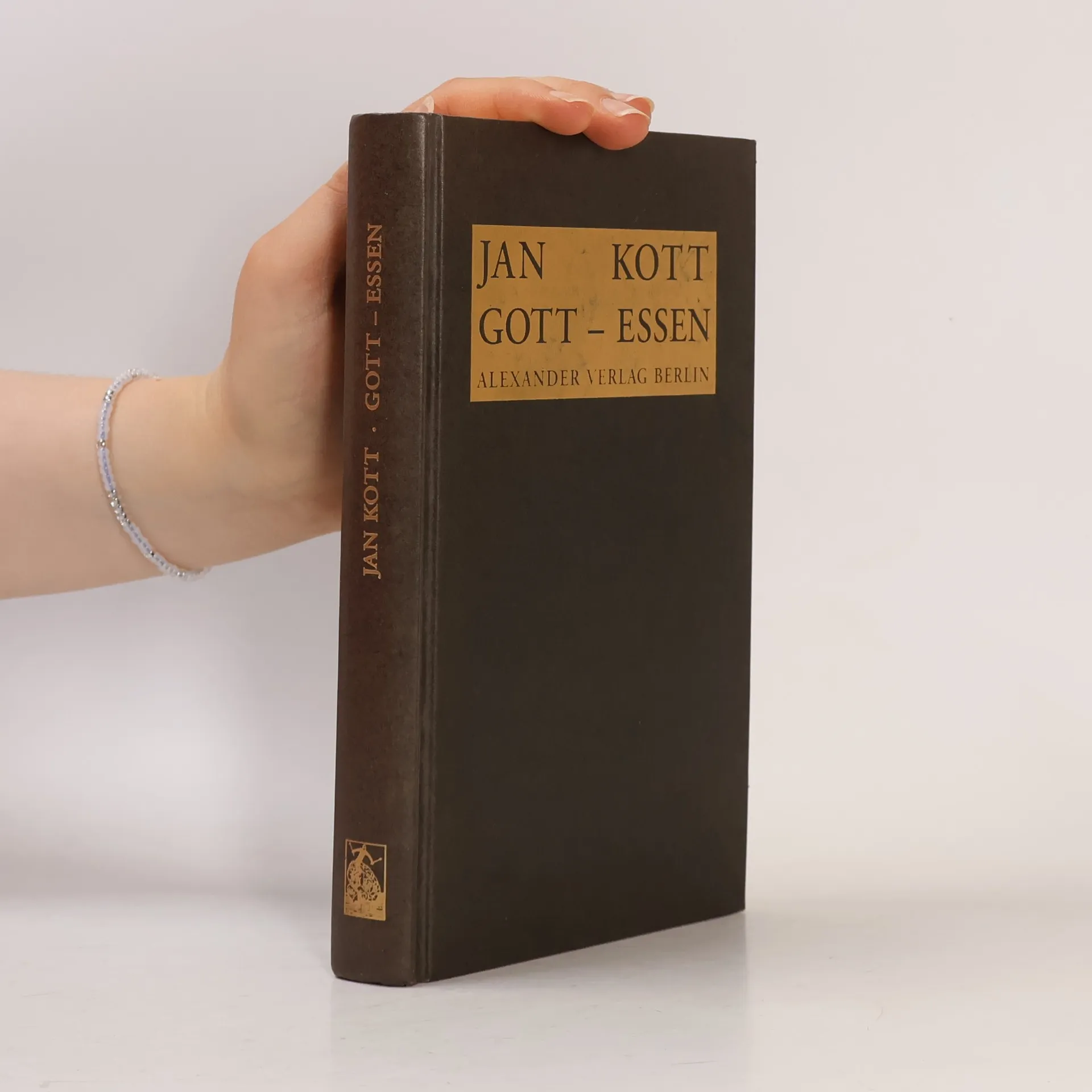
Gott-Essen
Interpretationen griechischer Dramen
Nach Shakespeare heute schrieb Kott über die griechische Tragödie und suchte in ihr ebenfalls nach der Gegenwärtigkeit der Texte.
Powiastki dla wnuczek
- 64 Seiten
- 3 Lesestunden
"Ciekawość i błyskotliwość stylu pasują Kotta na jednego z lepszych polskich eseistów. Pod koniec życia coraz bardziej jego uwaga kierowała się ku szczegółom, również tym doświadczanym przez ciało. Toteż swoje zawały zrobił przedmiotem obserwacji i stawał się coraz bardziej pisarzem prywatnych doświadczeń. Ale tak jak to u niego zawsze, zobaczenie czegoś, np. dzieci bawiących się nad morzem, rozpętywało serię wynalazczych skojarzeń".Czesław Miłosz
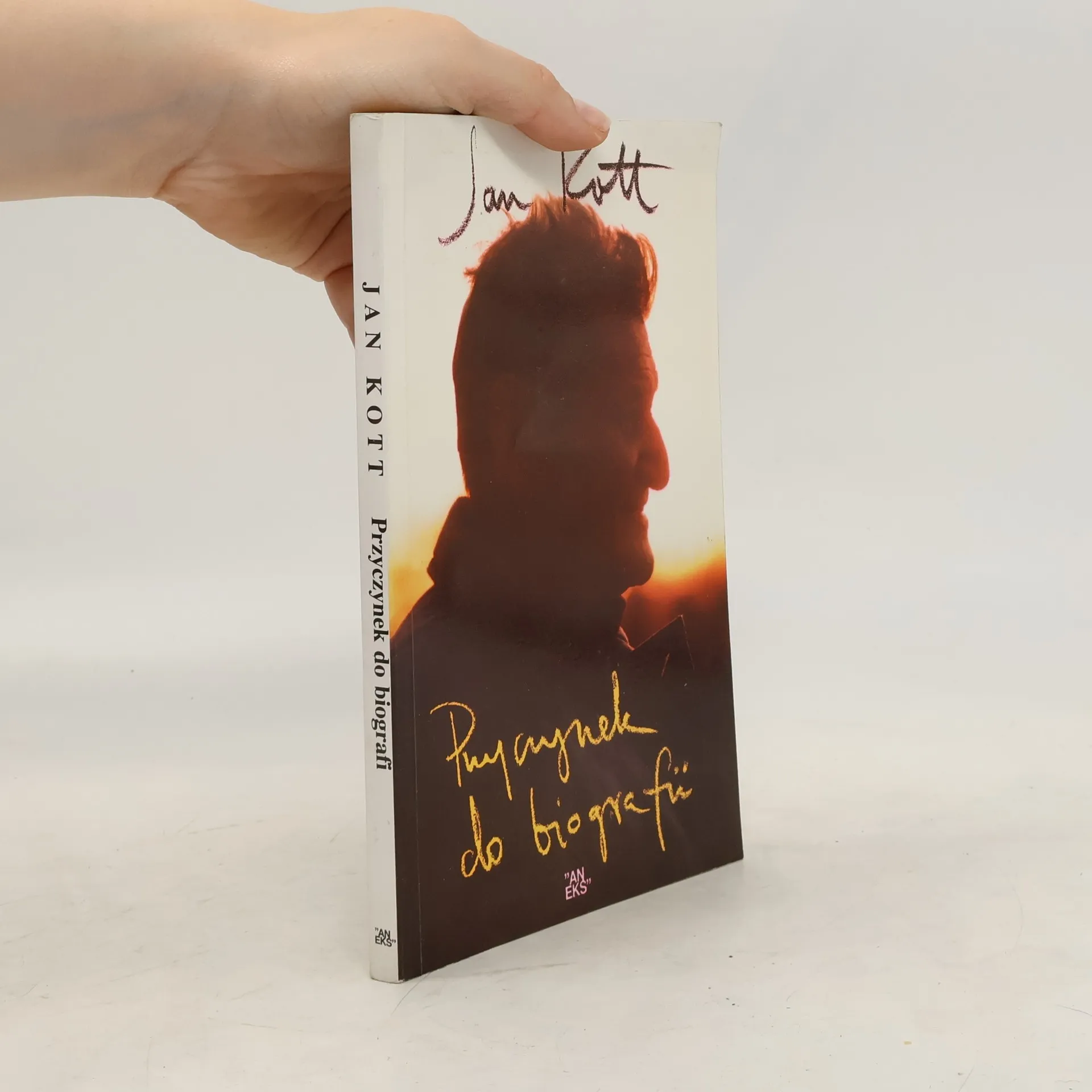
Przyczynek do biografii
- 182 Seiten
- 7 Lesestunden
Kniha uznávaného divadelního kritika Jana Kotta byla ve své době (60. léta) doslova revoluční ve svém pohled na postavy a jiné aspekty díla Williama Shakespeara. Kott se snaží v duchu tehdější "filosofické módy" o psychoanalitický a částečně i existenciální rozbor díla W. S. Kniha zůstává inspirativní i dnes, téměř po padesáti letech, a to nejen pro shakespearology.