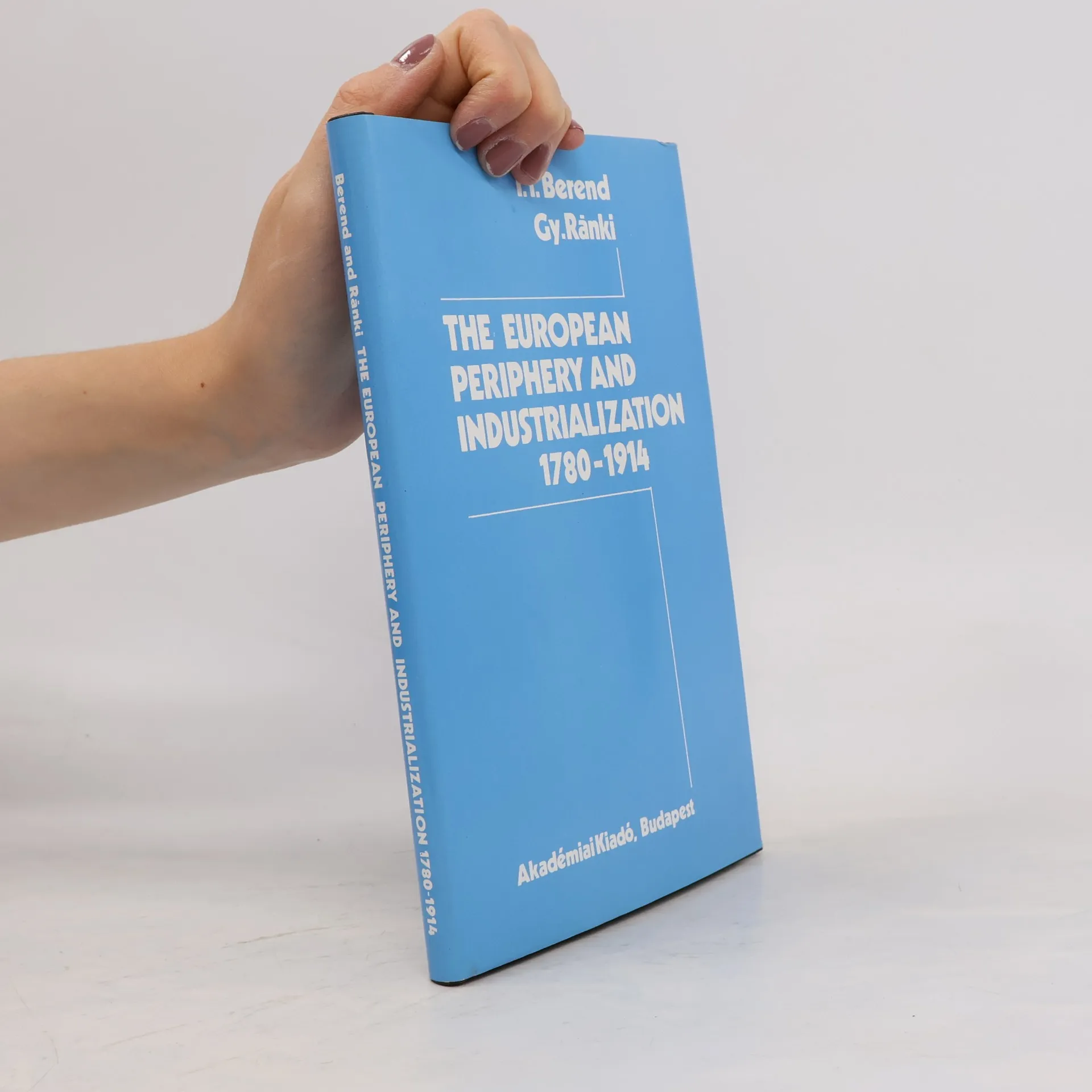


Iván T. Berend Reihenfolge der Bücher


- 2023
- 2021
Readers will gain a deeper understanding of the sharp divergence in economic standing between the four different regions of Europe, as well as knowledge about how institutional corruption and other cultural features exacerbated these variations.
- 2020
A Century of Populist Demagogues
- 320 Seiten
- 12 Lesestunden
- 2016
An Economic History of Twentieth-Century Europe
- 372 Seiten
- 14 Lesestunden
The book offers a comprehensive analysis of European economic development from the early twentieth century to the present, highlighting the evolution of capitalism and the rise and fall of fascist and communist regimes. It examines the causes and effects of the 2008 financial crisis, showcasing both successes and failures in addressing economic challenges. The author employs clear prose and case studies to illustrate key factors behind economic growth and the gradual reduction of regional disparities due to increased integration across Europe.

- 2012
An Economic History of Nineteenth-Century Europe
- 540 Seiten
- 19 Lesestunden
A transnational survey of the economic development of Europe, exploring why some regions advanced and some stayed behind.
- 2010
Europe since 1980
- 344 Seiten
- 13 Lesestunden
The book explores the profound changes in Europe as it transitioned from the Cold War era to the formation of the European Union. It examines the economic, social, political, and cultural shifts that shaped the continent, highlighting key events and movements that influenced integration and cooperation among European nations. Through detailed analysis, it sheds light on the challenges and opportunities that arose during this pivotal period in European history.
- 2007
Central and Eastern Europe, 1944 1993
Detour from the Periphery to the Periphery
- 436 Seiten
- 16 Lesestunden
The book offers a detailed comparative analysis of Eastern Bloc economies amid significant revolutionary transformations. It explores the economic structures, policies, and outcomes of various nations in the region, highlighting the challenges and adaptations they faced during this tumultuous period. Through rigorous examination, the author sheds light on the broader implications for economic theory and practice in post-revolutionary contexts.