



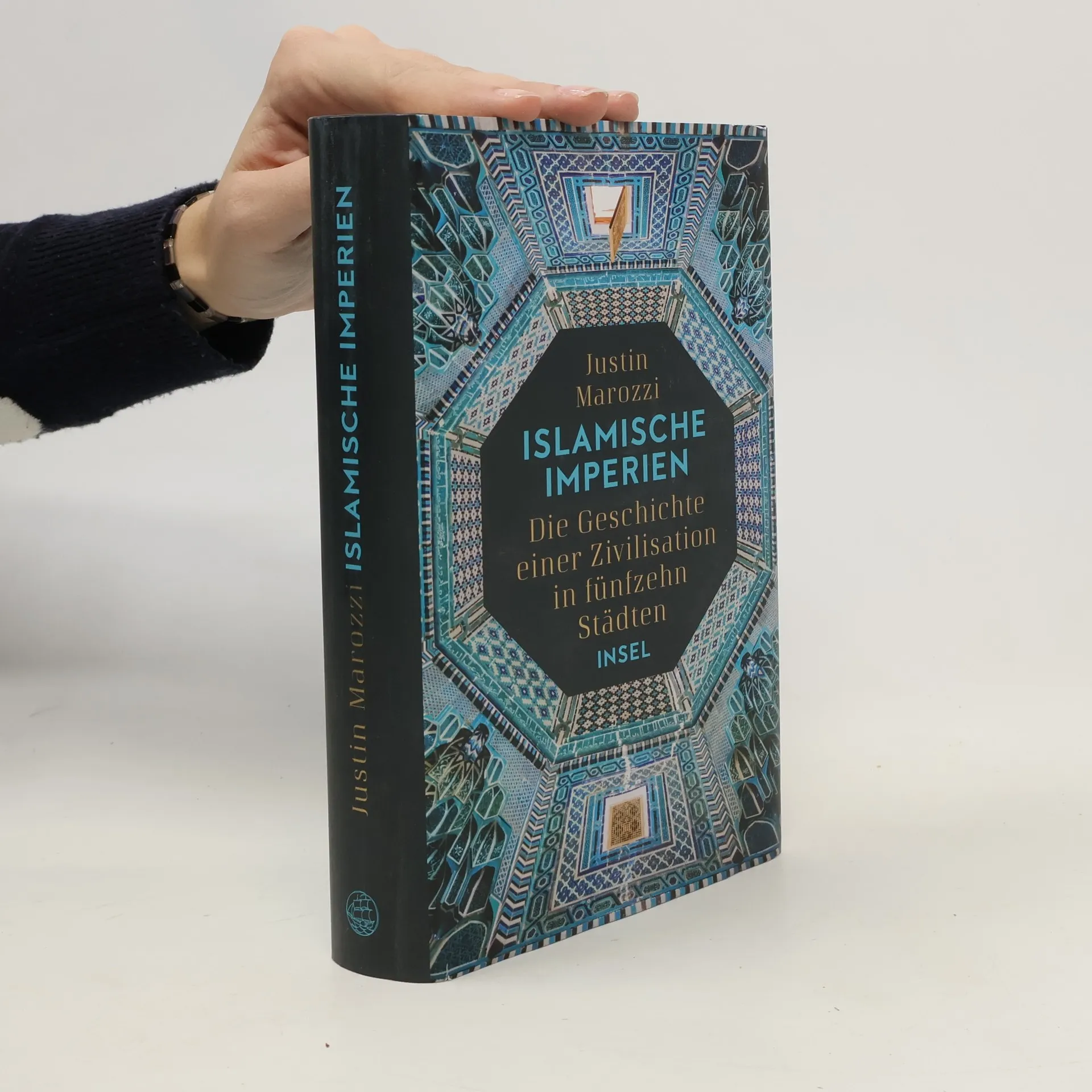
Islamische Imperien
Die Geschichte einer Zivilisation in fünfzehn Städten | »Eine herausragende Geschichte des Islam.« Peter Frankopan
Eine Geschichte der reichen und vielfältigen Zivilisationen über fünfzehn Jahrhunderte des Islam, gesehen durch seine größten Städte. Die islamische Zivilisation war einst der Neid der Welt. Von einer Reihe glanzvoller, kosmopolitischer Hauptstädte herrschten die islamischen Imperien über den Nahen Osten, Nordafrika, Zentralasien und große Teile des indischen Subkontinents, während Europa schwach am Rand verweilte. Über Jahrhunderte war das Kalifat sowohl auf dem Schlachtfeld als auch im Kampf der Ideen überlegen, seine Städte waren unvergleichliche Zentren künstlerischer Pracht, wirtschaftlicher Macht, spiritueller Heiligkeit und zukunftsorientierten Denkens, in denen nichts tabu war. "Islamische Imperien" erzählt die Geschichte dieser reichen und vielfältigen Zivilisation durch ihre größten Städte, von den frühesten Anfängen in Mekka im siebten Jahrhundert bis zum erstaunlichen Aufstieg Dohas im einundzwanzigsten Jahrhundert. Marozzi verbindet brillant die entscheidenden Momente der islamischen Geschichte: von den göttlichen Offenbarungen des Propheten Mohammed in Mekka und dem Ersten Kreuzzug 1099 bis zur Eroberung Konstantinopels 1453 und der phänomenalen Schaffung der Handelsrepublik Beirut im neunzehnten Jahrhundert und wie sich diese Welt bis heute weiter verändert.