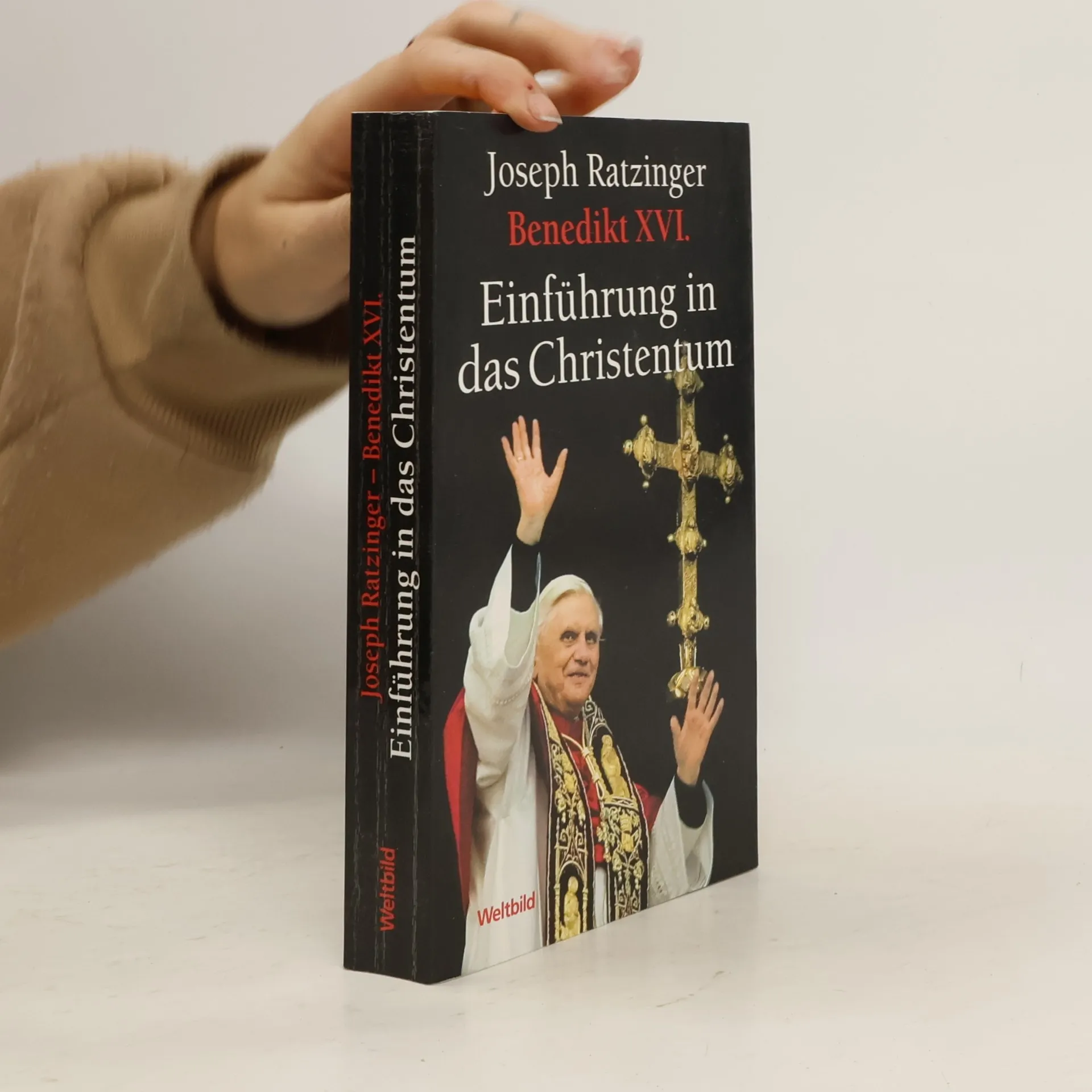
Einführung in das Christentum
- 368 Seiten
- 13 Lesestunden
Genehmigte Lizenzausgabe der Verlagsgruppe Weltbild GmbH 2007 2006 2005


Joseph Ratzinger, bekannt als Benedikt XVI., war ein Theologe und bedeutender Denker, der sich in seinen Schriften der Verteidigung der traditionellen katholischen Lehre und Werte widmete. Sein Werk betonte oft eine Rückkehr zu grundlegenden christlichen Prinzipien als Antwort auf die wachsende Säkularisierung und den Relativismus des 21. Jahrhunderts. Ratzinger sah die Leugnung objektiver und moralischer Wahrheit als zentrales Problem seiner Zeit. Durch seine umfangreichen literarischen Veröffentlichungen und die Gründung einer Stiftung zur Unterstützung von Studenten bemühte er sich, ein Verständnis der erlösenden Liebe Gottes und der Bedeutung des Gebets zu verbreiten.
Genehmigte Lizenzausgabe der Verlagsgruppe Weltbild GmbH 2007 2006 2005
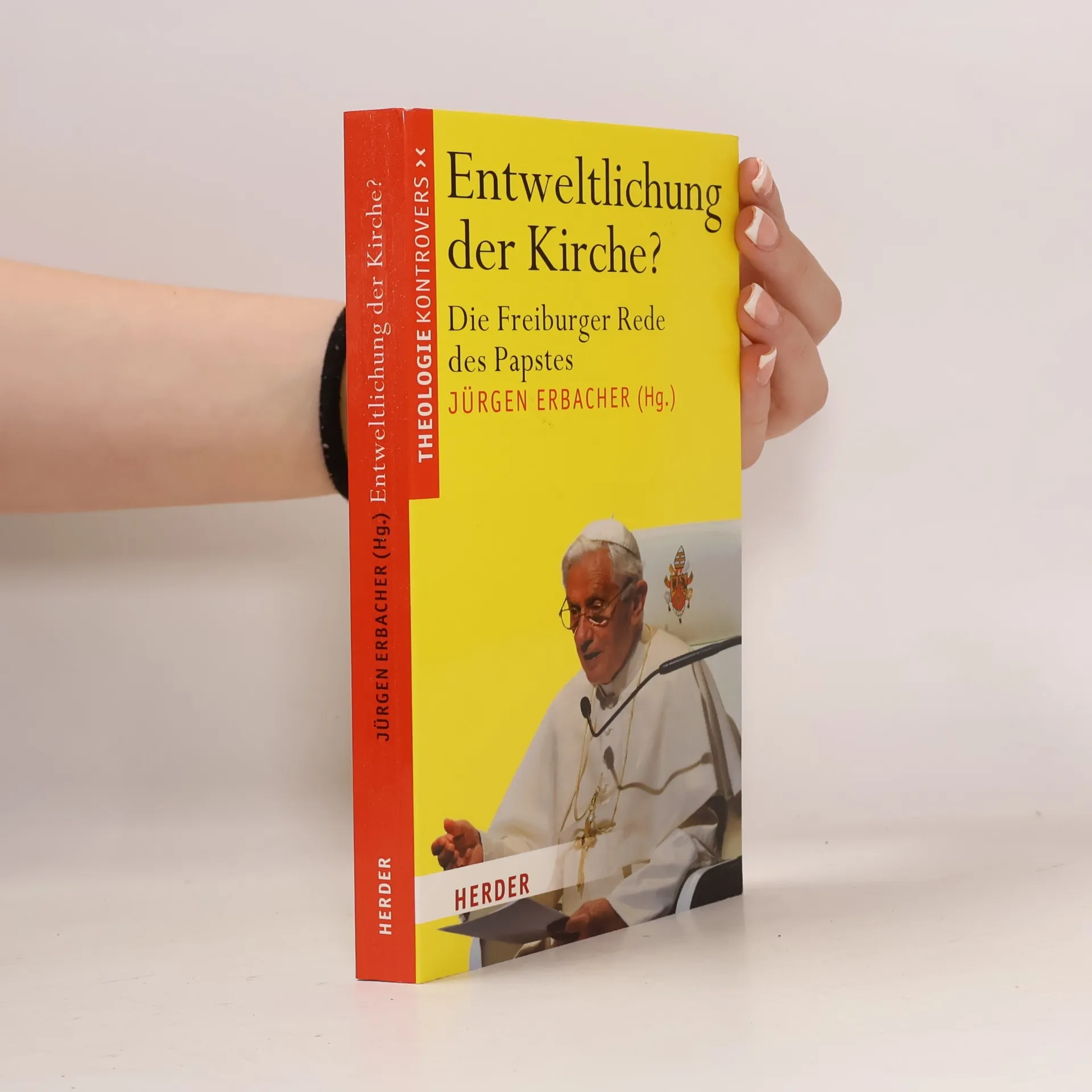
'Um so mehr ist es wieder an der Zeit, die wahre Entweltlichung zu finden, die Weltlichkeit der Kirche beherzt abzulegen.' Diese These von Papst Benedikt XVI., vorgetragen in seiner Freiburger Rede während seines Deutschlandbesuchs, hat Fragen, Irritationen und Kontroversen hervorgerufen. Was hat der Papst gemeint? Wie soll das Verhältnis von Kirche und Staat in Deutschland gestaltet werden? Soll die Kirche auf Privilegien verzichten und, wenn ja, auf welche? In diesem Band nehmen Theologen, Politiker, Verbandsvertreter und Journalisten Stellung, analysieren die Diskussion und führen diese fort.
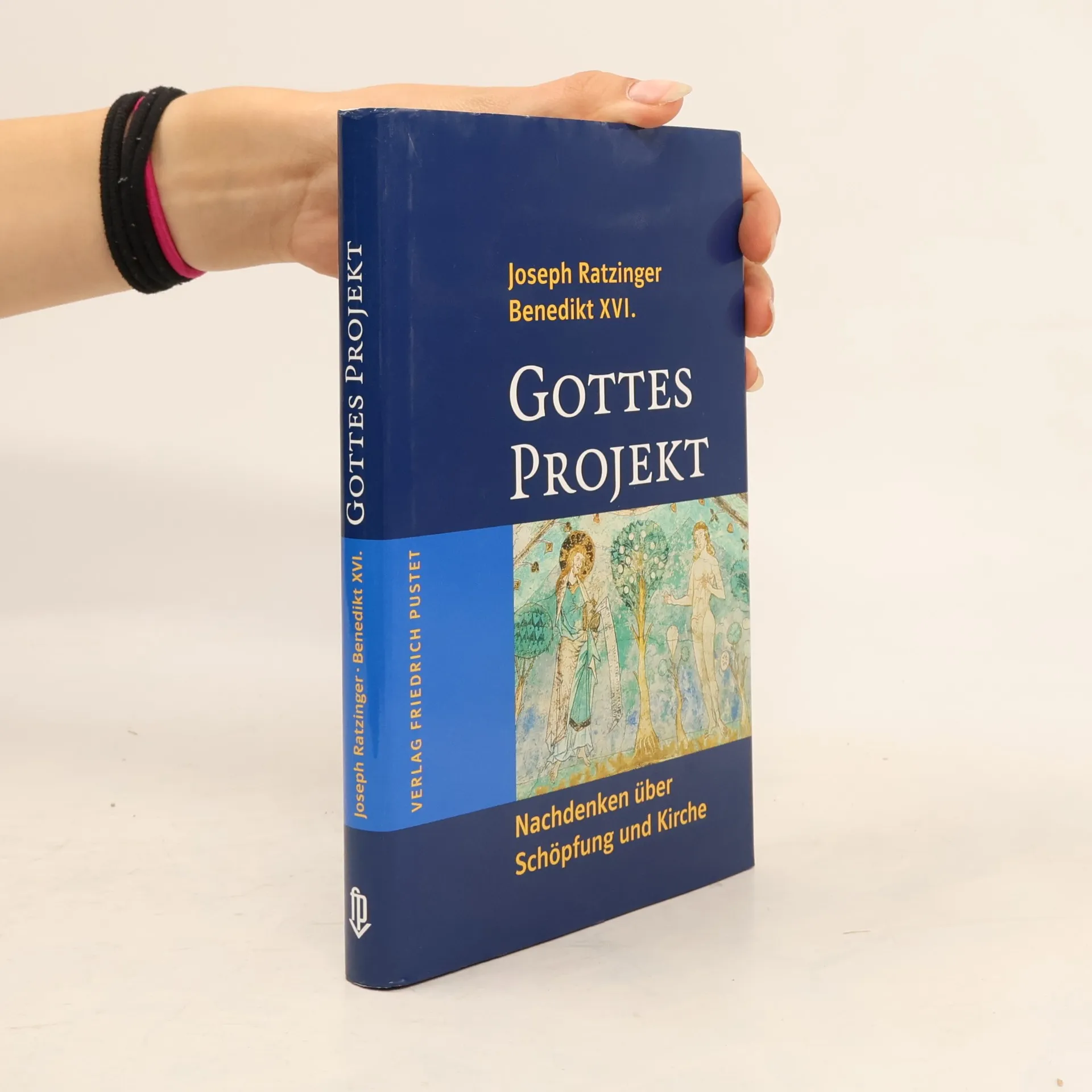
„Die Erkenntnis, dass der Mensch nicht irgendein Zufallsprodukt der Erde, sondern jeder ein Projekt Gottes ist, ist der letztlich allein tragende Grund für die Unverletzlichkeit der Menschenwürde.“ Joseph Ratzinger führt diesen Gedanken in einer theologischen Auslegung der biblischen Schöpfungstexte aus. So zeichnet er Gottes Projekt, das christliche Welt- und Menschenbild, in seiner bekannt klaren und brillanten Sprache nach und verhilft dem Leser zu einem tiefgründigen Verständnis der Schöpfung und des Umgangs mit ihr. Diesem Buch liegen Tonbandmitschnitte der Vorträge zu Grunde, die Joseph Kardinal Ratzinger 1985 in St. Georgen am Längsee (Österreich) hielt.
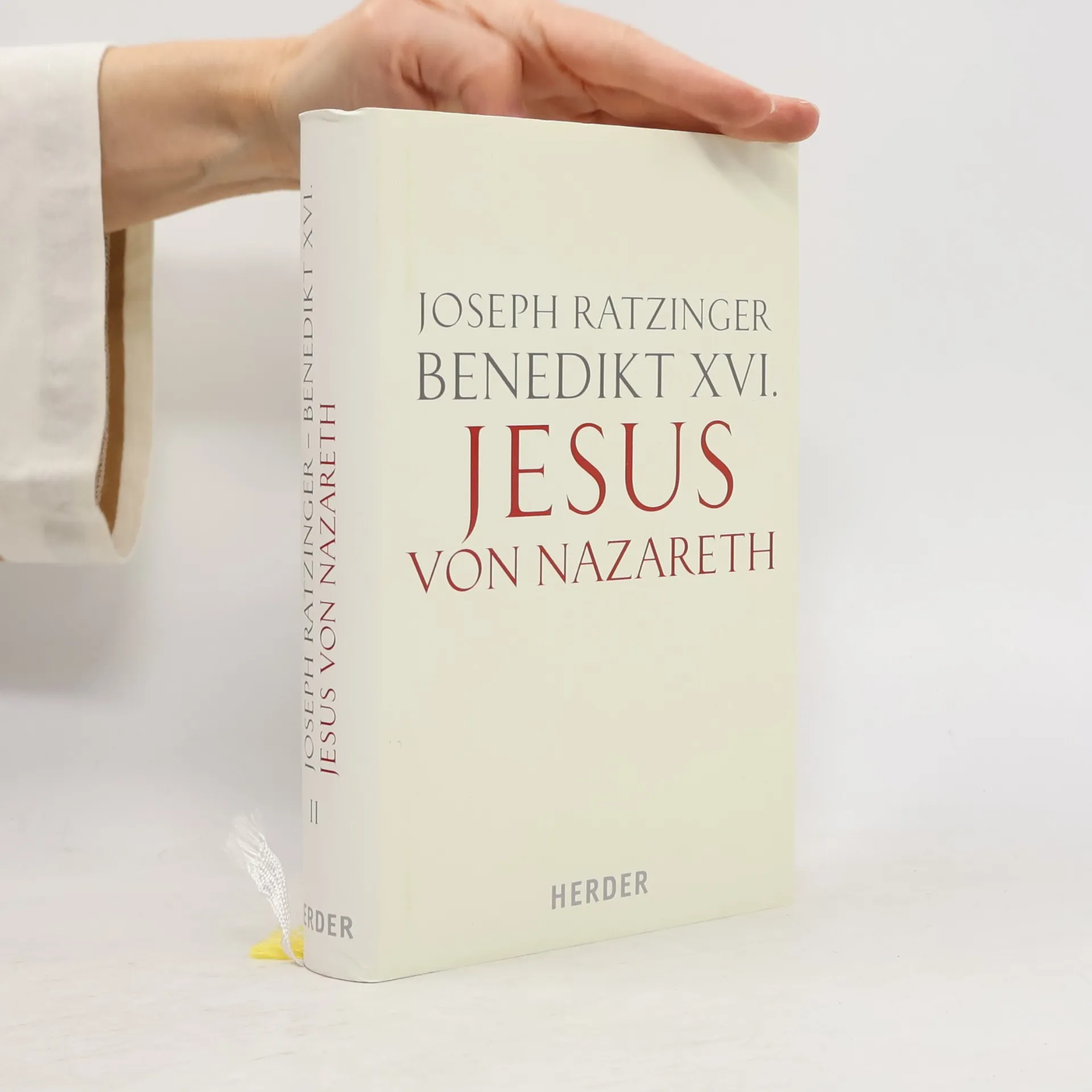
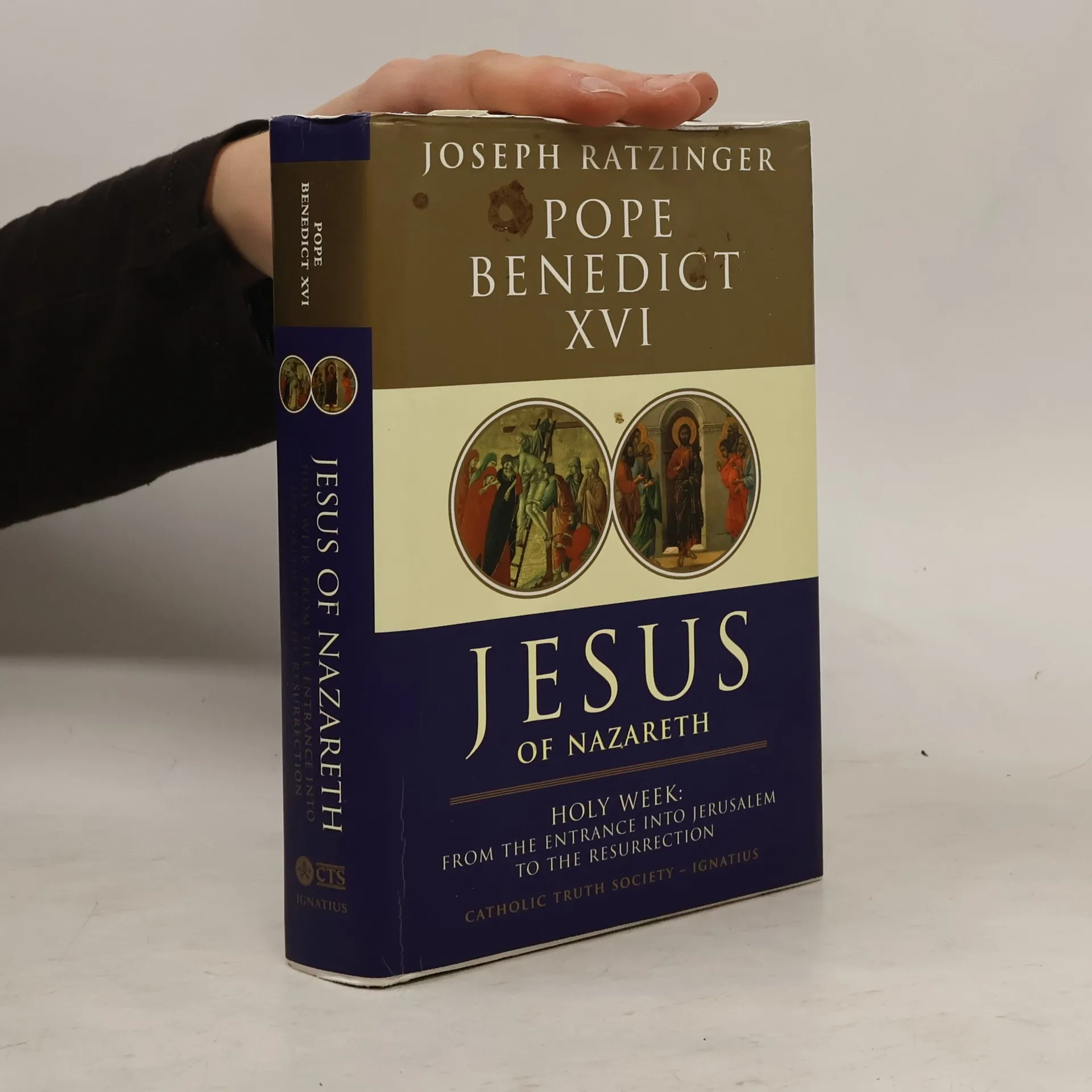
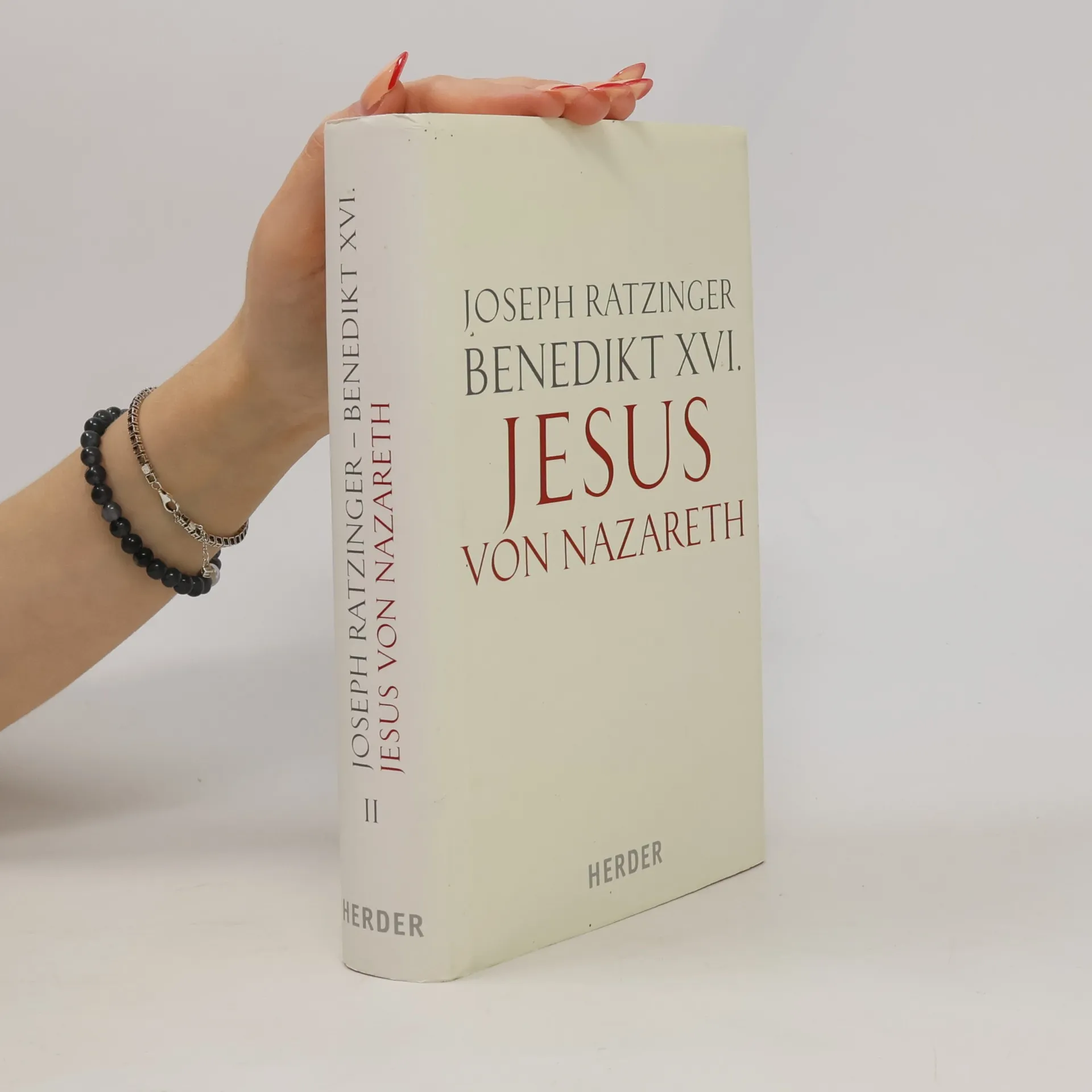
Was hat das Christentum auf die Grundfragen des Menschseins heute zu sagen? Die Antwort darauf hängt unmittelbar zusammen mit der Frage: Wer ist Jesus von Nazareth? War er nur ein großer Mensch oder ist er mehr? Sein Leben lang hat Joseph Ratzinger sich mit Jesus von Nazareth beschäftigt, ihn als Professor, als Bischof, als oberster Glaubenshüter, als Papst zu verstehen gesucht. Als Kardinal hatte er vor einigen Jahren mit dem Buch begonnen. Nach seiner Wahl zum Papst nutzte er jede freie Minute zum Weiterschreiben. Dieses Werk zieht die Summe eines großen Theologenlebens. Es ist wohl das persönlichste Buch, das Joseph Ratzinger und das überhaupt je ein Papst geschrieben hat. Benedikt XVI. ist überzeugt: Historisch-kritische Vernunft und Glaube sind kein Widerspruch - im Gegenteil: Es geht darum, den Evangelien zu trauen.
This book is an utterly brilliant example of Benedict XVI at his very best . As a Christian apologist and exegete he rightly holds the highest position in the Church but as a teacher and intellectual evangelist he also excels . His deep understanding, novel insights, and clear exposition, make his work easy and rewarding to read . Anyone wanting an introduction to his work should read this and savour it . Anyone wanting an introduction to Christian thought should buy it. His literary skills alone, which transcend translation, are very considerable and enjoyable in their own right . His forensic examination of historical and theological arguments, his breadth of reading, and his ability to bring new conclusions to light are a joy .
From his first homily as pope to the last public hearing, these are the 10 great speeches of Benedict XVI's pontificate.Since his death in 2022, Benedict XVI has been celebrated as a leader of profound wisdom and dismissed as an unrepentant traditionalist. With God You Are Never Alone presents Benedict XVI as he was--a man of faith, in his own words. These speeches--his deepest thoughts and beliefs--are the truth of his legacy.Collected here are ten speeches, including his speech on visiting Auschwitz, his address to the House of Commons and House of Lords, his address to the German Bundestag in Berlin, his address to the United Nations, his notorious Regensburg speech and the speech in which he announced his historic resignation. His thoughtful speeches present an inspiring thinker who still has much to teach about not just religion, but the common good. These are the speeches that reveal the depth of his theological reflection in simple language that has nourished the faith of millions.
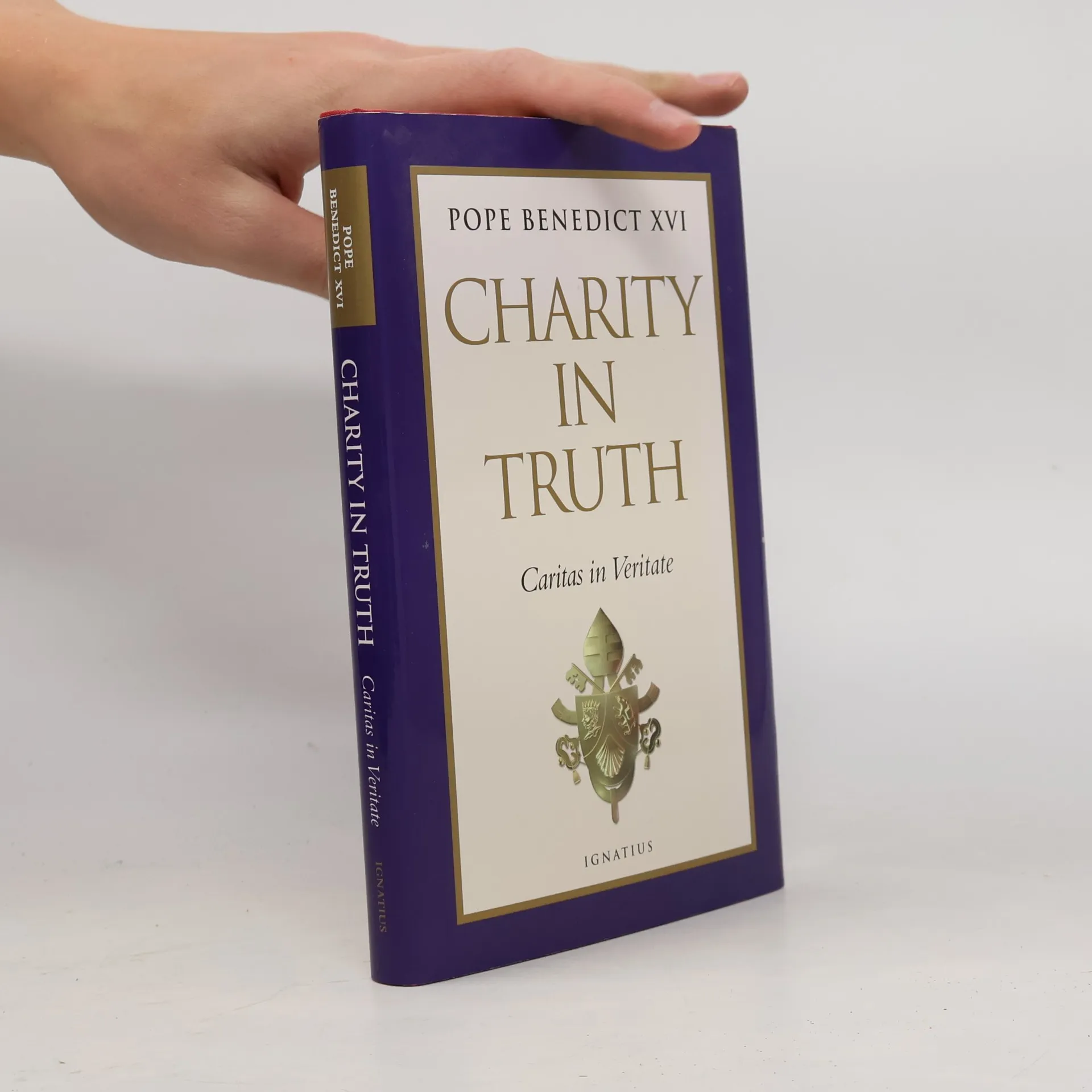
Benedict XVI offers a comprehensive exploration of social issues in Charity in Truth, addressing topics from profit and environmentalism to government roles in the economy and the necessity of moral transformation. He emphasizes the need for discernment, urging that faith and reason must refine our ideas to avoid extreme views. While the encyclical is often seen as a treatise on social justice, it prioritizes "charity" and "truth" as fundamental principles. Charity is central to the Church's social doctrine; without truth and love for what is true, social conscience deteriorates, leading to actions that serve private interests. Benedict advocates for "integral human development," which encompasses the spiritual dimension and the perspective of eternal life, arguing that neglecting these aspects stifles human progress. He stresses the importance of "openness to life," warning that disrespect for life undermines societal conscience and environmental ecology. Economic decisions carry moral weight, and he critiques both unrestrained capitalism and socialism. Instead, he proposes a balance of market logic and political oversight, emphasizing the need for generosity and gratuitousness among citizens. Benedict also cautions against viewing technology as a panacea without moral consideration, asserting that humans must embrace responsibility in addressing social challenges. He calls for a humble yet confident approach, believing tha
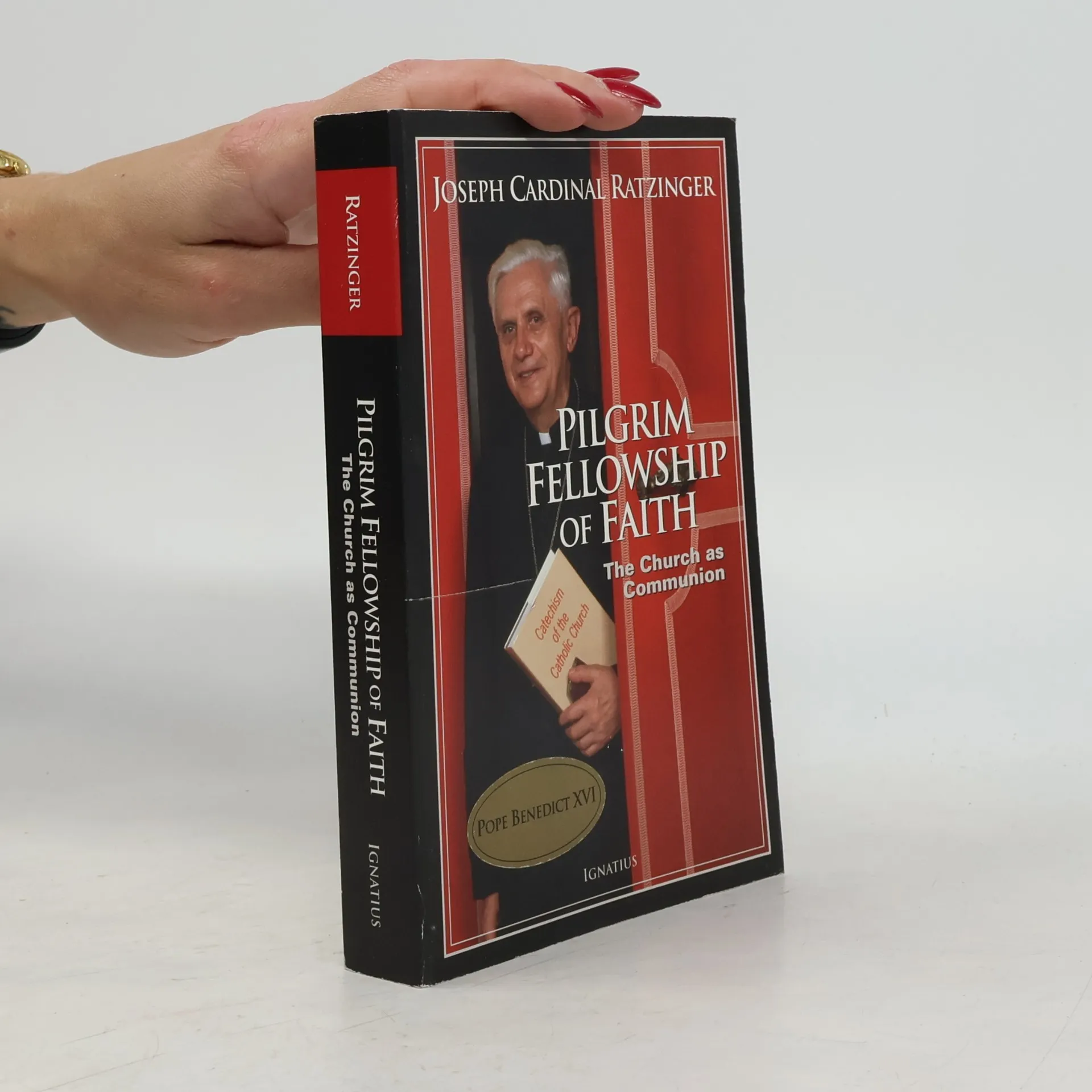
Joseph Ratzinger, now Pope Benedict XVI, has been the most visible member of the Catholic clergy in the world second only to Pope John Paul II. His status as the head of the Congregation for the Doctrine of the Faith made him one of the most discussed churchmen in recent history.On the occasion of Ratzingers's seventy-fifth birthday, his former students selected essays, lectures, letters, and conferences that Ratzinger has written in recent years― writing that they feel best represents his position on issues of theology, the modern world, secularism, non-Christian religious, and other key topics of the Catholic Church. This book, characterized by Ratzinger's concisely reasoned style, is an invaluable resource to those who wish to understand the modern Church and the thinking of Pope Benedict XVI, as well as a treasured volume for those who are students of Ratzinger's theology.