
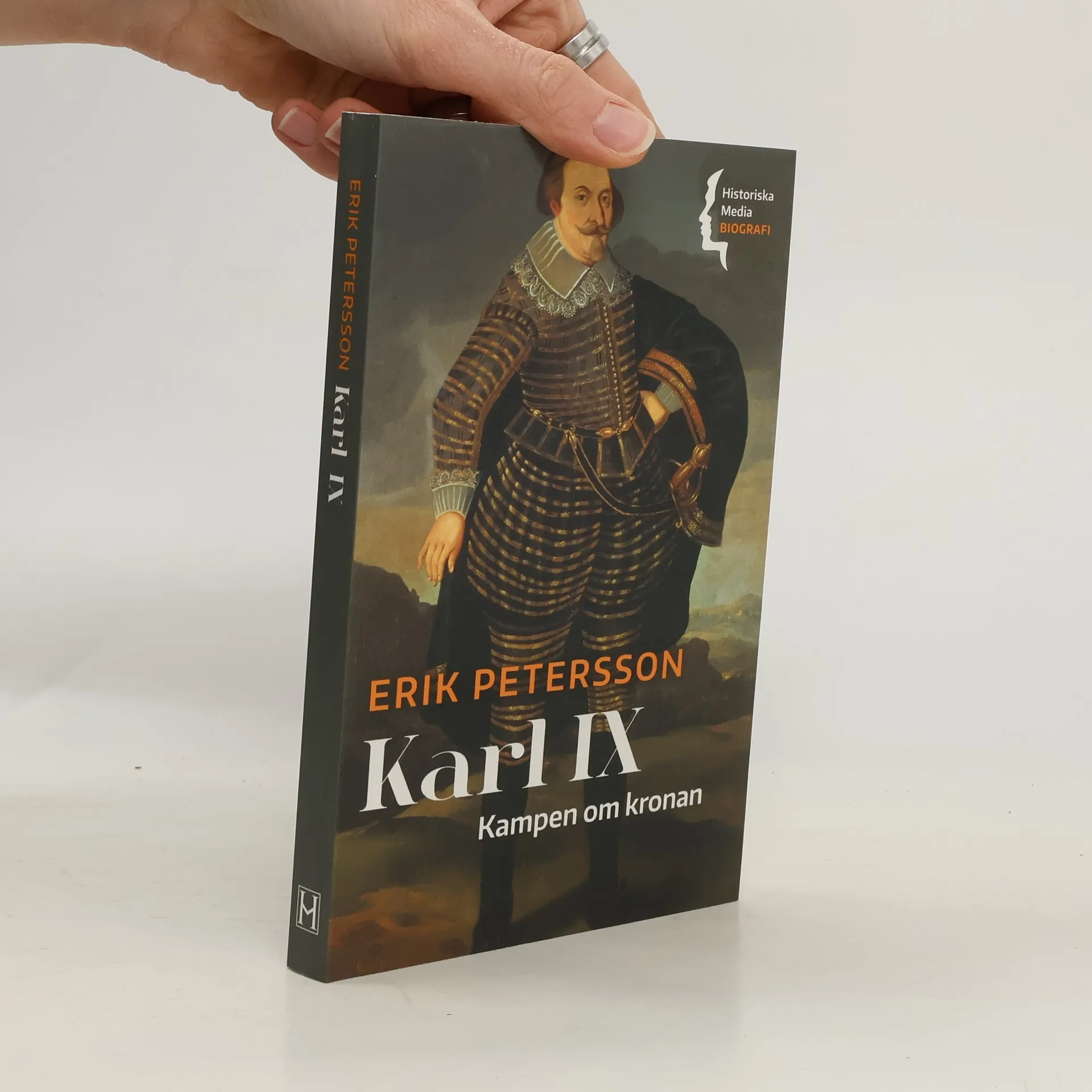
Karl IX har gått till historien som en hänsynslös härskare, som utan pardon lät avrätta sina politiska motståndare i slutet av 1500-talet.Men Gustav Vasas yngste son var mer än så. Han bidrog genom sitt kontaktnät till internationellt utbyte och introducerade tekniska innovationer som skulle bli viktiga både för handel och industri.Som tonåring hade Karl hjälpt sin äldre bror, Johan III, till tronen. Efter Johans död var det till sist bara hans son, den katolske Sigismund, som stod i vägen för Karls alltmer uppenbara vilja att själv nå tronen. Konflikten mellan Karl och Sigismund förvandlades till ett regelrätt inbördeskrig, det sista i Sverige, där religiösa motsättningar blev avgörande i kampen om kronan.I den här biografin ger historikern Erik Petersson en nyanserad bild av lillebrodern som spelade sina kort rätt i en orolig tid, med liv och riken som insats.Boken ingår i serien Biografi.
Petersson Erik Reihenfolge der Bücher (Chronologisch)


Using the Russian president’s major public addresses as the main source, Bo Petersson analyzes the legitimization strategies employed during Vladimir Putin’s third and fourth terms in office. The argument is that these strategies have rested on Putin’s highly personalized blend of strongman-image projection and presentation as the embodiment of Russia’s great power myth. Putin appears as the only credible guarantor against renewed weakness, political chaos, and interference from abroad―in particular from the US.After a first deep crisis of legitimacy manifested itself by the massive protests in 2011–2012, the annexation of Crimea led to a lengthy boost in Putin’s popularity figures. The book discusses how the Crimea effect is, by 2021, trailing off and Putin’s charismatic authority is increasingly questioned by opposition from Alexei Navalny, the effects of unpopular reforms, and poor handling of the COVID-19 pandemic.Moreover, Russia is bound to head for a succession crisis as the legitimacy of the political system continues to be built on Putin’s projected personal characteristics and―now apparently waning―charisma, and since no potential heir apparent has been allowed on center stage. The constitutional reform of summer 2020 made it possible in theory for Putin to continue as president until 2036. Yet, this change did not address the Russian political system’s fundamental future leadership dilemma.