

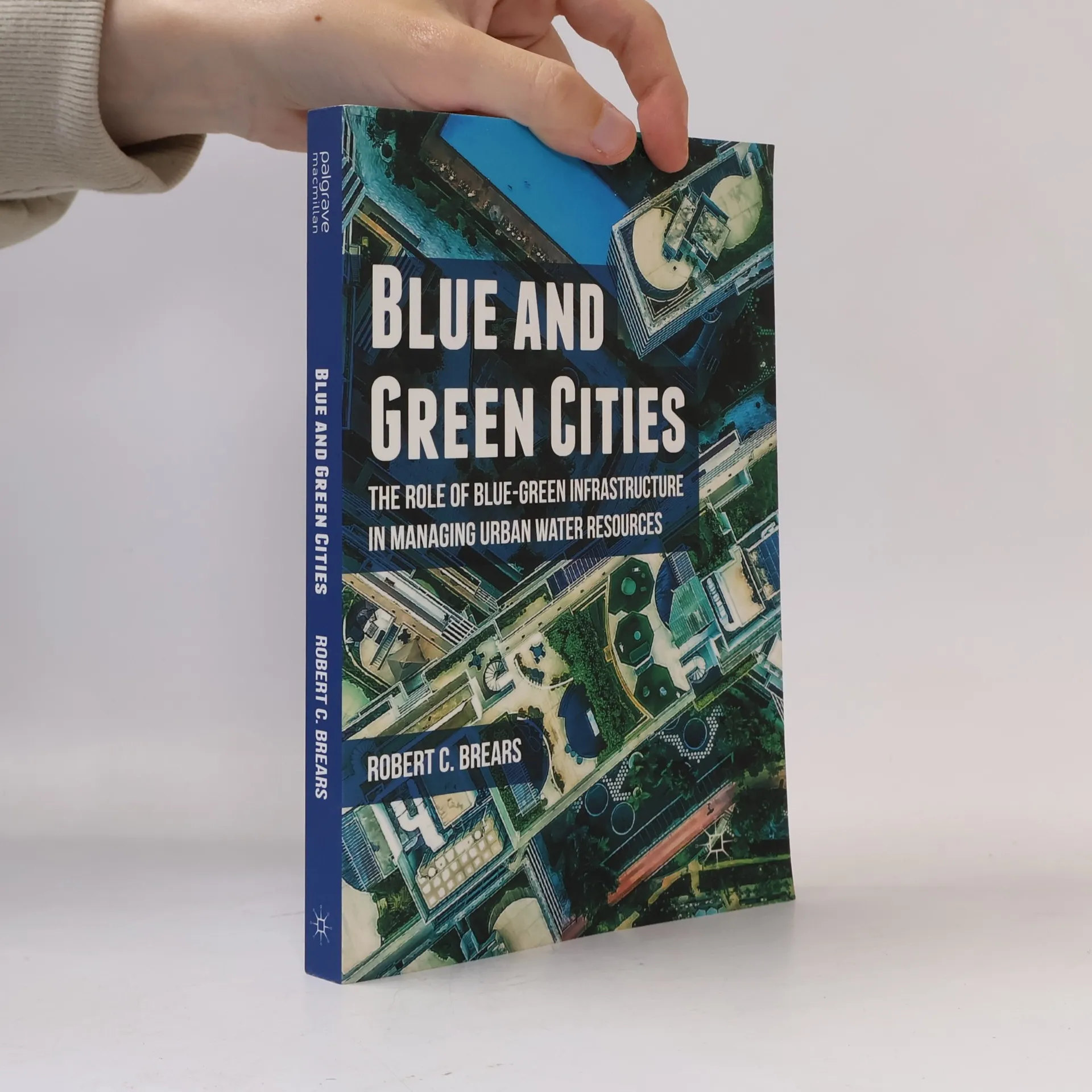
Innovative solutions for water resource management are essential due to challenges posed by population growth, urbanization, and climate change. This updated edition includes new figures, percentages, and the latest trends, along with revised case studies that address current and future issues in water conservation and quality protection. The comprehensive approach ensures readers are equipped with relevant information to tackle the increasing demands of effective water management.
Robert C. Brears Bücher


Blue and Green Cities
The Role of Blue-Green Infrastructure in Managing Urban Water Resources
- 268 Seiten
- 10 Lesestunden
Focusing on urban policy innovations, this revised edition highlights the importance of blue-green infrastructure in sustainable water resource management. It emphasizes the growing recognition of nature-based solutions in addressing societal challenges, such as climate change impacts in urban areas. The book explores how these strategies not only mitigate climatic extremes but also contribute to environmental restoration and biodiversity enhancement, reflecting the evolving understanding of urban ecological practices since the first edition.
Financing Nature-Based Solutions
Exploring Public, Private, and Blended Finance Models and Case Studies
- 296 Seiten
- 11 Lesestunden
Innovative financial instruments and approaches for implementing nature-based solutions (NBS) are the focus of this research-driven book. It addresses the critical barrier of financing NBS, detailing who should pay and how to fund these initiatives. The book examines various finance models—public, private, and blended—applicable to diverse ecosystems and stakeholder contexts. Through case studies, it highlights best practices in financing NBS, making it a valuable resource for environmental planners, policymakers, NGOs, and students interested in sustainability.
Developing the Blue Economy
- 348 Seiten
- 13 Lesestunden
The book critiques the traditional view of the ocean economy as merely a tool for economic growth, highlighting the detrimental consequences of resource exploitation. It discusses the negative impacts on aquatic ecosystems, including overfishing, habitat degradation, and waste dumping. Additionally, it addresses the challenges posed by climate change, such as rising sea levels and ocean acidification, and emphasizes the marginalization of vulnerable coastal communities. The work calls for a reevaluation of how marine resources are managed to ensure their sustainability for future generations.
The Green Economy and the Water-Energy-Food Nexus
- 423 Seiten
- 15 Lesestunden
This book discusses the need for diverse policies to enhance synergies between the water-energy-food nexus while minimizing trade-offs for a green economy. It features case studies from various global regions that have adopted innovative policies to alleviate nexus pressures and promote green growth, appealing to planners, policymakers, and researchers.