Die starke Familie
- 229 Seiten
- 9 Lesestunden


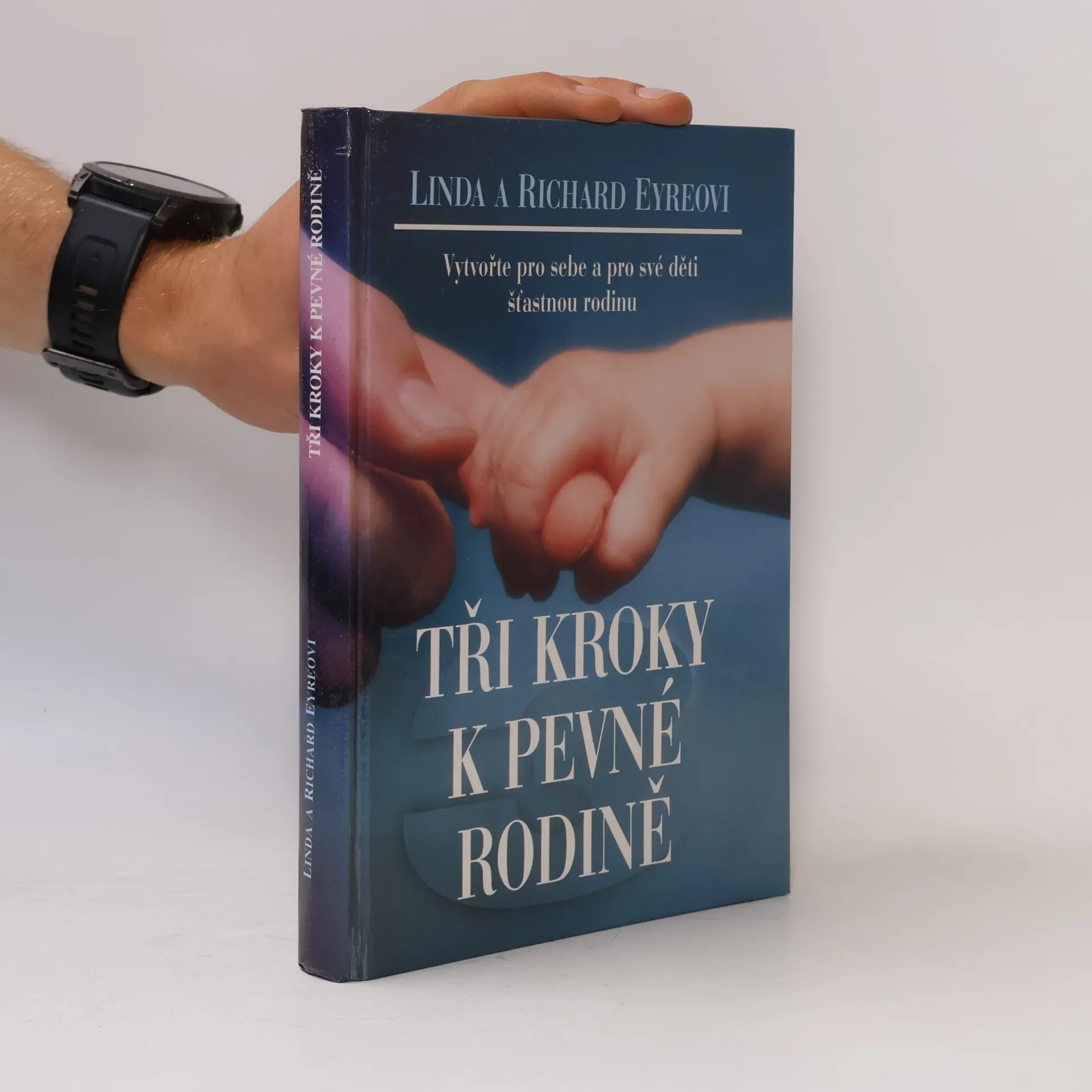
Linda und Richard Eyre sind ein schreibendes Ehepaar, das sich der Stärkung von Familien verschrieben hat, indem es Elternschaft popularisiert, Werte validiert und Ausgeglichenheit fördert. Ihre Arbeit konzentriert sich auf die Förderung von Familienbeziehungen und darauf, wie Eltern ihre Kinder in einer harmonischen Umgebung erziehen können. Durch ihre Schriften bieten die Eyres praktische Ratschläge und Inspiration für den Aufbau starker und glücklicher Familien. Sie befassen sich mit Themen der Elternschaft und dem Streben nach Gleichgewicht im Familienleben.

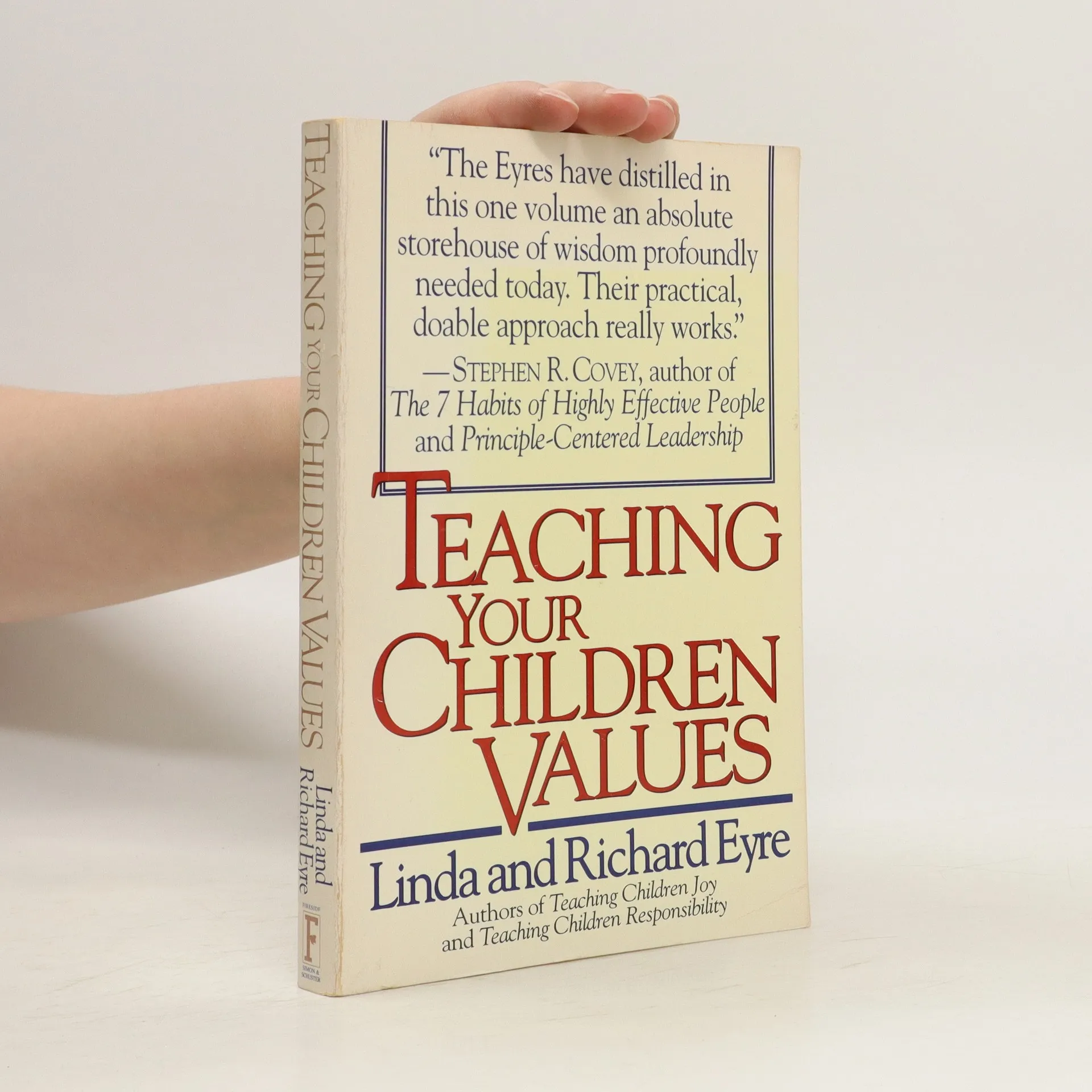

One of the greatest gifts you can give your children is a strong sense of personal values. Helping your children develop values such as honesty, self-reliance, and dependability is as important a part of their education as teaching them to read or how to cross the street safely. The values you teach your children are their best protection from the influences of peer pressure and the temptations of consumer culture. With their own values clearly defined, your children can make their own decisions -- rather than imitate their friends or the latest fashions. In Teaching Your Children Values Linda and Richard Eyre present a practical, proven, month-by-month program of games, family ctivities, and value-building ecercises for kids of all ages.
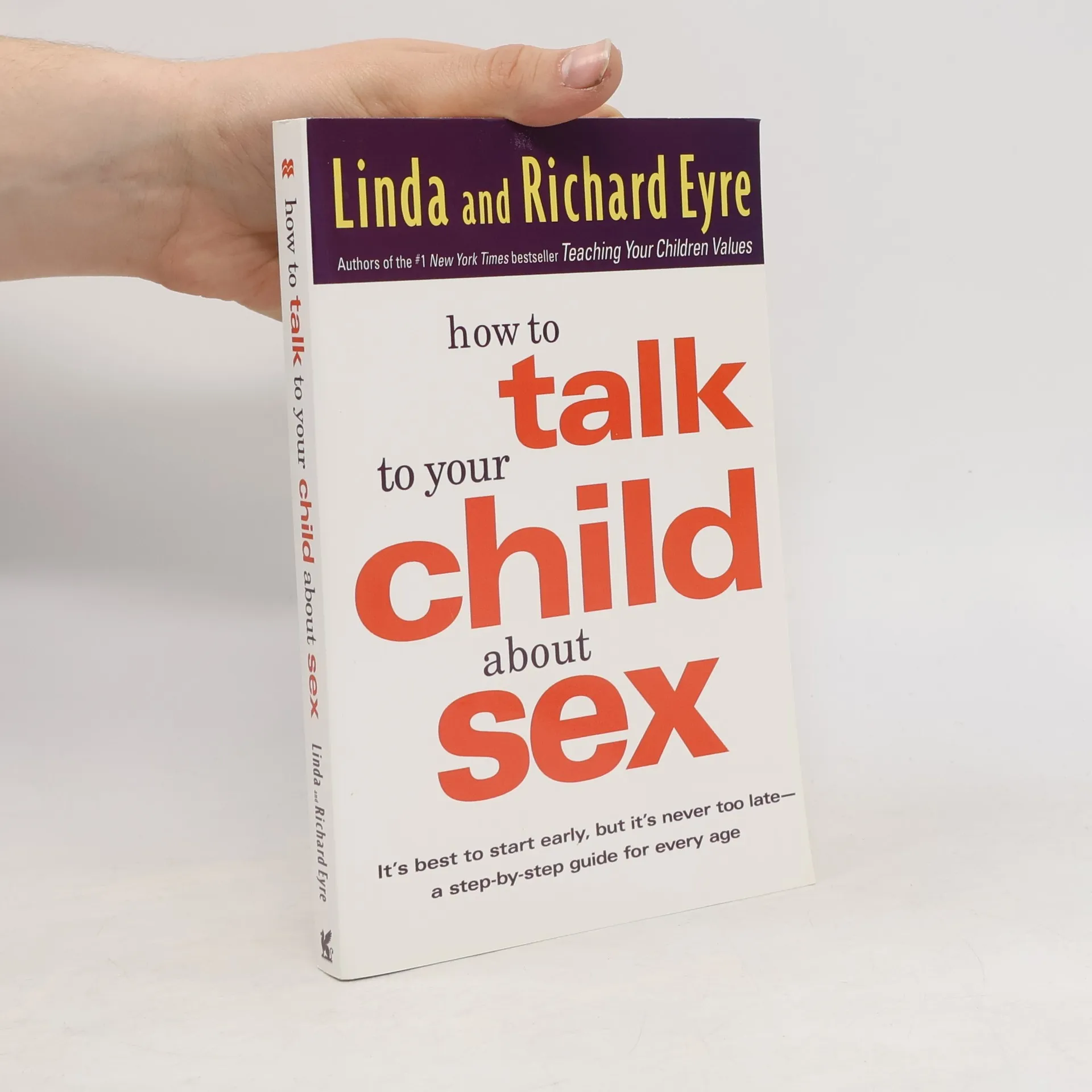
It's Best to Start Early, but It's Never Too Late -- A Step-by-Step Guide for Every Age
Linda and Richard Eyre stress that it's never too soon-or too late-to start discussing sex and values with your children, and they've got proven strategies to make it easier. For parents who want to go beyond the birds and the bees talk, How to Talk to Your Child About Sex provides thoughtful, clear, specific guidance on when and, most important, how to help children begin to learn and understand sex, love, and commitment from the most positive viewpoint possible.Preliminary "as needed" talks with three-to eight-year-oldsThe age eight Big TalkFollow-up talks with eight-to thirteen-year-oldsBehavior discussions and guidelines with eleven-to sixteen-year-oldsDiscussions of perspective and personal standards with fifteen-to nineteen-year-olds