

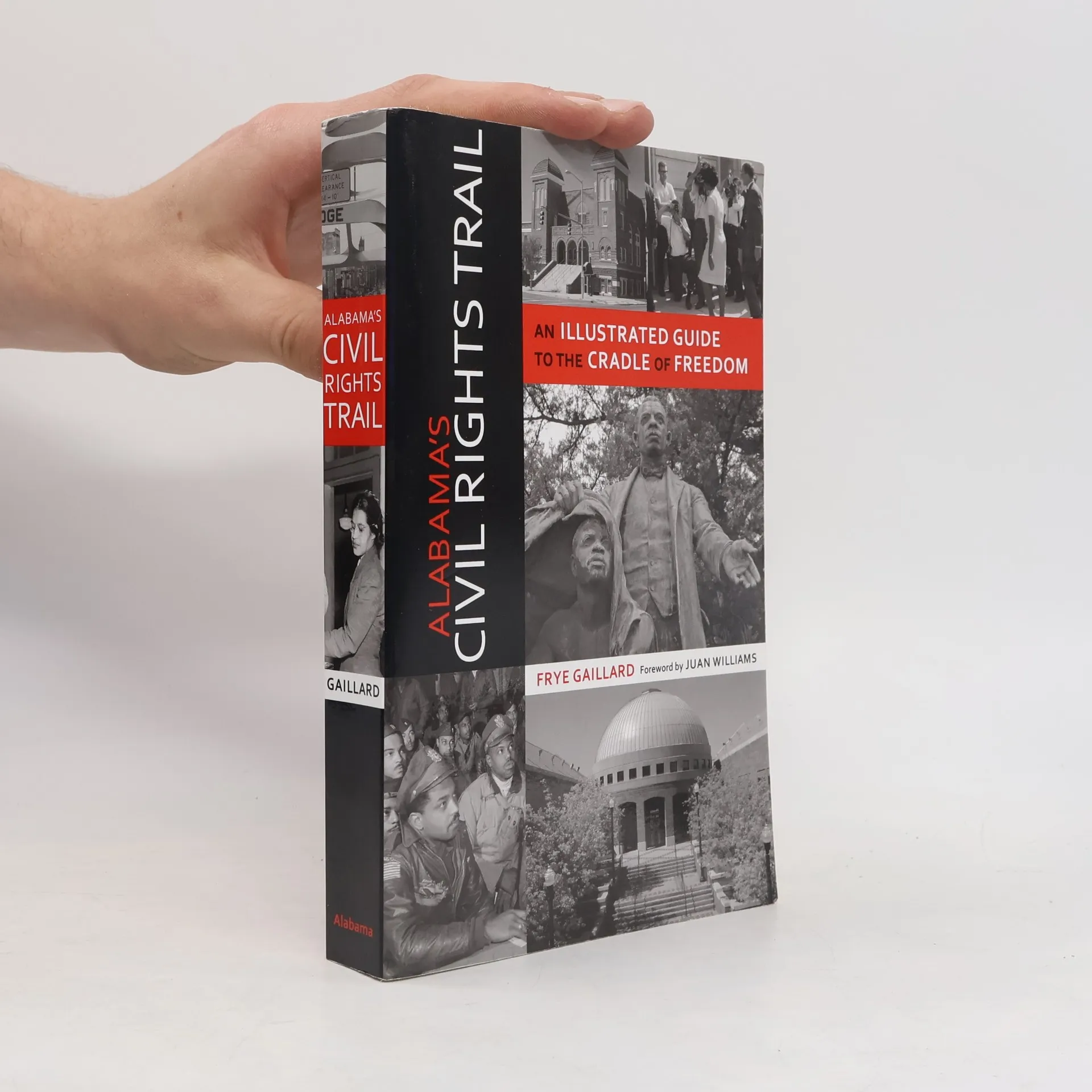
Alabama has thoroughly embraced and preserved its civil rights history, making it a rich focal point for understanding this pivotal movement. This narrative recounts the significant and lesser-known events of Alabama’s civil rights struggle, complemented by a practical guide to the state's preserved sites and monuments. In his work, Frye Gaillard argues that Alabama was central to a historic movement that expanded freedom for all citizens. This book caters to both casual travelers and serious students, offering vivid illustrations and compelling details. It serves as a user-friendly resource for the increasing number of visitors, students, and civil rights pilgrims who come to Alabama each year. The civil rights movement is explored city by city, region by region, detailing key locations such as Montgomery, Birmingham, Selma, Tuscaloosa, Tuskegee, and Mobile. It also highlights smaller yet significant places like Greensboro, Monroeville, and Scottsboro, as well as lesser-known sites like Hale County’s Safe House Black History Museum and the birthplace of the Black Panther Party in Lowndes County. This comprehensive guide invites readers to engage with Alabama's profound civil rights legacy.
Juan Williams Bücher

Black Farmers in America
- 126 Seiten
- 5 Lesestunden
In Greene County, Alabama, a deserted farmhouse is overtaken by weeds and vines, symbolizing the loss suffered by black American farmers throughout the twentieth century. The decline of a culture supporting independent farmers, rather than natural forces, has hindered these families from realizing their dreams. In 1920, black Americans comprised 14 percent of U.S. farmers, owning and cultivating 15 million acres of land. Today, however, they represent less than 1 percent of farmers and manage fewer than 3 million acres, facing challenges from globalization, technology shifts, an aging workforce, discriminatory lending practices, and the U.S. Department of Agriculture. Experts warn that black-owned family farms may soon vanish. This reality inspired photographer John Francis Ficara to embark on a four-year journey across America, resulting in a collection of 110 duotone photographs that capture the struggles and resilience of black farmers. From a hand-painted "For Sale" sign to a farmer milking at dawn, these images preserve a heritage that may soon fade. Juan Williams’ accompanying essay provides historical context, discussing the myth of "forty acres and a mule" and the 1999 USDA settlement, highlighting America's ongoing racial and economic challenges. The photographs resonate with the dignity of work and culture, documenting the experiences of black farmers for future generations.