

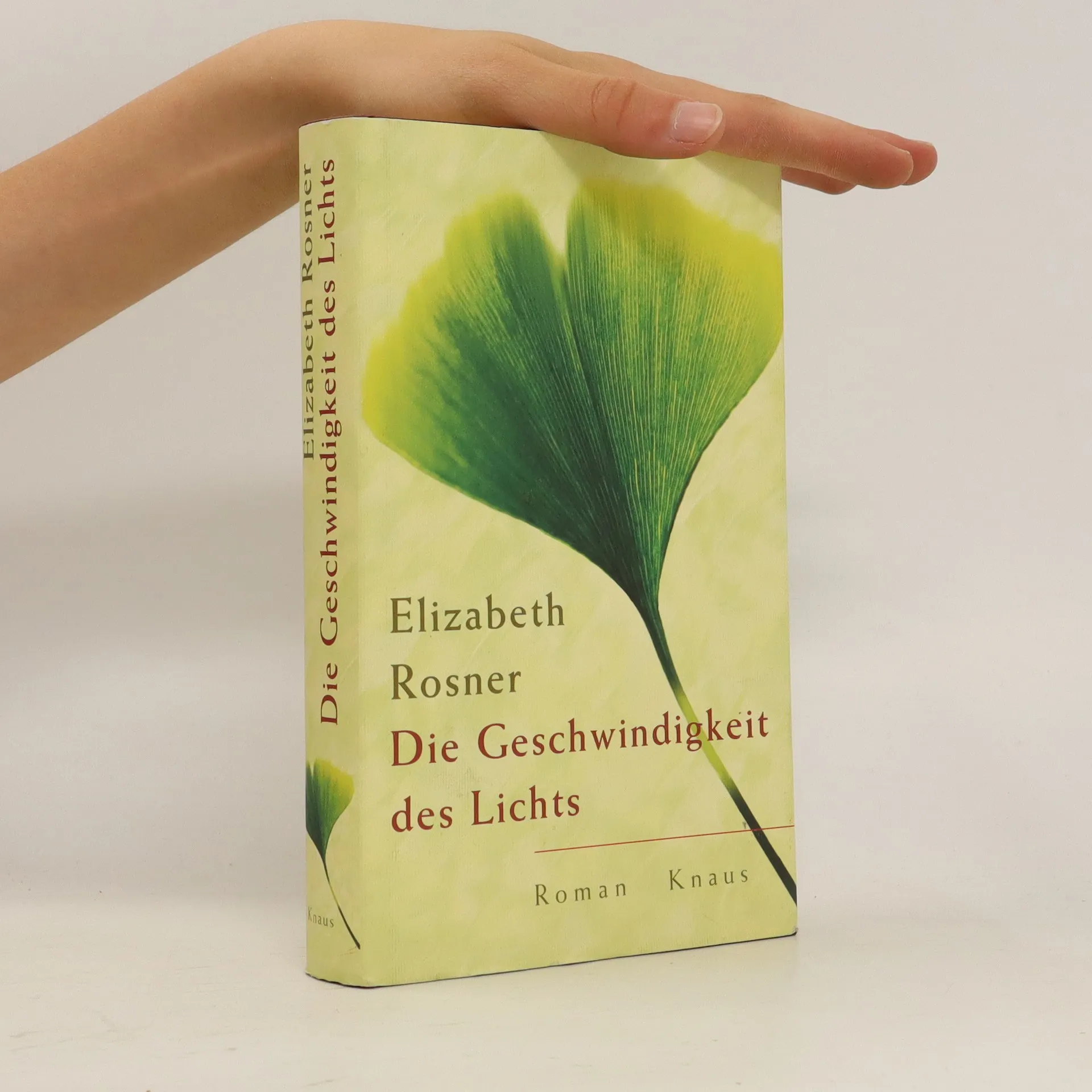
Der Blaue Akt
Roman
Diese Autorin befasst sich mit den generationenübergreifenden Folgen von Krieg, Völkermord und Gewalt und verknüpft persönliche Erzählungen mit umfangreichen Recherchen und Interviews. Ihre Arbeit untersucht die komplexe Beziehung zwischen Trauma und Erinnerung und beleuchtet, wie die Folgen der Vergangenheit unsere Gegenwart und Zukunft prägen. Sowohl in ihrer Prosa als auch in ihrer Lyrik beleuchtet sie die Feinheiten menschlicher Erfahrung und ihre anhaltende Resonanz über die Zeit. Ihre Schriften erweitern die Gespräche über die Auseinandersetzung mit der Geschichte zur Gestaltung der Zukunft.


Roman
Rosner's memoir blends personal narrative with research on the impact of mass trauma, exploring its effects on both individual and cultural levels. Praised as a Best Book of 2017 by the San Francisco Chronicle, it delves into historical atrocities like the Holocaust, the Vietnam War, and Japanese American internment, presenting these themes with clarity and intimacy. The work serves as an exploration of shared experiences among the children of survivors, urging readers to reflect on their own connections to the past. Rosner's writing is noted for its poetic quality, seamlessly intertwining her story with those of others affected by trauma, and revealing hope amid darkness. Her examination of multigenerational trauma addresses complex issues such as anti-Semitism, racism, and loss, while also emphasizing the importance of storytelling in processing suffering. Critics highlight her ability to merge scholarly insight with personal revelation, offering a thoughtful meditation on memory and the inheritance of pain. Ultimately, Rosner's work opens a dialogue about the need for acknowledgment and understanding of past atrocities as a pathway to healing and peace. This profound contribution to discussions about legacy and responsibility resonates deeply with readers, making it an essential read for those interested in the intricate connections between trauma and memory.
Exploring the intersection of personal experience and academic research, the author delves into the transformative power of listening for fostering empathy and social change. Drawing from her background as the child of Holocaust survivors and her multilingual upbringing, she weaves together narratives and insights from fields like psychotherapy and neurolinguistics. This examination reveals how the sounds and silences in our interactions shape our relationships and understanding of the world.