Imaginary Characters
- 128 Seiten
- 5 Lesestunden
In this book, you're the storyteller and the artist and you're on a quest to bring the soulful characters, mythical creatures and magical landscapes of your imagination to life through mixed-media art.



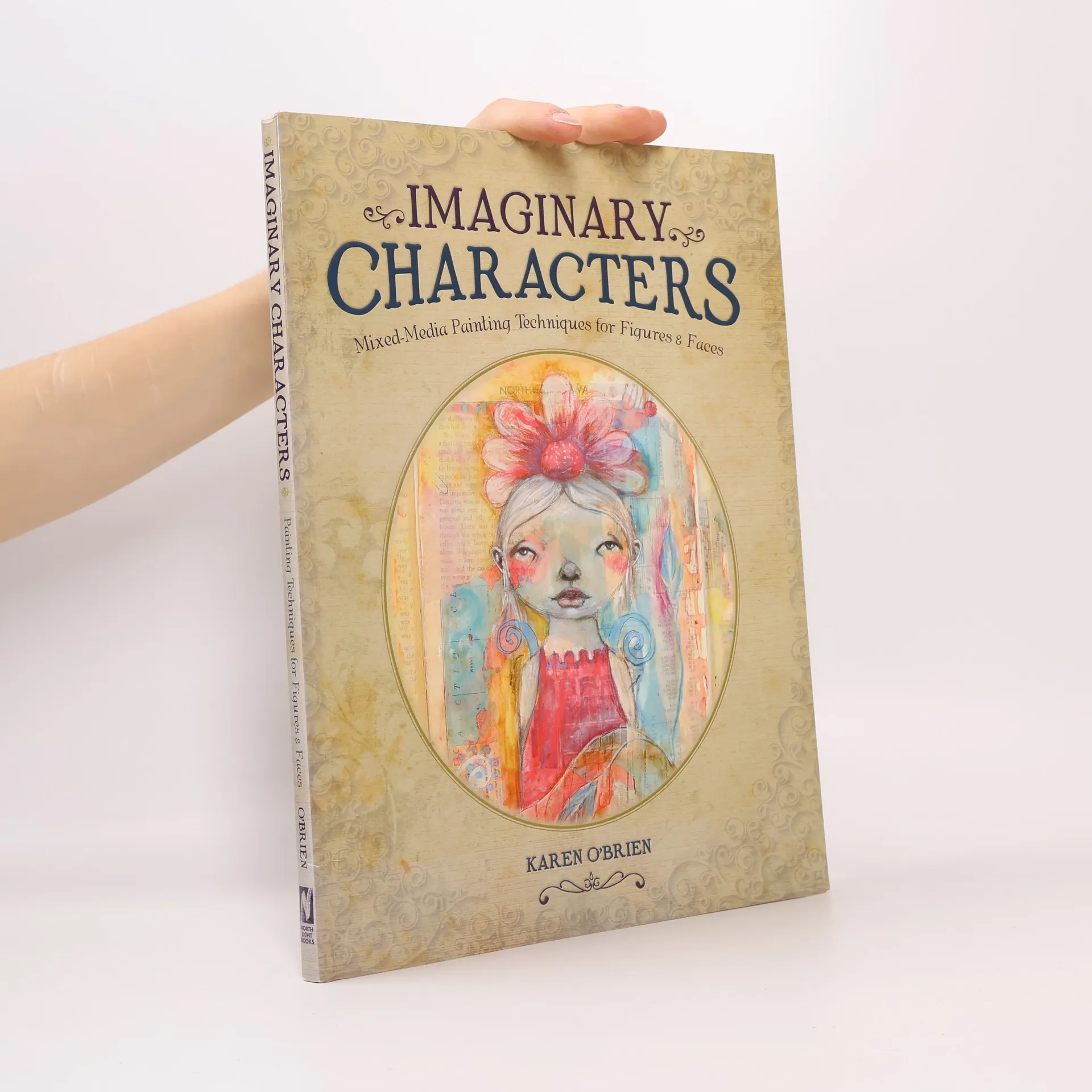
In this book, you're the storyteller and the artist and you're on a quest to bring the soulful characters, mythical creatures and magical landscapes of your imagination to life through mixed-media art.
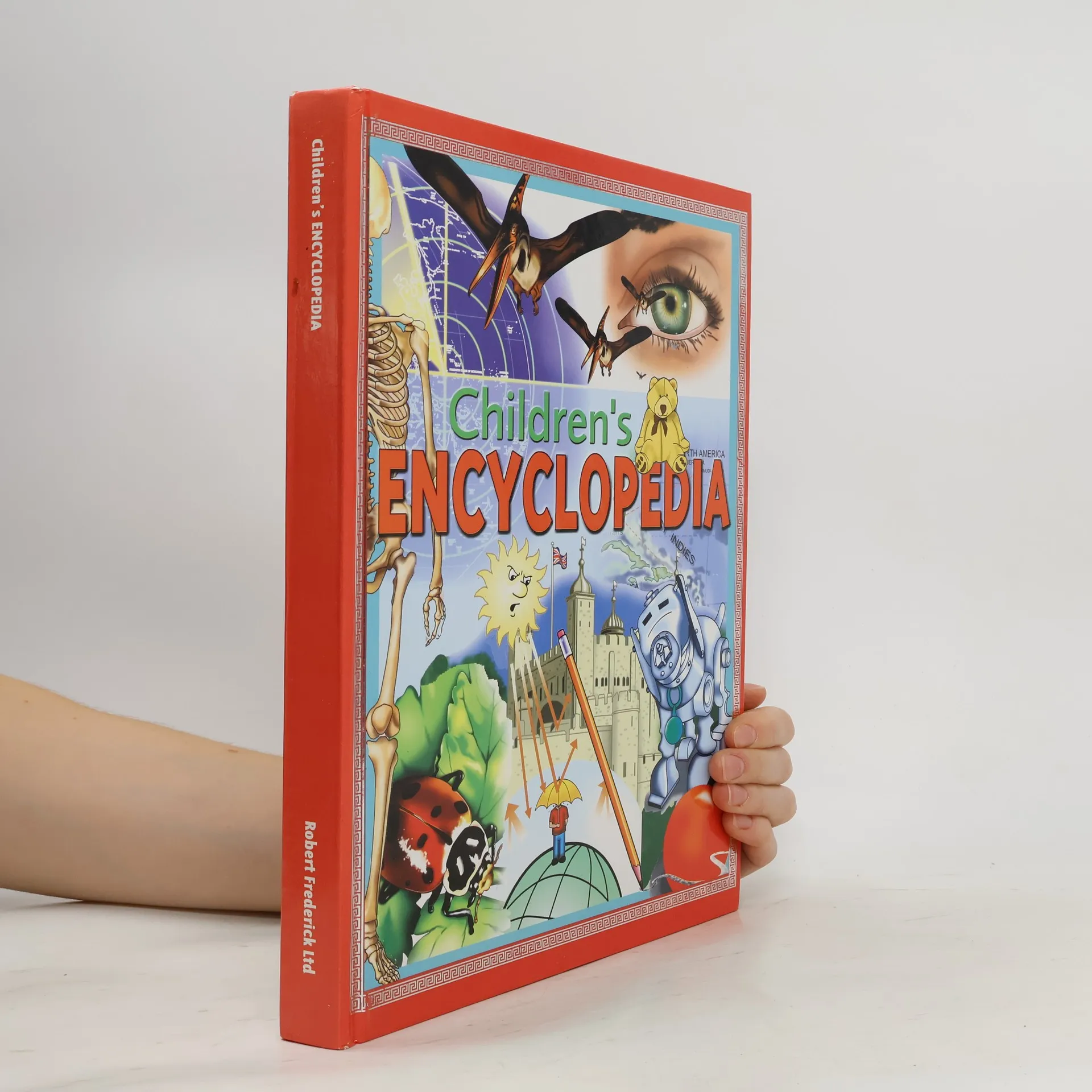
Over three million copies and 25 years later, Children's Illustrated Encyclopedia is revised and updated with the latest facts, figures, and technologies. Covering more than 380 topics from dinosaurs to digital technology, this highly visual guide engages young readers with photographic spreads and illustrations annotated with amazing trivia. Featuring full-color photographs, maps, cutaway diagrams, charts, and more, Children's Illustrated Encyclopedia is written in a clear and child-friendly style with updates that include recent space missions, scientific breakthroughs, and the latest significant events. Children's Illustrated Encyclopedia is perfect for reports, homework, and independent research. A great addition to any bookshelf, Children's Illustrated Encyclopedia is the essential book for curious young readers who want to know about everything.
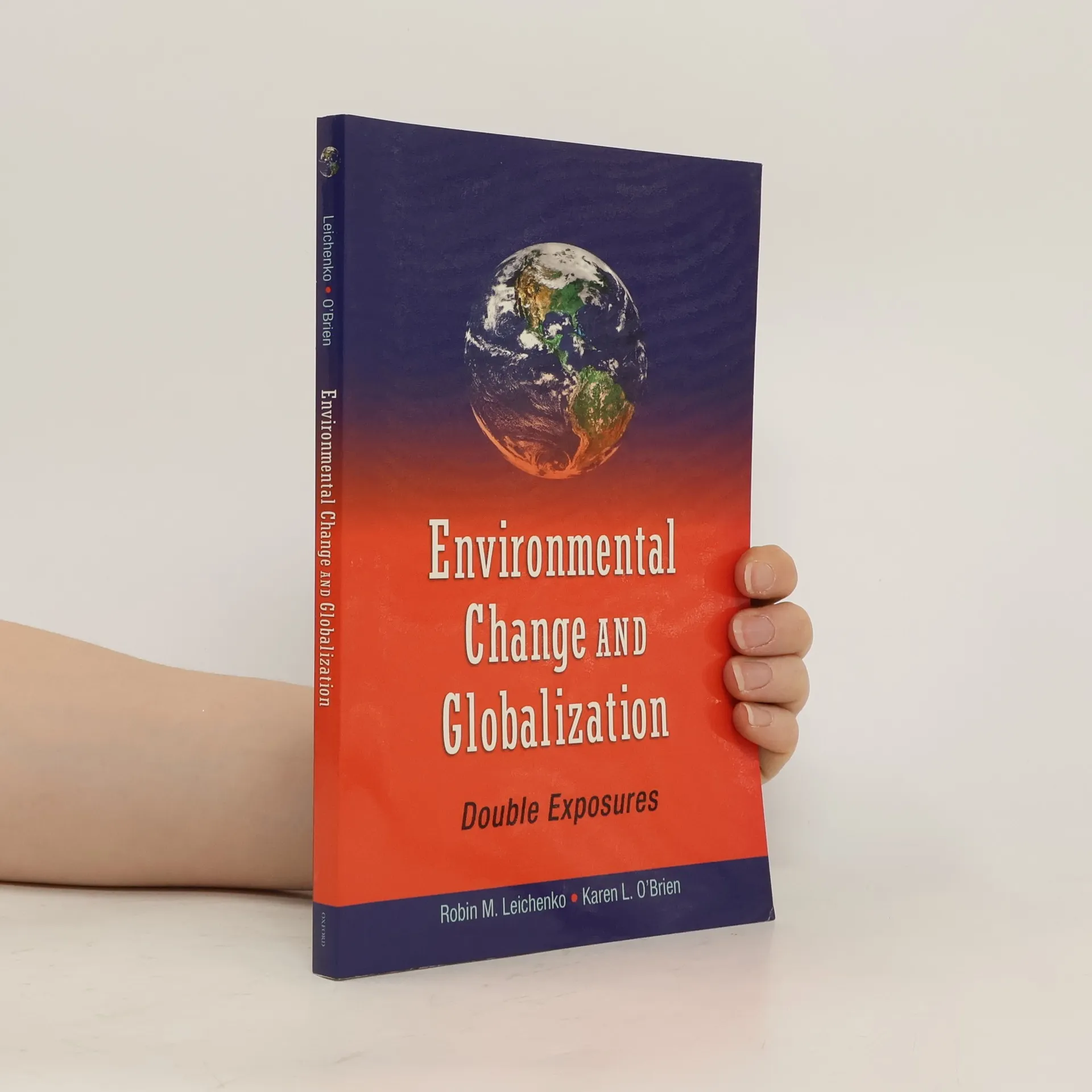
This book explores the connections between two of the most transformative processes of the twenty-first century, namely climate change and globalization. In this book, Leichenko and O'Brien present a conceptual framework for analyzing the interactions between these two processes, and illustrate, through case studies, how these interactions create situations of "double exposure."Drawing upon prominent recent and current climate-related events -- Hurricane Katrina in New Orleans, recurring droughts in India, and the melting of Arctic sea ice -- the case studies each demonstrate a different pathway of interaction between globalization and global environmental change. Through exploration of these pathways of double exposure, the book also shows how broader human security concerns including growing inequalities, growing vulnerabilities, and unsustainable rates of development are integrally connected to both processes of global change. The double exposure framework not only sheds light on the challenges raised by these two global processes, but also reveals possibilities for using the interactions to generate positive opportunities for action.
Focusing on five influential narrative historians from the eighteenth century, this book offers a critical examination of their contributions to historical writing. It explores the works of Voltaire, Hume, Robertson, Gibbon, and Ramsay, highlighting their unique perspectives and the impact they had on the understanding of history in Europe and America during that era. The analysis delves into their narrative techniques and the broader historical context in which they operated, providing insights into the evolution of historiography.