

An examination of India's bourgeois, its lifestyle and aspirations as manifested in fiction and film. It begins by looking at heroines and notions of idealized womanhood in a historical perspective, and examines how these are reworked in modern narratives, how conflicts are resolved and new models developed. A major theme is the redefinition of love and romance among the Indian middle classes, as part of the creation of a bourgeois individual revolving around love, romance and marriage. The book concentrates on the most radical of India's metropolitan bourgeoisies, that of the city of Mumbai (Bombay).
Rachel Dwyer Bücher
Rachel Dwyer ist Professorin für indische Kulturen und Kino an der SOAS in London. Ihre Arbeit konzentriert sich auf die Analyse des zeitgenössischen indischen Films, wobei sie dessen kulturelle, soziale und politische Aspekte untersucht. Dwyer beschäftigt sich in ihrer literarischen Tätigkeit hauptsächlich damit, wie Film die indische Gesellschaft widerspiegelt und formt.




Get Started in Gujarati Absolute Beginner Course
- 240 Seiten
- 9 Lesestunden
Get started reading, speaking and listening in Gujarati. Ideal for complete beginners, this course comprises a book and free online audio support.
100 Bollywood Films (BFI Screen Guides)
- 258 Seiten
- 10 Lesestunden
Bollywood is the national cinema of India. This invaluable introduction to the best of the genre discusses the work of key directors, major stars, music directors, and screenplay writers. Historically important films have been included along with certain cult movies and top box office successes, including Mother India, the national epic of a peasant woman's struggle against nature and society; Sholay, a "curry western" where the all-star cast sing and dance; Dilwale Dulhaniya le jayenge, the greatest of the diaspora films in which two British Asians fall in love while vacationing in Europe before going to India, where they show their elders how to incorporate love into family traditions; Junglee, in which love transforms a savage who yells "Yahoo!" before singing and dancing like Elvis and creating a new youth culture; and Pyaasa, dramatically shot in black and white and portraying a romantic poet who suffers for his art in the material world.
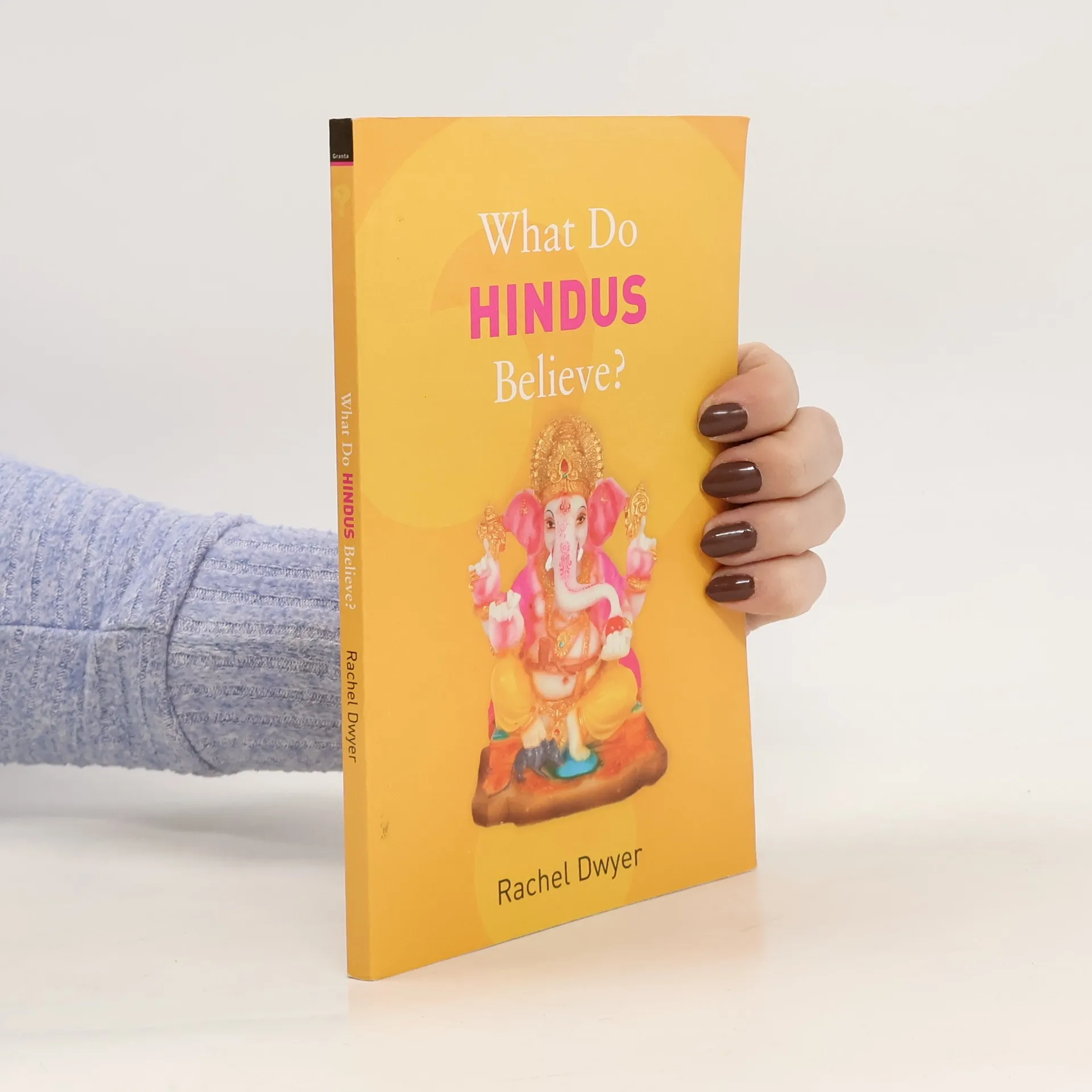
What Do Hindus Believe?
- 89 Seiten
- 4 Lesestunden
Hinduism is a much contested term used to describe the religious beliefs and practices of more than 800 million people, most of whom live in India. Yet Hinduism is a religion which lacks a set of core beliefs (there is no founder, no single scripture nor any central organisation).
An essential guide to the language of northwestern India, this complete course features dialogues, exercises, and interviews that let users practice listening to and speaking.