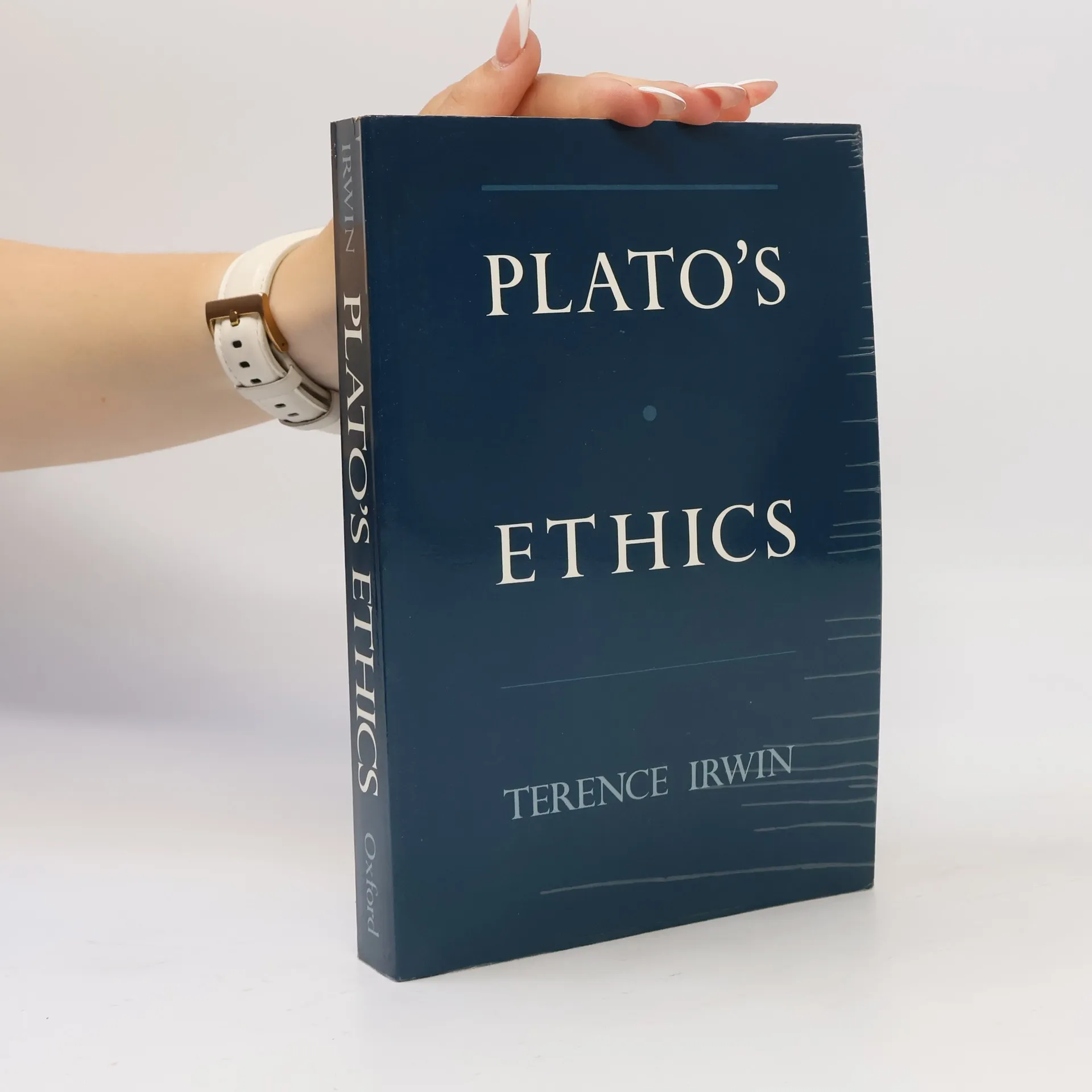
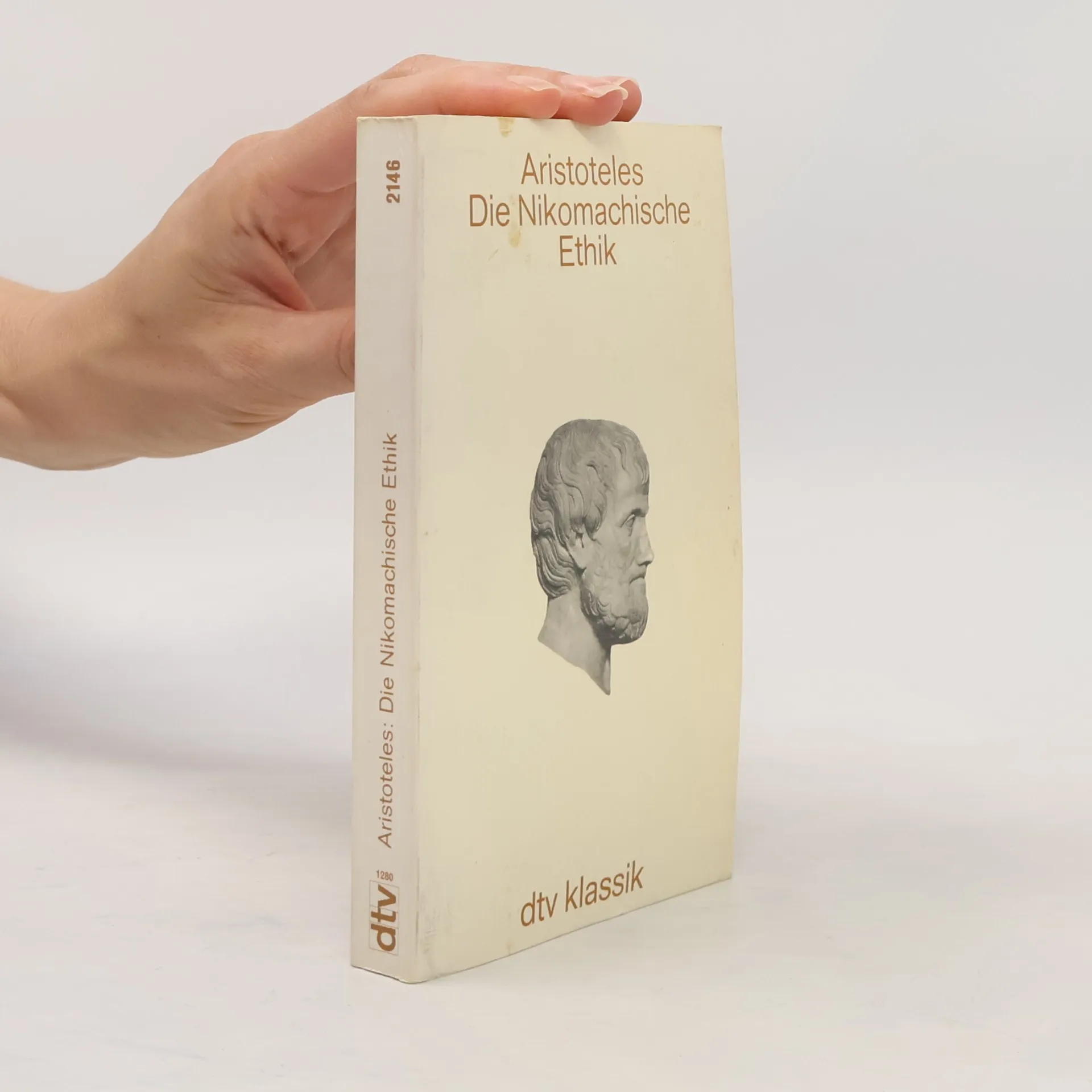
Terence Irwin ist ein herausragender Gelehrter und Philosoph, dessen Werk sich auf das antike griechische Denken und die Geschichte der Ethik konzentriert. Er untersucht akribisch die Entwicklung der Moralphilosophie in westlichen Traditionen, von der Antike über das Mittelalter bis in die Neuzeit. Irwins wissenschaftliche Beiträge beleuchten die Entwicklung grundlegender ethischer Konzepte und deren anhaltenden Einfluss. Seine umfangreiche akademische Laufbahn an renommierten Institutionen unterstreicht seinen tiefgreifenden Einfluss auf dem Gebiet.
Jedes Handeln und Denken strebt nach dem Guten – das ist die Grundvoraussetzung für die 'Nikomachische Ethik' des Aristoteles. Das ethische Vermögen des sozialen Menschen liegt für ihn im Vermeiden jedes Übermaßes, in jener 'Mitte', die allein Tugend und Glück hervorbringt. Dabei zielt er nicht auf einen starren Moralkodex mit konkreten Handlungsanweisungen, sondern auf das Erreichen des höchsten Gutes im Sinne eines möglichst tugendhaften und somit glücklichen Lebens im menschlichen Miteinander. Die Klarheit und Kraft seiner Gedanken sind bis heute ungebrochen.
This exceptional book examines and explains Plato's answer to the normative question, "How ought we to live?" It discusses Plato's conception of the virtues; his views about the connection between the virtues and happiness; and the account of reason, desire, and motivation that underlies his arguments about the virtues. Plato's answer to the epistemological question, "How can we know how we ought to live?" is also discussed. His views on knowledge, belief, and inquiry, and his theory of Forms, are examined, insofar as they are relevant to his ethical view. Terence Irwin traces the development of Plato's moral philosophy, from the Socratic dialogues to its fullest exposition in the Republic . Plato's Ethics discusses Plato's reasons for abandoning or modifying some aspects of Socratic ethics, and for believing that he preserves Socrates' essential insights. A brief and selective discussion of the Statesmen , Philebus , and Laws is included. Replacing Irwin's earlier Plato's MoralTheory (Oxford, 1977), this book gives a clearer and fuller account of the main questions and discusses some recent controversies in the interpretation of Plato's ethics. It does not presuppose any knowledge of Greek or any extensive knowledge of Plato.